search
search
add New trip

Vadstena

calendar_monthMay–Sepbest time schedule2 daysplan for directions_car2 h 44from Lake Mälaren child_careYeswith kids confirmation_numberMid-rangeprice
VadstenaYour own route Plan a trip here →

Vadstena sits on the eastern shore of Lake Vättern, surrounded by flat farmland in Östergötland. It is small, walkable, and quiet outside the summer months, with a medieval church and a Renaissance castle within a few minutes of each other.

Read more

The town grew up around Saint Bridget's convent, and pilgrims still come. Cobbled lanes lead down to the water, where you can watch the light change over one of Sweden's biggest lakes. Come in July for concerts and full opening hours. Come in November and much of it is closed.

Sightseeing

Vadstena Abbey Church: One of Scandinavia's largest medieval churches, holding Saint Bridget's reliquary and old wooden sculptures.
Vadstena Castle: A 16th century fortress turned Vasa Renaissance palace by the lake, with year-round guided tours.
Vadstena Rådhus: Sweden's oldest city hall, built in the early 1400s on Rådhustorget.
Vadstena Hospital Museum: A 16th century hospital for poor pilgrims, open weekends from late June to early September.
Lake Vättern shoreline: Walk the harbour and old town streets down to the water.

"Saint Bridget's town on Lake Vättern"Vadstena

Things to do

Abbey concerts: Time your visit for the summer concert series in the church, typically held on weekends in July and August.
Hjulius sightseeing train: A guided loop around town on a small road train, great for families.
Toy Museum nostalgic evenings: Weekly summer events at the toy museum, featuring themed activities.
Castle tour: Join a guided walk through furnished 16th to 18th century rooms at Vadstena Castle, which offers tours year-round.
Lakeside stroll: Circle the old town on foot, since everything is close, and enjoy views of Lake Vättern.

Local food and drinks

Vättern smoked fish: Lake char and whitefish appear in local eateries and at the harbour.
Fika: Coffee and a cinnamon bun in a cafe near Rådhustorget.
Swedish home cooking: Meatballs, potatoes and lingonberry at town restaurants.
Systembolaget, Hovsgatan 4: The state liquor store for wine, beer and spirits.
Local bakeries: Stock up before Sunday, when hours shorten.

Local traditions

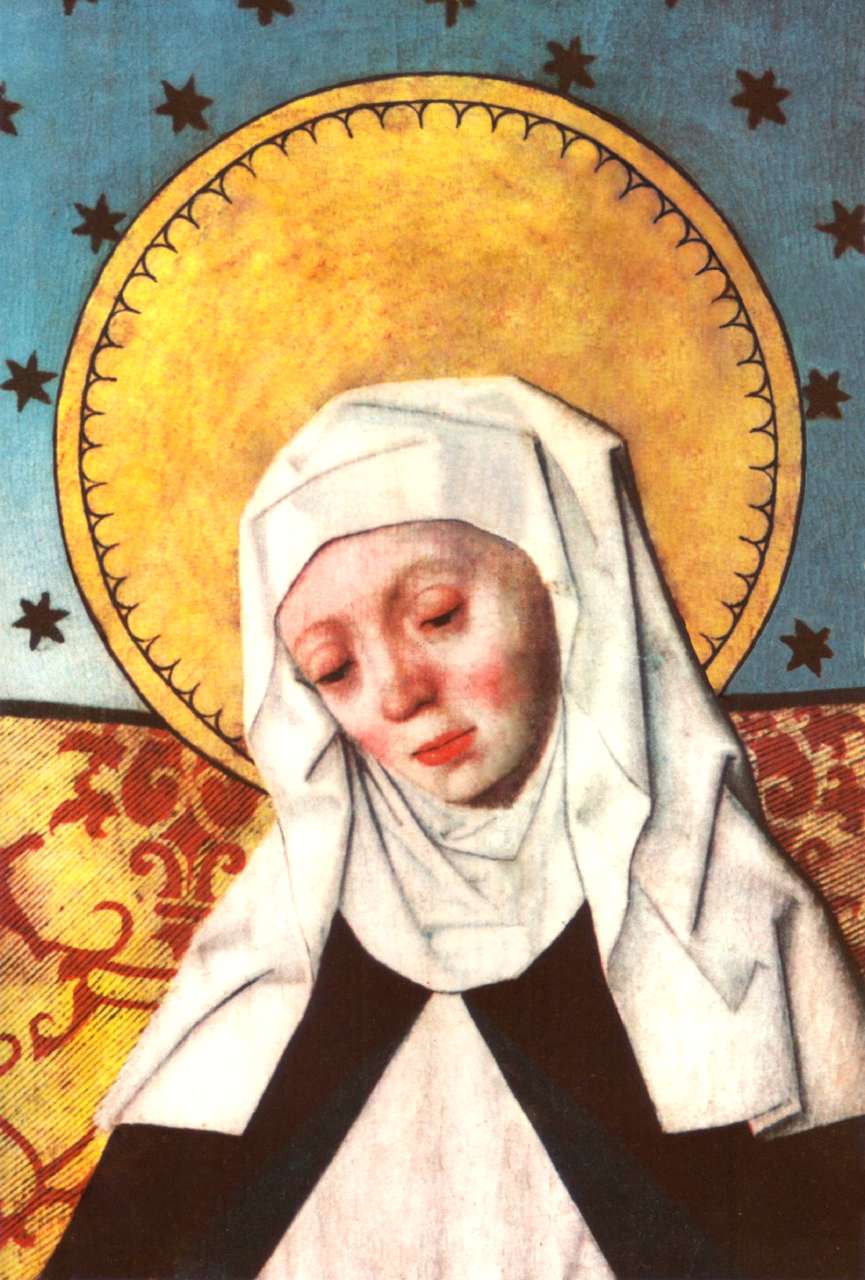
Saint Bridget pilgrimage: The convent draws pilgrims tied to one of Europe's patron saints.
Bobbin lace: Handwoven in Vadstena since the 1600s, sold as a local craft.
Summer concerts: The abbey church hosts music through the warm months.
Bridgettine heritage: The order she founded here still shapes the town's identity.

Do's and don'ts

Walk everywhere, since the sights cluster near the lake.
Book castle and concert tickets ahead in July.
Buy a piece of Vadstena bobbin lace as a real local craft.
Visit the abbey church even if you skip the museums.
Don't expect much open on winter weekdays.
Don't take a taxi without checking the meter first.
Don't rush; the appeal is a slow half day, not a checklist.
Don't assume all attractions accept cards; carry a little cash.

Practical

At a glance

Founded
Convent founded 1384
Population
5.800
Accessibility
Flat old town is fairly walkable, though cobbles and older buildings mean some interiors have steps.
Price level
Mid-range

Things to know

Many museums only open on summer weekends, so check dates before travelling off-season.
Taxis are expensive, and you should confirm the meter is running before you set off.
The town is small; you can see the main sights on foot in a day.
Winter is quiet, with reduced hours at cafes and attractions.
In 2023, the summer concert series at the Abbey is scheduled for July and August, so plan accordingly.
history_eduHistoryexpand_more

In 1384 Saint Bridget founded a convent here, the first and largest of the Bridgettine Order, set in a former royal palace by Lake Vättern. A hospital rose beside it in the 1500s to shelter pilgrims who could not pay for an inn. The town became one of medieval Sweden's important religious centres.

The Reformation closed the convent in the 16th century, and the abbey church became the parish church it remains today. The Vasa kings built a fortress against the Danes and rebuilt it as a Renaissance palace. Since 1999 Bridget has been named one of Europe's six patron saints.

Photo credits (1)
  • Hermann Rode (late 15th century); derivative work: Beao · Public domain · Wikimedia Commons