search
search
add New trip
Switzerland

Switzerland

CH calendar_monthMay–Jun, Sep–Octbest time schedule10 daysplan for child_careYeswith kids confirmation_numberExpensiveprice flagBerncapital FrSwiss Franccurrency
SwitzerlandYour own route Plan a trip here →

Switzerland is a stunning blend of picturesque landscapes, charming villages, and vibrant cities. Travelers are drawn to its majestic Alps, pristine lakes, and rich cultural heritage, making it a year-round destination for outdoor enthusiasts and city explorers alike.

Routes through here

Every route opens in the planner as your own copy: change any stop, any night.

In pictures

Switzerland
Switzerland
Switzerland
Switzerland
Switzerland
Switzerland
Switzerland
Infographic map of Switzerland

Sightseeing

Zermatt: home to the iconic Matterhorn
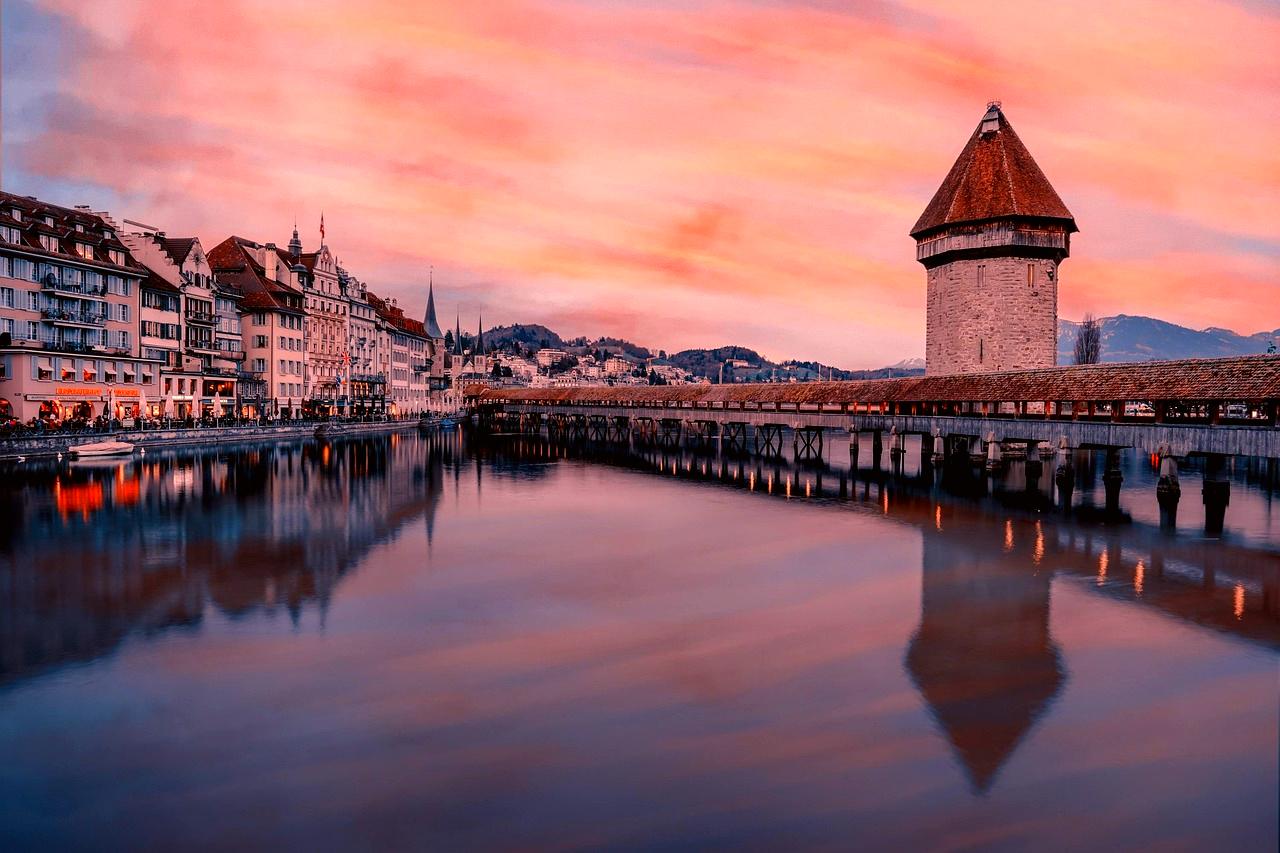
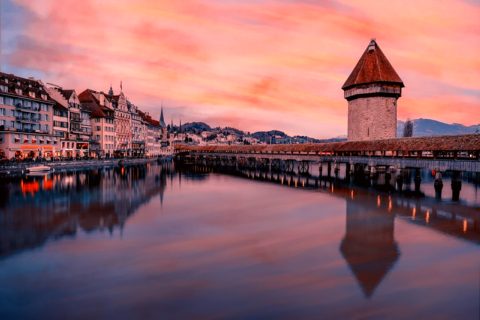
Lucerne: a beautiful lakeside city with a historic bridge
Interlaken: adventure capital nestled between two lakes
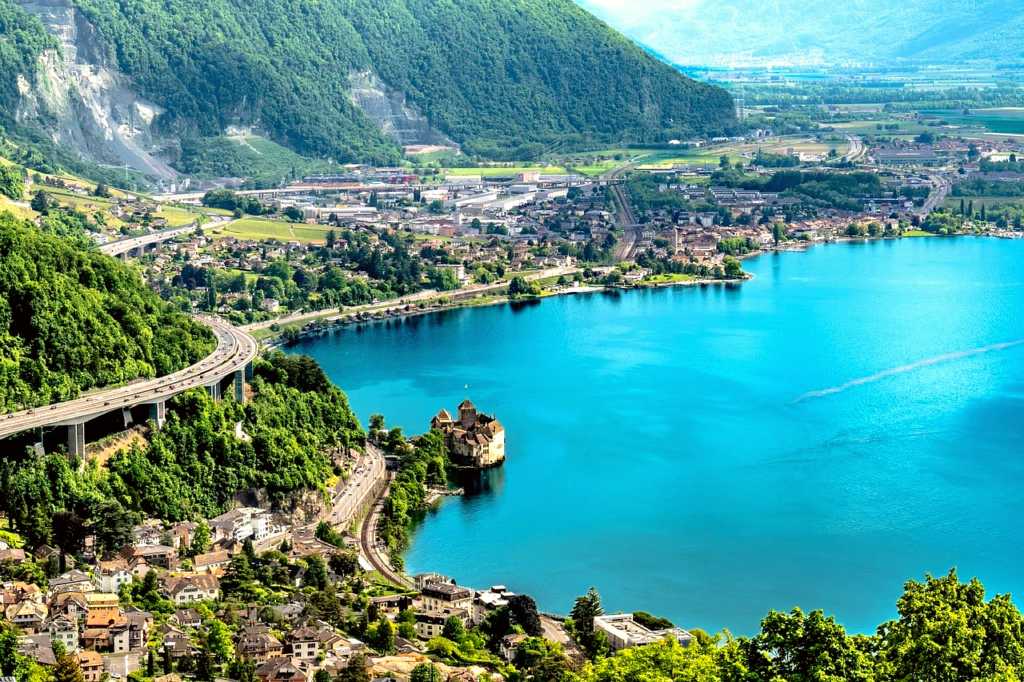
Geneva: known for its Red Cross headquarters and stunning lake
Bern: the charming capital with medieval architecture
Lausanne: vibrant city with a lively cultural scene
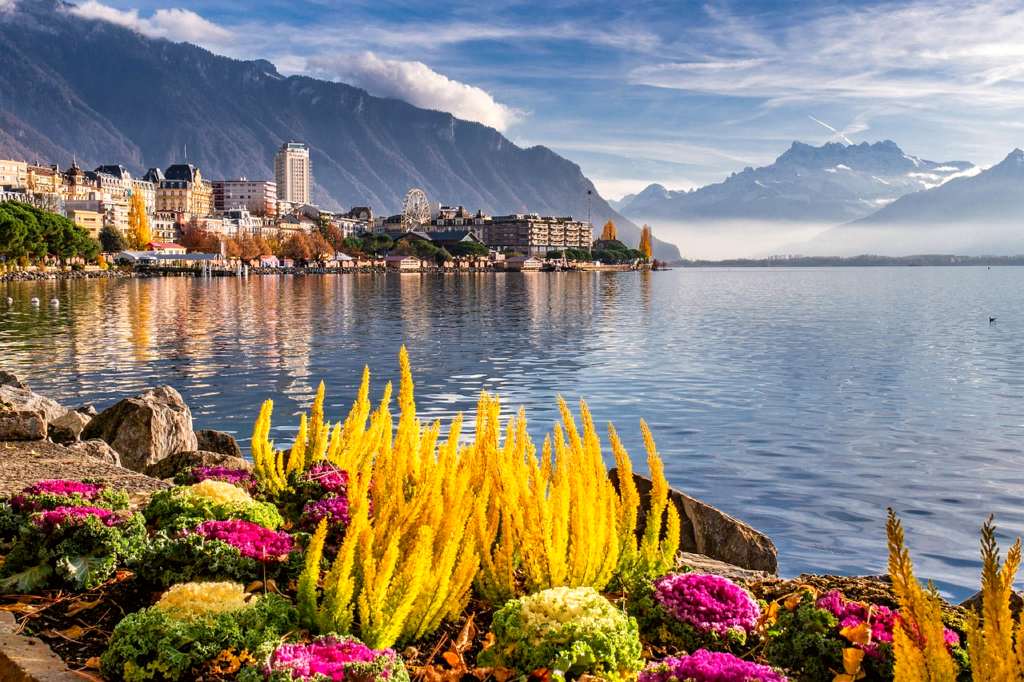
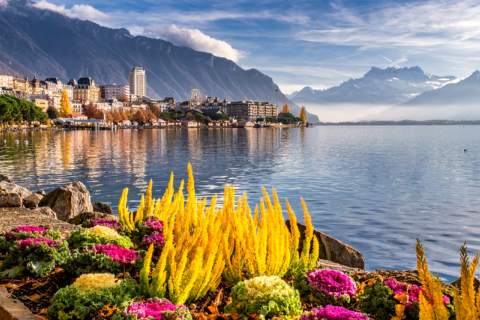
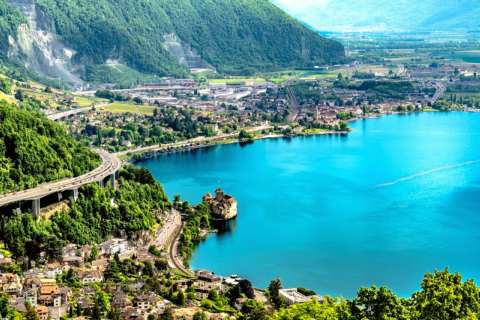
Montreux: famous for its jazz festival and lakeside promenade
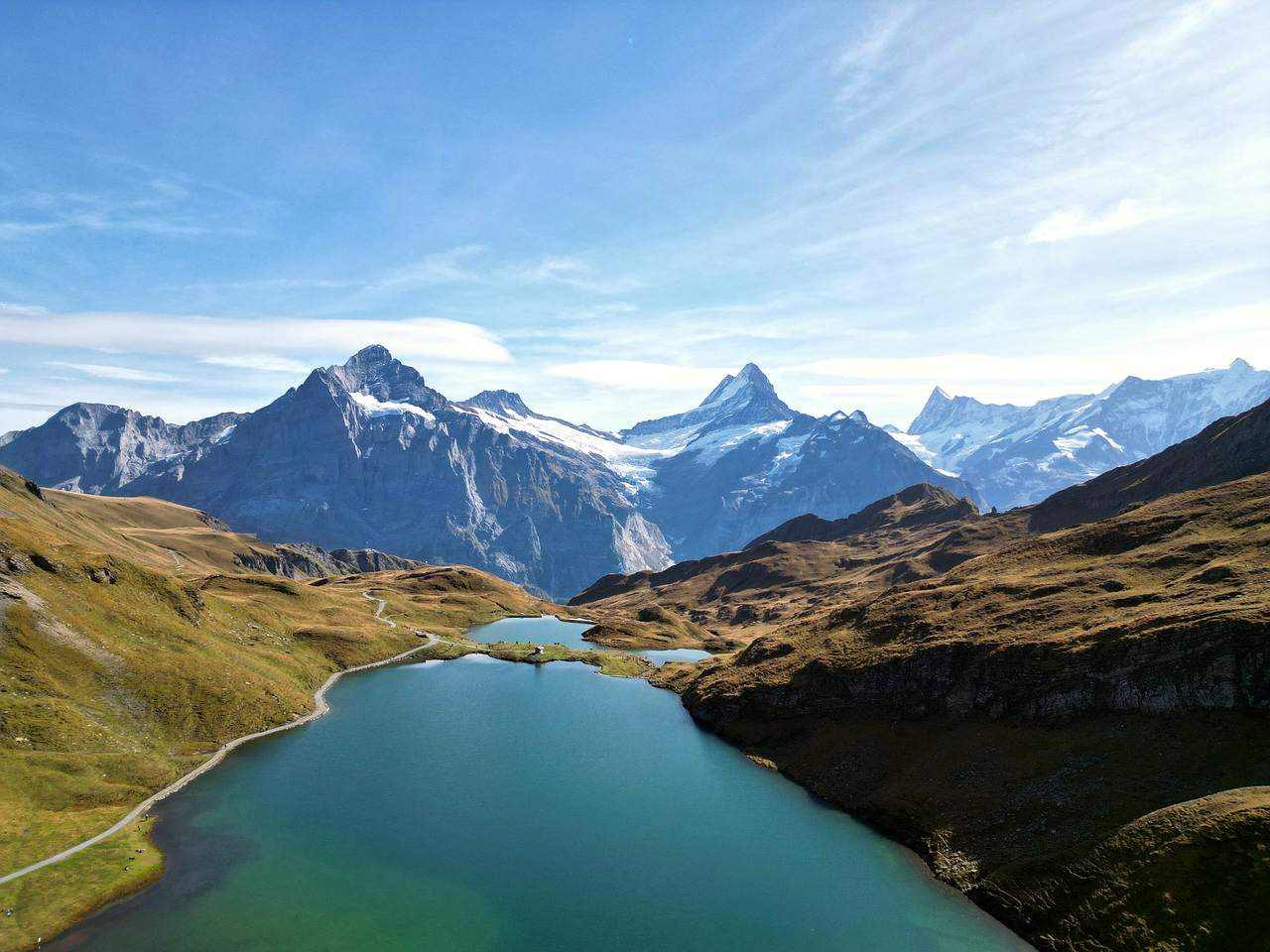
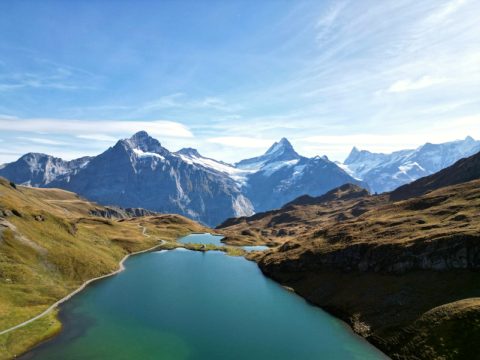
Jungfrau Region: breathtaking mountain scenery and hiking trails

"Explore the heart of Europe"Switzerland

Things to do

Skiing: enjoy world-class slopes in winter
Hiking: explore numerous trails in summer
Boat trips: take a scenic cruise on Lake Geneva
Chocolate tasting: indulge in Swiss chocolate tours
Museum visits: discover art and history in major cities
Festivals: experience local culture through various events
Local food and drinks - Switzerland

Local food and drinks

Fondue: melted cheese dish, best enjoyed in winter
Rösti: crispy potato dish, a breakfast staple
Raclette: melted cheese served with potatoes, popular in the Alps
Zopf: traditional Swiss bread, perfect for Sunday brunch
Swiss chocolate: try local brands in shops across the country
Absinthe: herbal spirit, best sampled in the Neuchâtel region
Local traditions - Switzerland

Local traditions

Fasnacht: lively carnival celebrated in Basel
Alpabzug: cow parades in autumn to celebrate the end of grazing
Swiss National Day: festivities on August 1st with fireworks
Yodeling: traditional singing style, often heard in the Alps
Christmas markets: festive stalls and local crafts during the holiday season

Do's and don'ts

Try local cheeses and chocolates
Respect quiet hours in residential areas
Learn a few basic phrases in the local language
Participate in local festivals and events
Use public transport for easy navigation
Don't assume everyone speaks English
Don't litter or leave waste behind
Don't rush through meals; dining is a leisurely affair
Don't take photos in museums without permission
Don't forget to validate your train ticket before boarding
Time stands still at Berne's Zytglogge

Time stands still at Berne's Zytglogge

The Zytglogge clock tower in Berne is more than just a timepiece. Built in the 13th century, it features an astronomical clock and animated figurines that perform every hour. Visitors often gather to watch the show, which includes a jester and a rooster. The surrounding area is filled with cafes and shops, making it a great spot to relax. Keep in mind that the narrow streets can get crowded, especially during peak tourist seasons. Arriving early in the morning or later in the afternoon can help you avoid the rush.

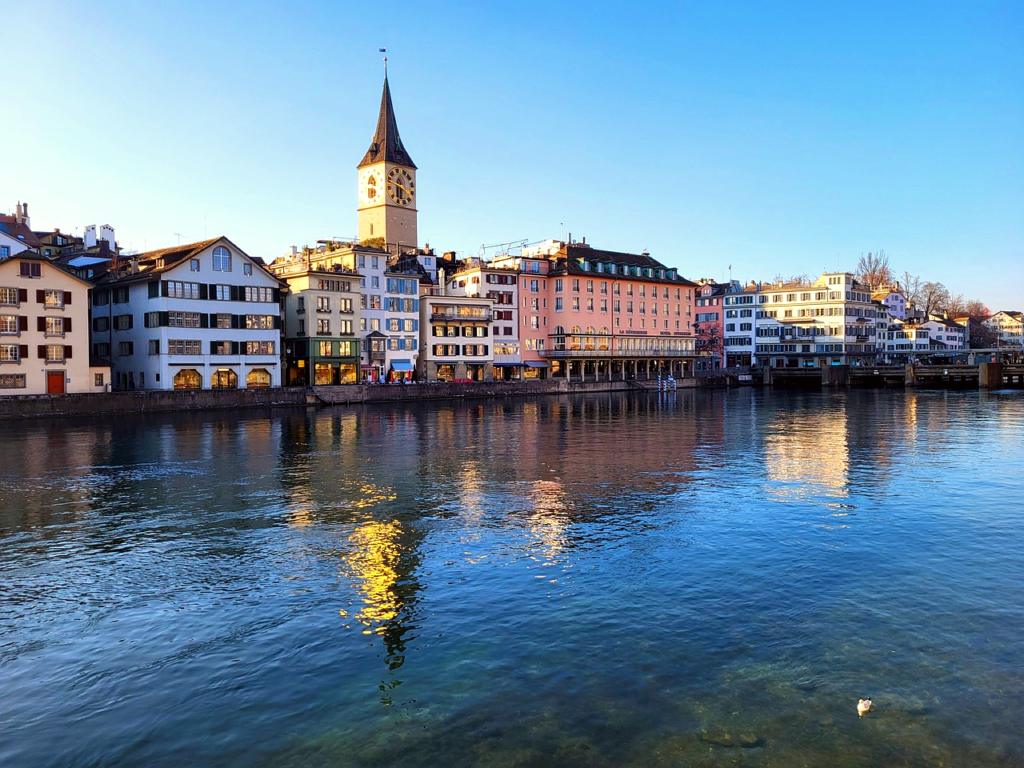
Limmat River: A slice of Zurich's life

Limmat River: A slice of Zurich's life

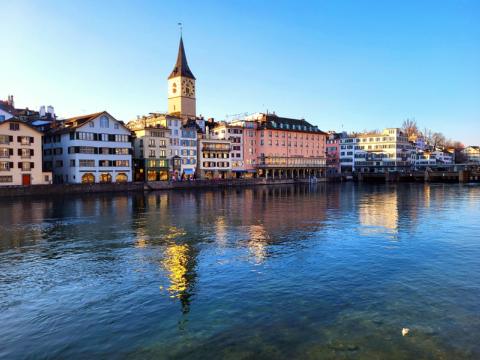
The Limmat River flows through Zurich, offering a picturesque setting for a leisurely stroll. Along the banks, you will find locals enjoying picnics, joggers, and cyclists. The river is lined with historic buildings and vibrant cafes, perfect for a coffee break. In summer, swimming in the river is popular, but the water can be quite chilly. Be prepared for the occasional rain, as Zurich has unpredictable weather. A walk along the river is a great way to experience the city's blend of nature and urban life.

Geneva's Jet d'Eau: A powerful symbol

Geneva's Jet d'Eau: A powerful symbol

The Jet d'Eau is one of Geneva's most iconic landmarks, shooting water 140 meters into the air. Located on Lake Geneva, this fountain is best viewed from the lakeside promenade. The surrounding area offers beautiful views of Mont Blanc in the distance. While the fountain is impressive, be aware that it can be difficult to capture in photos due to its height and the surrounding crowds. Visiting during the early morning or late afternoon can provide a quieter experience. Don't forget to explore the nearby parks and gardens for a complete day out.
info_outlinePracticalexpand_more
Population: 8.600.000
Best time: June to September for hiking

About Switzerland

While the scenery is breathtaking, Switzerland can be quite expensive. Public transportation is efficient but can add up, so budgeting for travel is essential. The country is known for its cleanliness and safety, but navigating the various languages and regional customs can be a challenge for some visitors.

Basic information

Capital: Bern
Language: German, French, Italian, Romansh
Currency: Swiss Franc
Best time to visit: June to September for hiking

Travel information

Flights: major airports in Zurich, Geneva, and Basel
Trains: efficient rail network connects cities and regions
Driving: well-maintained roads, but winter conditions can be challenging
Payments: Swiss Franc is the currency, credit cards widely accepted
Connectivity: good mobile coverage, Wi-Fi available in urban areas

Things to know

Expect high prices for food and accommodation
Tipping is not mandatory but appreciated
Language barriers may arise in different regions
Public transport is punctual, so plan accordingly
Some mountain passes may close in winter

Good to know

Accessibility: Most cities are wheelchair accessible, but mountain areas can be challenging.
Price level: expensive
history_eduHistoryexpand_more
History - Switzerland

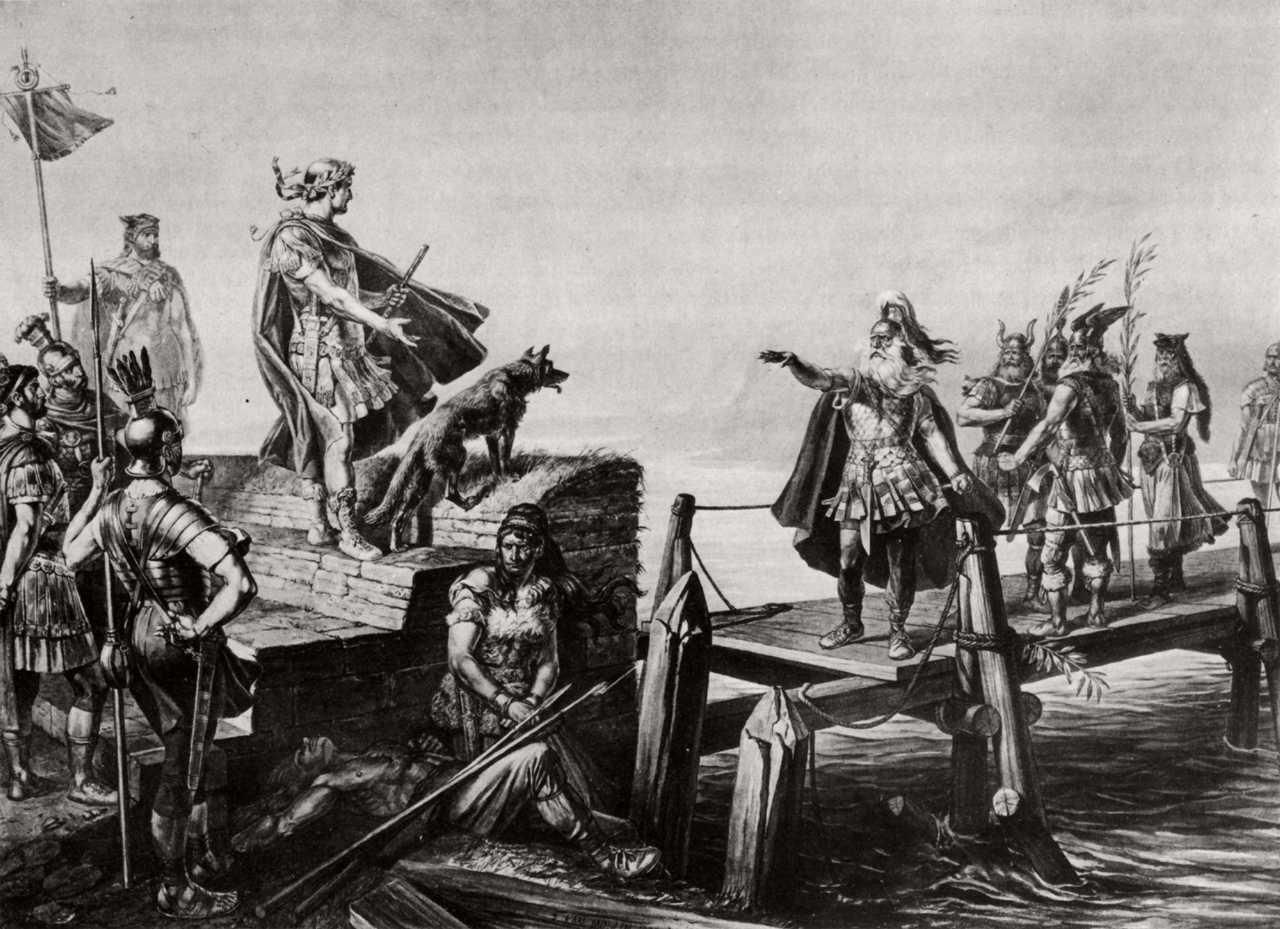
Switzerland's history dates back to the early Middle Ages, when it was a patchwork of feudal states. The Swiss Confederation was formed in 1291 as a defensive alliance against external threats, leading to a unique tradition of neutrality that continues today.

The country has evolved into a hub of diplomacy and finance, hosting numerous international organizations. Its diverse culture reflects influences from neighboring countries, with four national languages: German, French, Italian, and Romansh, showcasing its rich heritage.

Photo: Wikipedia / Wikimedia Commons