kiomigo
search
search
add New trip
Konya

Konya

Population: 2.000.000 Since: Founded around 3000 BC Price: Mid-range
accessible Accessibility: The city has some accessible areas but uneven pavements.

Introduction

Konya is a city steeped in history and spirituality, offering a unique blend of ancient traditions and modern life. Visitors are often struck by its serene atmosphere, where the echoes of Sufi mysticism resonate through its streets and landmarks.

The city is known for its stunning architecture, particularly the Seljuk-era structures that reflect its rich cultural heritage. While exploring, you'll find a warm hospitality that invites you to engage with the local community and experience the authentic Turkish lifestyle.

In pictures

Konya
Konya
Konya
Konya
Hercules Sarcophagus (c. 250–260) in the Konya Archaeological Museum
A marble statue of Nike, the Ancient Greek goddess located in Konya Archaeological Museum

Sightseeing

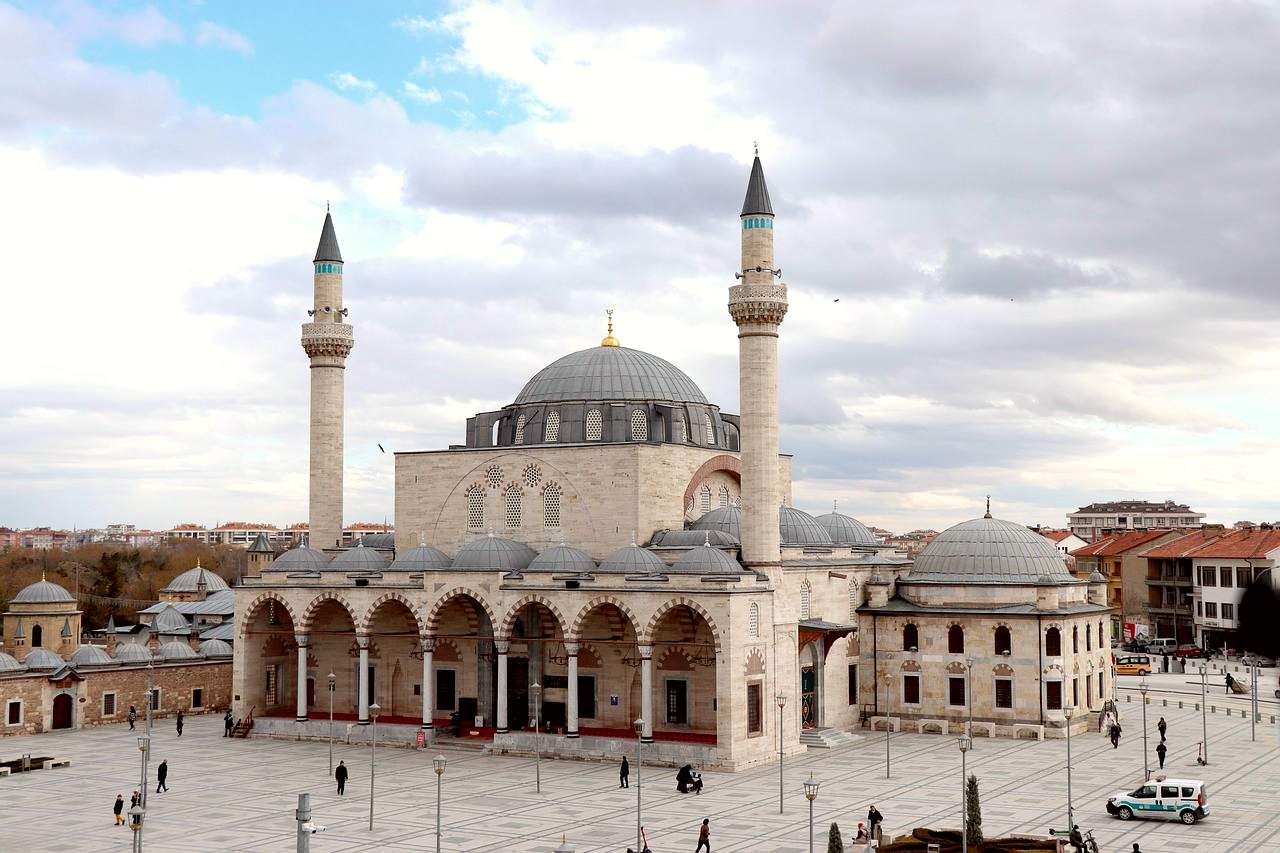
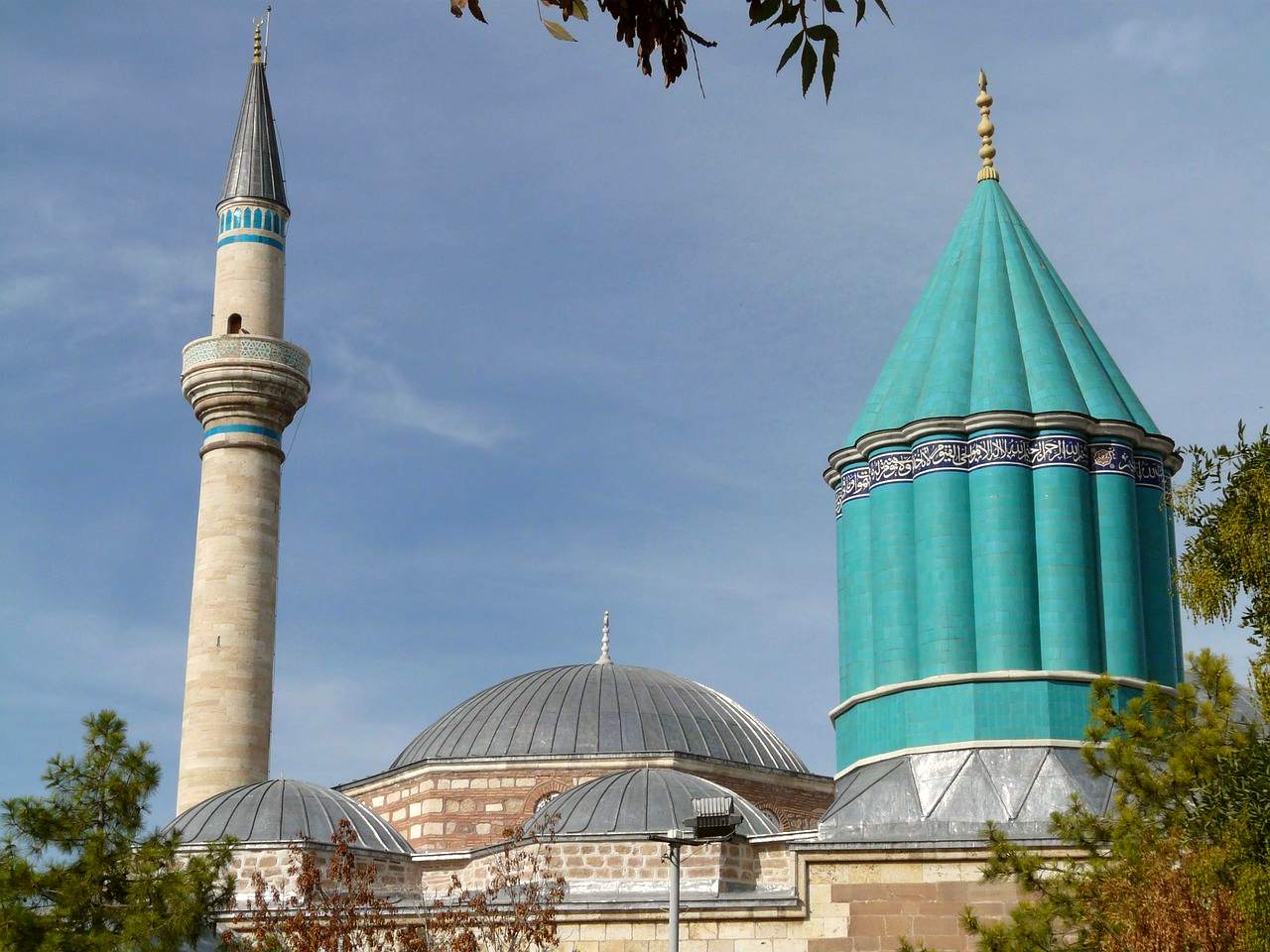
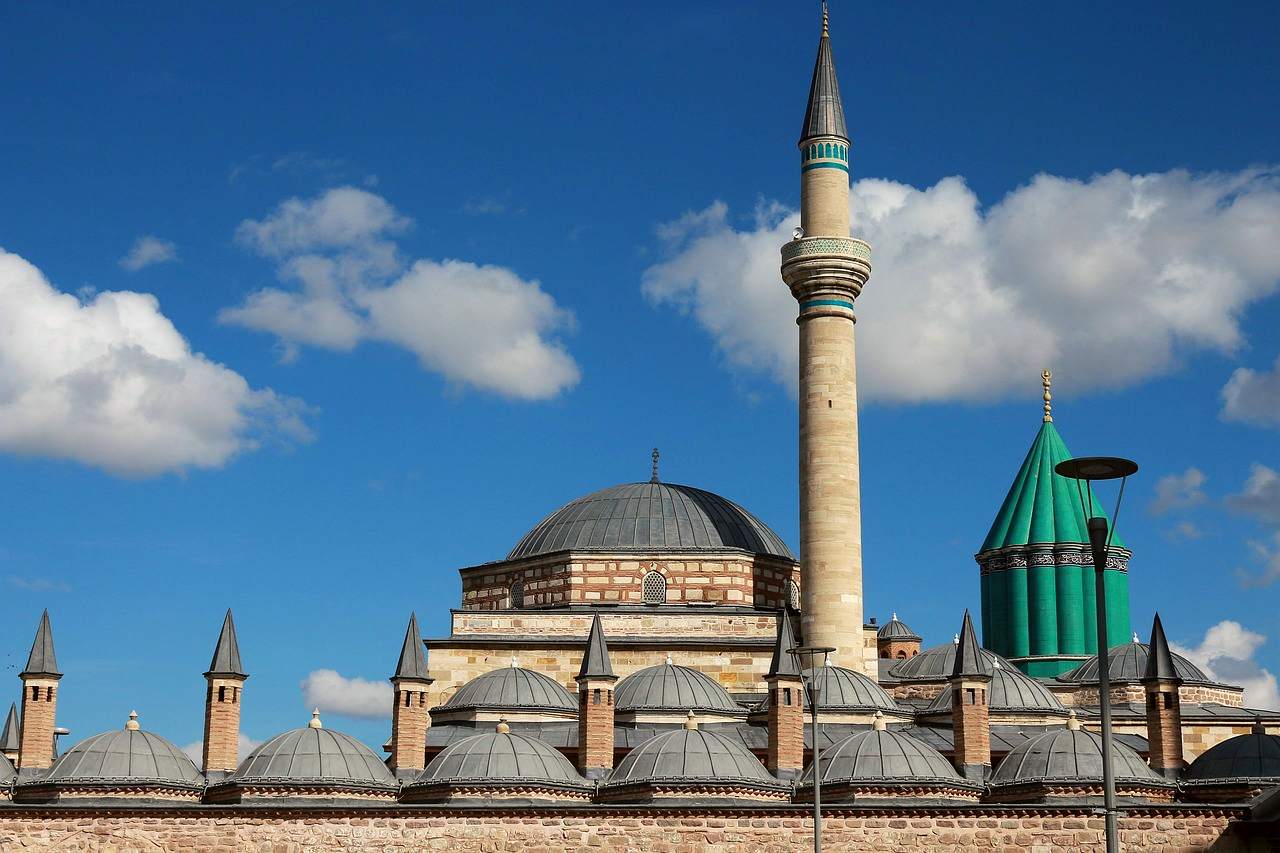
Mevlana Museum: the mausoleum of Rumi, a spiritual center
Alaeddin Mosque: a historic mosque with beautiful gardens
Karatay Medrese: an ancient theological school turned museum
Ince Minare Museum: a former medrese with intricate stonework
Sille Village: a charming village with historical significance
Konya Archaeological Museum: showcases artifacts from various eras
Tropikal Kelebek Bahçesi: a butterfly garden for nature lovers
Aziziye Mosque: a stunning example of Ottoman architecture

"A Journey Through Time and Spirit"Konya

Things to do

Explore the Mevlana Cultural Center: immerse in Sufi culture
Stroll through Alaeddin Hill: enjoy the park and views
Visit local bazaars: shop for traditional crafts and souvenirs
Attend a Whirling Dervishes ceremony: witness this spiritual dance
Take a day trip to Catalhoyuk: explore ancient Neolithic ruins

Local food and drinks

Etli Ekmek: a local flatbread topped with minced meat
Tirit: a traditional dish made with lamb and bread
Fırın Kebabı: slow-cooked lamb in a clay oven
Simit: a sesame-covered bread, perfect for snacks
Mevlana Coffee: a unique blend served in local cafes

Local traditions

Whirling Dervishes Festival: an annual event celebrating Sufi culture
Ramazan: the month of fasting, observed with communal meals
Local weddings: often elaborate, showcasing traditional customs
Sufi music nights: gatherings featuring traditional music and poetry
History - Konya

History

Konya's history dates back to ancient times, originally known as Iconium, and has been a significant center for various civilizations, including the Hittites and Romans. The city flourished during the Seljuk period, becoming a hub for trade and culture, particularly under the rule of Sultan Alaeddin Keykubad I.

In the 13th century, Konya became the home of the famous poet and philosopher Rumi, whose teachings still influence the city today. The remnants of its glorious past can be seen in the numerous historical sites scattered throughout, making it a fascinating destination for history enthusiasts.

Things to know

Be cautious of tourist traps near major attractions
Public transport can be limited, consider taxis
Dress modestly, especially when visiting religious sites
Summer can be extremely hot, plan accordingly

Do's and don'ts

Visit the Mevlana Museum for spiritual insight
Try local dishes at family-run restaurants
Engage with locals to learn about their culture
Explore the surrounding countryside for hidden gems
Don't rush your visit, take time to soak in the atmosphere
Don't ignore local customs, respect traditions
Don't rely solely on English, learn a few Turkish phrases
Don't miss the chance to try street food

Good to know

Accessibility: The city has some accessible areas but uneven pavements.
Price level: mid-range

Photo: Wikipedia / Wikimedia Commons