kiomigo
search
search
add Ny tur
Pamukkale

Pamukkale

Befolkning: 20.000 Siden: Founded around 190 BC Pris: Mid-range
accessible Tilgjengelighet: Some areas are wheelchair accessible, but not all

Introduksjon

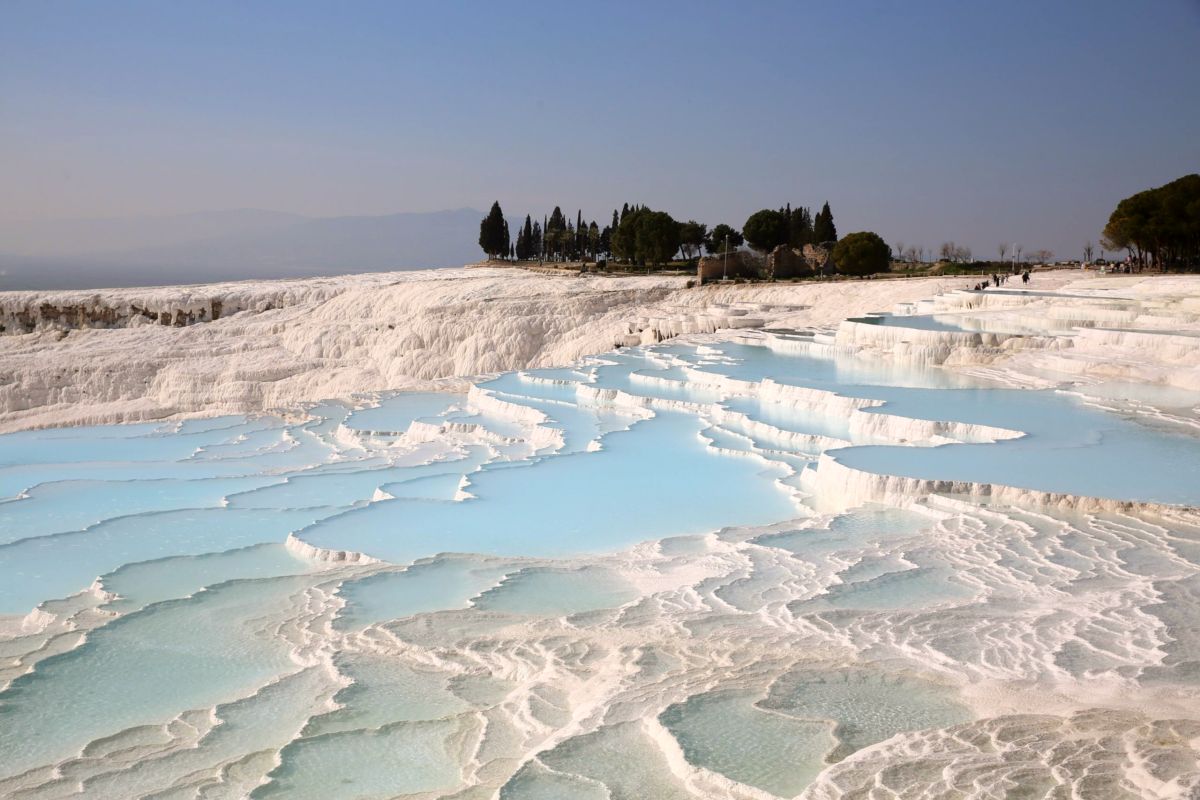
Pamukkale is a stunning destination known for its unique travertine terraces, formed by mineral-rich thermal waters. Visitors are often captivated by the bright white formations that resemble a frozen waterfall, creating a surreal landscape against the backdrop of lush greenery.

Beyond the terraces, the ancient ruins of Hierapolis add a historical depth to the experience. The combination of natural beauty and archaeological significance makes Pamukkale a must-visit, though it can get crowded during peak tourist seasons.

Sightseeing

Pamukkale Travertines: iconic white terraces formed by thermal waters
Hierapolis Ancient City: impressive ruins with a rich history
Cleopatra's Pool: a thermal pool surrounded by ancient columns
Hierapolis Theatre: well-preserved Roman theatre with stunning views
Pamukkale Nature Park: a serene area for relaxation and picnics

"Nature's Wonder and Ancient History"Pamukkale

Things to do

Soak in Cleopatra's Pool: enjoy the warm, mineral-rich waters
Explore Hierapolis: wander through ancient ruins and learn their history
Hike the travertine terraces: experience the unique formations up close
Visit the local market: shop for souvenirs and taste local delicacies

Lokal mat og drikke

Kebap: a must-try grilled meat dish
Pide: Turkish flatbread topped with various ingredients
Simit: a sesame-covered bread, perfect for snacks
Ayran: a refreshing yogurt drink, ideal for hot days
Baklava: a sweet pastry layered with nuts and honey

Lokale tradisjoner

Thermal bathing: a common practice for relaxation and health
Local festivals: celebrate harvests and cultural heritage
Traditional music: enjoy folk music performances during events
Handicrafts: local artisans create unique pottery and textiles
Historie - Pamukkale

Historie

Pamukkale's history dates back to ancient times when it was known as Hierapolis, founded in the 2nd century BC. The city flourished due to its thermal springs, attracting visitors seeking healing and relaxation.

Over the centuries, Hierapolis became a significant religious center, with numerous temples and monuments. The site was eventually abandoned, but its natural beauty and historical significance have made it a UNESCO World Heritage Site.

Verdt å vite

Expect large crowds during summer months, especially at the travertines
Wear water shoes to protect your feet on the terraces
Be cautious of slippery areas when walking on the travertines
Public transport can be limited, consider renting a car

Bør og bør ikke

Bring a camera to capture the stunning views
Respect the natural formations by not climbing on them
Try local dishes at nearby restaurants
Plan visits early in the morning or late afternoon for fewer crowds
Don't forget sunscreen, as the sun can be intense
Don't swim in the travertines, it's prohibited
Don't rush your visit; take time to explore
Don't ignore local customs and etiquette

Godt å vite

Tilgjengelighet: Some areas are wheelchair accessible, but not all
Price level: mid-range

Bilde: Wikipedia / Wikimedia Commons