kiomigo
search
search
add New trip
Bahamas

Bahamas

Capital: Nassau Currency: Bahamian Dollar Language: English Best time: December to April Population: 400.000 Price: Expensive
accessible Accessibility: Some areas are wheelchair accessible, but many are not.

Introduction

The Bahamas is a stunning archipelago known for its crystal-clear waters and vibrant marine life. With over 700 islands, each offers unique experiences, from bustling Nassau to the serene Exuma Cays. Travelers can enjoy a laid-back atmosphere, perfect for relaxation and adventure alike.

However, be prepared for the high cost of living, especially in tourist areas. While the beaches are breathtaking, some islands may lack amenities, so planning ahead is essential to ensure a comfortable stay.

In pictures

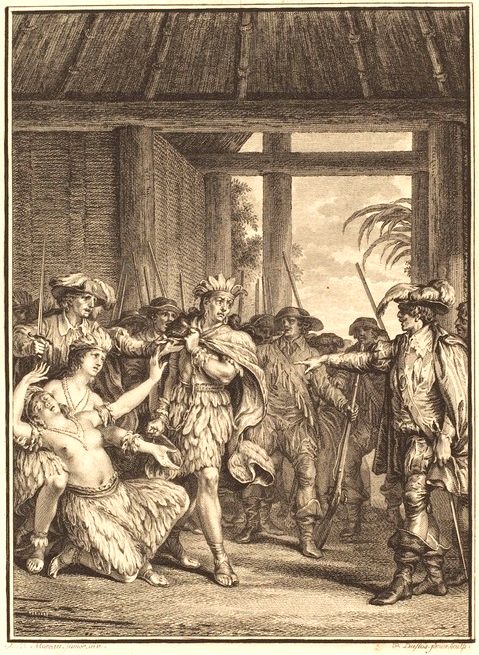
Continental Marines land at New Providence during the Battle of Nassau in 1776
Sign at Bill Baggs Cape Florida State Park commemorating hundreds of African-American slaves who escaped to freedom in the early 1820s in the Bahamas
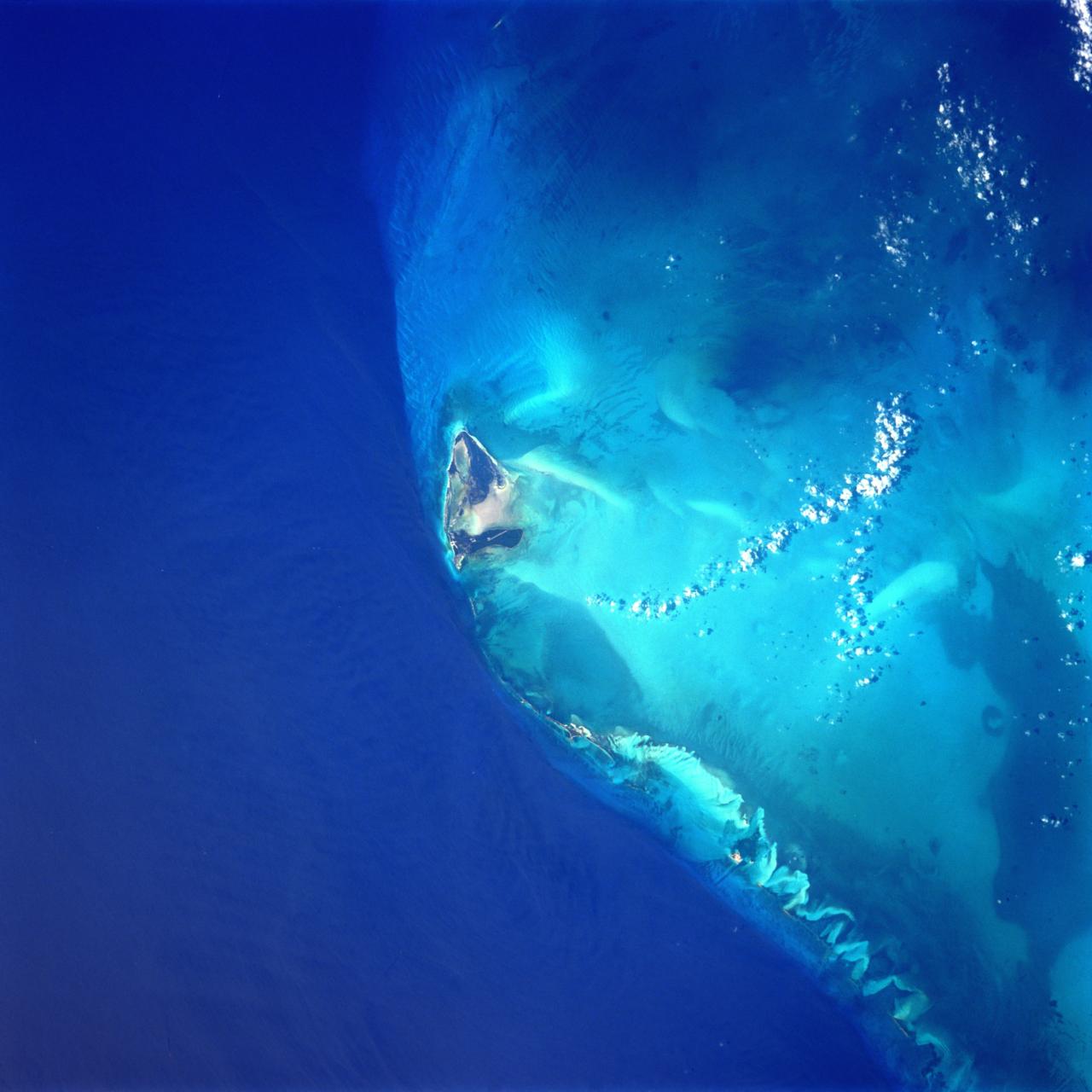
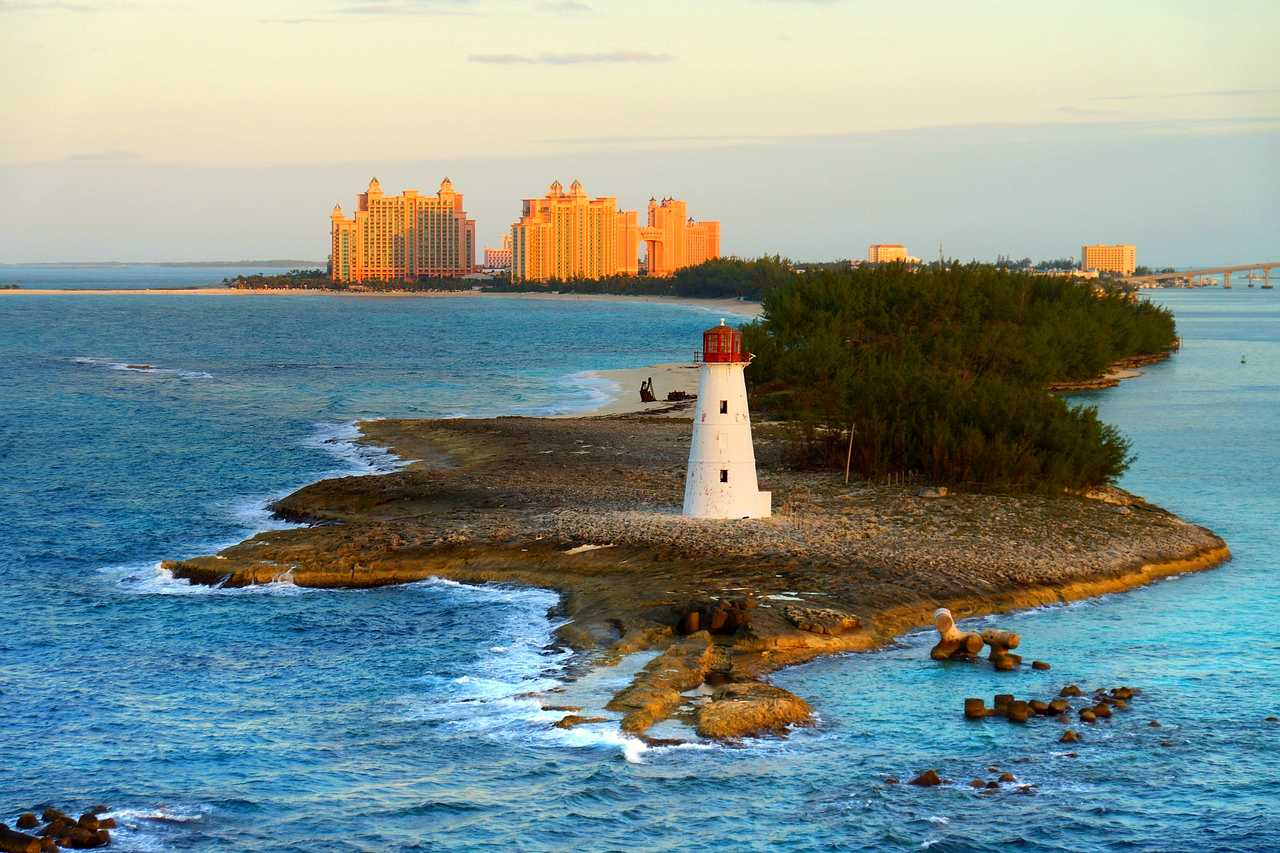
The lighthouse in Great Isaac Cay
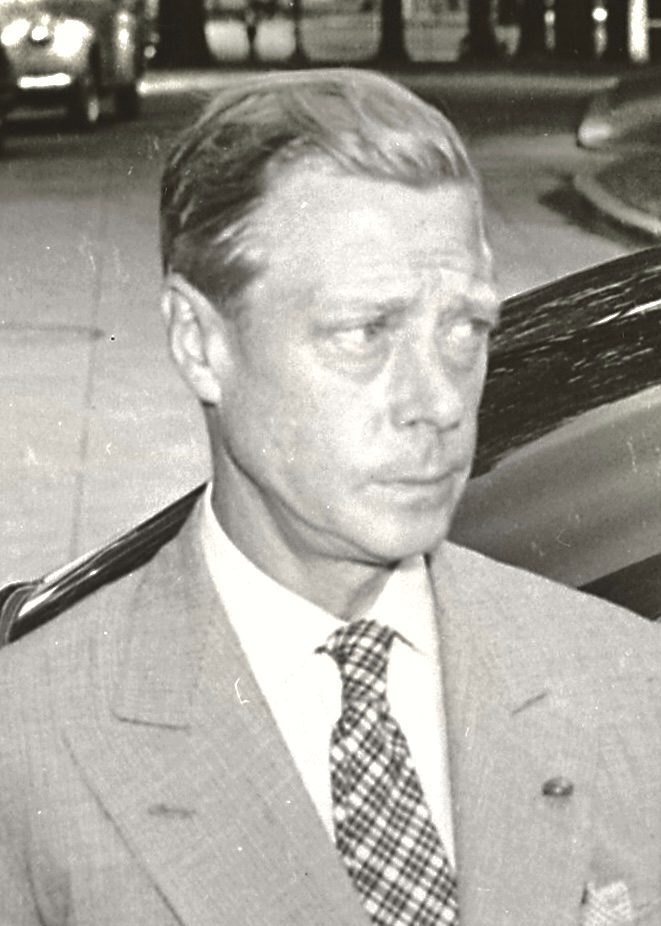
The Duke of Windsor and Governor of the Bahamas from 1940 to 1945
Hurricane Dorian's destruction in the Bahamas
Dean's Blue Hole in Clarence Town on Long Island, Bahamas
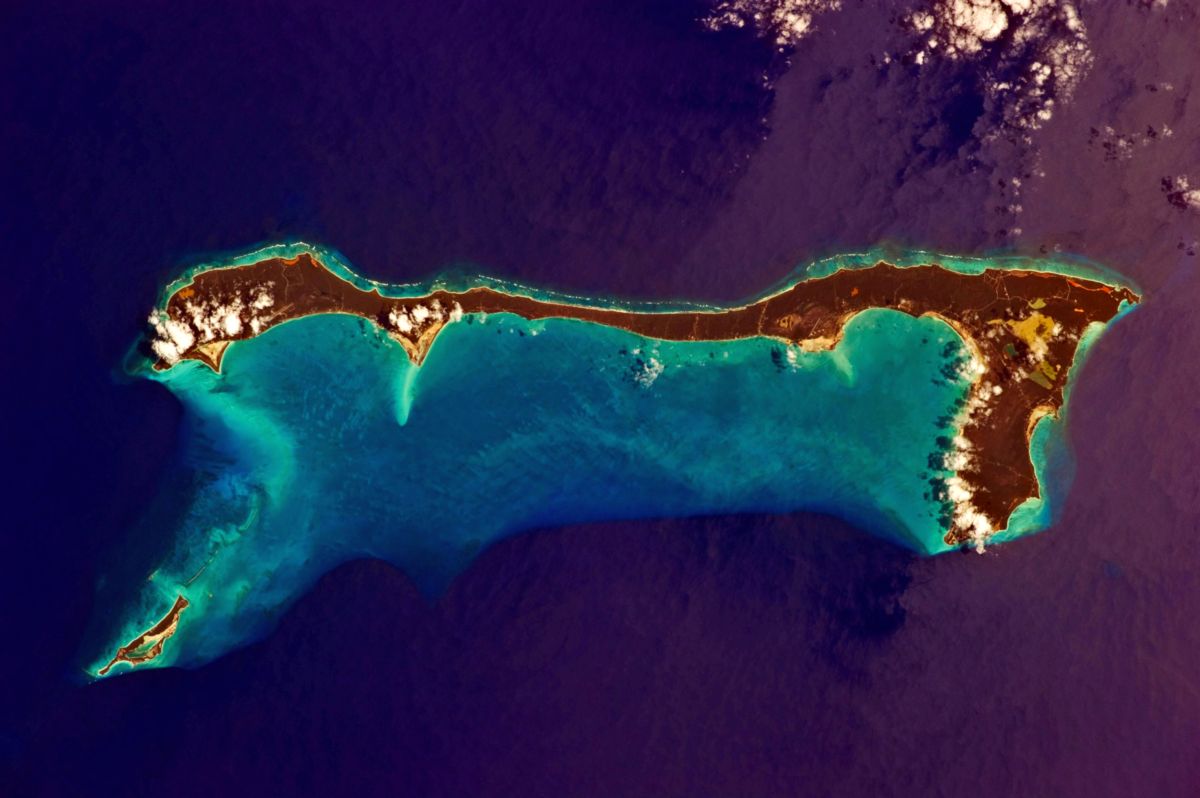
The Blue Lagoon Island, Bahamas
Bahamas

Sightseeing

Nassau: the capital city with rich history and culture
Exuma Cays: famous for swimming pigs and stunning beaches
Harbour Island: known for its pink sand beaches
Andros Island: the largest island, great for diving
Blue Hole: a natural underwater sinkhole, perfect for exploration
The Queen's Staircase: a historic landmark in Nassau
The Cloisters: a beautiful garden and museum in Paradise Island
Fort Charlotte: an 18th-century fort with panoramic views

"Discover paradise in the Caribbean"Bahamas

Things to do

Snorkeling: explore vibrant coral reefs and marine life
Scuba diving: discover underwater caves and shipwrecks
Island hopping: visit various islands for unique experiences
Fishing: try your luck at deep-sea fishing
Beach lounging: relax on some of the world's best beaches
Cultural tours: learn about Bahamian history and traditions
Water sports: enjoy kayaking, paddleboarding, and jet skiing
Local markets: shop for handmade crafts and souvenirs
Local food and drinks - Bahamas

Local food and drinks

Conch fritters: a must-try appetizer, found in local restaurants
Rock lobster: enjoy fresh seafood at beachside shacks
Bahama Mama: a fruity cocktail best enjoyed at sunset
Peas n' rice: a traditional side dish served with many meals
Bahamian stew fish: a flavorful dish, perfect for lunch
Rum cake: a sweet treat, often found in local bakeries
Local traditions - Bahamas

Local traditions

Junkanoo: a vibrant festival with music and dance, held on Boxing Day and New Year's Day
Bahamian Independence Day: celebrated on July 10 with parades and festivities
Fishing tournaments: a popular local event showcasing fishing skills
Rake and Scrape: a unique music style using saws and drums
Cultural storytelling: an important tradition passed down through generations
History - Bahamas

History

The Bahamas has a rich history that dates back to the Lucayan Taíno people, who inhabited the islands before European contact. Christopher Columbus arrived in 1492, claiming the islands for Spain, which led to the decline of the indigenous population due to disease and enslavement.

In the 17th century, the islands became a haven for pirates and later British loyalists. The Bahamas gained independence from Britain in 1973, establishing a parliamentary democracy. Today, the country is known for its tourism and financial services, while still celebrating its diverse cultural heritage.

Basic information

Capital: Nassau
Language: English
Currency: Bahamian Dollar
Best time to visit: December to April

Travel information

Fly into Nassau or Freeport for international access Renting a car is common, but roads can be narrow Public transportation is limited, consider taxis or ferries Credit cards are widely accepted, but cash is useful Wi-Fi is available in most hotels and cafes

Things to know

Expect higher prices in tourist areas, budget accordingly
Be cautious of street vendors, as some may overcharge
Hurricane season runs from June to November, check forecasts
Respect local customs and dress modestly in certain areas
Some islands may have limited medical facilities, plan ahead

Do's and don'ts

Try local dishes at family-run restaurants
Engage with locals to learn about their culture
Respect the environment, especially marine life
Participate in local festivals for an authentic experience
Use sunscreen to protect against strong sun exposure
Don't litter, as the islands are known for their natural beauty
Don't assume all islands have the same amenities
Don't engage in illegal activities, as laws are strict
Don't take photos of locals without permission
Don't forget to tip service workers, it's appreciated

Good to know

Accessibility: Some areas are wheelchair accessible, but many are not.
Price level: expensive

Photo: Wikipedia / Wikimedia Commons