kiomigo
search
search
add New trip
Barbados

Barbados

Capital: Bridgetown Currency: Barbadian Dollar Language: English Best time: December to April Population: 287.000 Price: Mid-range
accessible Accessibility: Most areas are accessible, but some beaches may be challenging.

Introduction

Barbados is a vibrant Caribbean island known for its stunning beaches, rich culture, and warm hospitality. Travelers can enjoy a mix of relaxation and adventure, from lounging on pristine sands to exploring lush landscapes and historical sites.

The island's friendly locals and laid-back atmosphere make it an inviting destination. However, be prepared for occasional rain showers and fluctuating prices, especially during peak tourist seasons.

In pictures

The cultivation of sugar cane, such as the cane growing in this field outside Saint Andrew, has always been a big part of the island's economy.
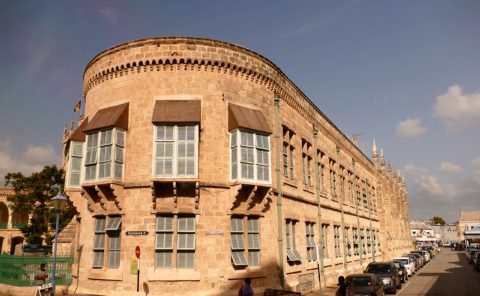
The Elsie Payne Complex at the Barbadian Ministry of Education.
The independent Woolworth store on Prince William Henry Street, Bridgetown
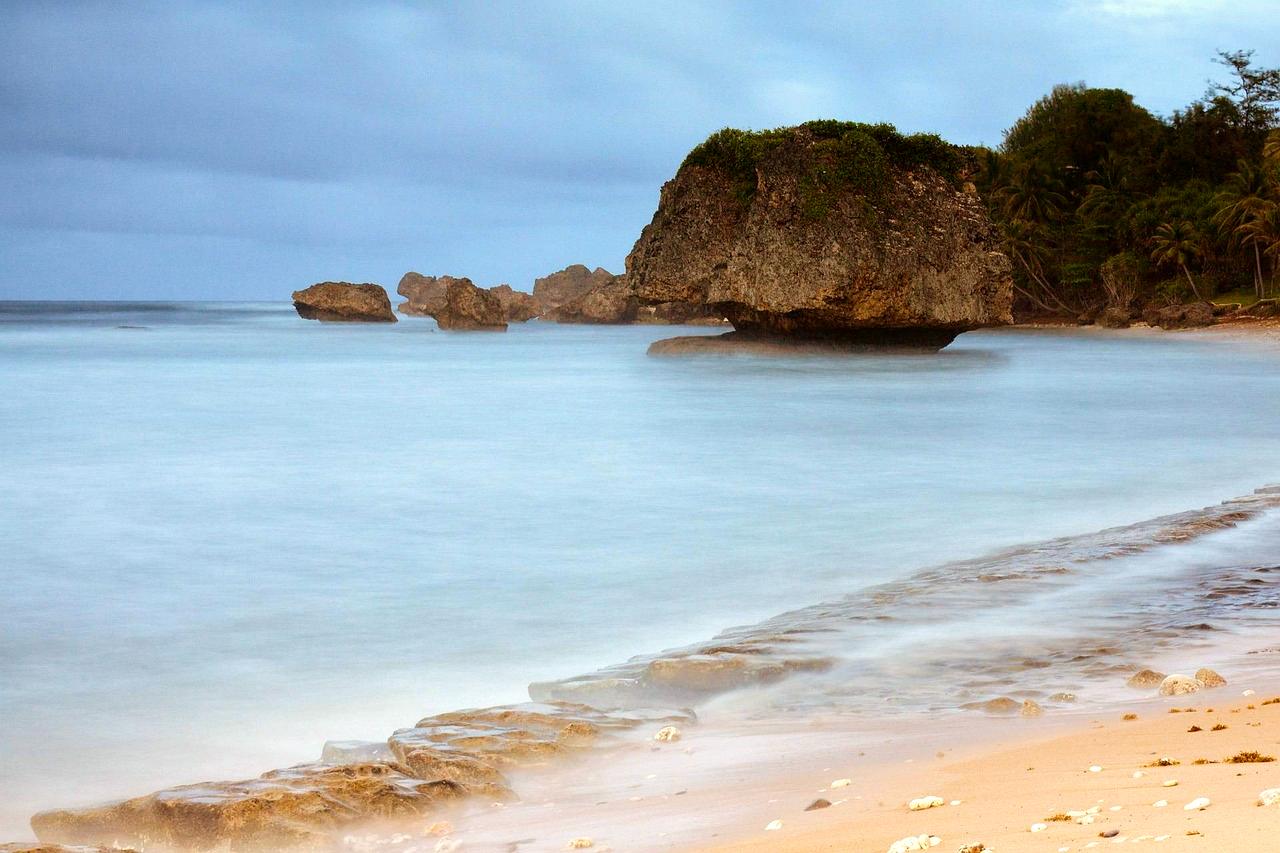
Bathsheba, Saint Joseph
The two 1997 Hino ACME minibuses on the ABC Highway close to the Garfield Sobers Roundabout (sponsored by the then Mutual Life of Barbados; now Sagicor) on 20 November 2000.
Barbados
Barbados
Barbados

Sightseeing

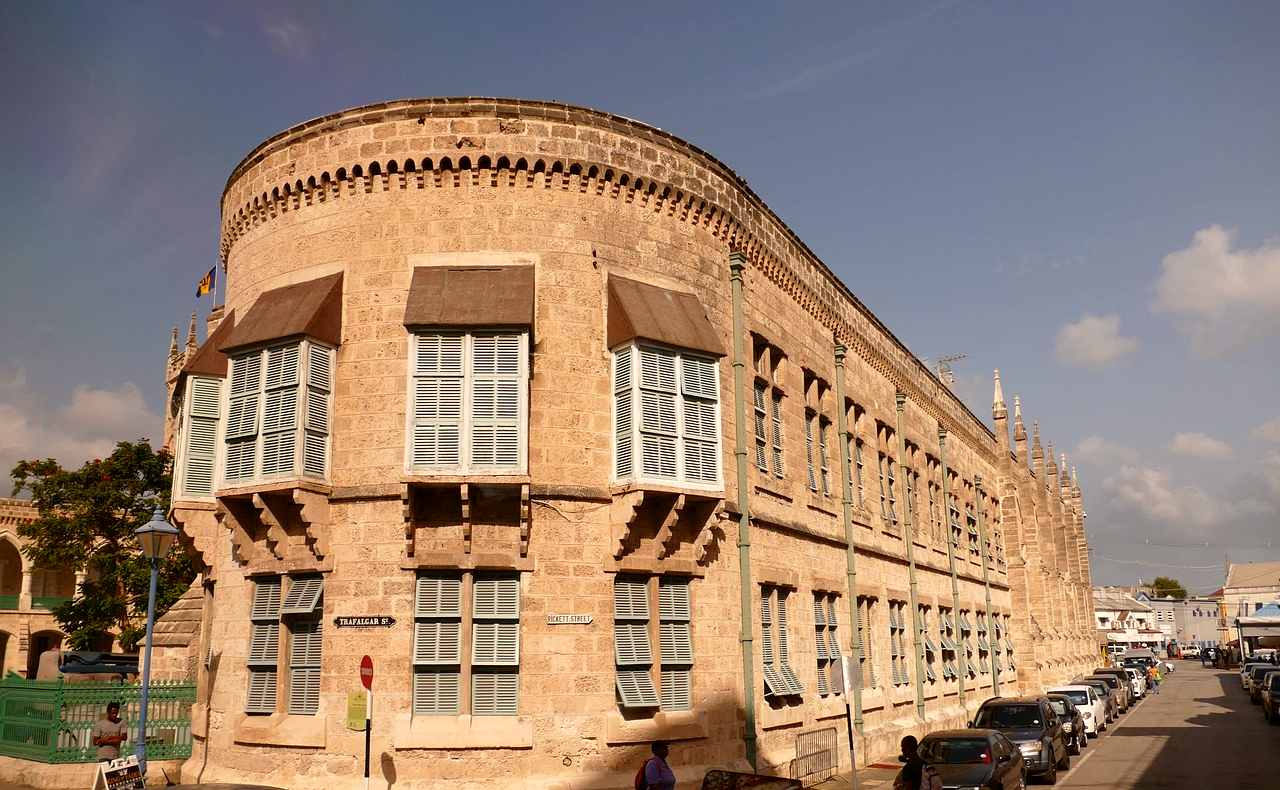
Bridgetown: the capital city with colonial architecture
Harrison's Cave: stunning limestone caverns to explore
Bathsheba: famous for its rugged coastline and surf
St. Nicholas Abbey: a historic plantation house and rum distillery
Animal Flower Cave: natural sea cave with breathtaking views
Oistins Fish Fry: a lively evening market with local seafood
Mount Gay Rum Distillery: learn about rum production and tasting
Andromeda Botanic Gardens: a beautiful collection of tropical plants

"Explore the beauty of Barbados"Barbados

Things to do

Snorkel with sea turtles: a must-do experience
Visit local markets: immerse in the island's culture
Explore the island's caves: adventure awaits underground
Attend a local festival: experience vibrant Bajan culture
Take a rum tour: learn about the island's rum heritage
Relax on the beach: unwind at stunning shorelines
Local food and drinks - Barbados

Local food and drinks

Flying Fish: the national dish, best enjoyed at local eateries
Cou-Cou and Flying Fish: a traditional meal, try it on Fridays
Macaroni Pie: a baked pasta dish, popular at family gatherings
Rum Punch: a refreshing cocktail, perfect for beach days
Bajan Fish Cakes: savory snacks, found at street vendors
Banks Beer: local brew, ideal for cooling off
Local traditions - Barbados

Local traditions

Crop Over Festival: a summer celebration of harvest
Oistins Fish Festival: honoring local fishing culture
Kadooment Day: vibrant parade marking the end of Crop Over
Bajan Christmas: unique local customs and celebrations
Traditional Sunday Lunch: family gatherings with special dishes
History - Barbados

History

Barbados was first settled by the British in 1627, becoming a sugar-producing powerhouse in the Caribbean. The island's economy thrived on plantation agriculture, heavily relying on enslaved Africans, which shaped its cultural landscape.

In 1966, Barbados gained independence from Britain, evolving into a parliamentary democracy. Today, it balances its colonial past with a vibrant cultural identity, reflected in its music, art, and festivals.

Basic information

Capital: Bridgetown
Language: English
Currency: Barbadian Dollar
Best time to visit: December to April

Travel information

Fly into Grantley Adams International Airport for international access Renting a car is common, but be cautious of local driving habits Public transport includes buses and taxis, but services can be limited Credit cards are widely accepted, but cash is useful for small purchases Mobile connectivity is good, with several local providers available

Things to know

Don't expect all beaches to be public; some are private
Be cautious of sun exposure; the sun can be intense
Watch for jellyfish warnings when swimming
Respect local customs, especially during religious events
Tipping is customary, usually around 10-15%

Do's and don'ts

Try local dishes at family-run restaurants
Engage with locals to learn about their culture
Respect the environment, especially marine life
Participate in local festivals for a true experience
Use sunscreen to protect against strong sun
Don't haggle aggressively at markets; it's considered rude
Don't swim in areas with warning signs for safety
Don't assume all beaches are free; check access
Don't interrupt locals during religious ceremonies
Don't litter; keep the island clean

Good to know

Accessibility: Most areas are accessible, but some beaches may be challenging.
Price level: mid-range

Photo: Wikipedia / Wikimedia Commons