Newfoundland and Labrador
 Jun–Augbest time
10 daysplan for
Yeswith kids
Jun–Augbest time
10 daysplan for
Yeswith kids
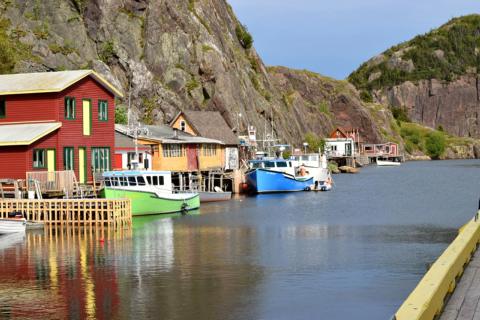
Newfoundland and Labrador is a captivating blend of rugged coastlines, vibrant culture, and rich history. Travelers can explore stunning national parks, picturesque fishing villages, and the unique landscapes shaped by the North Atlantic. The region is known for its friendly locals and a slower pace of life, making it an ideal destination for those seeking an authentic experience.
Read more
From the dramatic cliffs of Gros Morne National Park to the colorful row houses of St. John's, there is much to see and do. However, be prepared for unpredictable weather and limited services in remote areas, which can impact travel plans. It's wise to plan ahead and check local conditions.
Sightseeing
Local food and drinks
Local traditions
Practical
At a glance
- Best time
- June to September
History
Newfoundland and Labrador has a rich history that dates back thousands of years, with Indigenous peoples inhabiting the region long before European contact. The Vikings established a settlement at L'Anse aux Meadows around 1000 AD, marking one of the earliest known European presences in North America. The region later became a key fishing ground for European nations, particularly the British and French.
In 1949, Newfoundland joined Canada as its tenth province, a significant event that shaped its modern identity. The province has faced economic challenges, but its resilient spirit and strong cultural heritage continue to thrive. Travelers can explore this history through museums, historic sites, and local stories.