search
search
add New trip
Northwest Territories

Northwest Territories

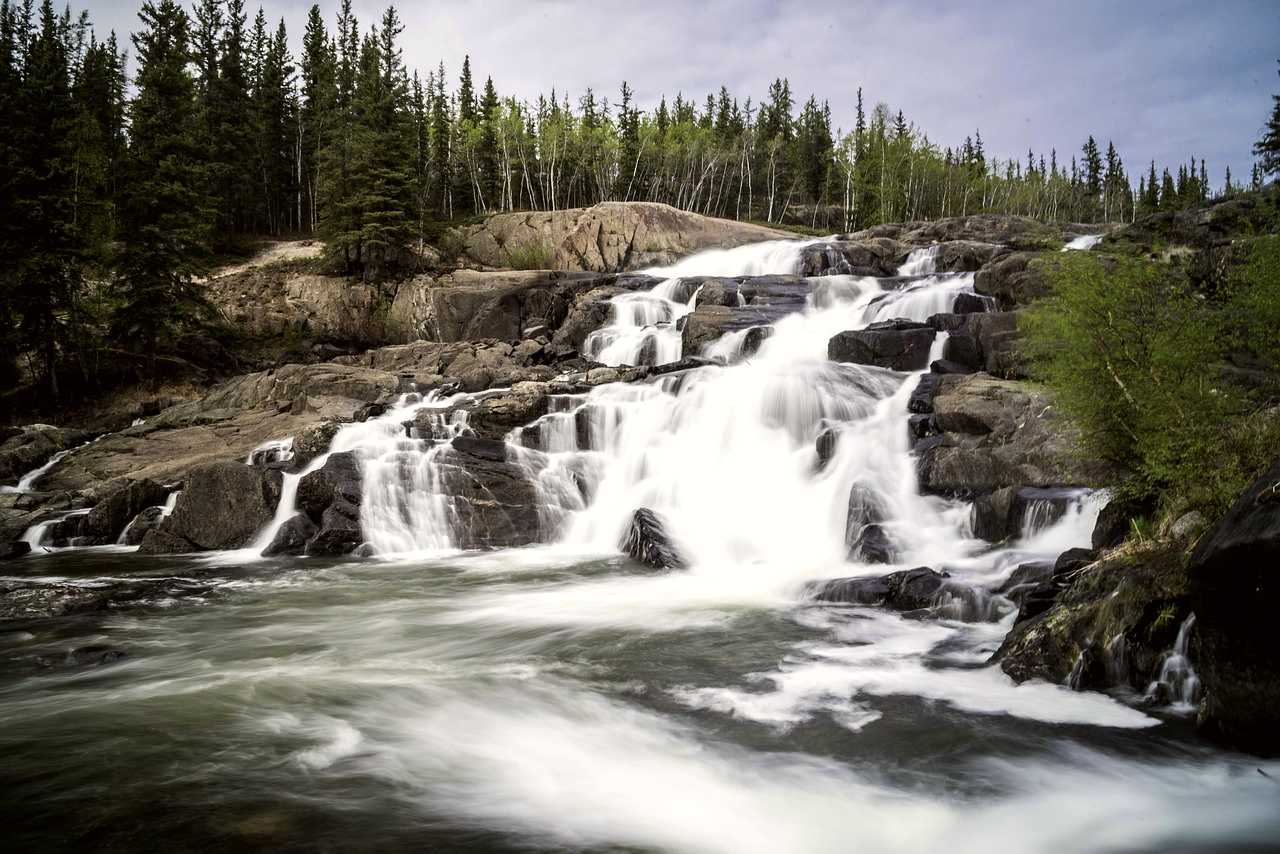
brigachtal · Pixabay
CA calendar_monthJun–Augbest time schedule7 daysplan for child_careYeswith kids
Northwest TerritoriesYour own route Plan a trip here →

The Northwest Territories is a vast and rugged region in Canada, offering travelers stunning landscapes, rich Indigenous cultures, and unique wildlife experiences. From the breathtaking Northern Lights to the serene beauty of the Great Slave Lake, this area is perfect for adventure seekers and nature lovers alike.

Read more

Visitors can explore the historic towns, engage with local communities, and immerse themselves in outdoor activities like hiking, fishing, and canoeing. However, be prepared for remote areas with limited services and unpredictable weather, especially in winter months.

In pictures

Northwest Territories Goodfreephotos com · Pixabay
Northwest Territories Natstradamus · Pixabay
Northwest Territories willamlee · Pixabay
Northwest Territories Goodfreephotos com · Pixabay

Sightseeing

Nahanni National Park Reserve: a UNESCO World Heritage site featuring deep canyons and Virginia Falls, which drop 90 meters. The park is best visited in late spring to early fall when the weather is milder.
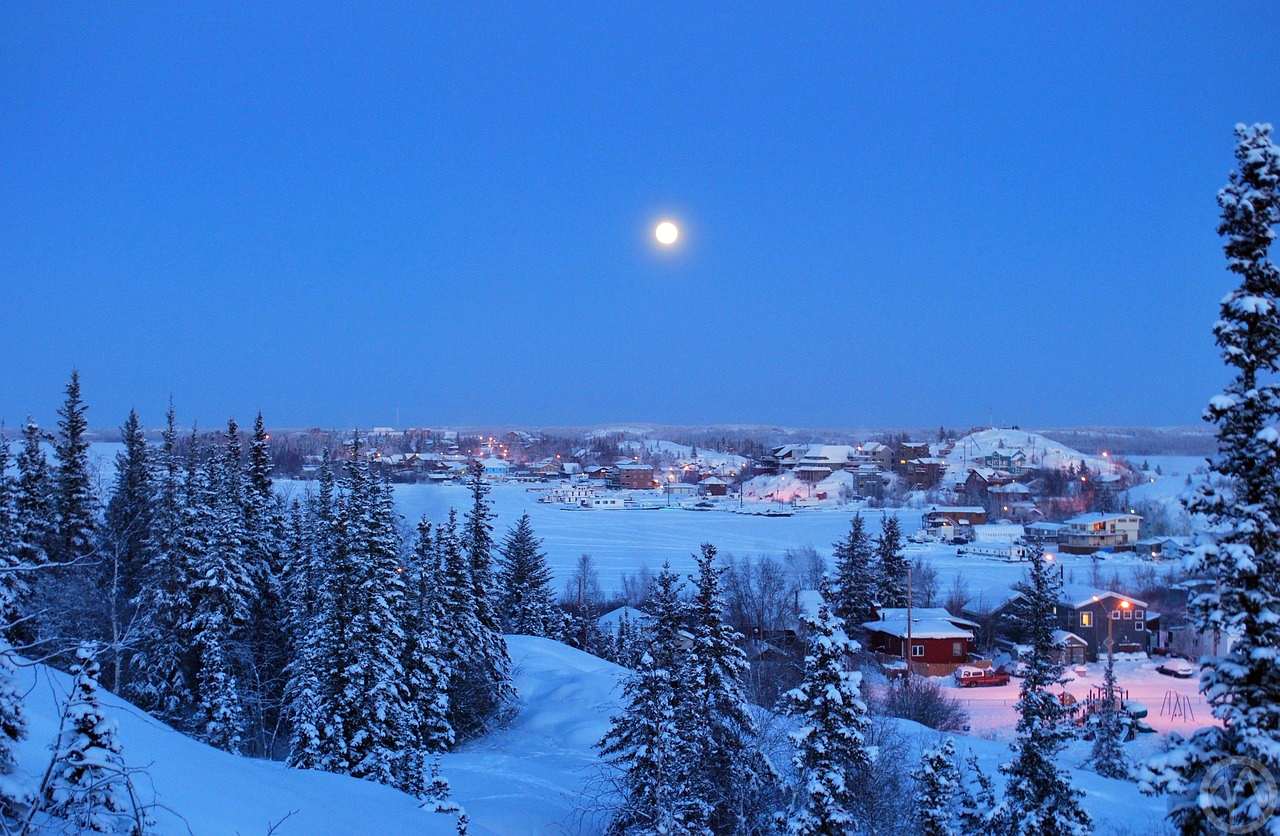
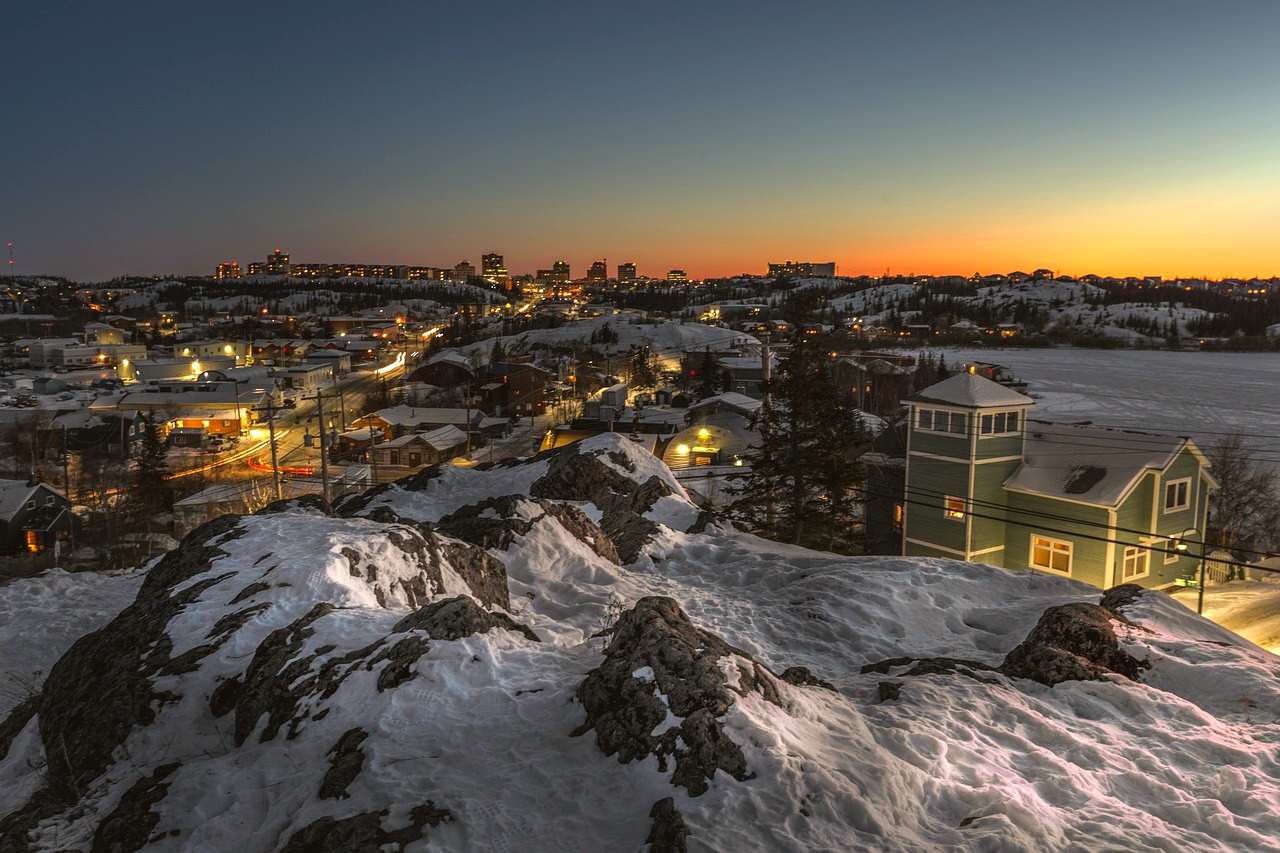
Yellowknife: the capital known for its art galleries and the annual Snowking Winter Festival, held in March. Be prepared for cold temperatures and dress warmly if you visit during this time.
Great Slave Lake: one of the largest lakes in North America, popular for fishing and boating in summer. The lake's fishing season typically runs from late June to early September.
Wood Buffalo National Park: home to the world's largest herd of free-roaming bison, with opportunities for wildlife viewing. The park is best explored in summer when the roads are more accessible.
Inuvik: a unique town above the Arctic Circle, famous for its Midnight Sun and the Inuvik-Tuktoyaktuk Highway, which opened in 2017. The best time to experience the Midnight Sun is from late May to mid-July.
Fort Smith: the gateway to Wood Buffalo National Park, with access to the Slave River and its rapids. Summer is ideal for rafting and canoeing.
Tuktoyaktuk: a community on the Arctic Ocean, known for its traditional Inuit culture and the annual Tuktoyaktuk Christmas Festival. The festival usually takes place in early December, so plan accordingly.
The Dempster Highway: a scenic drive through diverse landscapes, best traveled in summer for clear views and accessible road conditions. Be aware that road conditions can change rapidly, so check for updates before your trip.

"Explore the Wild North"Northwest Territories

Local food and drinks

Muktuk: traditional Inuit dish of whale skin and blubber
Caribou: a staple meat in Indigenous diets
Arctic Char: a delicious fish found in local waters
Bannock: a type of flatbread enjoyed by many communities
Wild berries: such as blueberries and cloudberries, often used in desserts

Local traditions

National Indigenous Peoples Day: celebrates Indigenous cultures
Folk on the Rocks: a summer music festival in Yellowknife
The Great Northern Arts Festival: showcases Indigenous art and culture
Winter festivals: featuring snow sculptures and traditional games

Chasing the Northern Lights

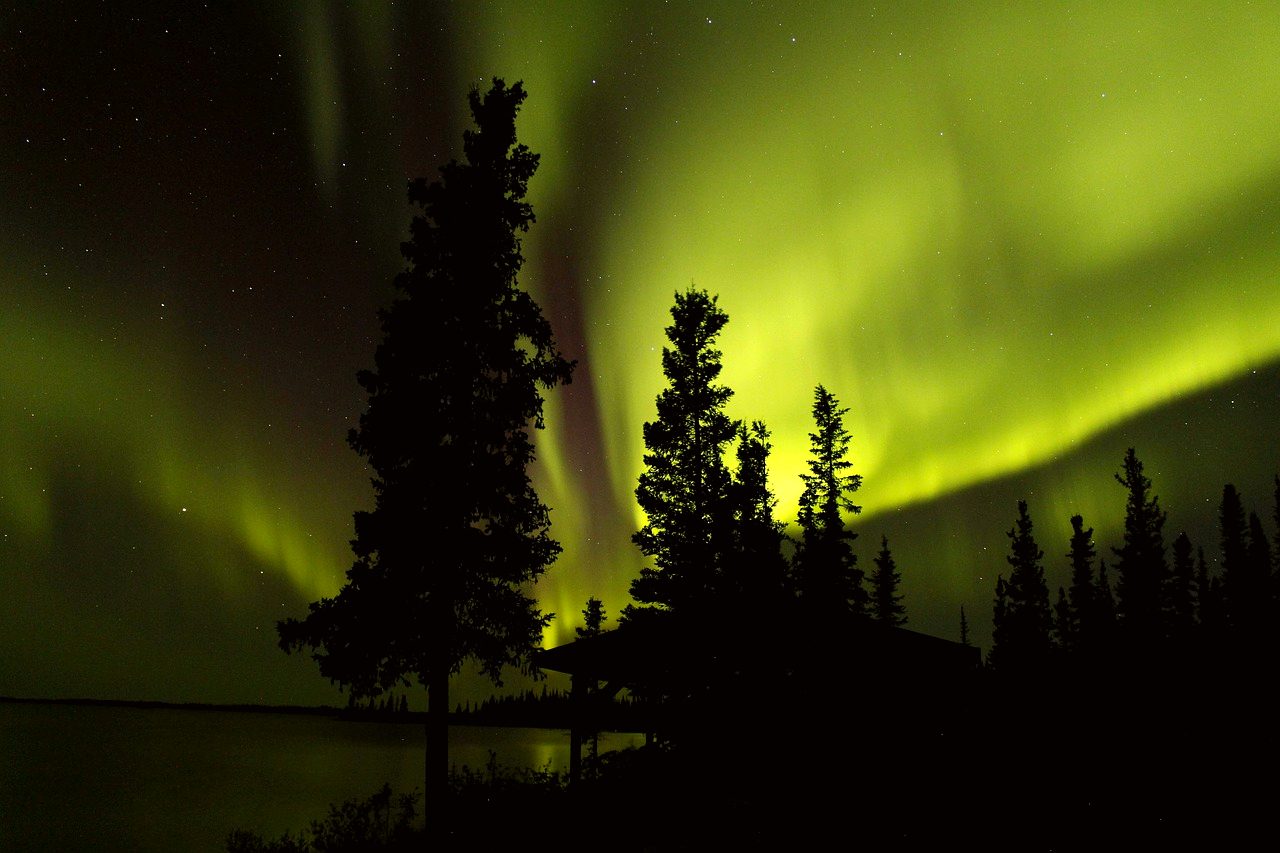
The Northwest Territories offers a front-row seat to the Northern Lights, especially in winter months. Head to places like Yellowknife, where the clear skies provide optimal viewing conditions. Bundle up and find a cozy spot outside, perhaps near a warm fire, to watch the green and purple hues dance across the sky. Keep in mind that temperatures can drop significantly, so dress in layers and be prepared for chilly nights. The experience is unforgettable, but patience is key as the lights can be elusive.

Exploring Great Slave Lake

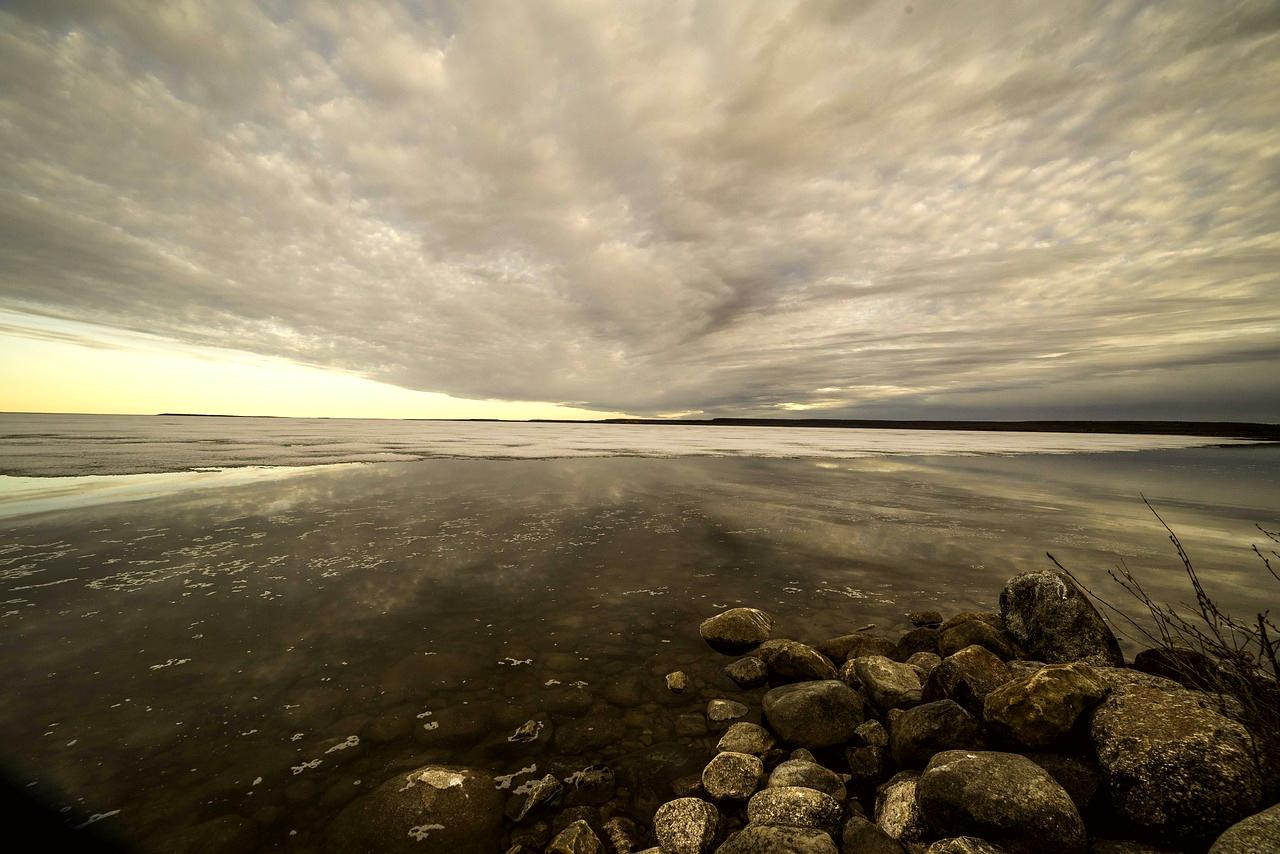
Great Slave Lake is a massive body of water that invites exploration. In summer, you can rent a canoe or kayak to paddle its waters, while winter brings opportunities for ice fishing. The lake is surrounded by rugged landscapes, making it a great spot for photography. Be aware that services can be limited, so plan ahead for supplies. The lake's beauty is captivating, but the weather can change quickly, so keep an eye on forecasts.

Indigenous Culture and Heritage

The Northwest Territories is home to diverse Indigenous cultures, each with its own traditions and stories. Visit local communities to learn about their history and art. In places like Fort Providence, you can find traditional crafts and perhaps even participate in cultural events. Be respectful and open to learning, as these experiences can be deeply enriching. However, remember that some areas may require advance permission for visits, so it's wise to check ahead.

Practical

At a glance

Best time
June to September
history_eduHistoryexpand_more

The Northwest Territories has a rich history shaped by Indigenous peoples, including the Dene, Inuvialuit, and Métis. European exploration began in the 18th century, leading to fur trading and the establishment of trading posts, which significantly impacted local communities.

In 1870, the region became part of Canada, and over the years, it has evolved politically and socially. The establishment of the Northwest Territories government in 1999 allowed for greater self-governance, reflecting the diverse cultures and histories of its inhabitants.

Photo: brigachtal · Pixabay Content License · Pixabay

Photo credits (4)