kiomigo
search
search
add Nuevo viaje
Iqaluit

Iqaluit

Población: 8.000 Desde: Founded in the 1950s Precio: Expensive
accessible Accesibilidad: Limited mobility options, some areas may be challenging

Introducción

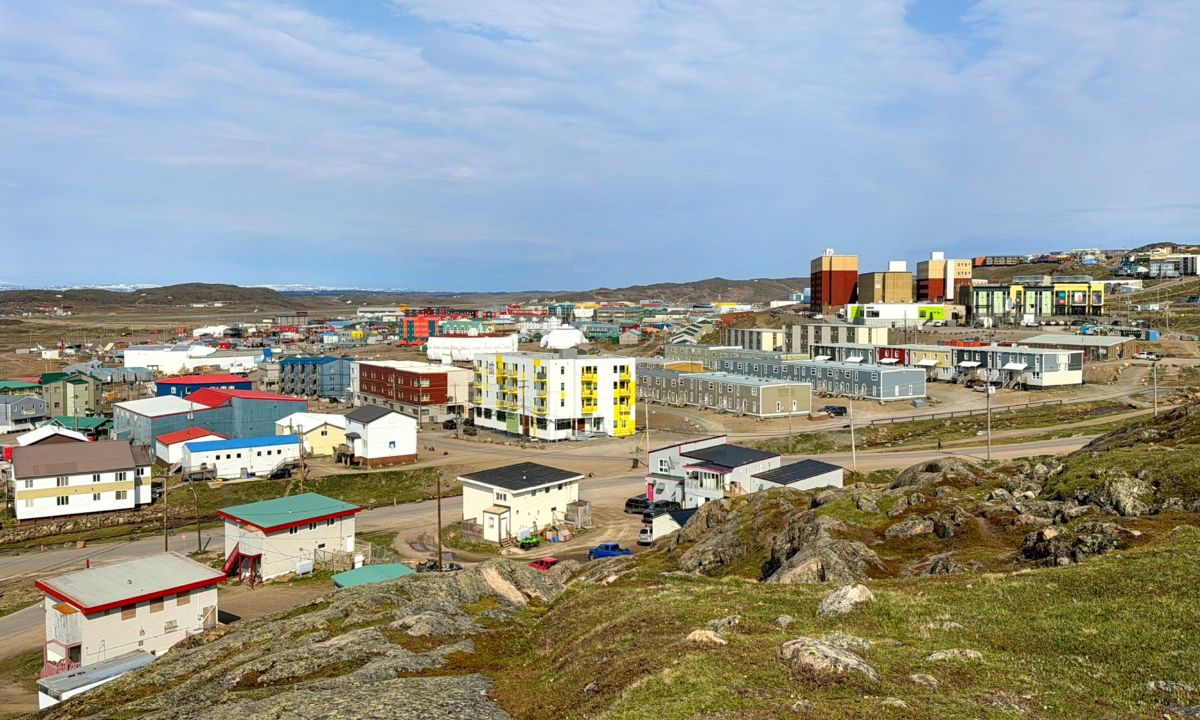
Iqaluit, the capital of Nunavut, offers a unique blend of Arctic culture and modernity. Visitors are greeted by stunning landscapes, vibrant local art, and a close-knit community that thrives in one of the most remote regions of Canada.

The city is a gateway to the breathtaking beauty of the tundra and the surrounding waters. However, the harsh climate and limited amenities can be challenging for some travelers, making it essential to plan ahead and embrace the local way of life.

Sightseeing

Legislative Assembly of Nunavut: a striking building showcasing local architecture
Iqaluit Art Gallery: features Inuit art and cultural exhibits
Unikkaarvik Visitor Centre: offers insights into local history and culture
Naujaat: a nearby community known for its stunning landscapes
Frobisher Bay: a picturesque bay perfect for photography
Iqaluit Harbour: a bustling area with local fishing boats and wildlife

"Experience the Arctic's Heart and Soul"Iqaluit

Things to do

Explore the tundra: experience the vast, untouched landscapes
Visit local galleries: discover Inuit art and craftsmanship
Take a guided tour: learn about the history and culture from locals
Attend community events: immerse yourself in local traditions and celebrations
Go kayaking: enjoy the serene waters of Frobisher Bay

Comida y bebida local

The Store: offers local snacks and essentials
Tundra Restaurant: serves traditional Inuit dishes
The Arctic Char: a local favorite for fresh fish
Iqaluit Coffee Shop: a cozy spot for coffee and pastries

Tradiciones locales

Nunavut Day: celebrates the culture and heritage of the region
Winter Festivals: showcase traditional games and activities
Inuit storytelling: an important cultural practice shared in gatherings
Historia - Iqaluit

Historia

Iqaluit was established as a trading post in the 1950s and has since evolved into a vibrant capital city. Originally known as Frobisher Bay, it was renamed Iqaluit in 1987, reflecting its Inuit heritage.

The city has grown rapidly due to its strategic location and serves as a hub for government and commerce in Nunavut. Despite its modern developments, Iqaluit retains a strong connection to its Indigenous roots, making it a fascinating place to explore.

Cosas que saber

Expect limited services: amenities can be sparse, especially in winter
Plan for the weather: temperatures can drop significantly, so dress appropriately
Be mindful of wildlife: encounters with animals are common, respect their space
Transport can be tricky: flights are the primary means of access, and road travel is limited

Qué hacer y qué evitar

Embrace the cold: dress warmly and enjoy outdoor activities
Respect local customs: engage with the community and learn their traditions
Try local foods: sample traditional Inuit dishes for an authentic experience
Take your time: enjoy the slower pace of life in Iqaluit
Don't rush your visit: the beauty of Iqaluit is in its tranquility
Don't ignore safety guidelines: be cautious around wildlife and weather
Don't expect urban amenities: services may be limited compared to larger cities
Don't forget to appreciate the culture: engage with locals and their stories

Bueno saber

Accesibilidad: Limited mobility options, some areas may be challenging
Price level: expensive

Foto: Wikipedia / Wikimedia Commons