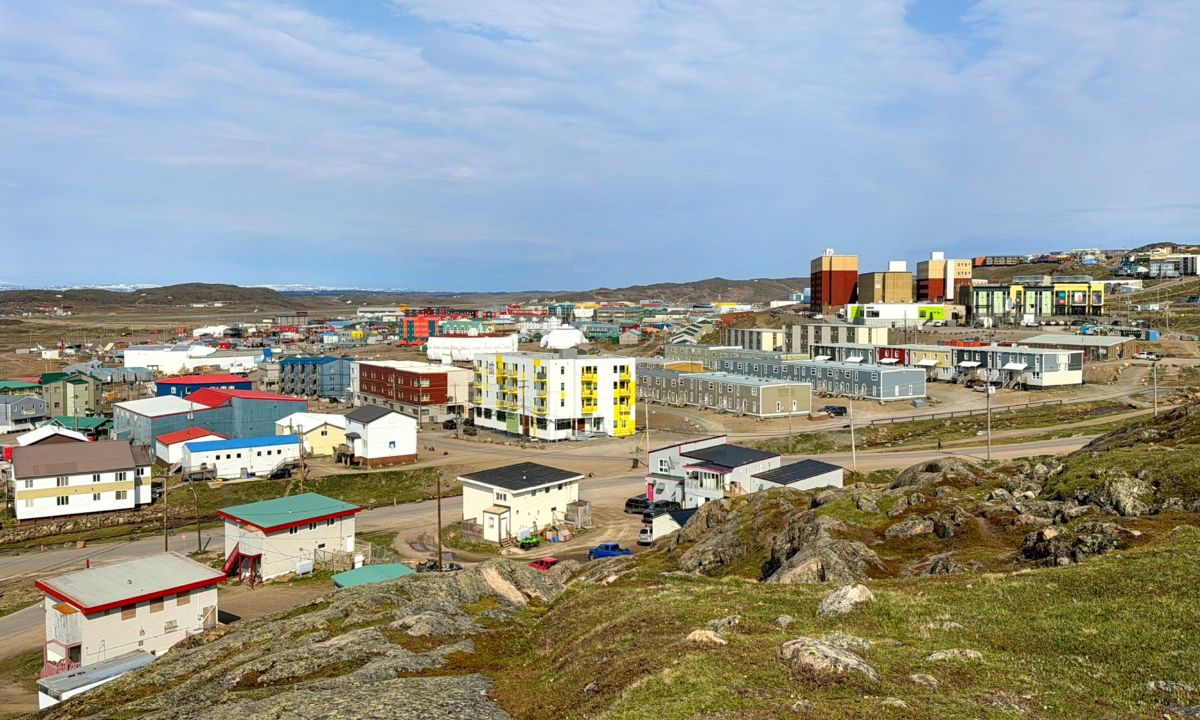
Iqaluit
Iqaluit, die Hauptstadt von Nunavut, bietet eine einzigartige Mischung aus arktischer Kultur und Modernität. Besucher werden von atemberaubenden Landschaften, lebendiger lokaler Kunst und einer eng verbundenen Gemeinschaft empfangen, die in einer der abgelegensten Regionen Kanadas gedeiht.
Highlights
Iqaluit Community Centre
Offers recreational activities for families and children
Iqaluit Public Library
A great place for kids to explore books and activities
Nakasuk School
A local school that often hosts community events
Sightseeing
Aktivitäten

Lokales Essen und Trinken

Lokale Traditionen
Do's und Don'ts
Practical
About Iqaluit
Die Stadt ist ein Tor zur atemberaubenden Schönheit der Tundra und der umliegenden Gewässer. Allerdings kann das raue Klima und die begrenzten Annehmlichkeiten für einige Reisende herausfordernd sein, weshalb es wichtig ist, im Voraus zu planen und den lokalen Lebensstil zu umarmen.
Wissenswertes
Gut zu wissen
Geschichte
Iqaluit wurde in den 1950er Jahren als Handelsstützpunkt gegründet und hat sich seitdem zu einer lebendigen Hauptstadt entwickelt. Ursprünglich als Frobisher Bay bekannt, wurde es 1987 in Iqaluit umbenannt, was sein Inuit-Erbe widerspiegelt.
Die Stadt ist aufgrund ihrer strategischen Lage schnell gewachsen und dient als Zentrum für Regierung und Handel in Nunavut. Trotz ihrer modernen Entwicklungen behält Iqaluit eine starke Verbindung zu ihren indigenen Wurzeln, was es zu einem faszinierenden Ort macht, den man erkunden kann.
Foto: Wikipedia / Wikimedia Commons