search
search
add New trip
Bávaro
calendar_monthNov–Aprbest time schedule5 daysplan for directions_car1 h 17from La Romana child_careYeswith kids confirmation_numberMid-rangeprice
BávaroYour own route Plan a trip here →

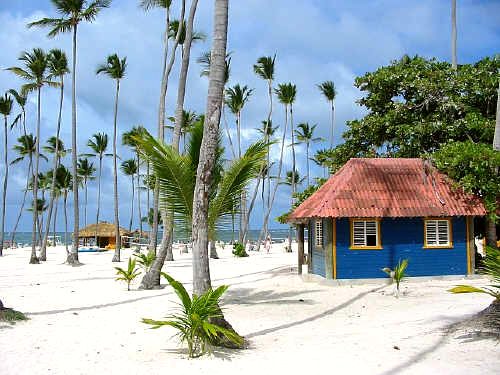
Bávaro is a coastal town in the Dominican Republic known for its beautiful beaches and clear waters. Visitors often enjoy the relaxed atmosphere, with plenty of opportunities for sunbathing and water sports.

Read more

The area has developed significantly over the years, attracting tourists from around the world. While the resorts offer luxury, the local culture can be experienced in nearby towns and markets.

Sightseeing

Bávaro Beach: famous for its white sand and turquoise waters
Cocotal Golf & Country Club: a well-maintained golf course with lush surroundings
Dolphin Island Park: a place to swim with dolphins and learn about marine life
Bávaro Adventure Park: an amusement park with zip-lining and other activities
Playa Blanca: a quieter beach option with local dining options
Hoyo Azul: a natural lagoon with stunning blue water
Indigenous Eyes Ecological Park: a protected area with trails and lagoons
Manati Park: a theme park showcasing local wildlife and culture

"Relax and enjoy the Caribbean sun"Bávaro

Things to do

Snorkel at coral reefs: explore the underwater life just off the coast
Take a catamaran cruise: enjoy a day on the water with drinks and music
Visit local markets: shop for handmade crafts and souvenirs
Try kitesurfing: experience this thrilling water sport at the beach
Attend a local dance class: learn traditional Dominican dances from locals
Local food and drinks - Bávaro

Local food and drinks

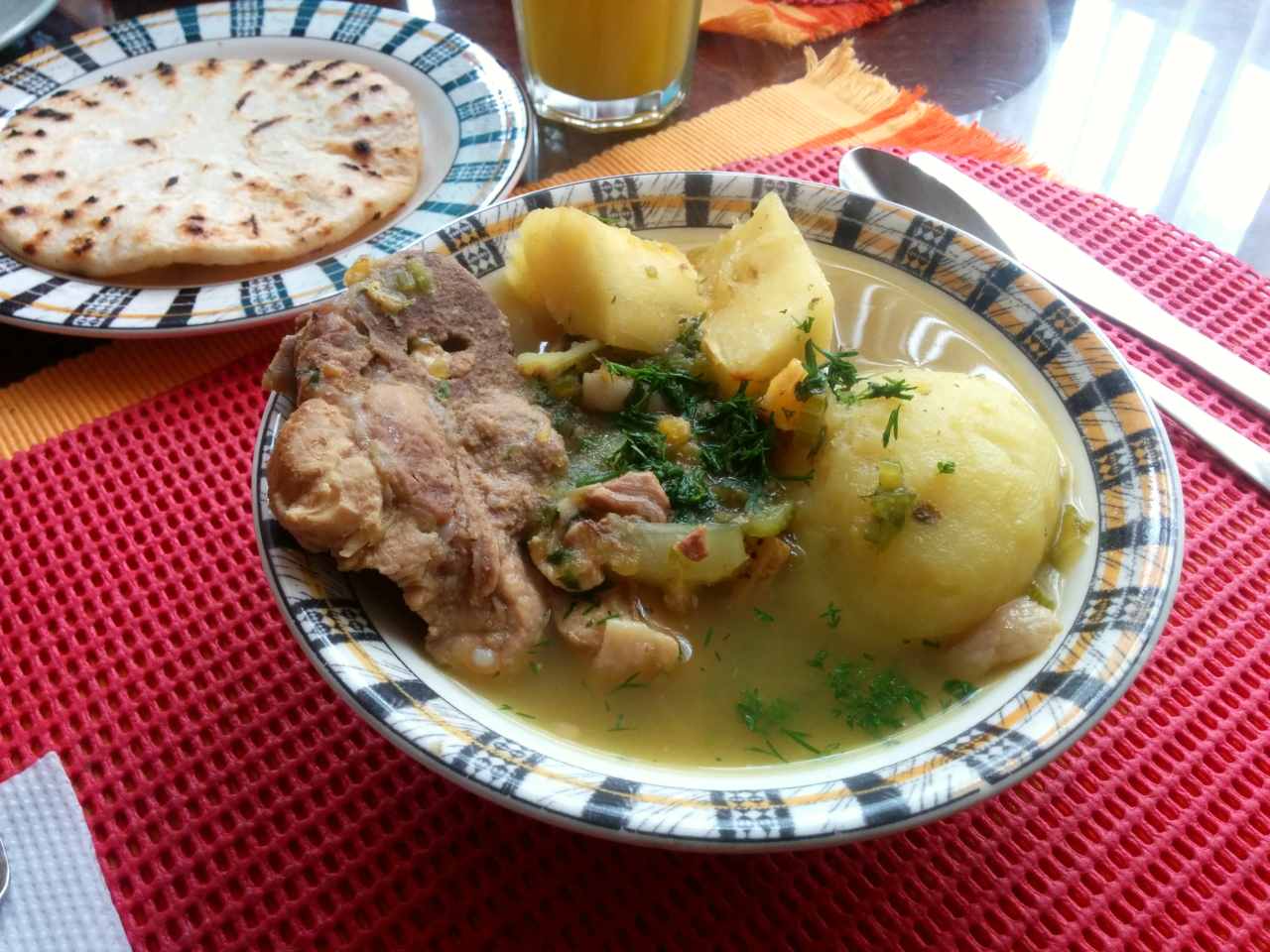
Sancocho: a hearty meat and vegetable stew popular in the region
Mangu: mashed plantains served with various toppings
Pescado frito: fried fish, often served with rice and beans
Mamajuana: a traditional drink made from rum, red wine, and herbs
Chimi: a Dominican-style burger with a flavorful sauce
Local traditions - Bávaro

Local traditions

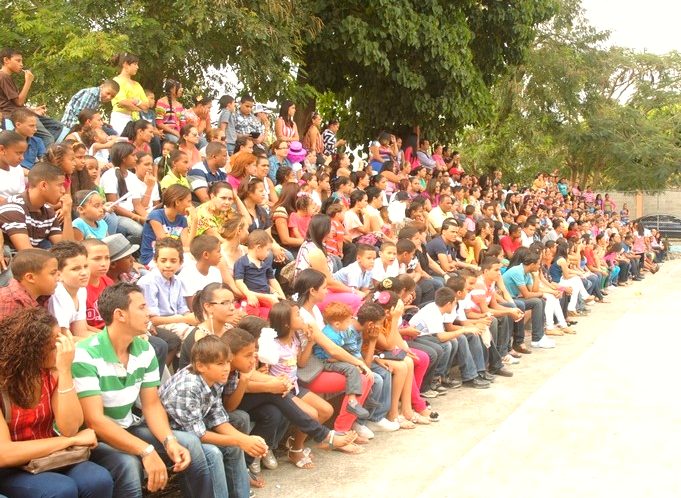
Carnaval: celebrated in February with parades and music
Merengue Festival: an annual event showcasing local music and dance
Three Kings Day: a festive celebration on January 6 with gifts and food
Semana Santa: Holy Week with various religious observances and traditions

Do's and don'ts

Enjoy the local cuisine: try street food and local restaurants
Respect local customs: greet people politely and dress appropriately
Bargain at markets: haggling is common and expected
Explore beyond the resorts: discover local culture and attractions
Don't ignore safety warnings: be cautious in unfamiliar areas
Don't rely solely on credit cards: carry some cash for small purchases
Don't litter: keep the beaches and streets clean
Don't rush your experience: take time to enjoy the surroundings

Practical

At a glance

Population
20.000
Accessibility
Some areas are wheelchair accessible, but not all.
Price level
Mid-range

Things to know

Be cautious of beach vendors: some may be persistent
Public transport can be limited: consider renting a car or using taxis
Resort areas can be expensive: explore local dining for better prices
Safety can vary: stay aware of your surroundings, especially at night
history_eduHistoryexpand_more

Bávaro's history began as a small fishing village, with its economy primarily based on fishing and agriculture. Over the years, tourism began to take root, particularly in the late 20th century, transforming the area into a popular vacation destination.

The development of resorts and infrastructure has significantly changed the landscape, attracting international visitors. Despite this growth, some aspects of local culture and traditions remain, providing a glimpse into the town's past.

Photo: Wikipedia / Wikimedia Commons