kiomigo
search
search
add New trip
Cerro Verde National Park

Cerro Verde National Park

Since: Established in 1975 Price: Budget

Introduction

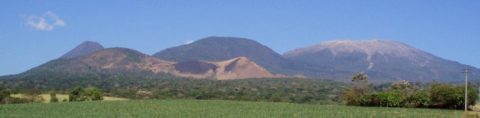
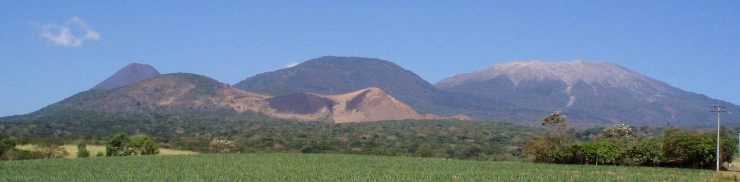
Cerro Verde National Park is a breathtaking natural haven in El Salvador, known for its lush landscapes and diverse wildlife. Visitors are often captivated by the stunning views of the Izalco and Cerro Verde volcanoes, making it a perfect spot for nature lovers and adventure seekers alike.

The park offers a serene escape from urban life, with trails that wind through dense forests and opportunities for birdwatching. However, be prepared for varying trail conditions and the possibility of sudden weather changes, which can affect your hiking experience.

Sightseeing

Cerro Verde Volcano: a prominent peak with panoramic views
Izalco Volcano: known for its historical eruptions
Los Volcanes National Park: nearby park with diverse ecosystems
Mirador de Cerro Verde: viewpoint for stunning landscapes
Visitor Center: informative hub about the park's ecology

"Nature's Beauty Awaits You"Cerro Verde National Park

Things to do

Hiking: explore various trails with different difficulty levels
Birdwatching: spot unique species in their natural habitat
Photography: capture the stunning landscapes and wildlife
Camping: enjoy a night under the stars in designated areas

Local food and drinks

Pupusas: traditional stuffed corn tortillas
Yuca frita: fried cassava served with salsa
Atol de elote: sweet corn drink, perfect for warm days
Café de El Salvador: locally grown coffee, a must-try

Local traditions

Fiesta de San Juan: celebrated in June with music and dance
Traditional cooking classes: learn to make local dishes
Nature conservation events: community efforts to protect the park
History - Cerro Verde National Park

History

Cerro Verde National Park was established in 1975, aimed at preserving the unique ecosystems and volcanic landscapes of the region. The area has a rich geological history, shaped by volcanic activity that has created its stunning topography.

The park is also significant for its biodiversity, housing numerous species of flora and fauna. Over the years, it has become a crucial site for ecological research and conservation efforts, attracting both local and international visitors.

Things to know

Be cautious of sudden weather changes, as storms can occur
Some trails may be steep and challenging for inexperienced hikers
Limited public transport options; consider renting a car
Wildlife encounters are common, so keep a safe distance

Do's and don'ts

Bring plenty of water for hikes
Wear sturdy shoes for uneven terrain
Respect wildlife and keep a safe distance
Take your trash with you to preserve the park
Don't feed the animals, as it disrupts their natural behavior
Don't stray off marked trails to protect the ecosystem
Don't visit during the rainy season without proper gear
Don't ignore park regulations for safety

Good to know

Accessibility: Some areas are accessible, but trails vary
Price level: budget

Photo: Wikipedia / Wikimedia Commons