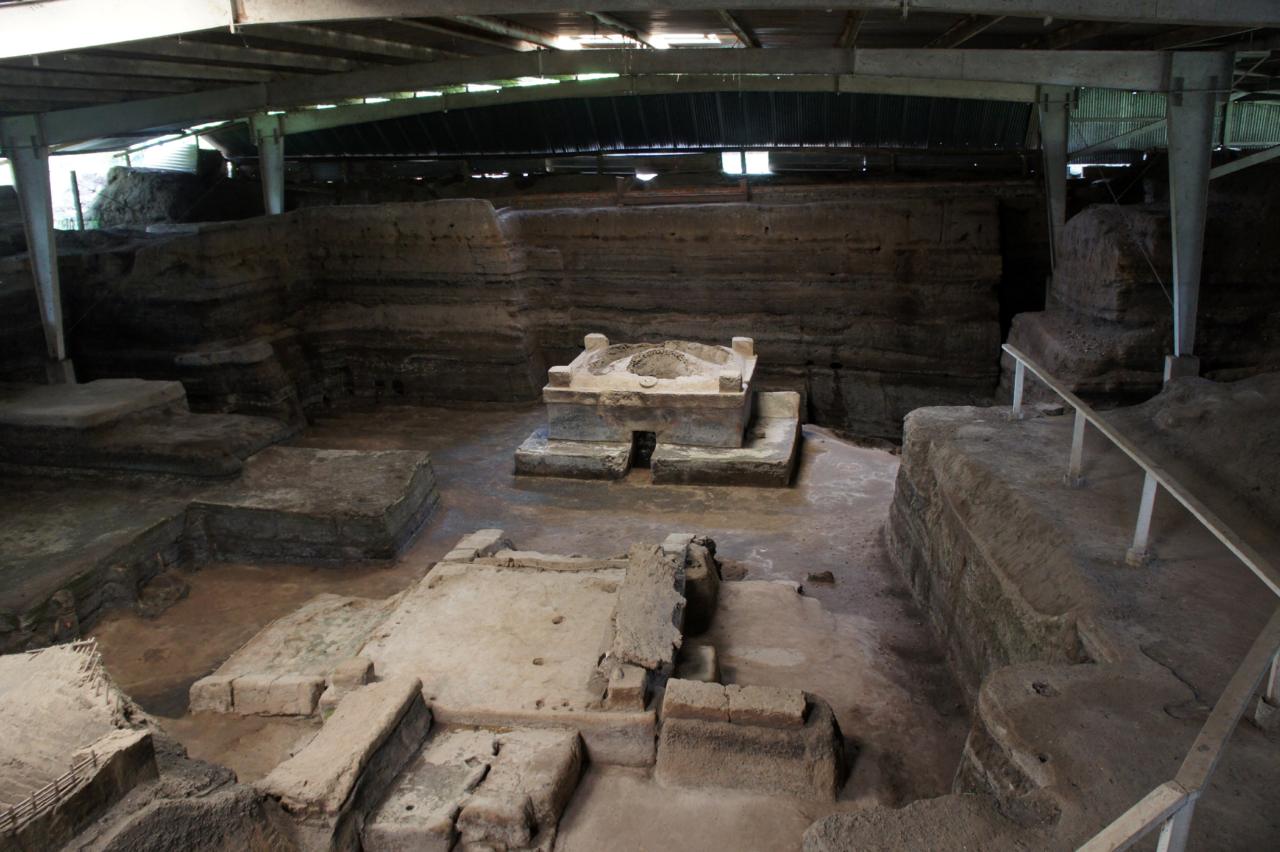
Joya de Cerén
Joya de Cerén is a unique archaeological site in El Salvador, often referred to as the 'Pompeii of the Americas.' Visitors are captivated by its well-preserved ruins, which offer a glimpse into the daily life of the Maya civilization around 600 AD.
Read more
The atmosphere is tranquil, with lush greenery surrounding the site. The small visitor center provides informative displays, making it easy to appreciate the significance of this UNESCO World Heritage site while enjoying the serene landscape.
Highlights
El Boquerón National Park
Great for hiking and nature walks.
Joya de Cerén Archaeological Site
A UNESCO site showcasing Maya life.
Museum of Joya de Cerén
Offers insights into the archaeological findings.
San Salvador Volcano
Offers stunning views and hiking opportunities.
Sightseeing
Things to do
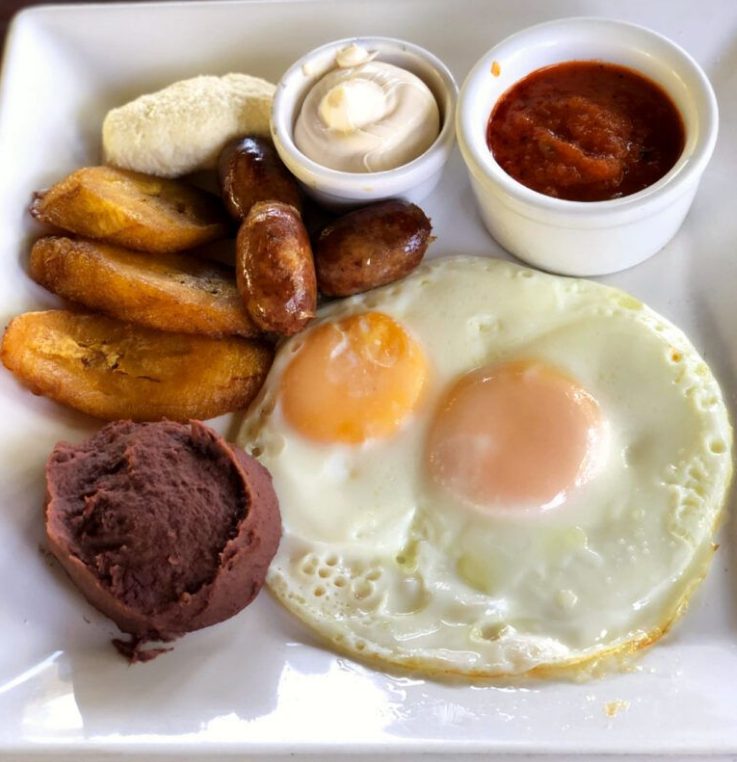
Local food and drinks
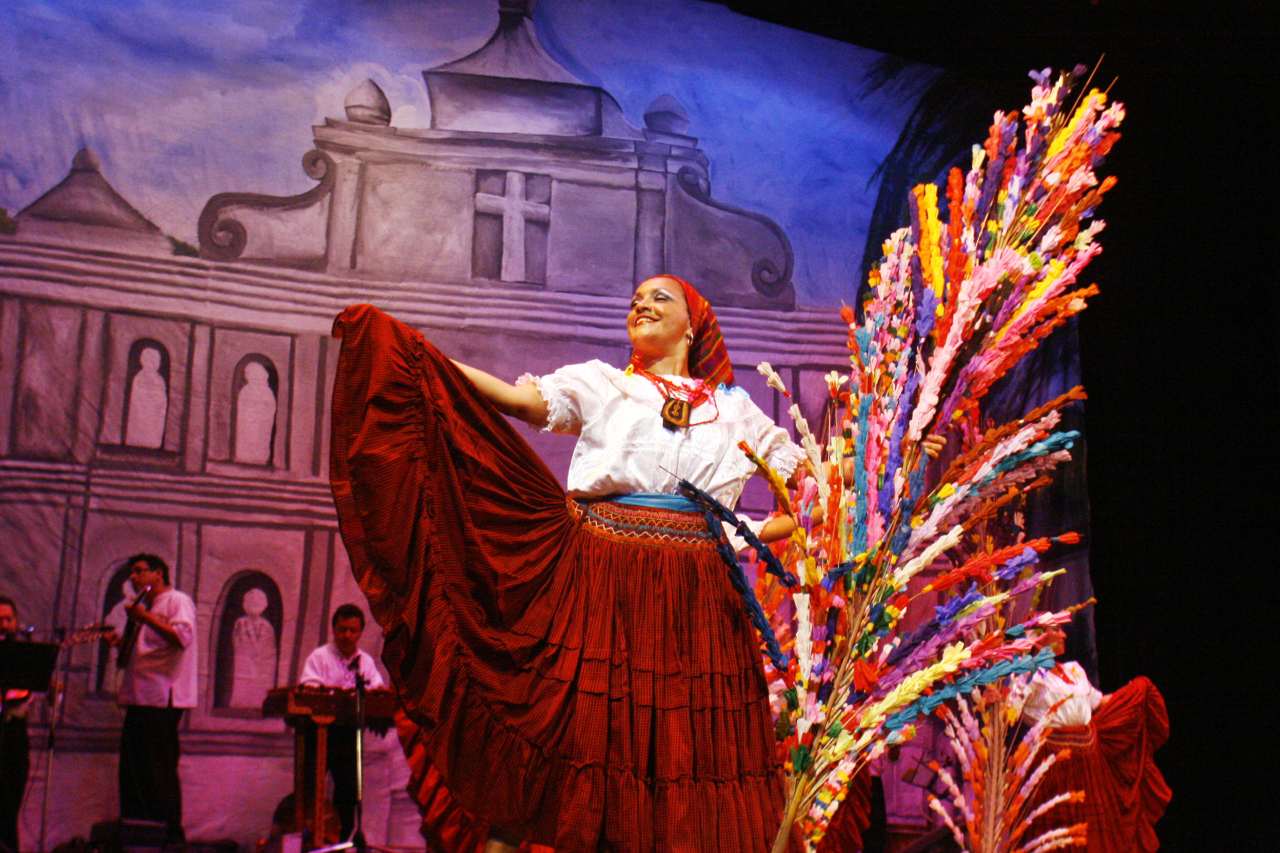
Local traditions
Do's and don'ts
Practical
At a glance
- Founded
- 600 AD
- Population
- 200
- Accessibility
- Some areas are accessible, but uneven paths exist.
- Price level
- Budget
Things to know
History
Joya de Cerén was a thriving Maya village until it was buried by volcanic ash around 600 AD, preserving its structures and artifacts remarkably well. Discovered in 1976, the site has provided invaluable insights into the daily lives of the Maya, showcasing their agricultural practices, domestic life, and community organization.
The site is unique as it reflects a snapshot of Maya life, rather than monumental architecture. Excavations have revealed homes, kitchens, and even a ceremonial area, allowing historians to piece together the culture and customs of this ancient civilization.
Photo: Wikipedia / Wikimedia Commons