 Nov–Aprbest time
7 daysplan for
Yeswith kids
Nov–Aprbest time
7 daysplan for
Yeswith kids
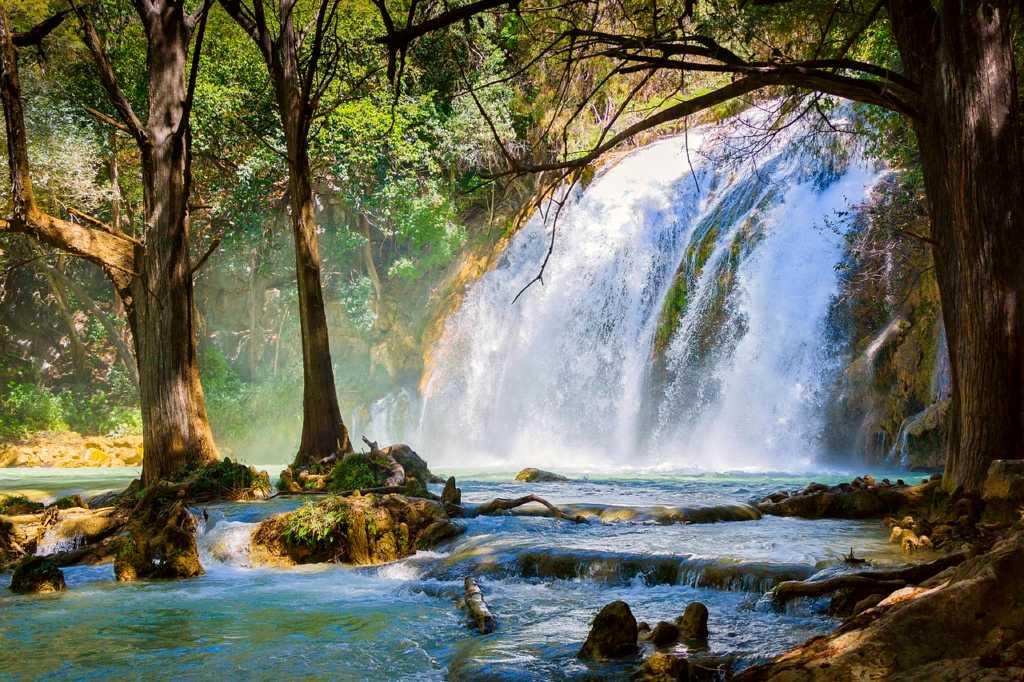
Chiapas is a vibrant state in southern Mexico, known for its stunning natural beauty and rich cultural heritage. Travelers can explore lush jungles, majestic waterfalls, and ancient ruins, all while immersing themselves in the traditions of indigenous communities.
Read more
The state offers a unique blend of outdoor adventures and historical exploration. From the picturesque town of San Cristóbal de las Casas to the archaeological wonders of Palenque, Chiapas invites visitors to experience its diverse landscapes and warm hospitality.
Cities
In pictures
Sightseeing
Local food and drinks
Local traditions
Practical
At a glance
- Best time
- November to April
History
Chiapas has a rich history that dates back to ancient civilizations, particularly the Mayans, who thrived in the region. The archaeological sites, such as Palenque and Toniná, reflect the advanced culture and architectural prowess of the Mayans.
In the colonial era, Chiapas became part of Spanish territory, leading to a blend of indigenous and European influences. The state has seen various social movements, including the Zapatista uprising in the 1990s, which highlighted issues of indigenous rights and autonomy.
Photo: DEZALB · Pixabay Content License · Pixabay
Photo credits (2)
- bere69 · Pixabay Content License · Pixabay
- CarlosAlcazar · Pixabay Content License · Pixabay