 Nov–Aprbest time
7 daysplan for
Yeswith kids
Nov–Aprbest time
7 daysplan for
Yeswith kids
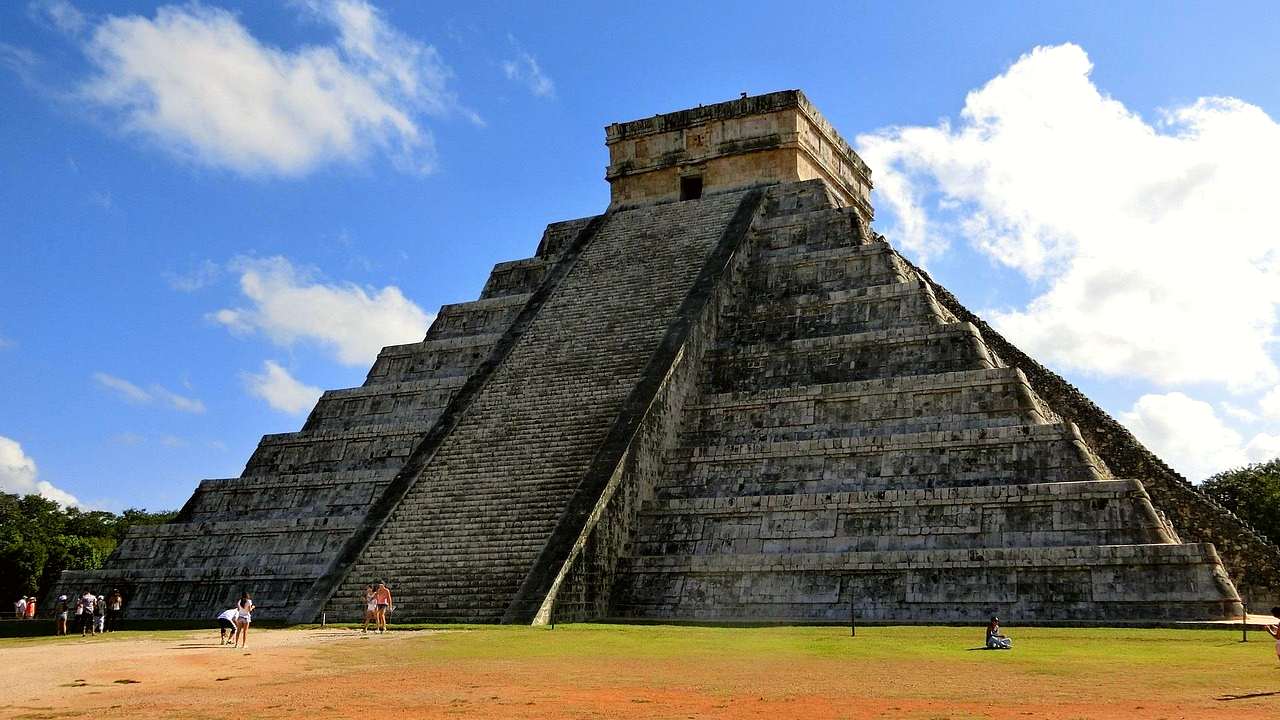
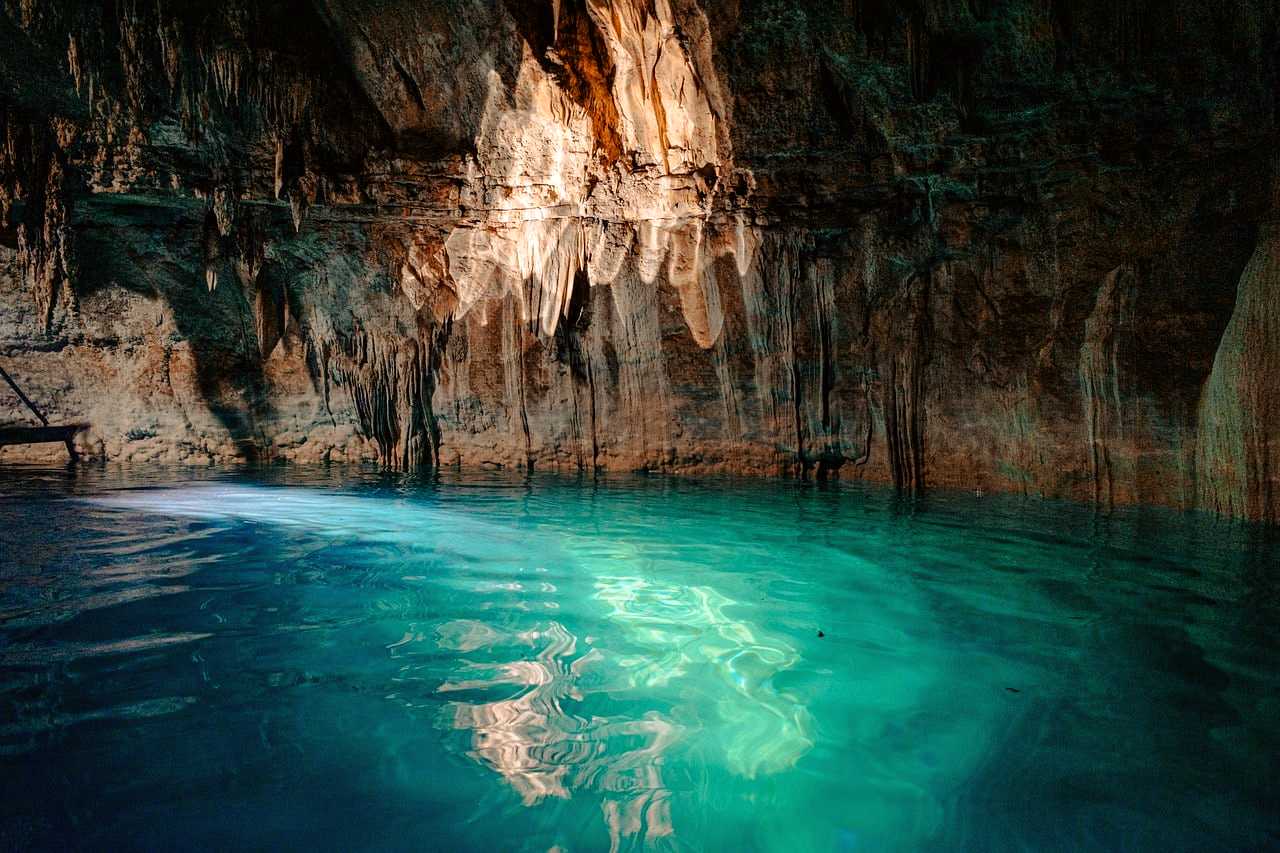
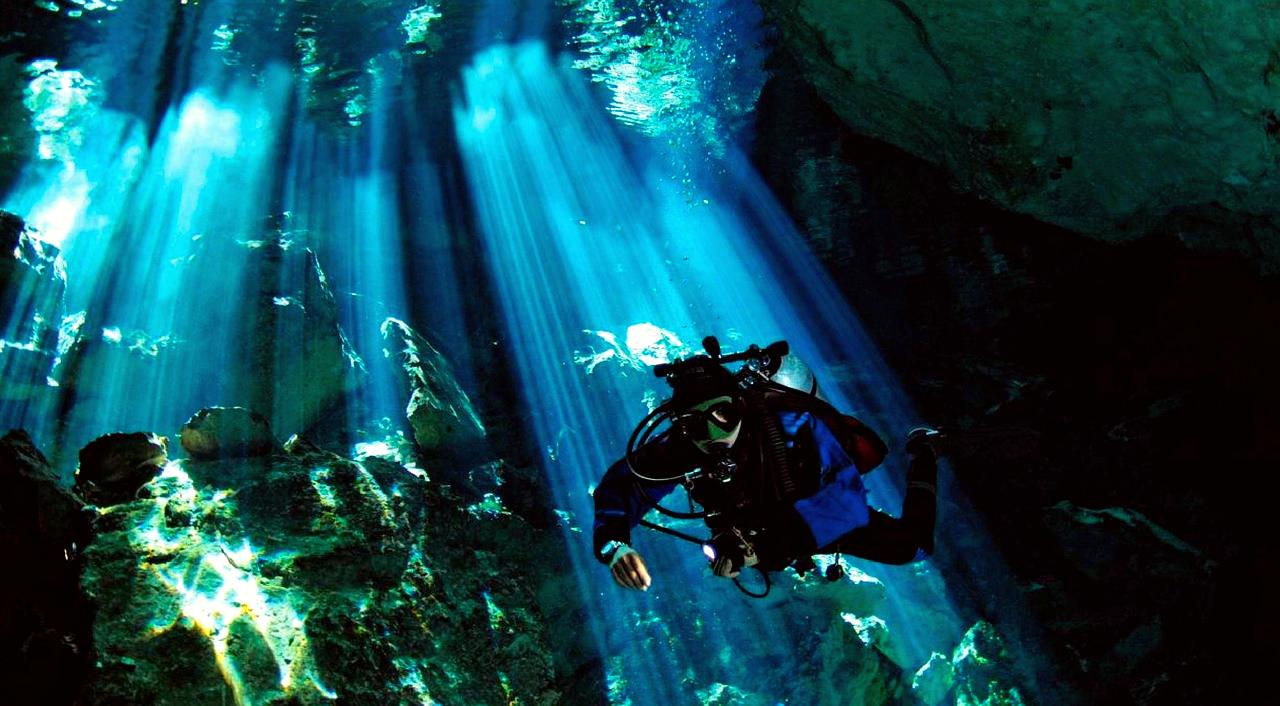
Yucatan is a captivating blend of ancient history, vibrant culture, and stunning natural beauty. Travelers can explore Mayan ruins, swim in cenotes, and enjoy the lively atmosphere of colonial cities, making it a diverse destination for all types of adventurers.
Read more
The region's unique geography offers lush jungles, beautiful beaches, and charming towns, each with its own character. However, be prepared for the heat and humidity, especially during the summer months, and consider the language barrier if you do not speak Spanish.
In pictures
Sightseeing
Local food and drinks
Local traditions
Practical
At a glance
- Best time
- November to April
History
Yucatan has a rich history that dates back to the ancient Mayan civilization, known for its impressive architecture and advanced knowledge in astronomy and mathematics. The region was a significant cultural center, with cities like Chichen Itza and Uxmal thriving between 600 and 900 AD.
The arrival of Spanish colonizers in the 16th century marked a dramatic shift, leading to the decline of the Mayan civilization. Today, Yucatan is a blend of indigenous and Spanish influences, evident in its architecture, language, and traditions, making it a fascinating destination for history enthusiasts.
Photo: hcariou · Pixabay Content License · Pixabay
Photo credits (2)
- AlexanderSix16 · Pixabay Content License · Pixabay
- jhovani serralta · Pixabay Content License · Pixabay