
A stroll along Avenida Balboa
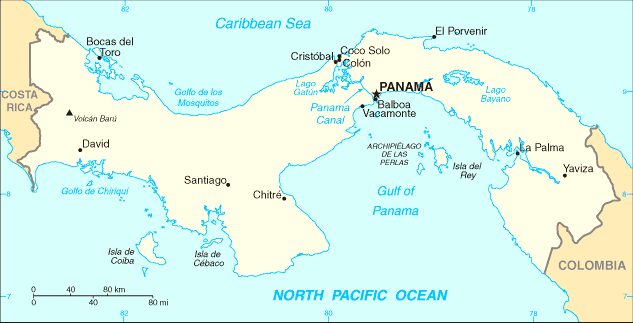
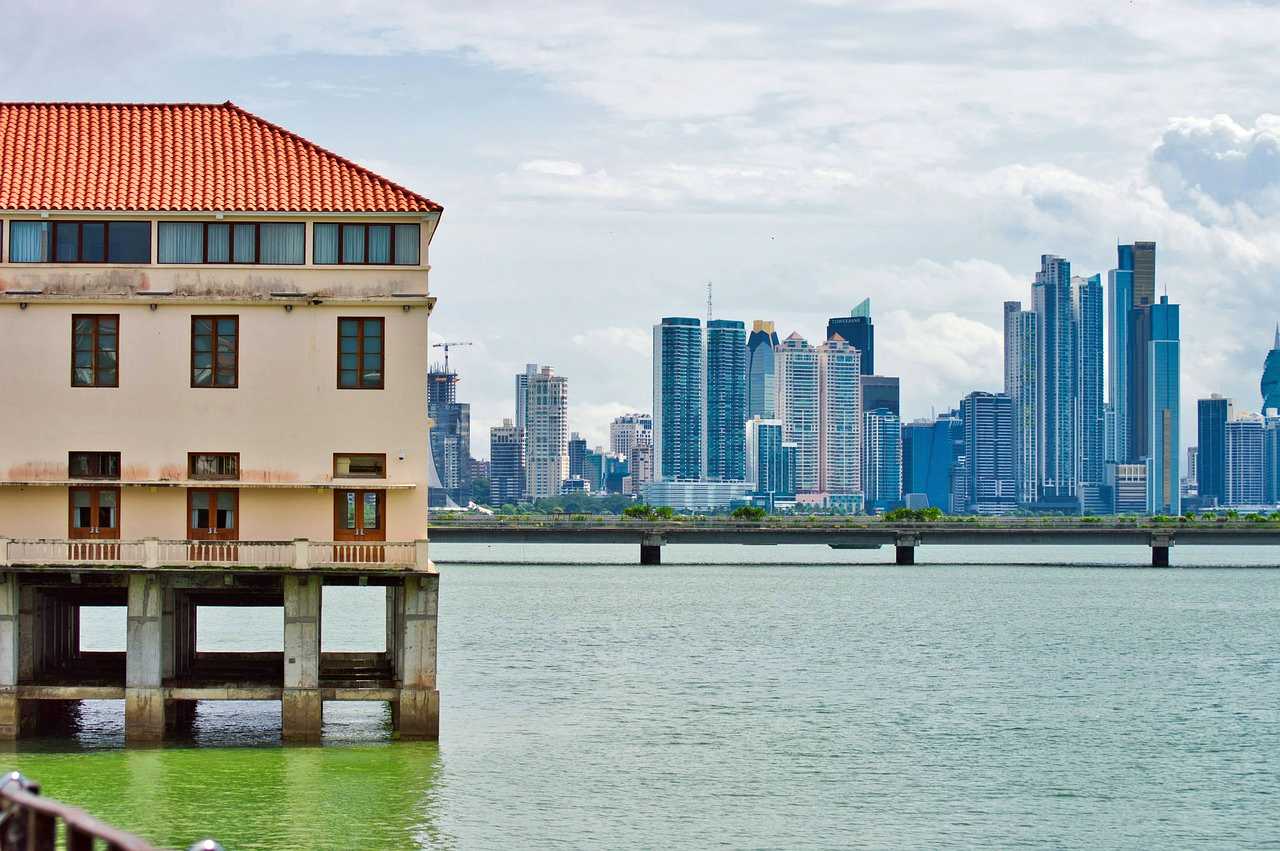
Avenida Balboa is a lively waterfront avenue in Panama City, perfect for a leisurely walk or bike ride. The path runs alongside the Pacific Ocean, offering views of the city’s skyline and the ships navigating the Panama Canal. You can find locals jogging, families enjoying picnics, and vendors selling snacks like empanadas and fresh fruit. The area is particularly beautiful at sunset when the sky turns shades of orange and pink. Be prepared for the humidity, especially in the summer months, and bring water to stay hydrated.
Exploring Casco Viejo's charm
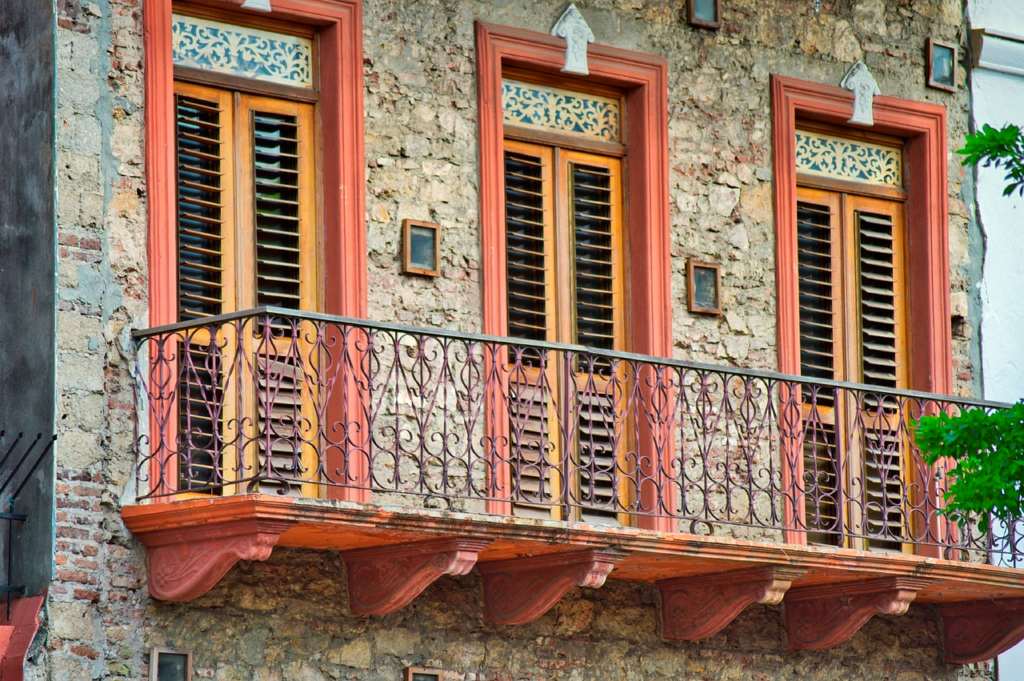
Casco Viejo, the historic district of Panama City, is a UNESCO World Heritage site filled with colonial architecture and vibrant street art. Walking through its narrow streets, you will encounter charming plazas, cafes, and shops selling handmade crafts. Stop by a local restaurant to try sancocho, a traditional chicken soup, or sip on a refreshing seco, a local spirit. While the area is generally safe, be cautious at night and stick to well-lit streets. The atmosphere here is lively, especially during festivals when the streets come alive with music and dance.
The engineering marvel of the Panama Canal
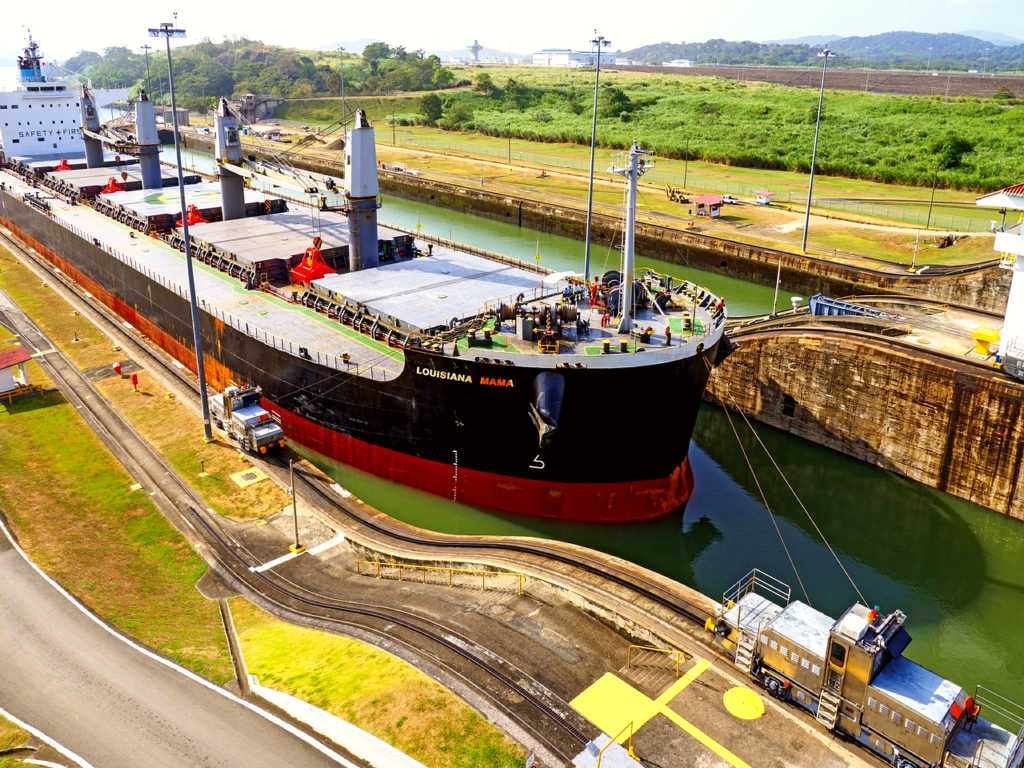
The Panama Canal is a remarkable feat of engineering that connects the Atlantic and Pacific Oceans. Visitors can learn about its history and operation at the Miraflores Locks Visitor Center. Here, you can watch ships transit through the locks and see how the water levels change. The center also features exhibits detailing the canal's construction and its impact on global trade. Plan your visit during the morning or late afternoon for the best viewing opportunities. Expect crowds, especially during peak tourist season, so arrive early to secure a good spot.