kiomigo
search
search
add New trip
Saint Kitts and Nevis

Saint Kitts and Nevis

Capital: Basseterre Currency: East Caribbean Dollar Language: English Best time: December to April Population: 53.000 Price: Mid-range
accessible Accessibility: Some areas may be challenging for wheelchair users

Introduction

Saint Kitts and Nevis is a charming twin-island nation in the Caribbean, known for its lush landscapes and rich history. Travelers can enjoy stunning beaches, vibrant culture, and warm hospitality, making it a perfect getaway for relaxation and exploration.

While the islands are small, they offer a variety of experiences from hiking volcanic mountains to enjoying local festivals. However, be prepared for limited public transport options and a slower pace of life, which can be both a blessing and a challenge for some visitors.

In pictures

The St. Kitts 'Sugar Train' in 1912 used to transport sugarcane
Saint Kitts and Nevis
Wesleyan Chapel, Basseterre, St. Christopher's, West Indies (1850)[3]
Downtown Basseterre, St. Kitts. Berkeley Memorial

Sightseeing

Brimstone Hill Fortress: A UNESCO World Heritage site with stunning views
Basseterre: The capital city with colonial architecture
Nevis Peak: A challenging hike with rewarding vistas
Pinney's Beach: A beautiful stretch of sand perfect for sunbathing
The Bath Hotel: Historic site with natural hot springs
Black Rocks: Unique volcanic rock formations along the coast
The Circus: A lively roundabout in Basseterre with a clock tower
Nevis Botanical Gardens: A serene spot showcasing local flora

"Two islands, one paradise"Saint Kitts and Nevis

Things to do

Hike to the summit of Nevis Peak: Experience breathtaking views
Explore the Brimstone Hill Fortress: Discover its historical significance
Snorkel or dive at Turtle Beach: Encounter vibrant marine life
Visit local markets: Sample fresh produce and handmade crafts
Attend a local festival: Immerse yourself in the culture
Take a scenic boat tour: Enjoy the coastline from the water
Relax on the beaches: Unwind in the sun and surf
Try your hand at rum tasting: Experience local distilleries

Local food and drinks

Saltfish and Ackee: A traditional breakfast dish, try it at local eateries
Goat Water: A hearty stew, best enjoyed during local festivals
Johnny Cakes: Fried dough, perfect as a snack or side dish
Turtle Soup: A local delicacy, often served at special occasions
Rum Punch: A refreshing drink, available at beach bars
Fresh Seafood: Enjoy grilled fish at seaside restaurants

Local traditions

Carnival: A vibrant celebration of music and dance every August
Independence Day: Celebrated on September 19 with parades and festivities
Culturama: A cultural festival in Nevis showcasing local arts
Heritage Month: Celebrated in October, focusing on local history
Sunday School: A traditional gathering for community and worship
History - Saint Kitts and Nevis

History

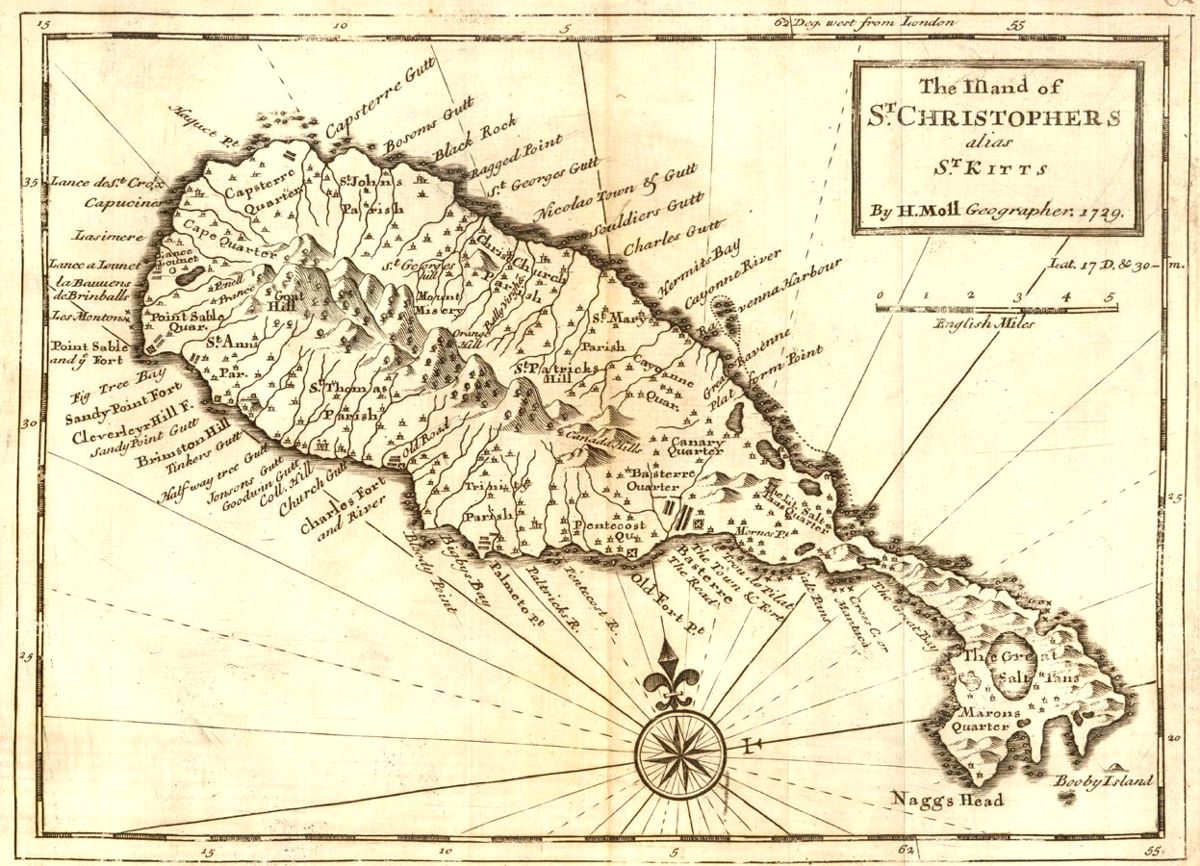
Saint Kitts and Nevis has a rich colonial history, being one of the first islands in the Caribbean to be settled by Europeans in the 17th century. The British and French fought for control, leading to a diverse cultural heritage that still influences the islands today.

The islands gained independence from Britain in 1983, but their history is marked by the legacy of sugar plantations and slavery. Today, the islands celebrate their heritage through festivals and local customs, reflecting a blend of African, European, and indigenous influences.

Basic information

Capital: Basseterre
Language: English
Currency: East Caribbean Dollar
Best time to visit: December to April

Travel information

Flights are available to Robert L. Bradshaw International Airport in Saint Kitts Car rentals are common, but roads can be narrow and winding Local buses are available but may not run frequently Credit cards are widely accepted, but cash is useful for small purchases Wi-Fi is available in many hotels and cafes, but connectivity can be spotty

Things to know

Don't expect extensive public transport; renting a car is advisable
Be cautious of sun exposure; the sun can be intense
Respect local customs and dress modestly when visiting churches
Watch for sudden rain showers; pack an umbrella
Be aware of potential scams in tourist areas; stay vigilant

Do's and don'ts

Engage with locals: They are friendly and welcoming
Try local dishes: Experience the unique flavors of the islands
Respect the environment: Keep beaches and nature clean
Learn a few phrases in Creole: It’s appreciated by locals
Participate in local events: Join in the celebrations and festivities
Don't litter: Keep the islands beautiful
Don't rush: Embrace the laid-back island lifestyle
Don't ignore safety warnings: Be aware of your surroundings
Don't haggle excessively: Prices are generally fixed
Don't forget sunscreen: Protect your skin from the sun

Good to know

Accessibility: Some areas may be challenging for wheelchair users
Price level: mid-range

Photo: Wikipedia / Wikimedia Commons