kiomigo
search
search
add New trip
Saint Lucia

Saint Lucia

Capital: Castries Currency: East Caribbean Dollar Language: English Best time: December to April Population: 183.000 Price: Mid-range
accessible Accessibility: Limited mobility options are available in some areas.

Introduction

Saint Lucia is a stunning Caribbean island known for its lush landscapes, beautiful beaches, and vibrant culture. Travelers can explore the iconic Pitons, relax on sandy shores, and immerse themselves in the local music and art scene.

While the island is a paradise for many, it is essential to be mindful of the weather, as the rainy season can affect travel plans. Additionally, some areas may have limited accessibility, so planning ahead is crucial for a smooth experience.

In pictures

The valley between the two twin peaks, Petit Piton and Gros Piton, is a UNESCO World Heritage Site.
Petit Piton, seen from the Ladera Hotel restaurant.
Vigie Beach
Vigie Beach
Reduit Beach
Reduit Beach
Anse Chastanet Beach
Toraille Waterfall
Toraille Waterfall
View of the capital city of Castries
Marigot Bay
Marigot Bay

Sightseeing

The Pitons: iconic volcanic spires and UNESCO World Heritage site
Rodney Bay: popular beach area with restaurants and nightlife
Sulphur Springs: the world's only drive-in volcano
Pigeon Island: historical site with beautiful views
Diamond Falls: stunning waterfall with mineral-rich waters
Castries Market: vibrant local market for crafts and produce
Anse Chastanet: picturesque beach and snorkeling spot
Marigot Bay: scenic bay known for its beauty

"A Caribbean paradise awaits you"Saint Lucia

Things to do

Hike the Gros Piton: challenging but rewarding trek
Snorkel at Anse Cochon: vibrant marine life and coral reefs
Visit the local markets: experience the culture and flavors
Relax in a hot spring: natural thermal baths in Soufrière
Explore the rainforest: guided tours available for nature lovers
Attend a local festival: experience the island's vibrant culture
Take a boat tour: explore the coastline and nearby islands
Enjoy a sunset cruise: breathtaking views of the Caribbean Sea
Local food and drinks - Saint Lucia

Local food and drinks

Green Fig and Saltfish: traditional dish, best enjoyed at local eateries
Callaloo Soup: flavorful soup made from local greens, try at street vendors
Roti: stuffed flatbread, popular in local food stalls
Piton Beer: local brew, perfect for a hot day on the beach
Rum Punch: refreshing cocktail, enjoy at beach bars
Breadfruit: versatile fruit, often served as a side dish
Local traditions - Saint Lucia

Local traditions

Carnival: vibrant festival with music, dance, and costumes
Jounen Kweyol: Creole Day celebrating local culture and cuisine
Saint Lucia Jazz Festival: annual music event attracting international artists
Independence Day: national celebration with parades and festivities
Traditional fishing: still practiced by many locals along the coast
History - Saint Lucia

History

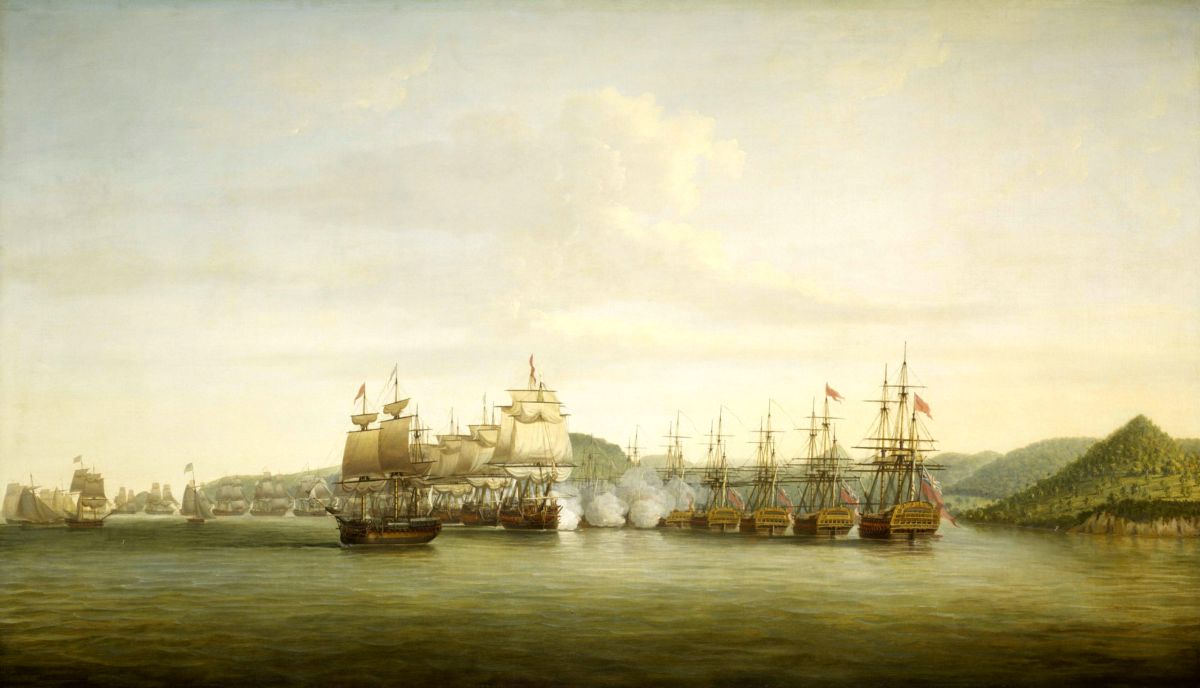
Saint Lucia has a rich history shaped by colonial powers, primarily the French and British, who fought for control over the island. It was officially ceded to the British in 1814, leading to a blend of French and English influences in the culture and language.

The island gained independence in 1979, becoming a member of the Commonwealth. Today, Saint Lucia is known for its natural beauty and cultural heritage, attracting visitors from around the world who come to experience its unique charm.

Basic information

Capital: Castries
Language: English
Currency: East Caribbean Dollar
Best time to visit: December to April

Travel information

Hewanorra International Airport serves international flights, located in the south Car rental is available, but roads can be narrow and winding Public transportation includes buses and taxis, but schedules may vary Credit cards are widely accepted, but cash is useful for local markets Wi-Fi is available in many hotels and cafes, but connectivity can be spotty

Things to know

Be cautious of your belongings in crowded areas
Some beaches may have strong currents, so swim with care
Respect local customs and dress modestly when visiting churches
Tipping is appreciated but not mandatory, usually around 10-15%
Watch out for aggressive sales tactics in tourist areas

Do's and don'ts

Try the local cuisine at various eateries
Engage with locals to learn about their culture
Respect the environment and wildlife while exploring
Participate in local festivals for an authentic experience
Use sunscreen and stay hydrated while outdoors
Don't assume everyone speaks English fluently
Don't litter, as it harms the beautiful environment
Don't haggle too aggressively at markets
Don't ignore safety warnings about swimming conditions
Don't take photos of locals without asking for permission

Good to know

Accessibility: Limited mobility options are available in some areas.
Price level: mid-range

Photo: Wikipedia / Wikimedia Commons