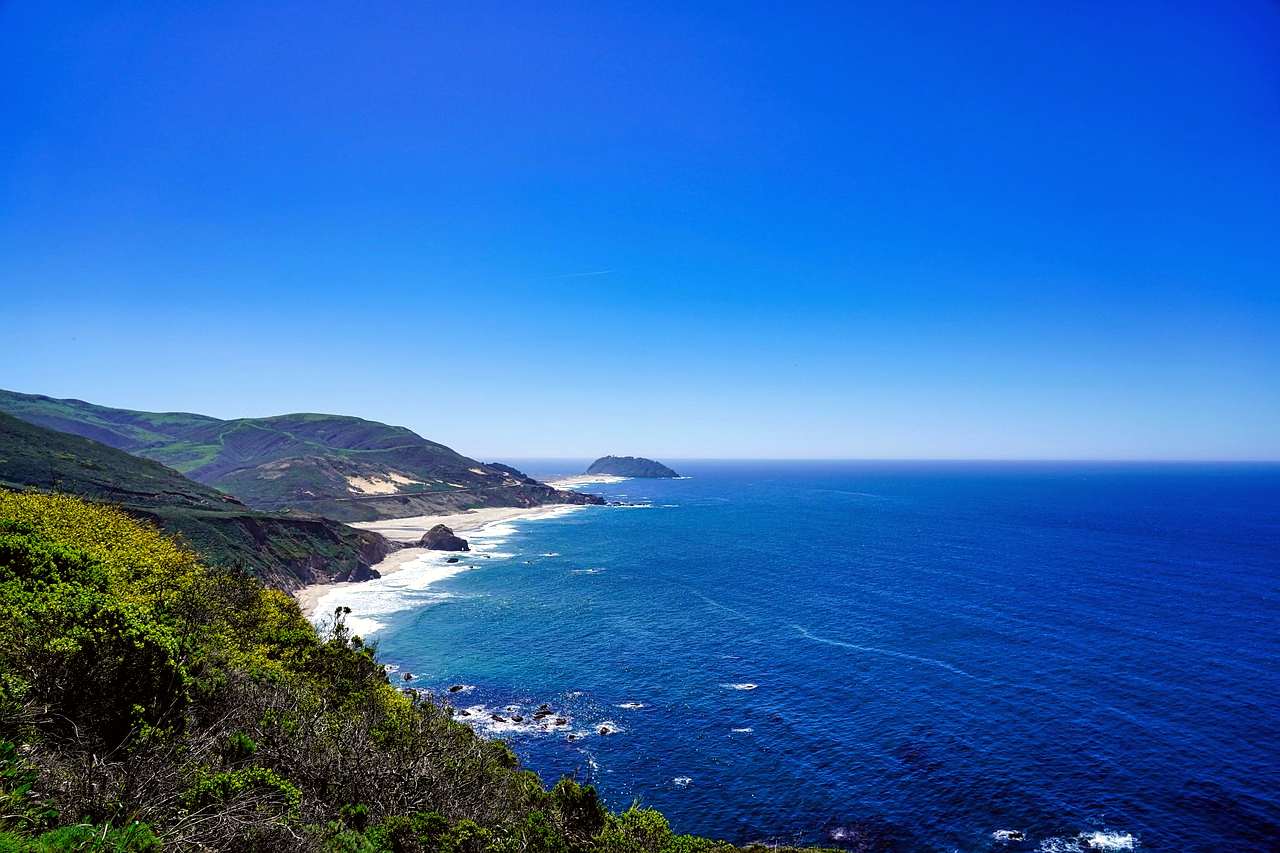
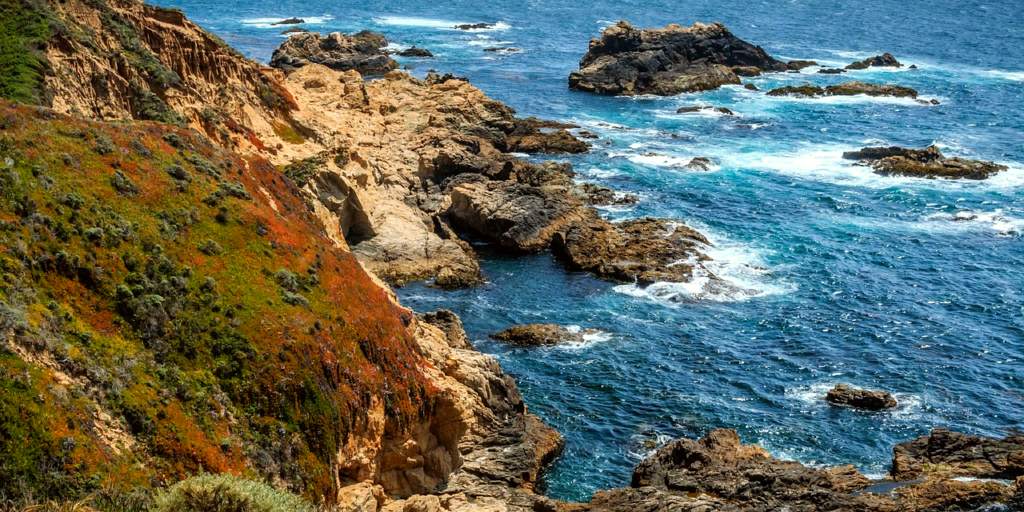
Big Sur is a rugged stretch of California's coastline, known for its dramatic cliffs and sweeping ocean views. Visitors often find themselves captivated by the natural beauty, with opportunities to explore redwood forests and coastal trails.
Read more
The area is not just about scenery; it has a laid-back vibe that attracts artists and nature lovers alike. However, be prepared for limited services and accommodations, especially during peak tourist seasons when the roads can become congested.
Highlights
Bixby Creek Bridge
Stunning views, perfect for photography
Garrapata State Park
Great for hiking and beach access
Julia Pfeiffer Burns State Park
Features a waterfall that drops into the ocean
McWay Falls
Beautiful waterfall, great nature spot
Pfeiffer Beach
Famous for its unique sand and rock formations
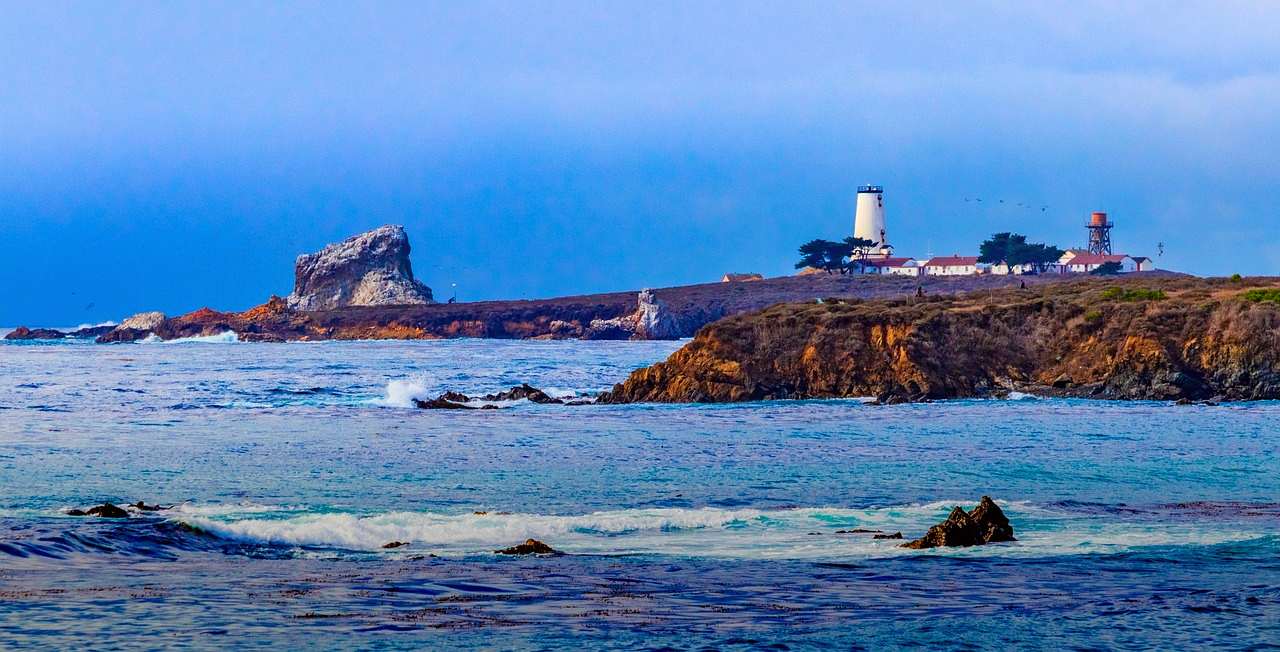
Point Sur Lighthouse
Historic lighthouse with guided tours
Routes through here
Every route opens in the planner as your own copy: change any stop, any night.
Sightseeing
Things to do
Local food and drinks
Local traditions
Do's and don'ts
Practical
At a glance
- Founded
- the 18th century
- Population
- 1.000
- Accessibility
- Some areas are accessible, but many trails are not.
- Price level
- Mid-range
Things to know
History
Big Sur's history is deeply intertwined with the Native American tribes, particularly the Ohlone. European settlers arrived in the 18th century, drawn by the area's natural resources and beauty. The region remained relatively isolated until the construction of Highway 1 in the 1930s, which opened it up to tourism.
Over the decades, Big Sur has attracted artists, writers, and musicians, becoming a haven for creativity. The area's unique blend of rugged terrain and coastal beauty has inspired countless works of art and literature, solidifying its place in California's cultural landscape.
Photo: athapap · Pixabay Content License · Pixabay
Photo credits (2)
- 15900104 · Pixabay Content License · Pixabay
- 14632436 · Pixabay Content License · Pixabay