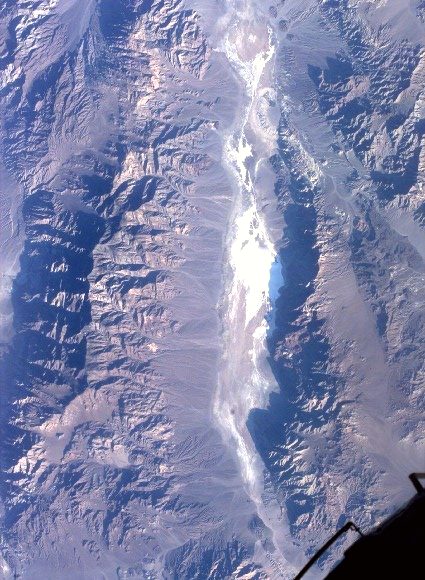
Death Valley
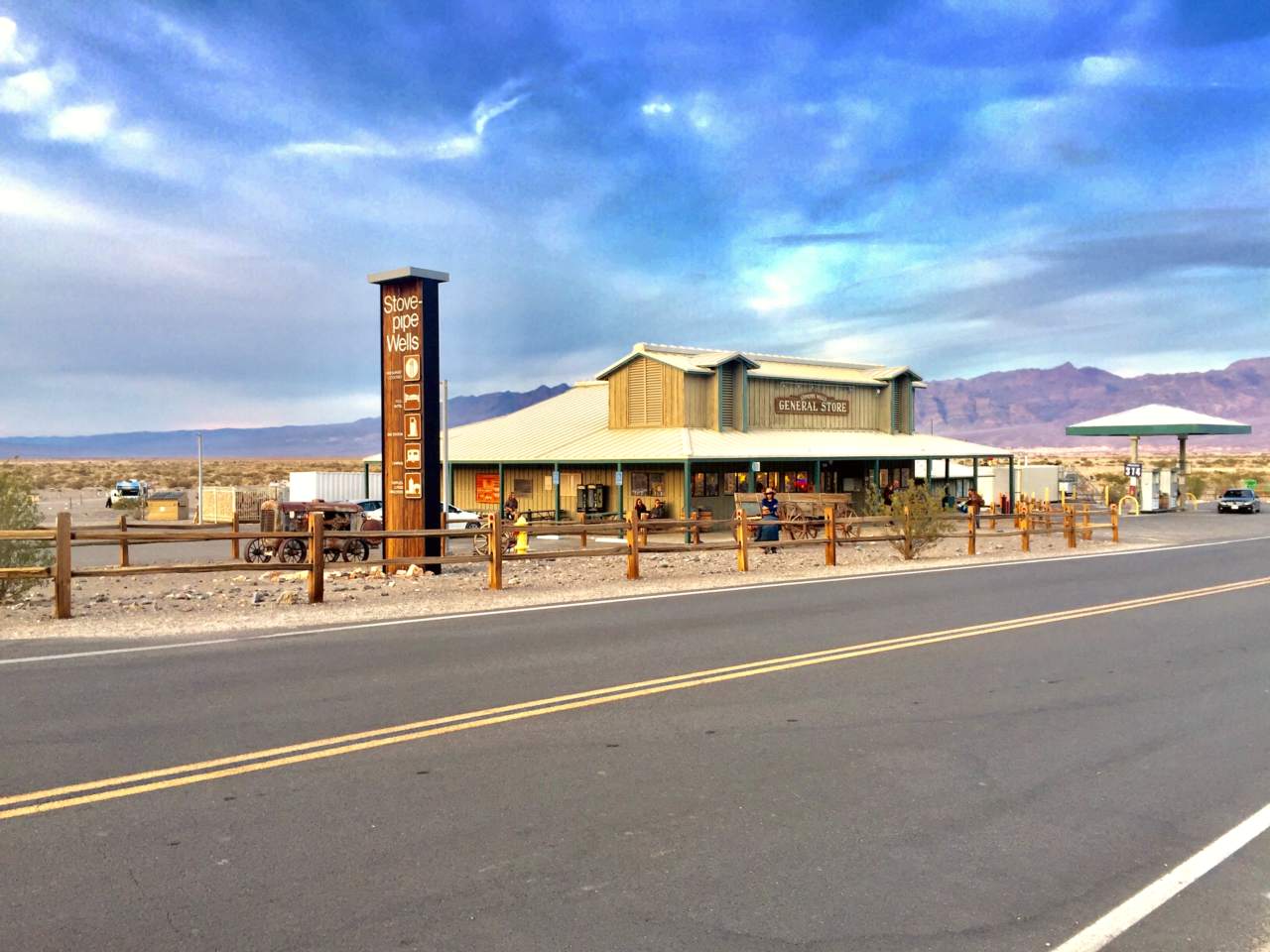
Gasoline is available at Panamint Springs Resort from 7am-9:30pm, daily. Gas is available at Furnace Creek and Stovepipe Wells 24hrs.
Straight from the US National Park Service, refreshed several times a day.
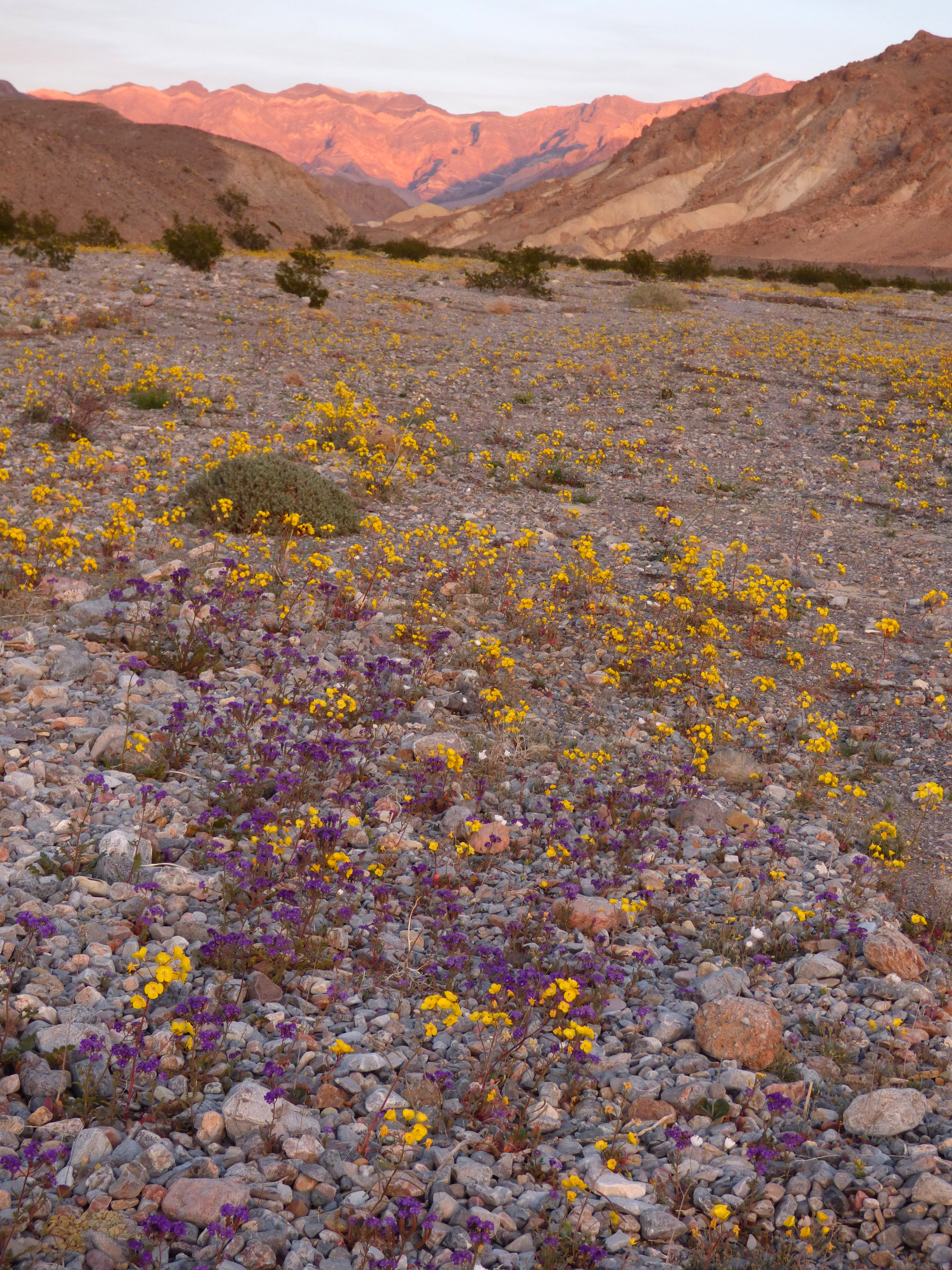
Death Valley is a striking landscape that captivates visitors with its extreme temperatures and unique geological features. The vast desert stretches out with dramatic contrasts, from towering sand dunes to salt flats, making it a photographer's paradise. The stark beauty of this national park is unlike anywhere else, offering a sense of solitude and wonder.
Read more
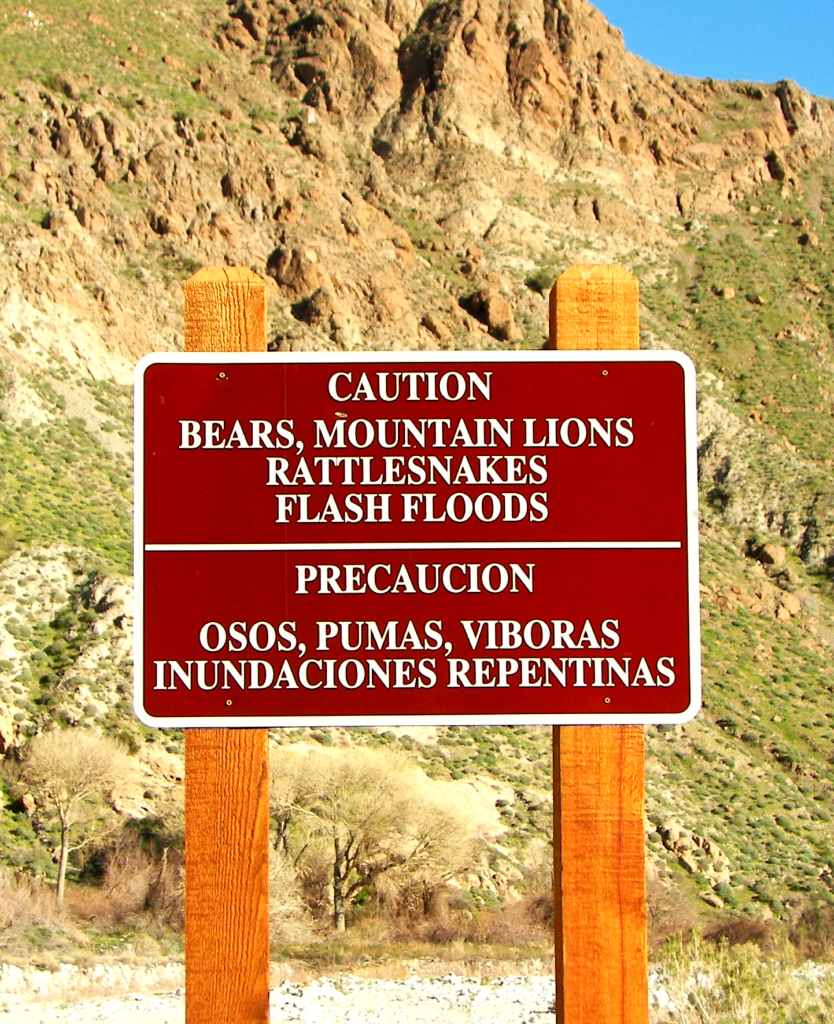
However, the harsh environment can be unforgiving. Visitors should prepare for extreme heat, especially in summer, and ensure they stay hydrated. The remoteness of the area means that amenities are limited, so planning ahead is essential for a safe and enjoyable experience.
Highlights
Artist's Palette
Colorful rock formations, great for photos
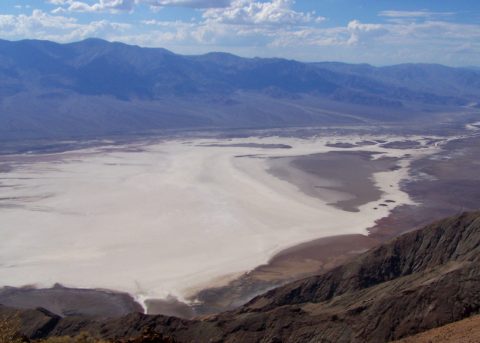
Badwater Basin
Lowest point in North America, unique landscape
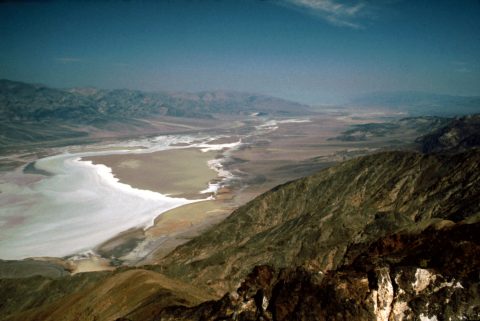
Dante's View
Stunning panoramic views of the valley
Mesquite Flat Sand Dunes
Ideal for sand play and exploration
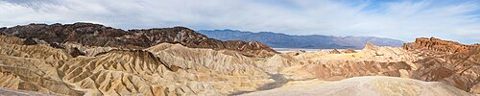
Zabriskie Point
Famous viewpoint with stunning desert landscapes
Routes through here


Every route opens in the planner as your own copy: change any stop, any night.
Sightseeing
Things to do
Local food and drinks
Local traditions
Do's and don'ts
Things to do
Practical
At a glance
- Established
- as a national park in 1994
- Open
- Daily open 24 hours
- Price
- Per Person $15, Commercial Entrance - Per Pe $15, Non-commercial Groups $15
- Accessibility
- Limited accessibility in some areas, plan ahead
- Opening hours
- Daily open 24 hours
- Phone
- 7607863200
- Price
- ~$15
- Price level
- Budget
- Website
- www.nps.gov
Things to know
History
Death Valley's name stems from a group of pioneers who stumbled upon the area in 1849 while searching for a shortcut to California's gold fields. Although only one member perished, the ominous name stuck, reflecting the harsh conditions of the valley. Over the years, the area has seen mining booms and the establishment of national park status in 1994.
The park is rich in history, with remnants of mining operations and ghost towns scattered throughout. It has become a protected area, preserving its unique ecosystems and geological wonders for future generations to explore and appreciate.
Photo: Wikipedia / Wikimedia Commons