Pinnacles National Park
Actual temperatures in the park may be up to 6℉ (3 ℃) higher than forecasts provided by the National Weather Service (NWS). Temperatures in rocky, exposed areas may be up to 10℉ (6 ℃) hotter than the actual temperature. Please plan accordingly, stay hydrated, limit strenuous acti
Wood-burning fires and charcoal grills are prohibited. Propane and gas stoves allowed only in campground and picnic areas for cooking food. No smoking on trail. No roadside parking. Fireworks are always prohibited.
Limit strenuous hiking to early morning and late evening hours. Expect temperatures in the High Peaks and Chalone Peak to be at least 10 degrees hotter than parking areas. Drink plenty of water and carry at least one liter of water for each hour of hiking. Bring salty snacks, a h Details
Pinnacles experiences extremely high visitation on weekends, holidays, and during favorable weather, especially in the spring. Expect long lines and delays between 10:00 am and 3:00 pm. If you're planning to hike the High Peaks, Condor Gulch, Balconies, or Moses Spring Trail, it’ Details
Straight from the US National Park Service, refreshed several times a day.
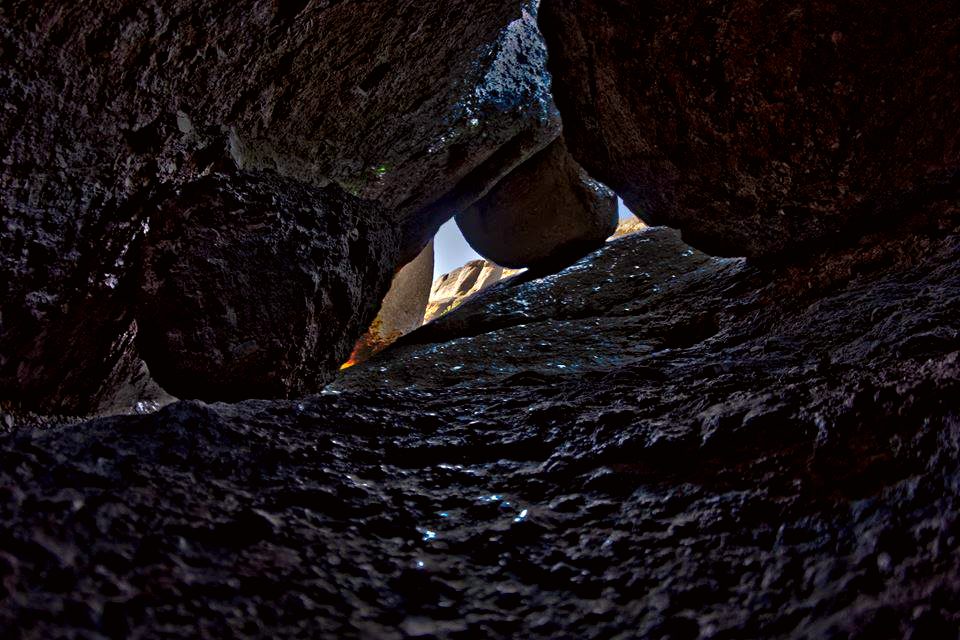
Pinnacles National Park, located in California, is known for its unique rock formations and talus caves. Established as a national monument in 1908 and designated a national park in 2012, it covers over 24,000 acres and attracts more than 200,000 visitors each year.
Read more
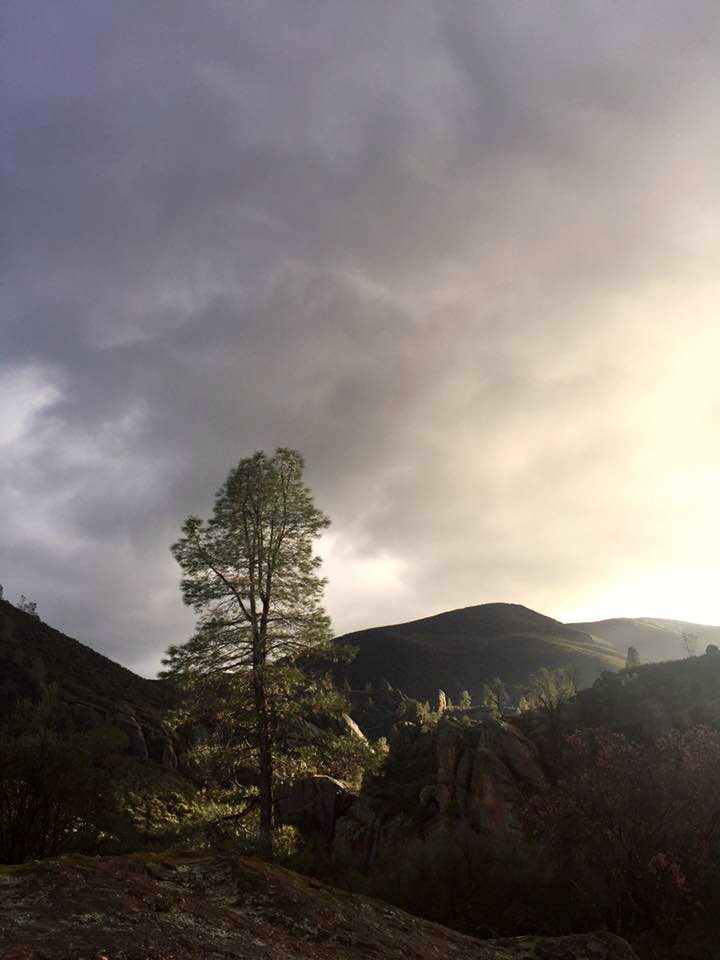
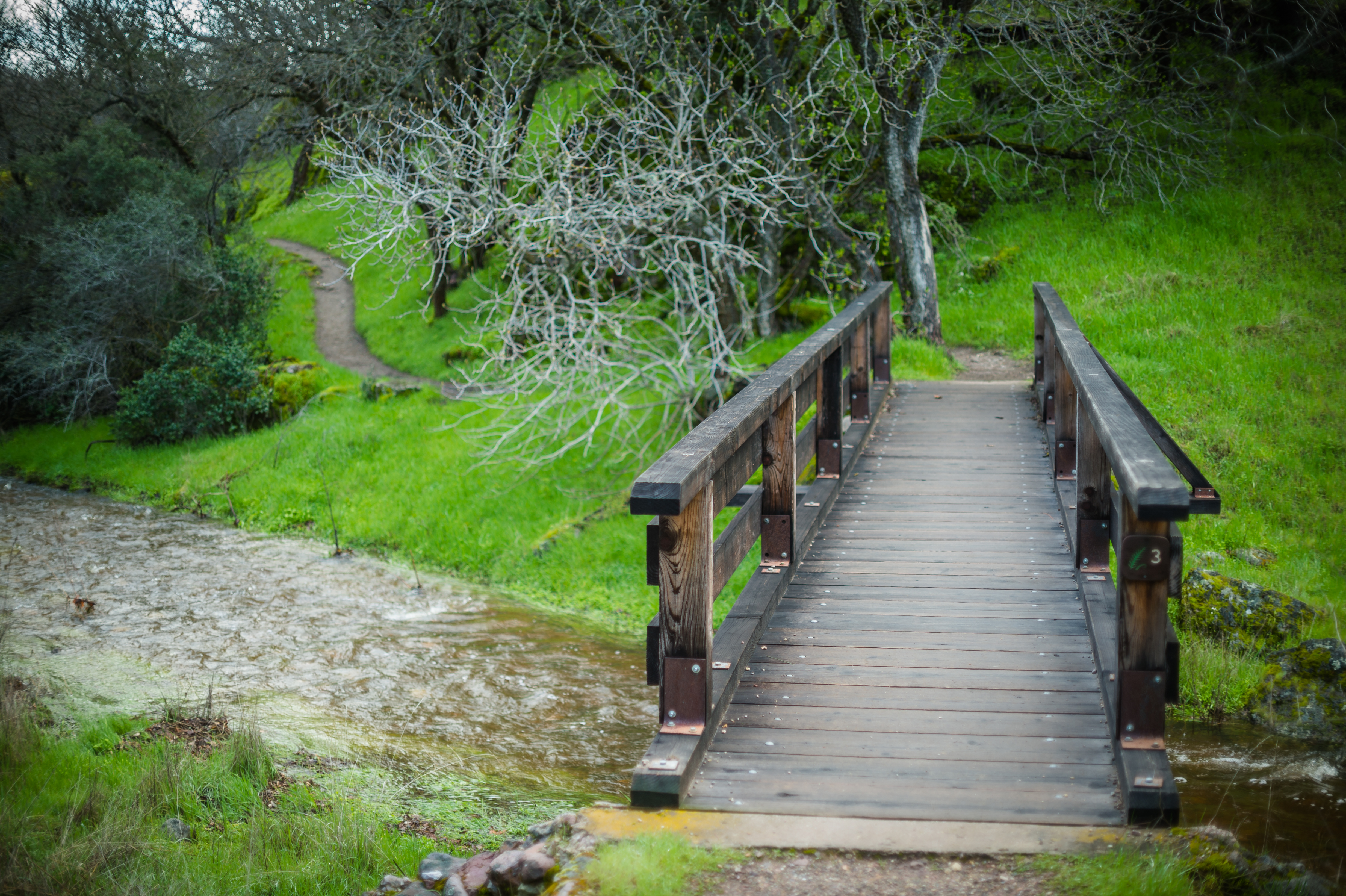
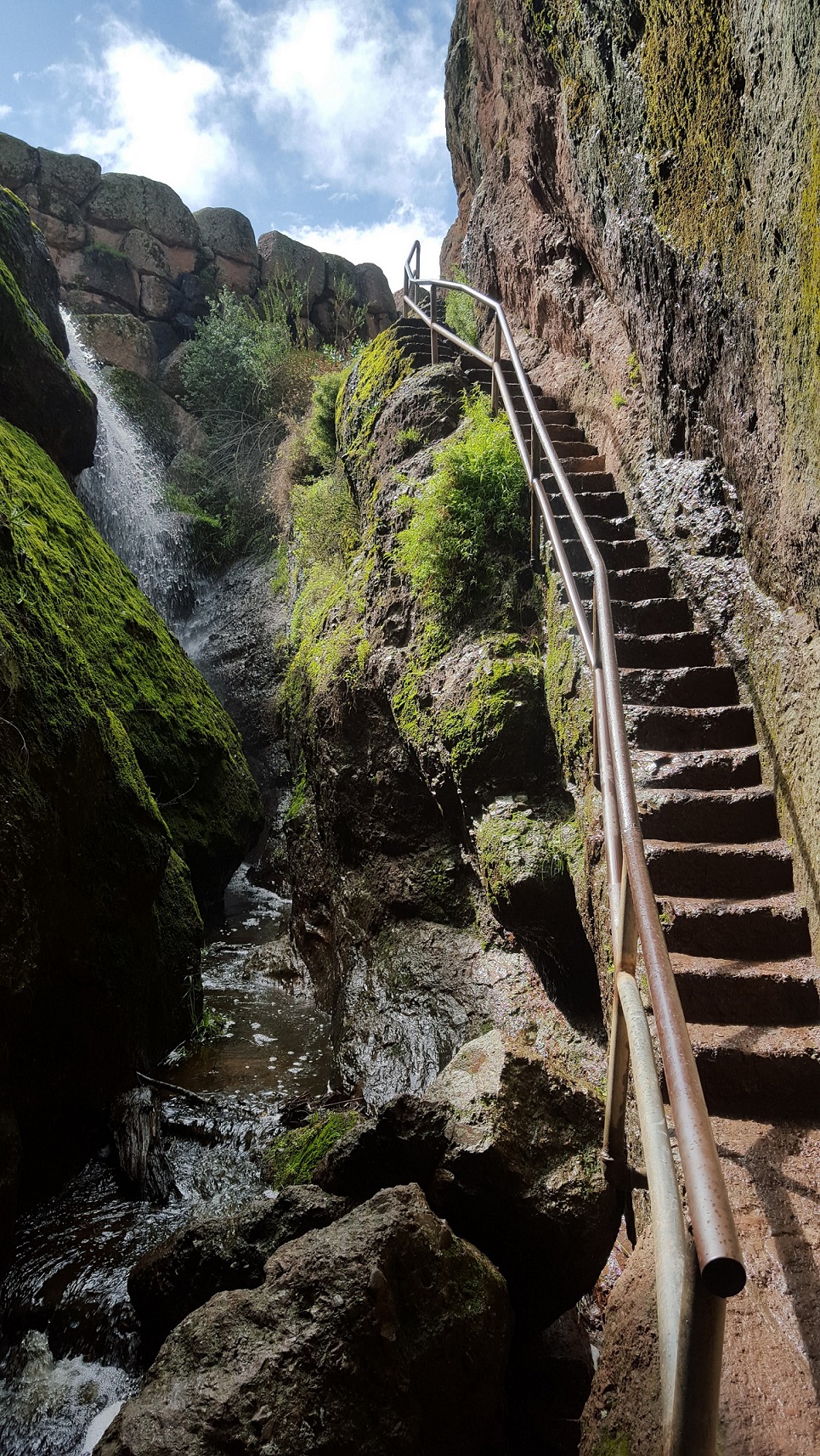
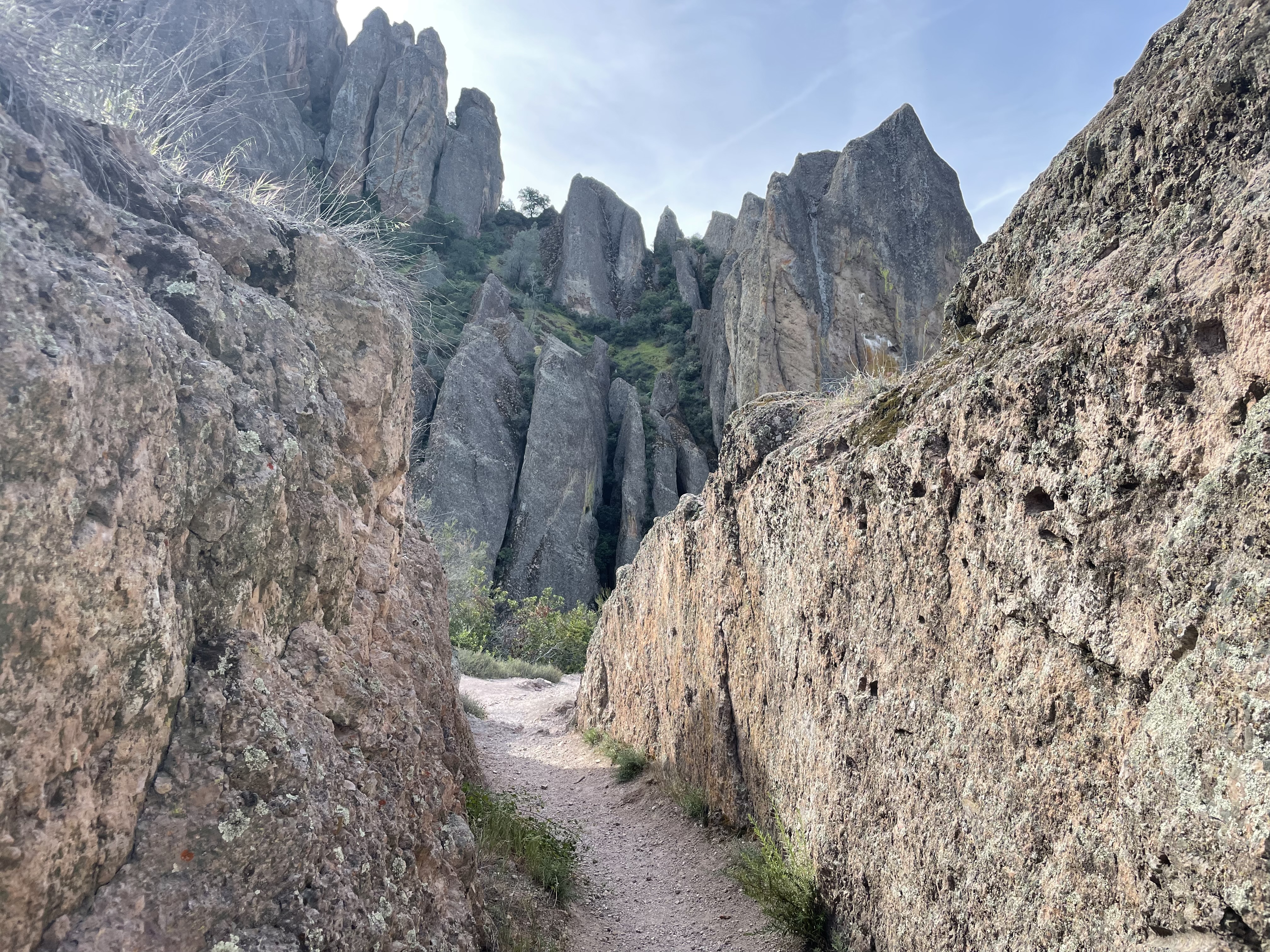
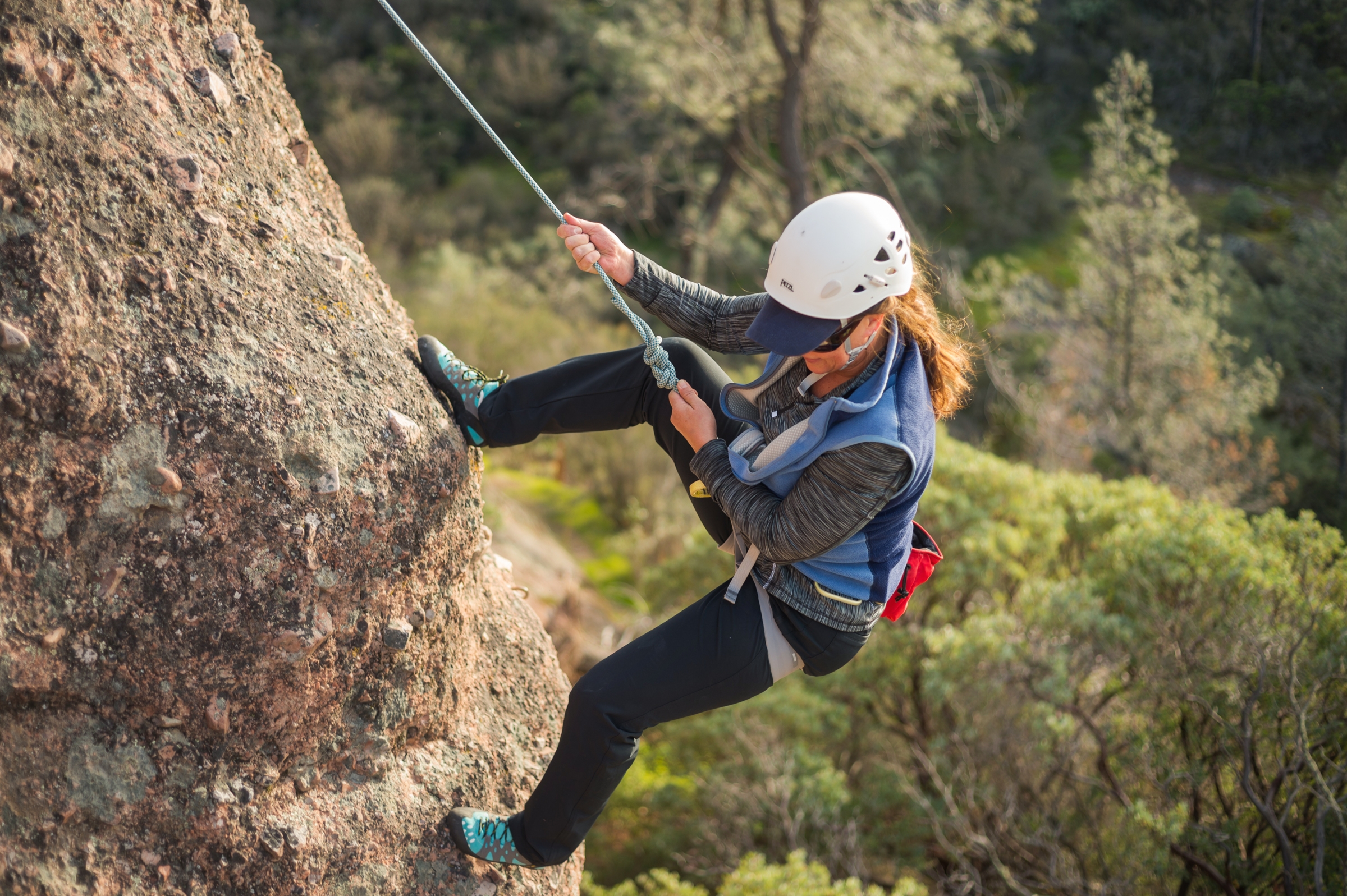
The park's landscape is shaped by the remnants of a 23 million-year-old volcano along the San Andreas fault. Visitors come to explore its rugged trails, observe wildlife, and enjoy the scenic views from various peaks. The park is particularly popular among rock climbers and hikers seeking a challenging experience.
In pictures
Things to do

Practical
At a glance
- Established
- 1908
- Open
- Daily open 24 hours
- Price
- Per Person $15, Non-commercial Groups $15, Motorcycle $25
- Accessibility
- some trails accessible, others steep
- Opening hours
- Daily open 24 hours
- Phone
- 8313894486
- Price
- ~$15
- Website
- www.nps.gov
Things to know
Photo: National Park Service/Oscar Garcia