Bent's Old Fort National Historic Site
Make sure to take weather into consideration when visiting. Carry water and use sunscreen to reduce the risk of heat injuries during your visit. Details
If you see a dead bat or a bat acting strangely at the fort, please do not touch or move it. Report the location of the animal to park staff.
The design of the reconstructed fort fails to meet accessibility, fire, and life-safety requirements of 1976. A lack of code compliant components such as emergency lighting, illuminated exit signage, panic hardware on doors, and outwardly swinging exit doors results in a limitati Details
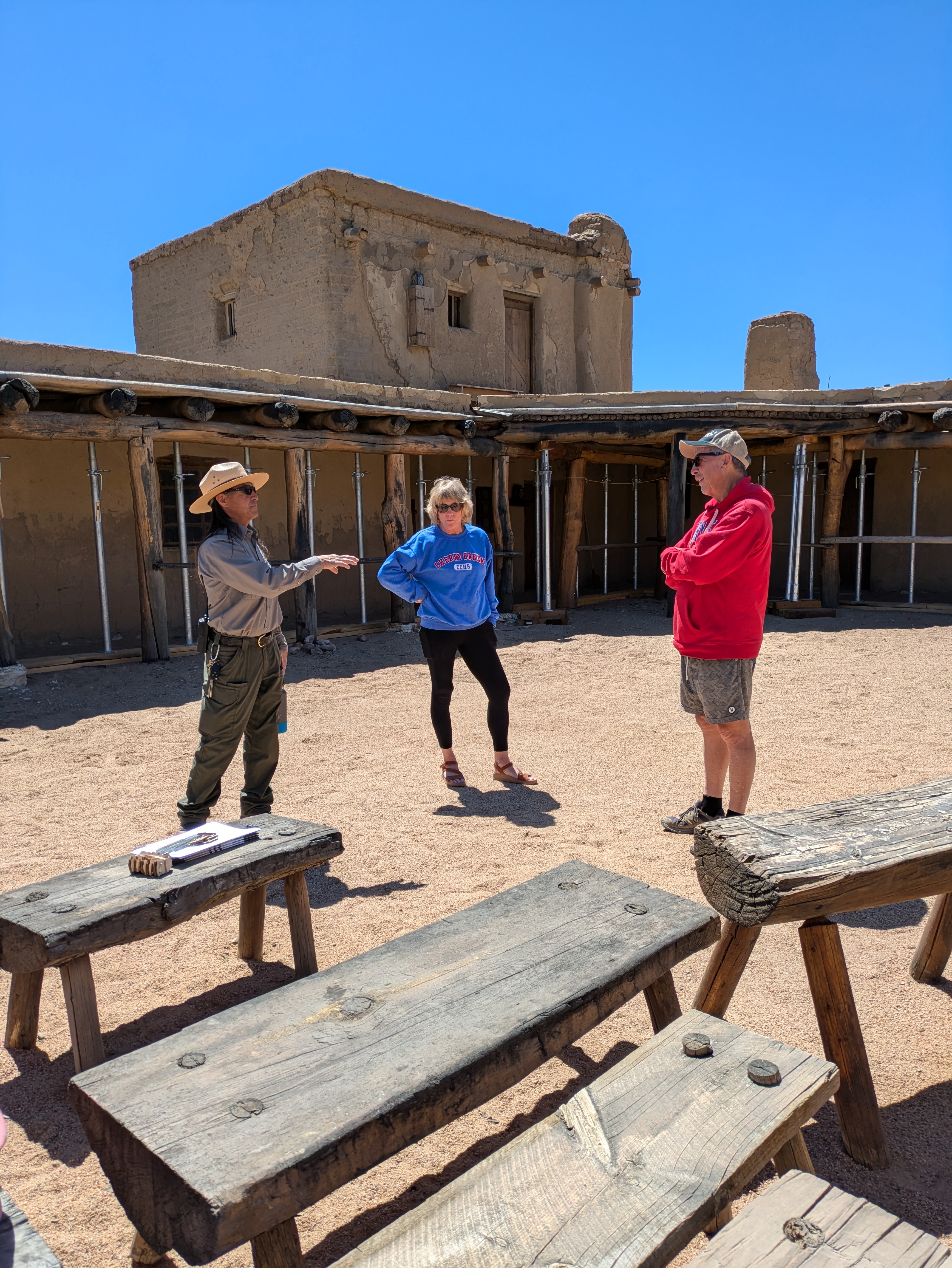
Entry into the reconstructed fort is limited to the central plaza on scheduled days. For your safety respect all closures and restrictions. Guided tours provide access into additional areas. Details
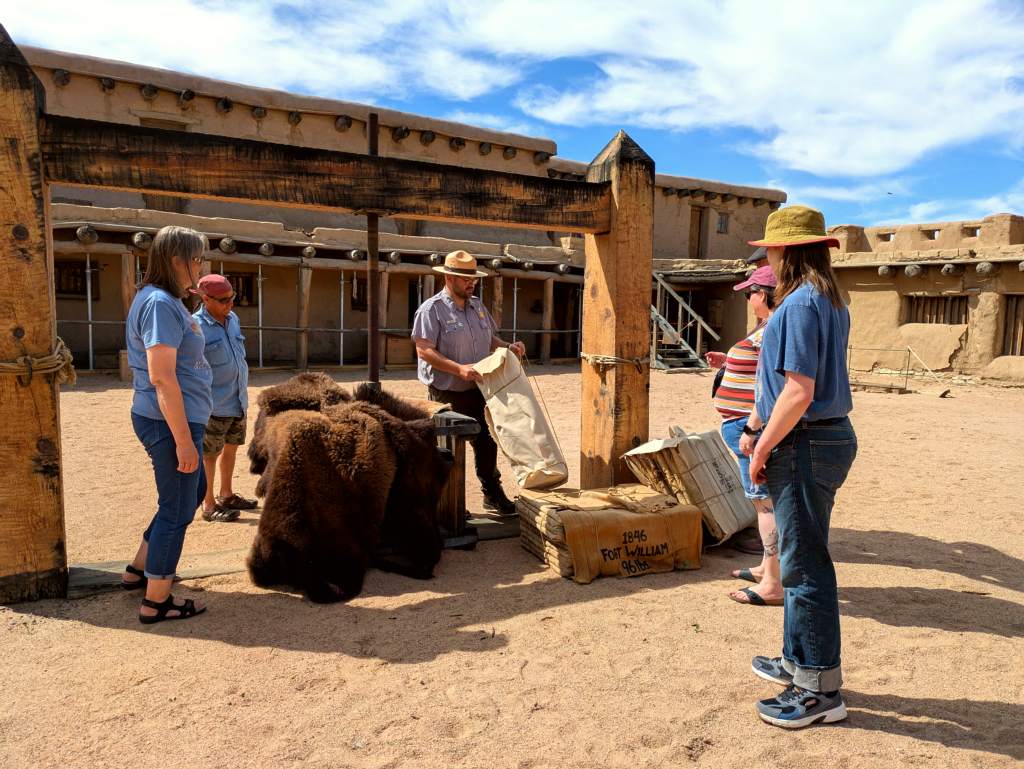
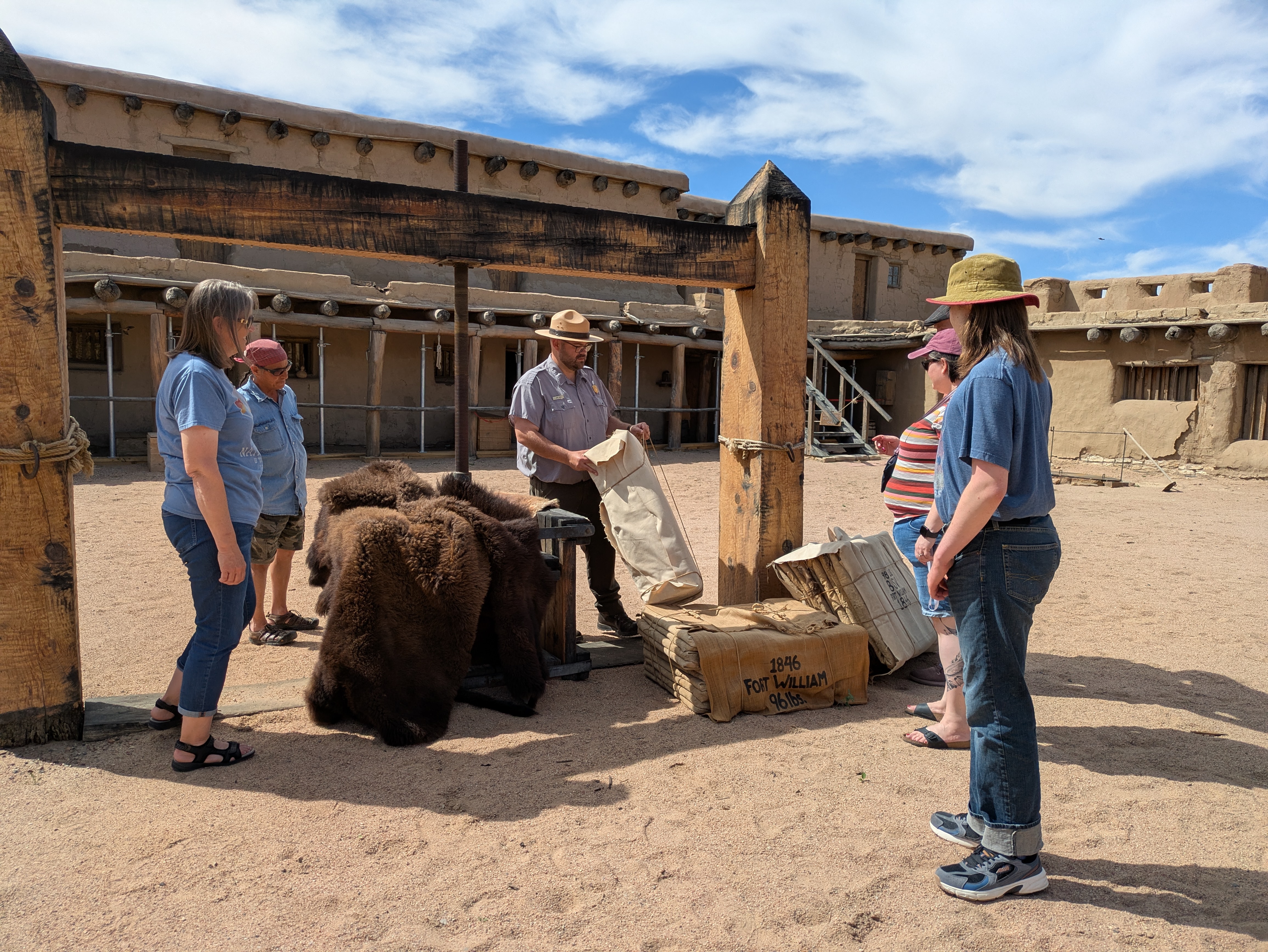
Regularly scheduled guided tours provide access into furnished rooms and explore the fort’s role in Westward Expansion and the reconstruction of the fort in 1976. Details
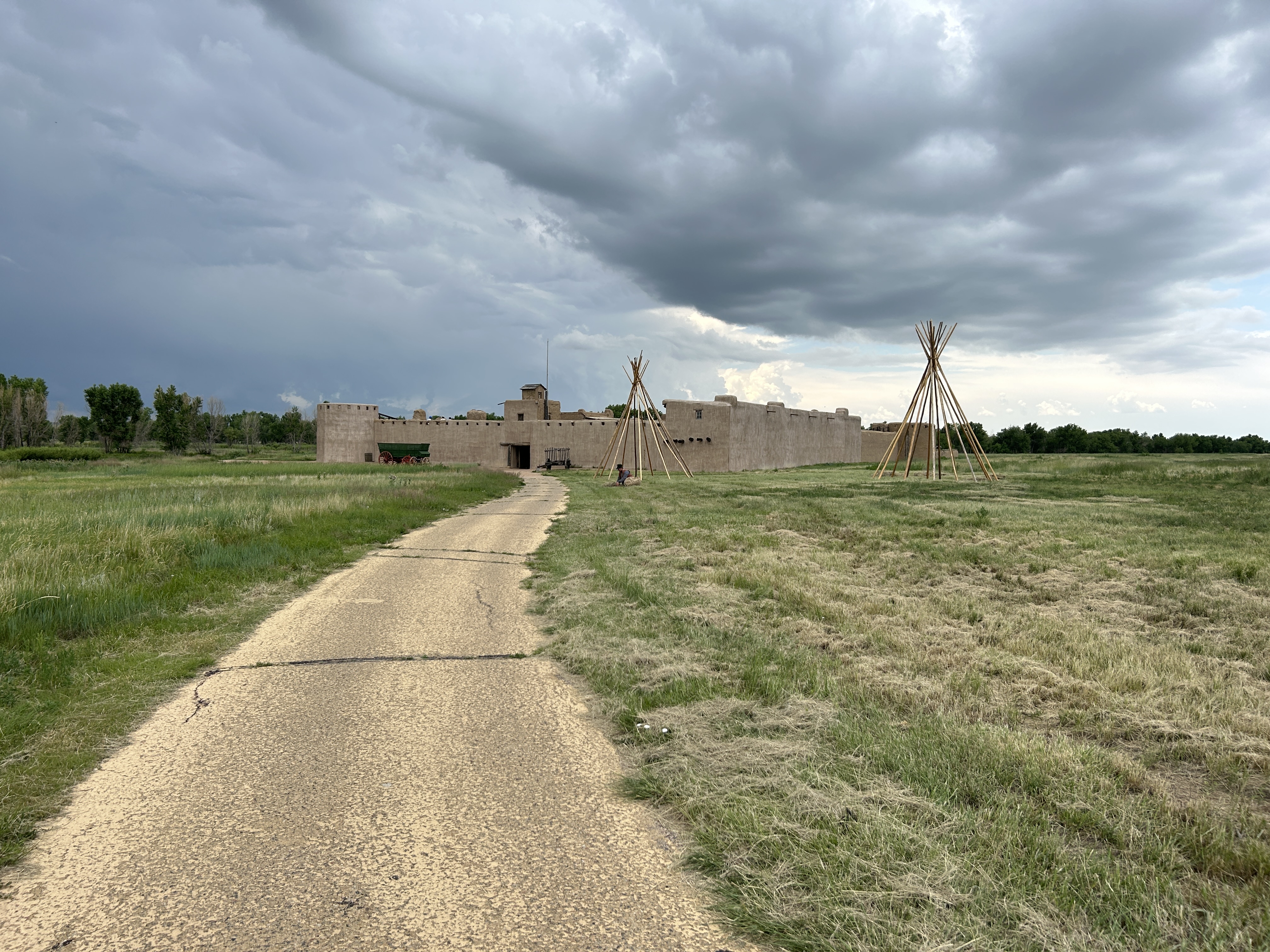
A 1/4 mile (1,275 feet) walk on a paved trail from the parking area is required to reach the gate of the fort. At the end of your visit, you'll return to your vehicle along the same path. Details
Straight from the US National Park Service, refreshed several times a day.
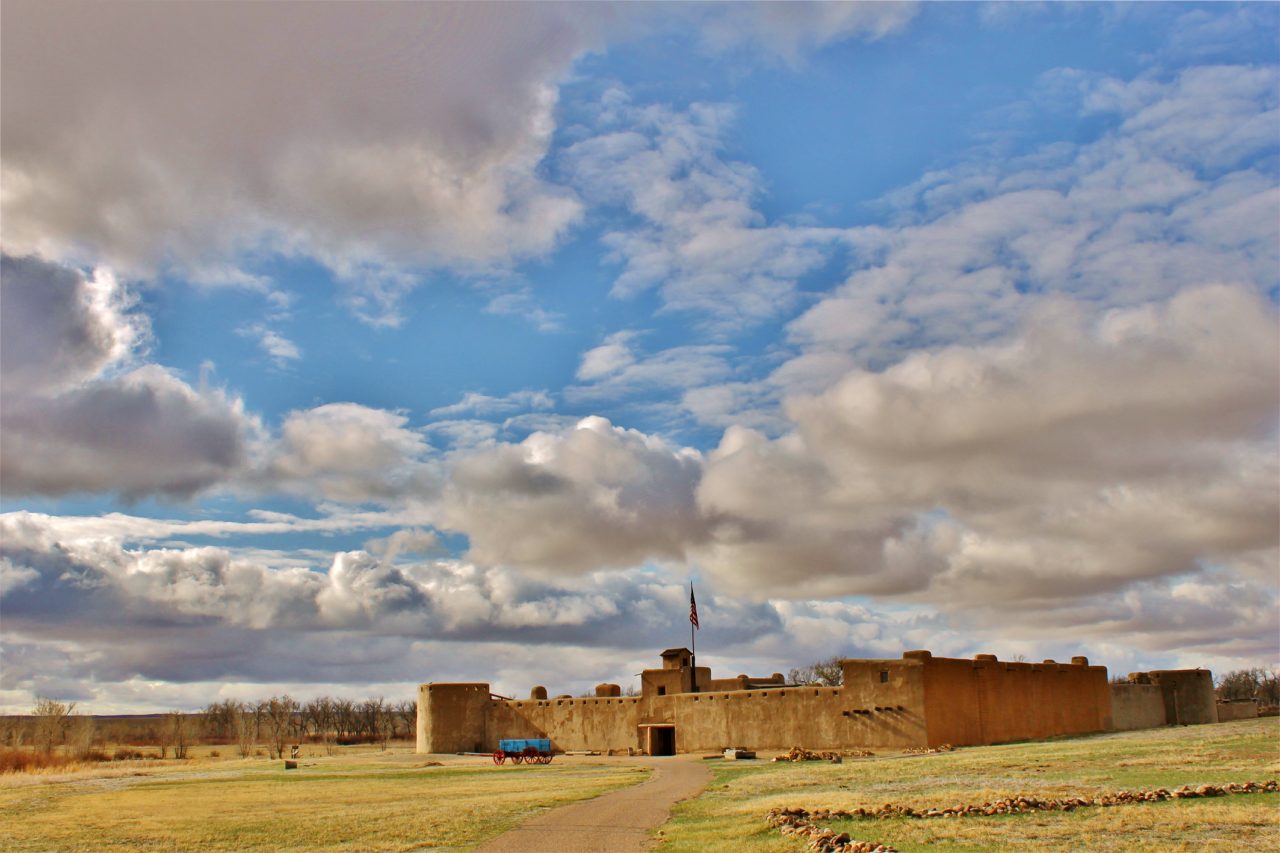
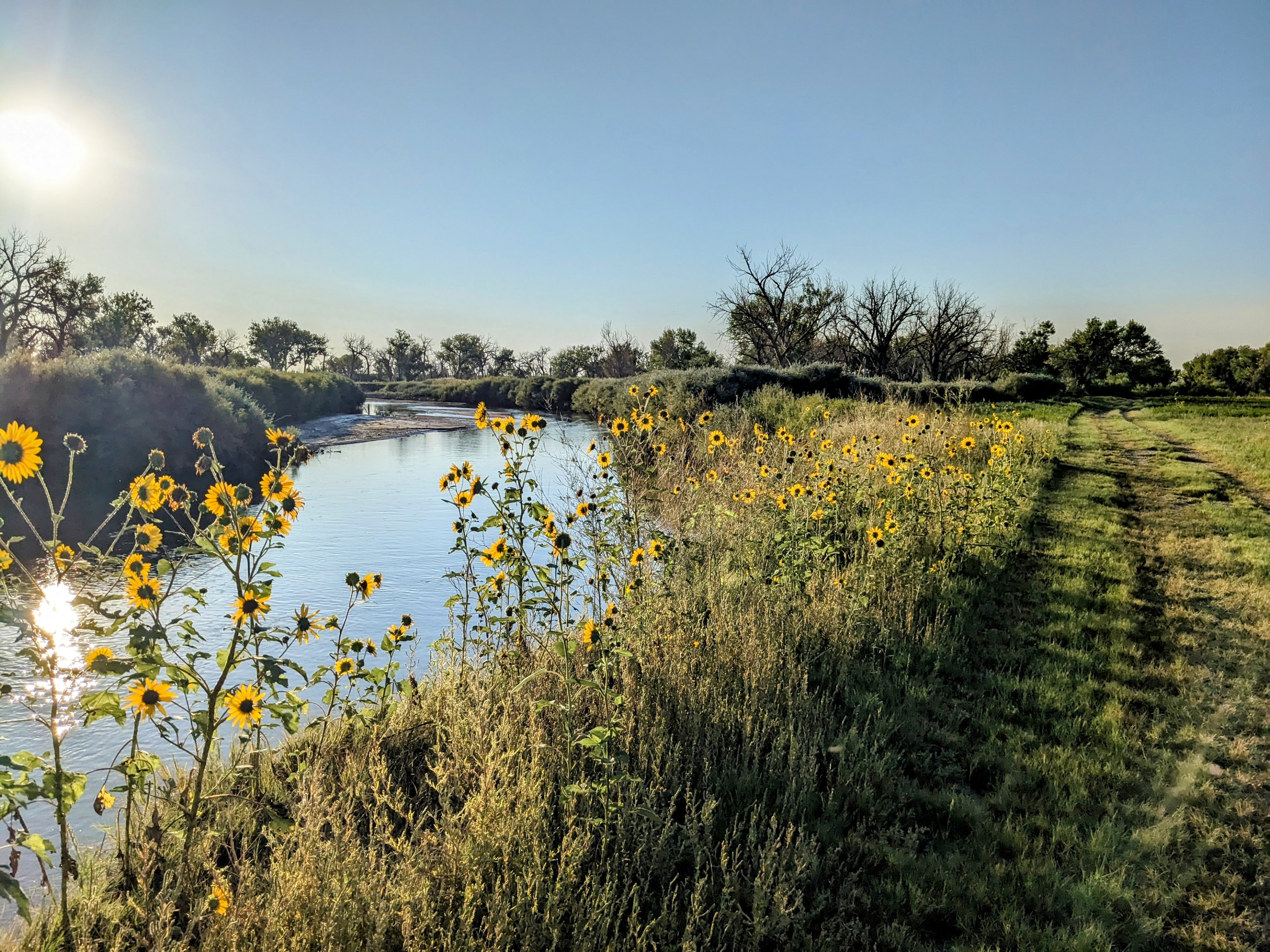
Bent's Old Fort National Historic Site is a reconstructed adobe fort located along the Arkansas River in southeastern Colorado. It served as a trading post and a cultural crossroads for various Native American tribes and European settlers in the 19th century.
Read more
Visitors come to explore the fort's historical significance and its role in the westward expansion of the United States. The site offers guided tours and reenactments that provide insight into the daily life of those who lived and worked there.
In pictures
Things to do
Practical
At a glance
- Opened
- 1833
- Open
- Daily 9:00AM - 4:00PM
- Accessibility
- partially accessible
- Opening hours
- Daily 9:00AM - 4:00PM
- Phone
- 719 383-5010
- Price
- ~$6
- Website
- www.nps.gov
Things to know
Photo: NPS/D. Ocheltree