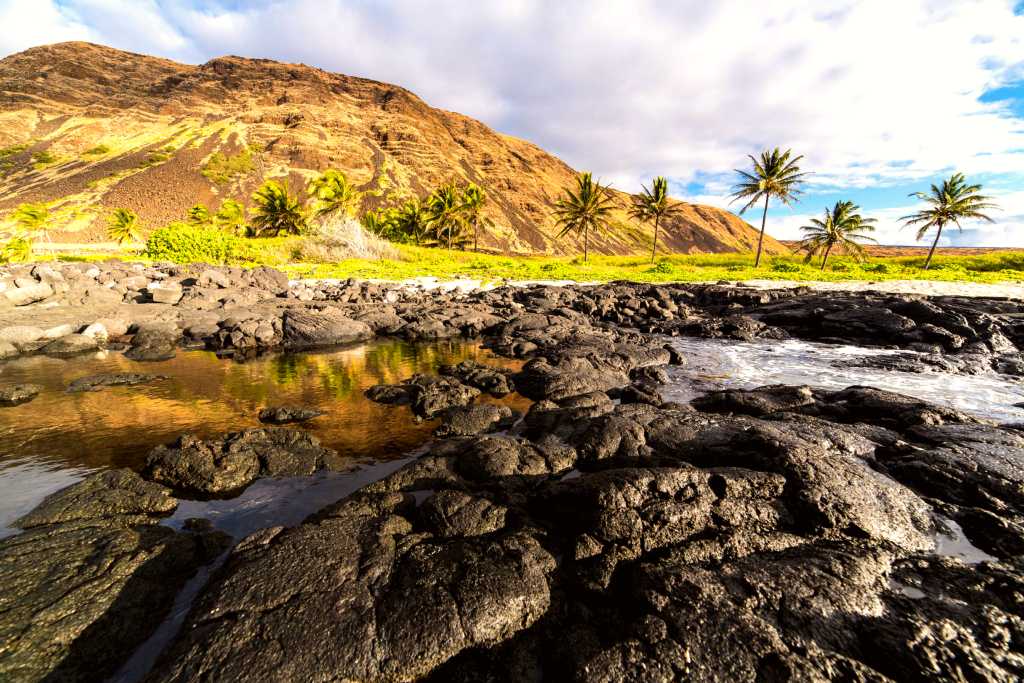
Hawaiʻi Volcanoes National Park
Kīpukapuaulu Trail remains closed due to numerous hazardous trees and hanging limbs resulting from several recent storms. Managers are developing a plan and will reopen the trail when it is safe.
Hilina Pali Road beyond the Maunaiki Trailhead will be closed to motorized vehicles on September 14, 2026 from 6 a.m. to 4:30 p.m. Monday through Thursday for shoulder work. Hikers, bicyclists and backcountry permit holders will be given access but should expect delays while heav
Mauna Loa Road will be closed to all use from the second cattle guard (about two miles past Kīpukapuaulu) to Mauna Loa Lookout for tree removal starting September 23 through October 29, 2026. The tree work will prepare the area for the Mauna Loa Road Rehabilitation Project. Vehic
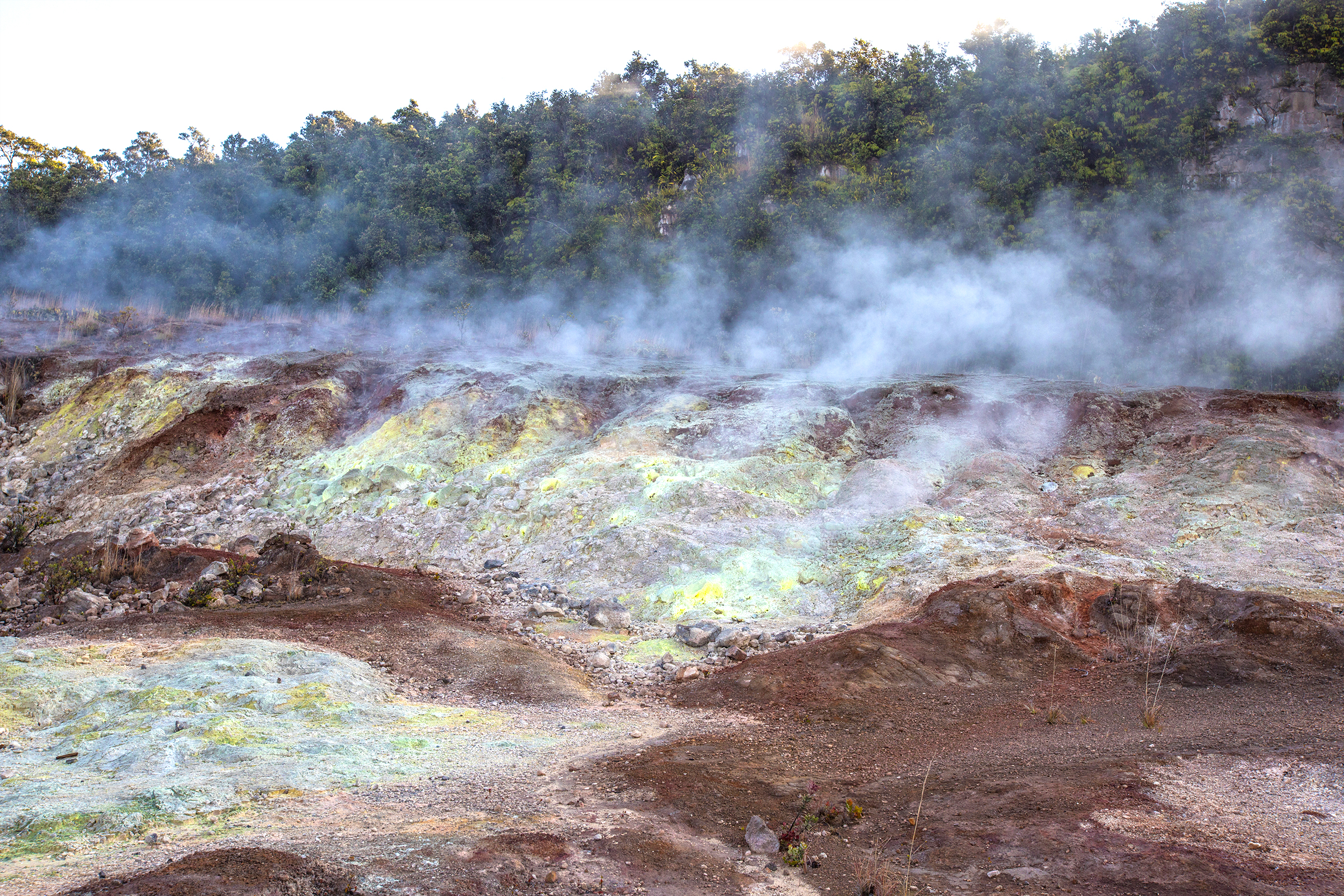
The Sulphur Banks Bridge is damaged and closed until further notice. The Haʻakulamanu area, boardwalk and Sulphur Banks Trail are open and accessible from the west side near Steam Vents.
Volcanic ash, rock and glassy strands (tephra) is present at Kīlauea summit and can irritate your skin, eyes and respiratory system. For your safety, do not handle it. Eye protection, long sleeves, long pants, a hat, closed-toe shoes and a dust mask are recommended.
Upper Kahuku Road remains closed beyond the boot decontamination station due to storm damage. The Visitor Contact Station and most trails in the Kahuku Unit are now open following Hurricane Lala. Kahuku Road above the Lower Palm Trailhead is deeply rutted by the recent heavy rain
Volcanic eruptions can be hazardous. Stay out of closed areas and monitor air quality. Eruptions can last a few hours and are often separated by pauses lasting several weeks. Details
Straight from the US National Park Service, refreshed several times a day.
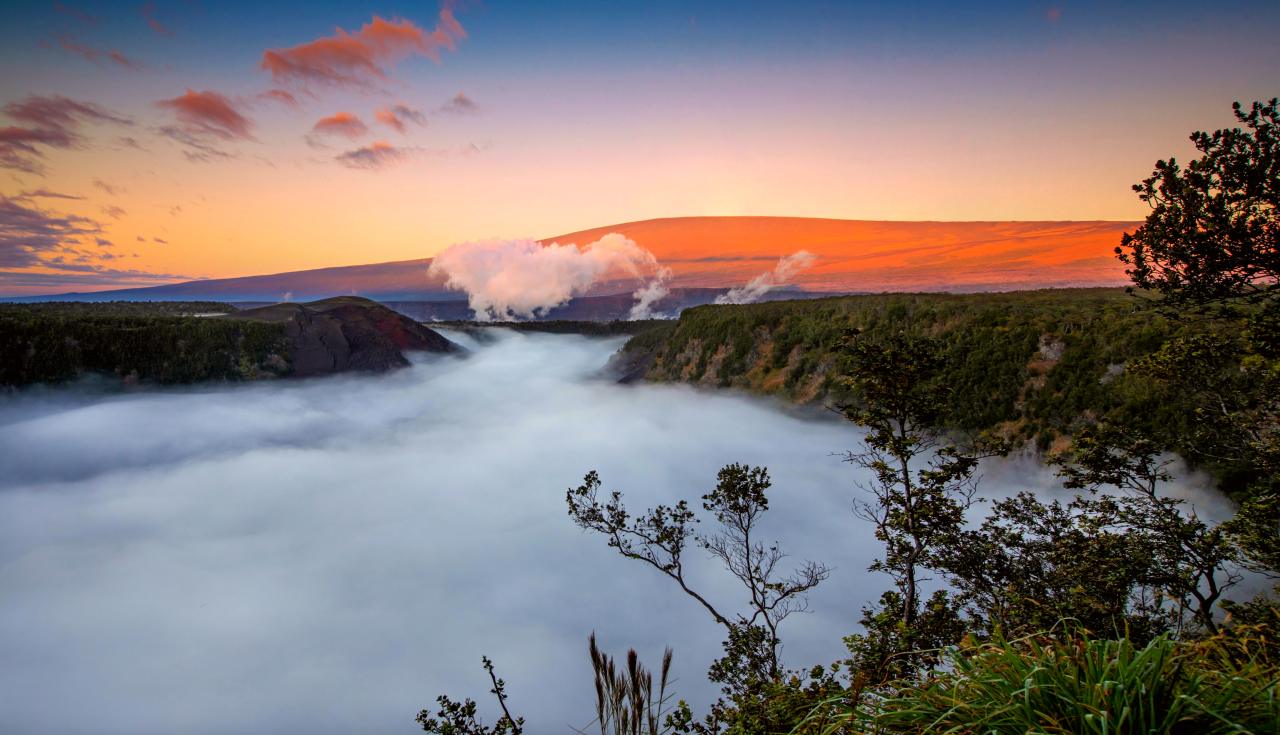
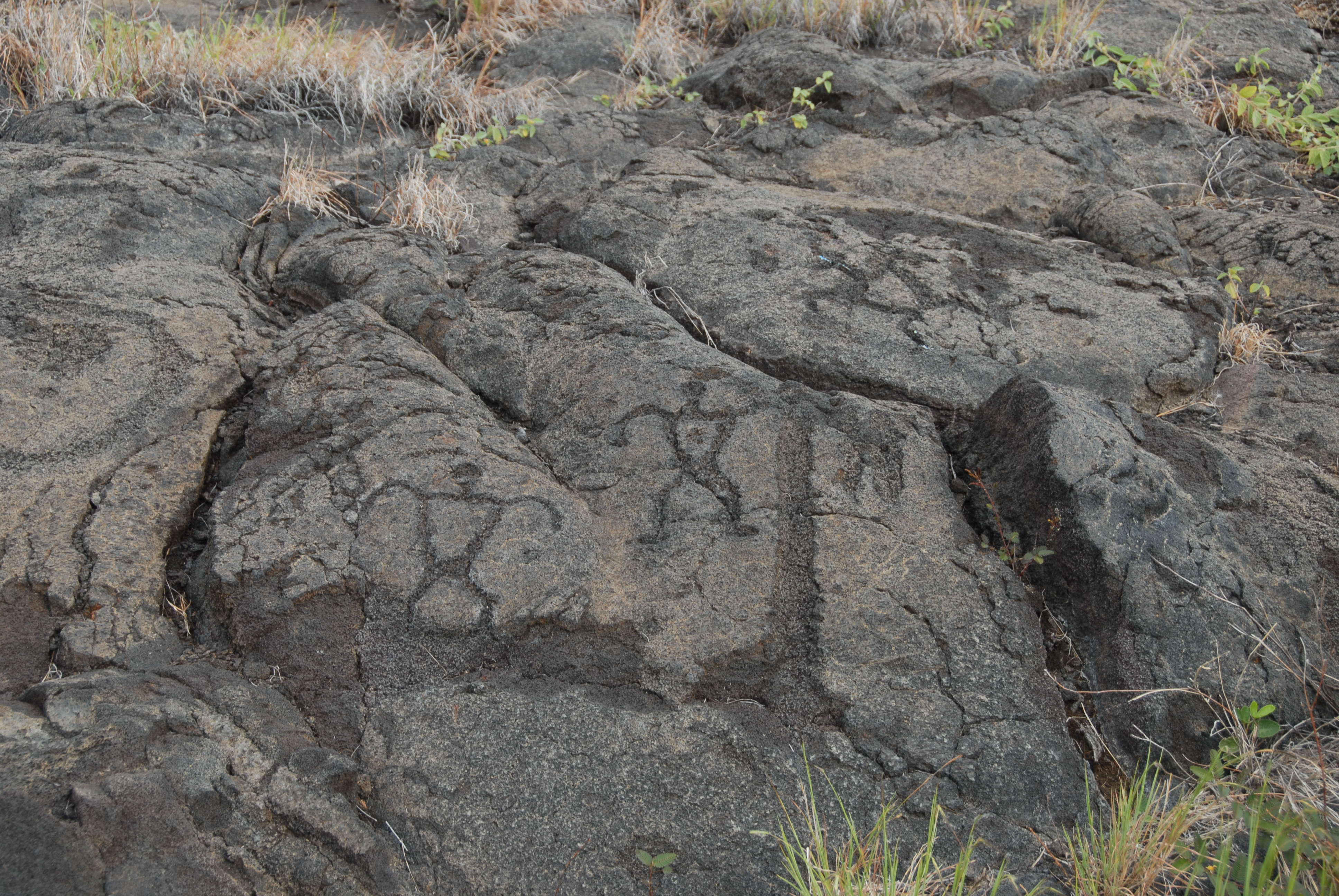
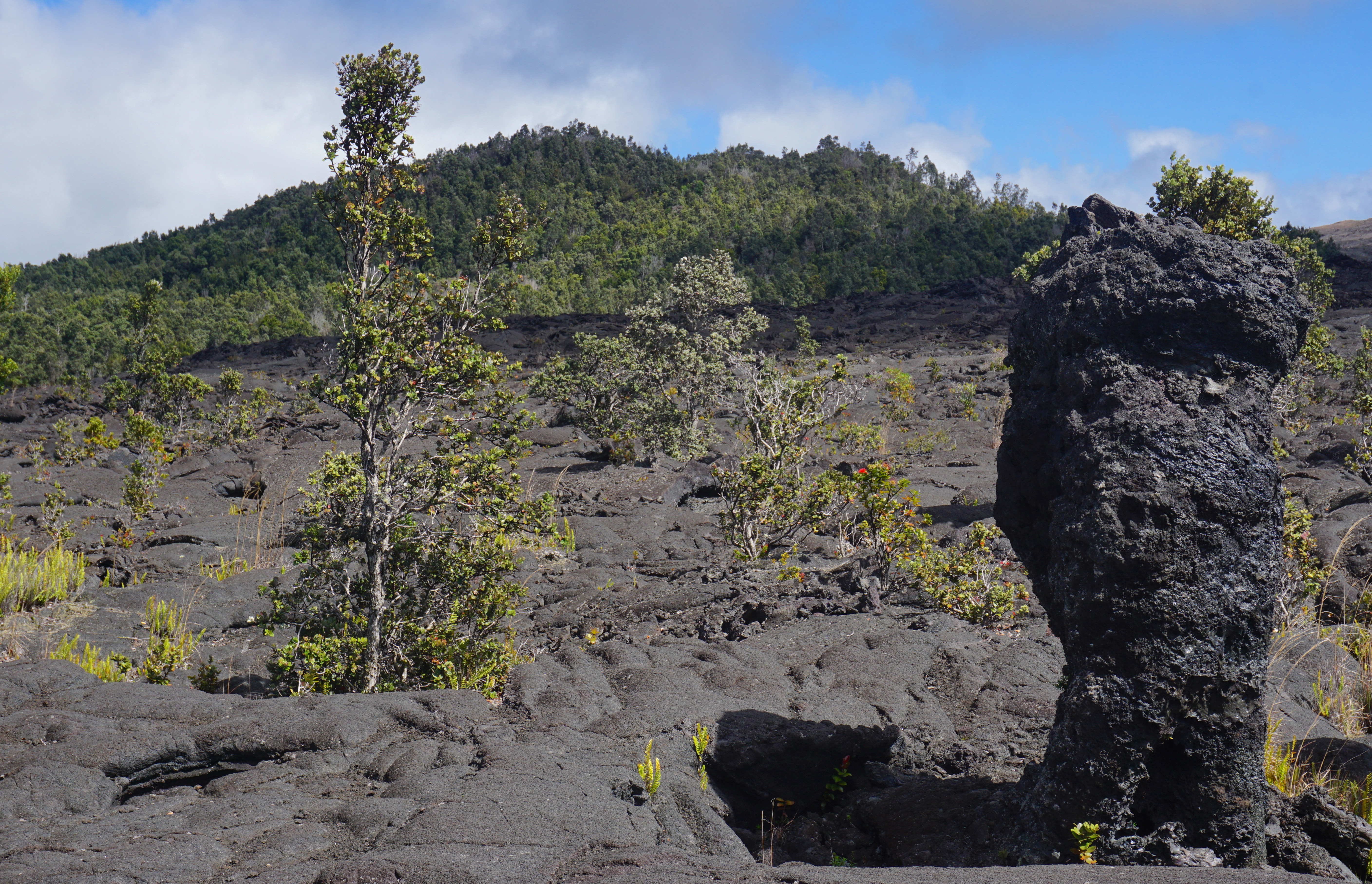
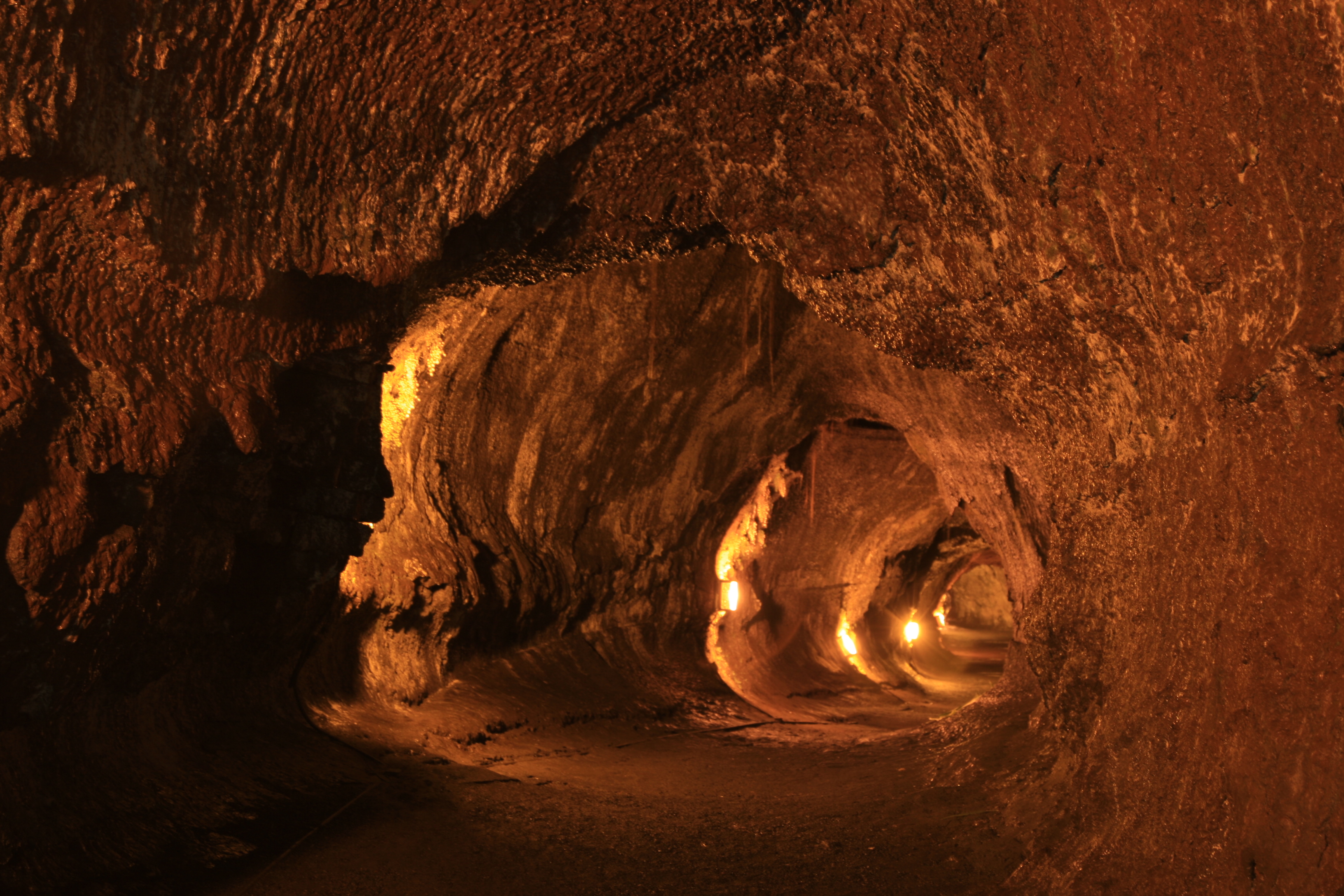
Hawaiʻi Volcanoes National Park is a unique landscape shaped by volcanic activity, featuring Kīlauea and Mauna Loa, two of the world's most active volcanoes. Visitors come to witness the raw power of nature, explore lava tubes, and learn about the cultural significance of the land to Native Hawaiians.
Read more
The park offers various trails and viewpoints, allowing for a close look at volcanic features. However, conditions can change rapidly, and safety is a priority. Travelers should be prepared for the elements and respect the natural environment.
In pictures
Things to do

Live now
Practical
At a glance
- Established
- 1916
- Open
- Daily open 24 hours
- Price
- Per Person $15, Commercial Entrance - Per Pe $15, Motorcycle $25
- Accessibility
- some areas wheelchair accessible
- Opening hours
- Daily open 24 hours
- Phone
- 8089856011
- Price
- ~$15
- Website
- www.nps.gov
Things to know
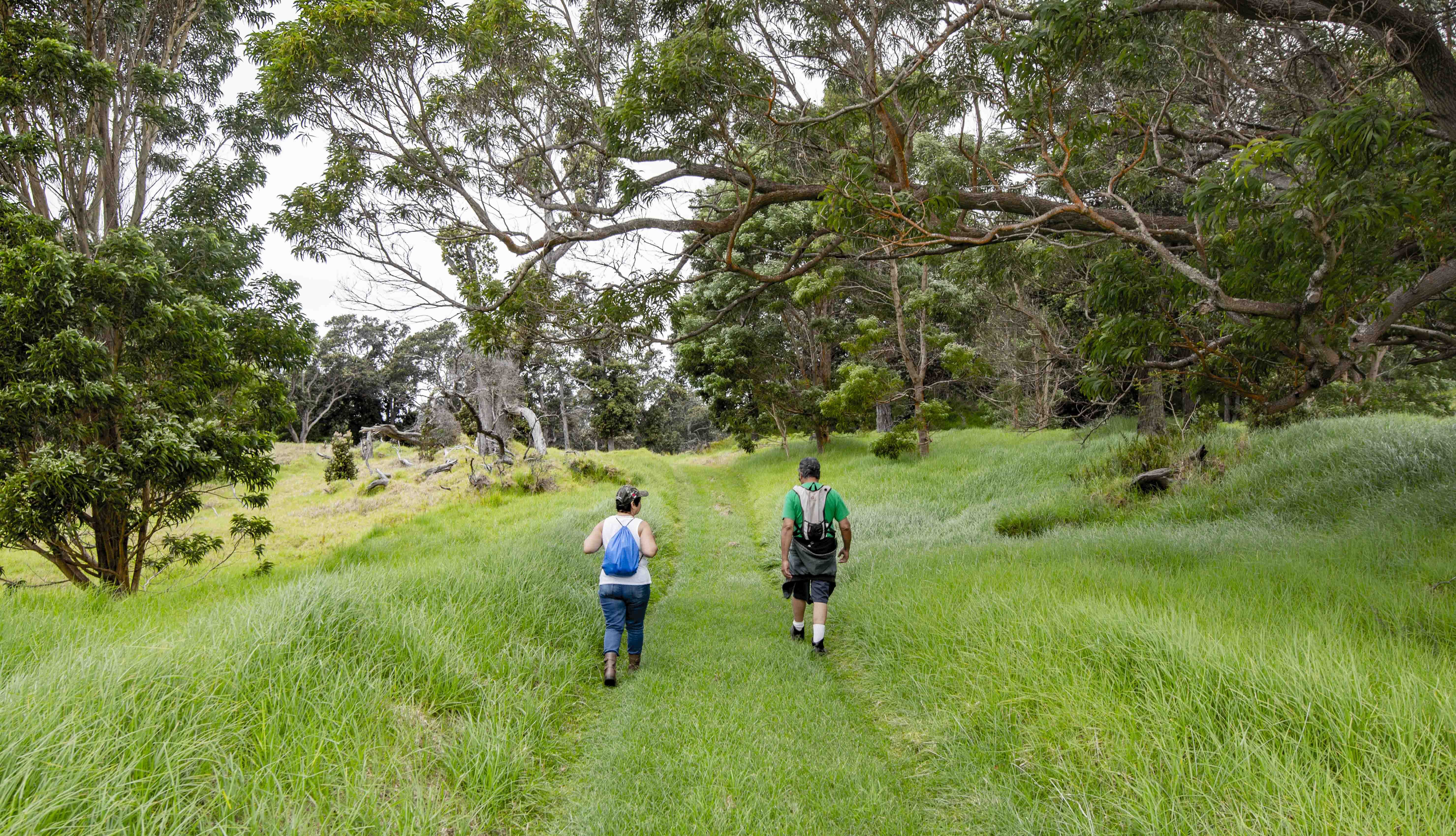
Photo: Courtesy of J. Frank