kiomigo
search
search
add New trip
Molokai

Molokai

Population: 7.000 Since: Founded around 600 AD Price: Budget
accessible Accessibility: Some areas are wheelchair accessible, but check in advance.

Introduction

Molokai offers a serene escape from the hustle and bustle of modern life. Known as the 'Friendly Isle', it boasts stunning landscapes, rich cultural heritage, and a laid-back atmosphere that invites visitors to unwind and connect with nature.

The island's charm lies in its authenticity, with fewer tourists compared to other Hawaiian islands. Visitors can explore lush valleys, pristine beaches, and historical sites, all while experiencing the warm hospitality of the local community.

In pictures

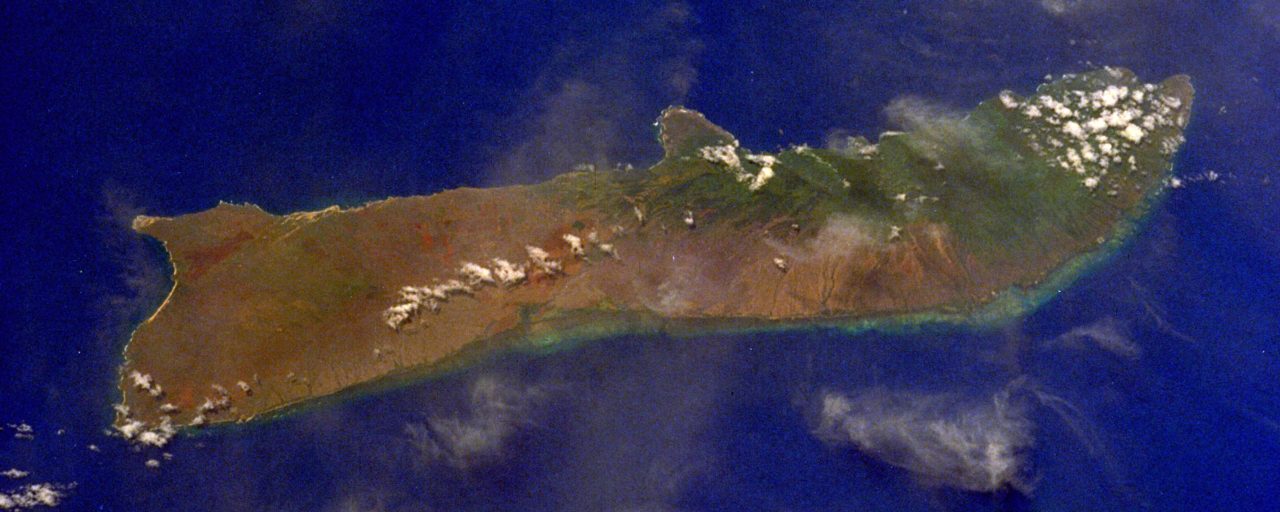
Eastern Molokaʻi with a portion of Kamakou and Molokaʻi Forest Reserve
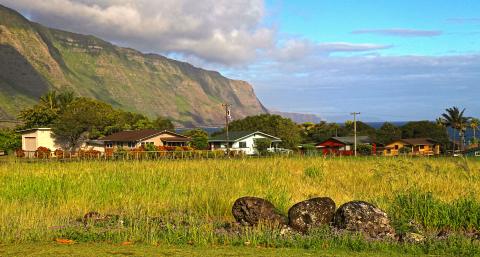
Halawa Bay Beach Park, located at the extreme east end of Molokaʻi
U.S. Coast Guard Molokaʻi Light, Kalaupapa Peninsula, northern shore of Molokaʻi. It is listed on the National Register of Historic Places.[17]
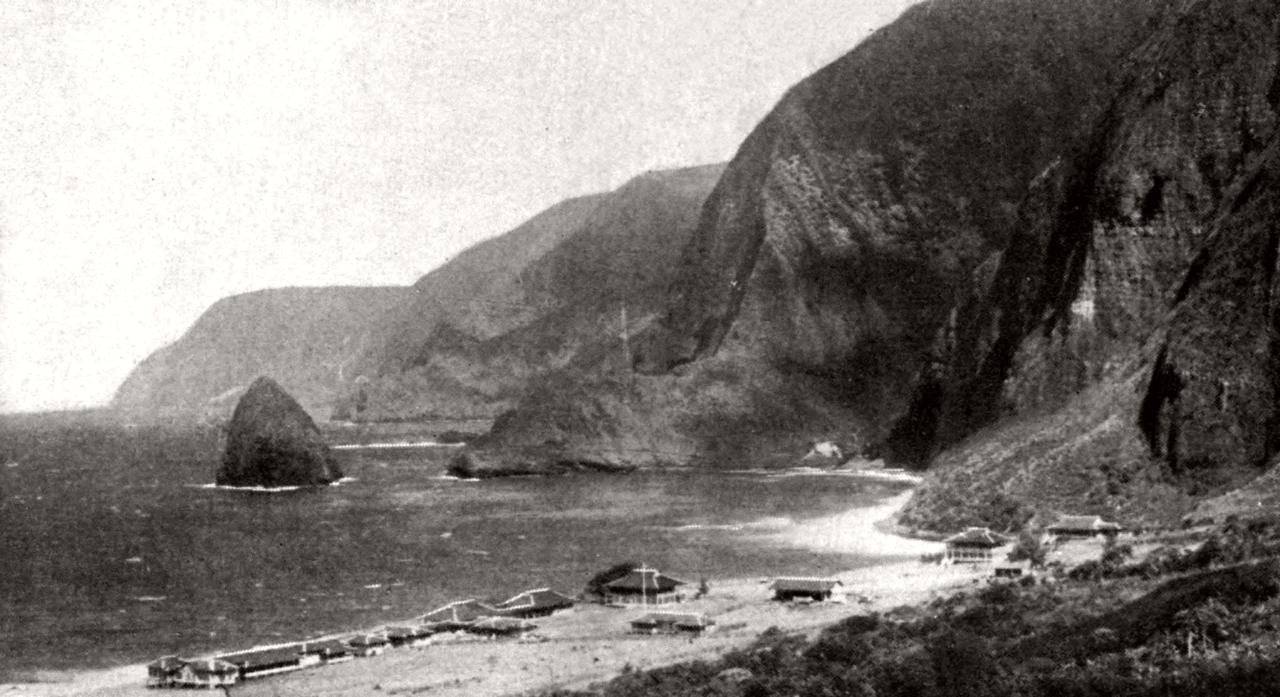
Leper colony 1907 on Molokaʻi
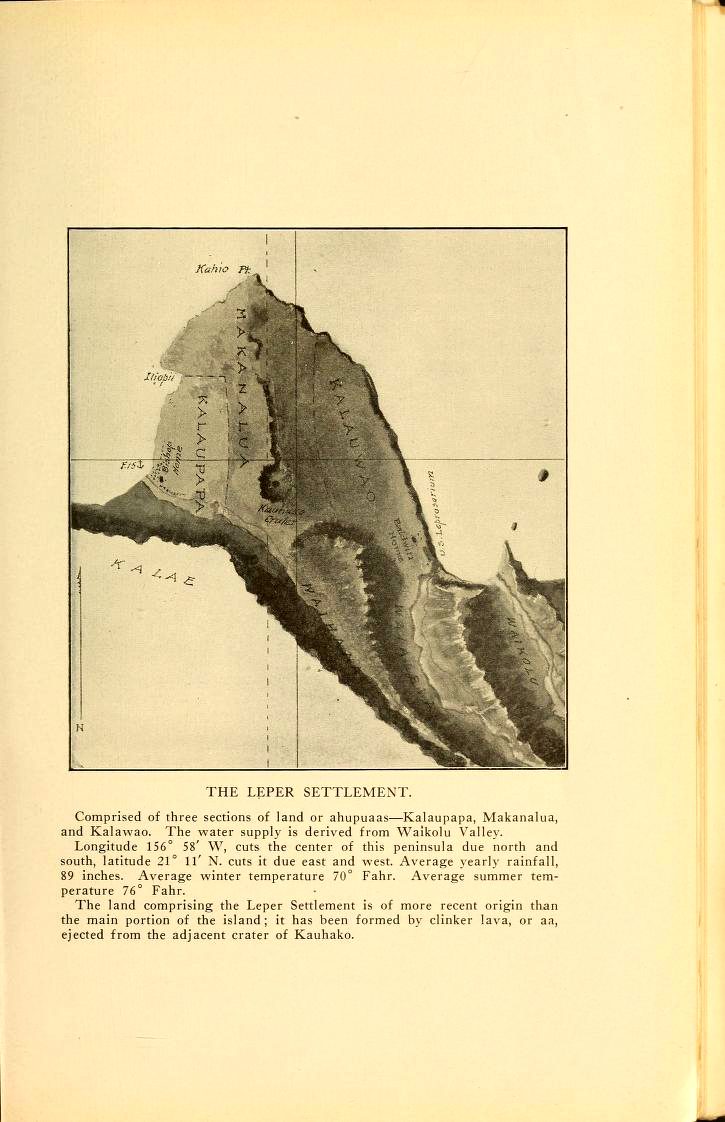
The Kalaupapa Leper Settlement
Molokaʻi Waterfall
Molokaʻi Waterfall

Sightseeing

Kalaupapa National Historical Park: a poignant site reflecting the history of leprosy patients
Halawa Valley: a breathtaking valley with waterfalls and hiking trails
Papohaku Beach: one of Hawaii's largest white sand beaches
Molokai Museum: showcases the island's rich history and culture
Pu'u O Hulu: a scenic viewpoint offering panoramic views of the island

"Experience the true spirit of Hawaii"Molokai

Things to do

Hike to the Kalaupapa Peninsula: experience stunning views and historical significance
Explore the Halawa Valley: enjoy guided tours and learn about local culture
Snorkel at Molokai's coral reefs: discover vibrant marine life
Attend a local luau: immerse yourself in Hawaiian traditions and cuisine

Local food and drinks

Malasadas: delicious Portuguese doughnuts found at local bakeries
Poke: fresh fish salad, a local favorite
Spam musubi: a popular snack combining rice and Spam
Local plate lunches: hearty meals featuring rice, meat, and macaroni salad
Fresh coconut water: a refreshing drink enjoyed by many

Local traditions

Molokai's Ho'olaulea Festival: celebrates Hawaiian culture with music and dance
Annual Molokai Island Fair: showcases local crafts, food, and entertainment
Traditional Hawaiian fishing practices: still observed by local fishermen
History - Molokai

History

Molokai has a rich history, with evidence of human settlement dating back over a thousand years. The island was once a thriving center for agriculture and fishing, with a strong connection to Hawaiian traditions and culture.

In the 19th century, Molokai became known for the Kalaupapa settlement, where individuals affected by leprosy were isolated. Today, this history is preserved and honored at the Kalaupapa National Historical Park, offering insights into the lives of those who lived there.

Things to know

Limited public transportation options may require renting a car
Accommodations can be basic, so plan ahead for comfort
Some attractions may have restricted access due to natural conditions
Be mindful of local customs and respect the island's culture

Do's and don'ts

Explore the island's natural beauty
Engage with local residents and learn about their culture
Try traditional Hawaiian dishes at local eateries
Respect sacred sites and natural resources
Don't rush your visit; take time to enjoy the island
Don't disturb wildlife or natural habitats
Don't expect a bustling nightlife; Molokai is quiet
Don't overlook the importance of local customs

Good to know

Accessibility: Some areas are wheelchair accessible, but check in advance.
Island: yes
Price level: budget

Photo: Wikipedia / Wikimedia Commons