search
search
add New trip
Sleeping Bear Dunes

Sleeping Bear Dunes

Population: 1.000 Since: Established in 1970 Price: Mid-range

Introduction

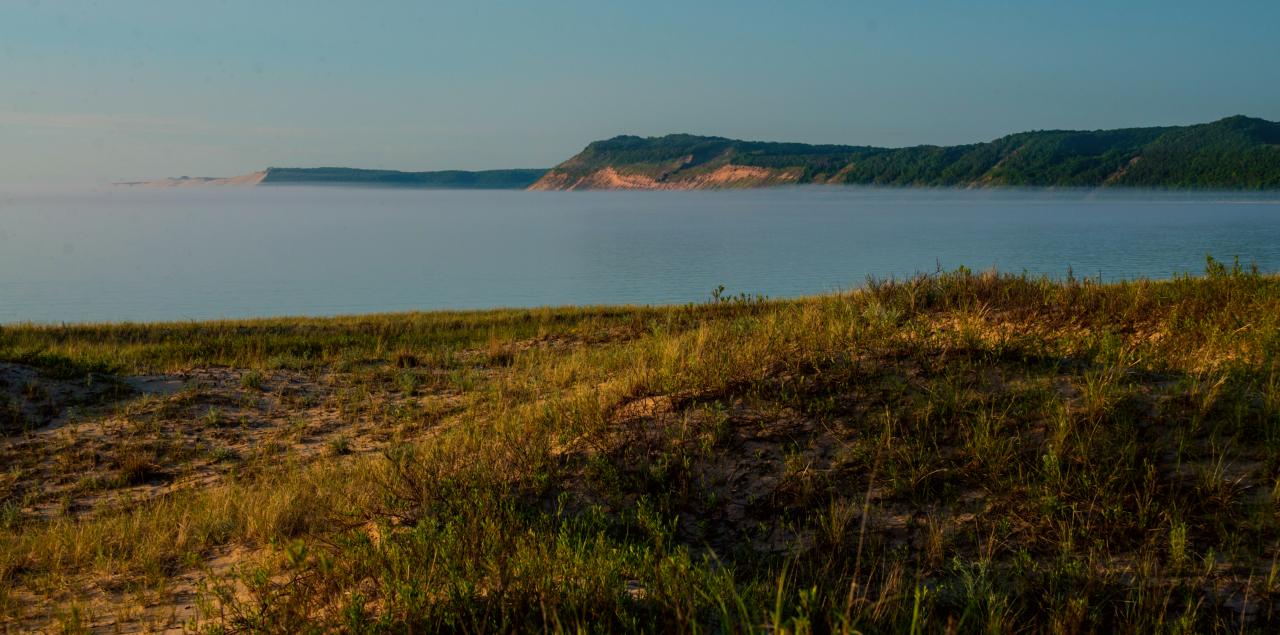
Sleeping Bear Dunes offers a unique blend of natural beauty and outdoor adventure. Visitors can explore expansive sand dunes, lush forests, and scenic views of Lake Michigan. The area is rich in local folklore, including the legend of a bear and her cubs, which adds a layer of charm to the landscape.

The park is not just about the dunes; it also features hiking trails, a variety of wildlife, and historical sites. The atmosphere is relaxed, making it a great spot for families and nature enthusiasts alike. However, be prepared for limited dining options within the park itself.

Sightseeing

Phillip A. Hart Visitor Center: offers maps and information about the park
Sleeping Bear Point Coast Guard Station: showcases maritime history with exhibits and demonstrations
South Manitou Island: accessible by ferry, features hiking trails and historic sites
D.H. Day Campground: rustic camping with access to Lake Michigan
Platte River Campground: another camping option with scenic views
Alligator Hill Trail: popular for hiking and horseback riding
Cottonwood Trail: ranger-led nature walks available in summer
Empire Bluff Trail: offers panoramic views of the lake

"Nature's beauty awaits you"Sleeping Bear Dunes

Things to do

Climb the main dune: a challenging but rewarding hike
Hike the trails: over 55 miles of trails for various skill levels
Attend ranger programs: educational talks and activities during summer
Camp under the stars: two campgrounds available in the park
Explore nearby towns: visit Arcadia, Empire, or Glen Arbor for dining and shopping
Local food and drinks - Sleeping Bear Dunes

Local food and drinks

Arcadia Bluffs Restaurant: known for its scenic views and local cuisine
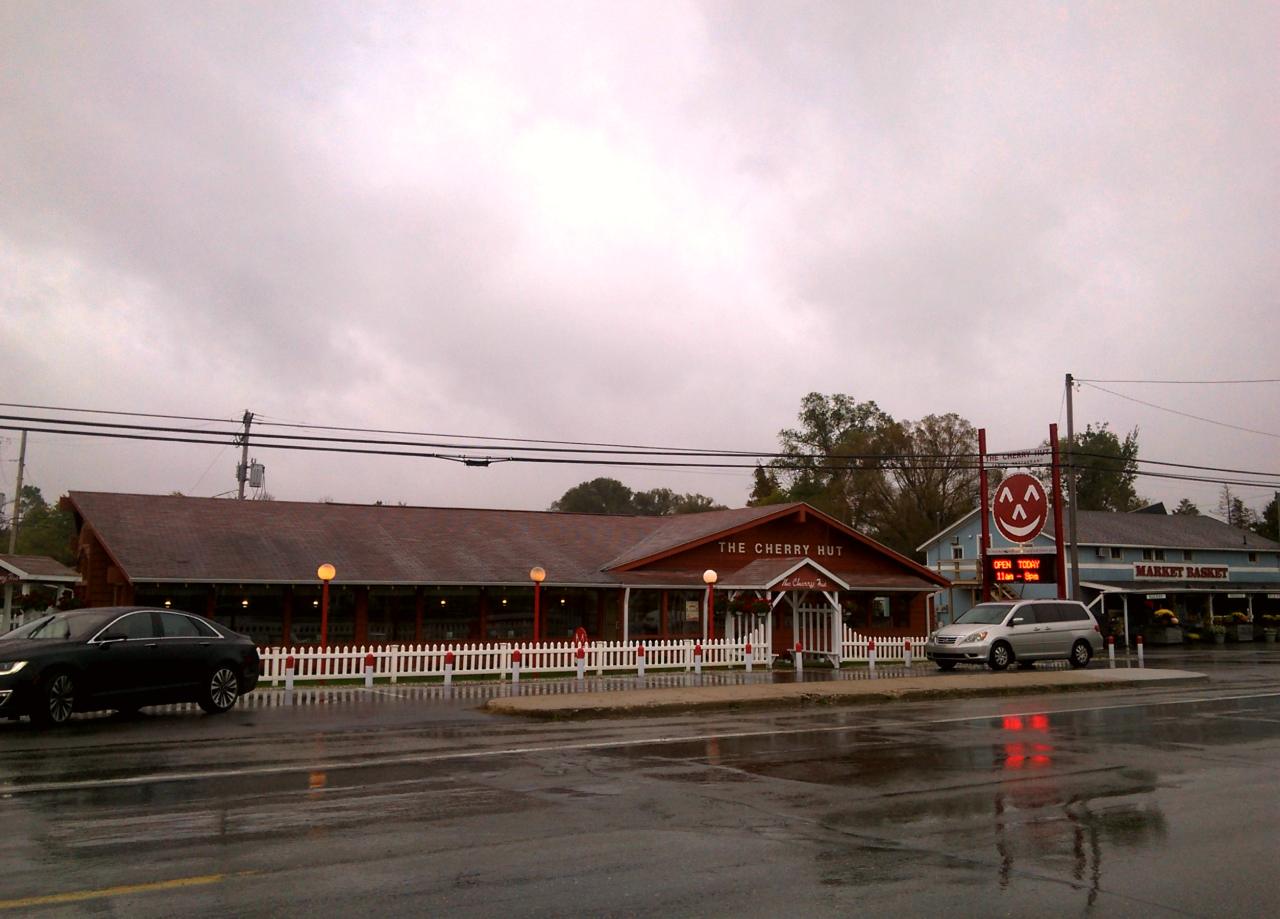
The Cherry Hut: famous for cherry pie and other cherry dishes
Moomers Homemade Ice Cream: a local favorite for ice cream lovers
The Bluebird Restaurant: offers classic American fare in a cozy setting
Empire Village Inn: serves breakfast and lunch with local ingredients
Local traditions - Sleeping Bear Dunes

Local traditions

Cherry Festival: celebrates the local cherry harvest each summer
Winter Sports: cross-country skiing and snowshoeing are popular in winter
Ranger-led events: summer programs educate visitors about local ecology
Local art fairs: showcase regional artists and craftspeople throughout the year

History

The legend of Sleeping Bear Dunes tells of a mother bear who swam across Lake Michigan to save her cubs, only to lose them to the waters. This tale is central to the area's identity. The dunes themselves were formed by glacial activity thousands of years ago, creating a unique landscape. In the 19th century, the area became significant for Great Lakes shipping, providing a safe harbor for vessels. Farming also played a crucial role in the local economy, supporting both residents and passing ships. The National Lakeshore was established in the 1970s to protect this natural beauty.

Things to know

Limited dining options exist within the park; plan ahead
Parking can fill up quickly during peak season; arrive early
Some trails may be closed in winter; check conditions
Be cautious of wildlife; do not feed animals

Do's and don'ts

Bring water and snacks for your hikes
Respect park rules and regulations
Take your time climbing the dunes for the best views
Explore the nearby towns for local culture
Don't litter; pack out what you bring in
Don't disturb wildlife; observe from a distance
Don't forget sunscreen; the sun can be strong
Don't rush your visit; enjoy the scenery

Good to know

Accessibility: Some areas are wheelchair accessible, but many trails are not.
Price level: mid-range

Photo: Wikipedia / Wikimedia Commons