search
search
add New trip
Glacier National Park

Glacier National Park

warningInformation1 warning calendar_monthJun–Sepbest time schedule5 daysplan for directions_car6 h 36from Spokane child_careYeswith kids confirmation_number~$19entry
Glacier National ParkYour own route Plan a trip here →
Information Going-to-the-Sun Road is Open for 2026 Season

The Going-to-the-Sun Road is fully open for the 2026 summer season. The road may now be accessed by motorized vehicles over Logan Pass from both the West Glacier and St. Mary Entrances. Details open_in_new

Straight from the US National Park Service, refreshed several times a day.

Glacier National Park in Montana is a vast expanse of rugged terrain and diverse ecosystems. Visitors can explore over 700 miles of trails, offering a chance to see wildlife and stunning landscapes, including glaciers and alpine lakes.

Read more

The park is particularly popular in summer, when the majority of roads and facilities are open. However, winter brings a different charm, with opportunities for snowshoeing and cross-country skiing, though access can be limited.

Sightseeing

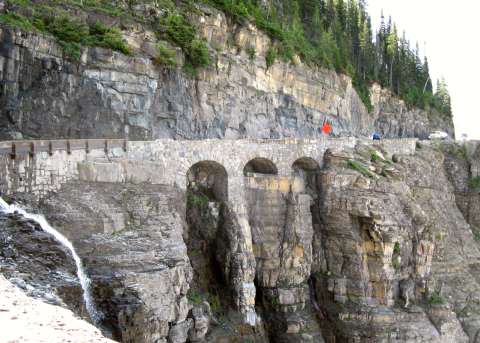
Going-to-the-Sun Road: a scenic drive with panoramic views
Lake McDonald: the largest lake in the park, known for its colorful pebbles

Many Glacier: a picturesque area with hiking trails and wildlife
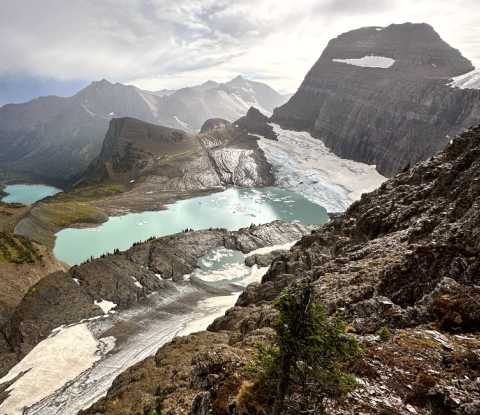
Grinnell Glacier: a popular hike leading to a glacier view
Logan Pass: the highest point on Going-to-the-Sun Road, great for wildlife spotting
St. Mary Lake: a stunning glacial lake surrounded by mountains
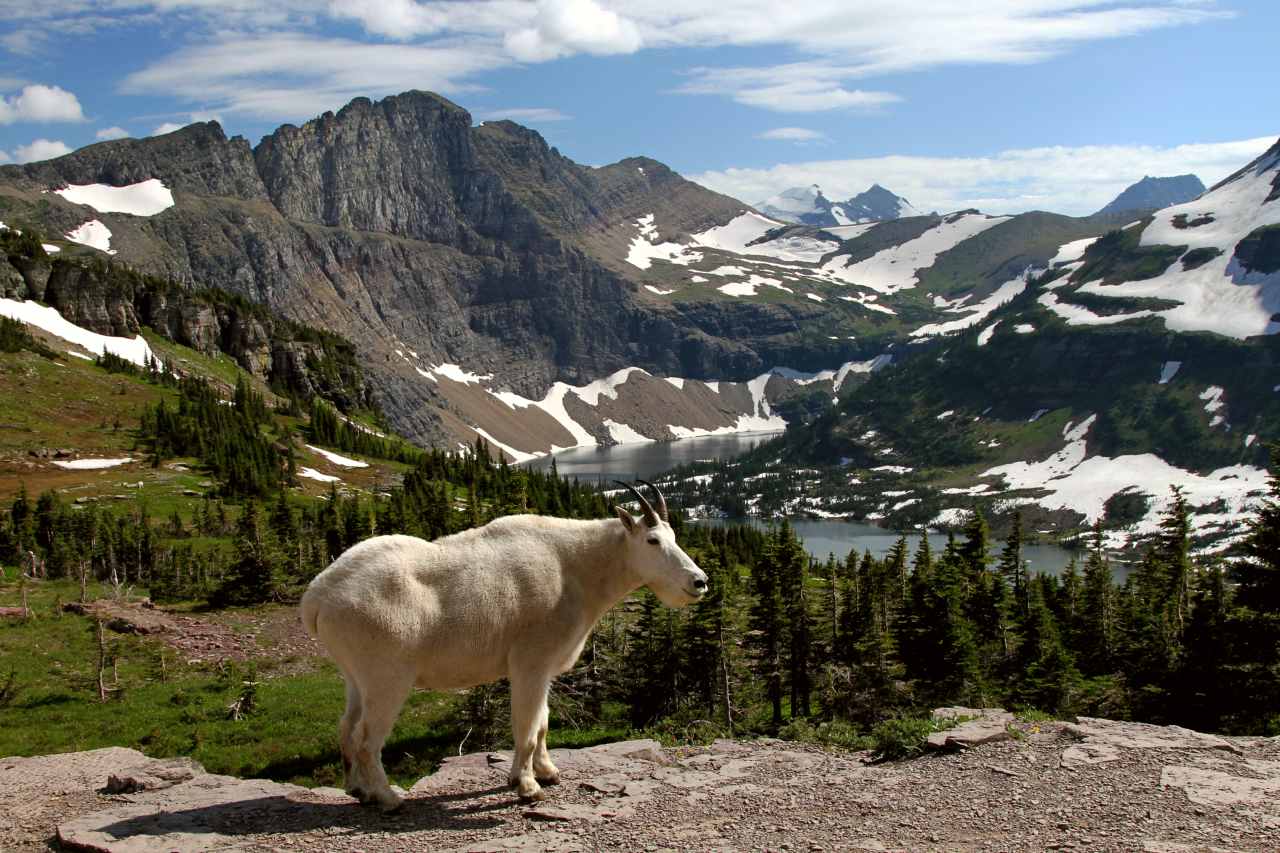
Hidden Lake: a serene spot accessible via a moderate hike
Apikuni Falls: a beautiful waterfall located in the Many Glacier area

"Nature's grandeur awaits you"Glacier National Park

Things to do

Hiking: explore trails ranging from easy walks to challenging climbs
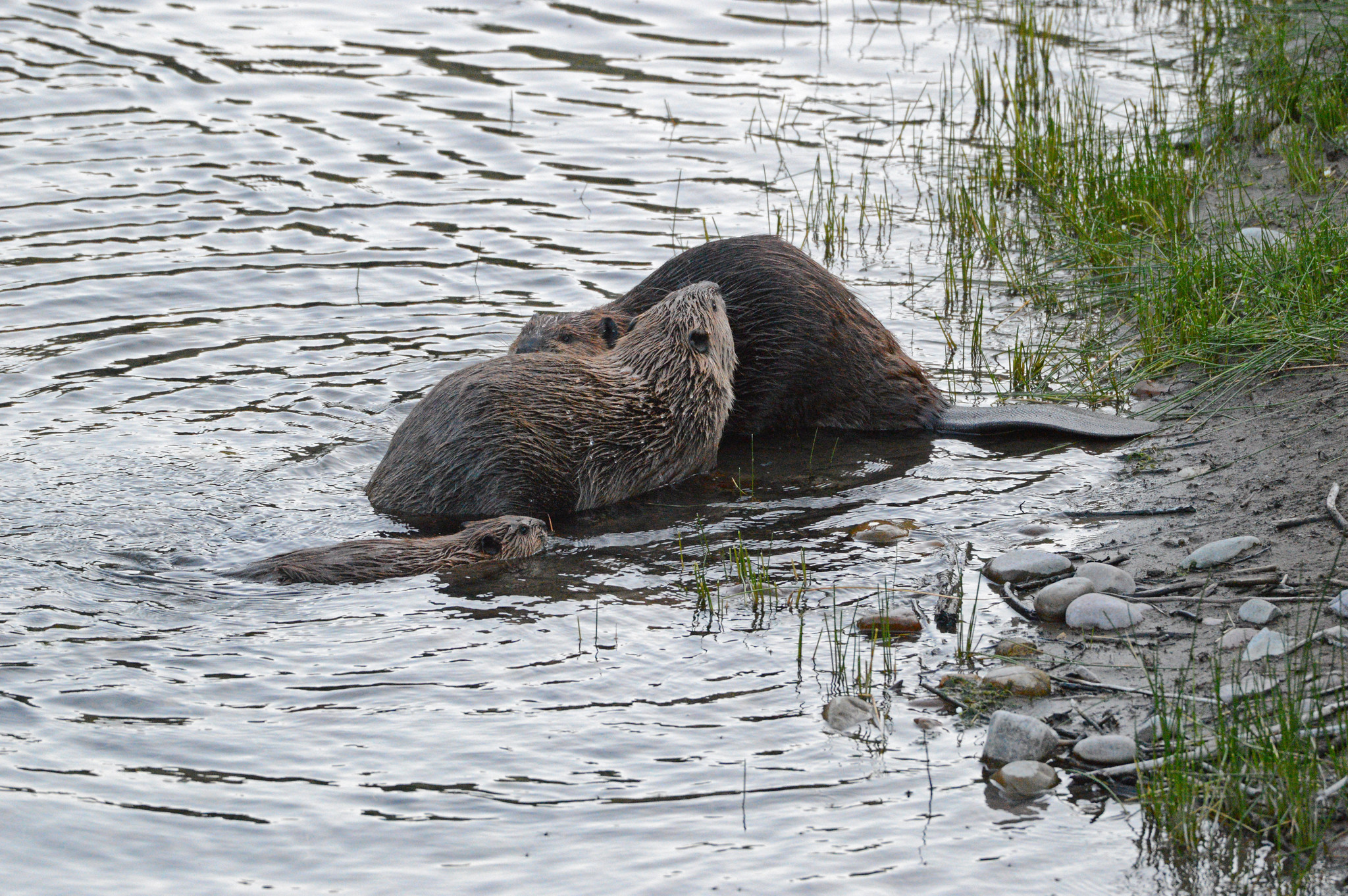
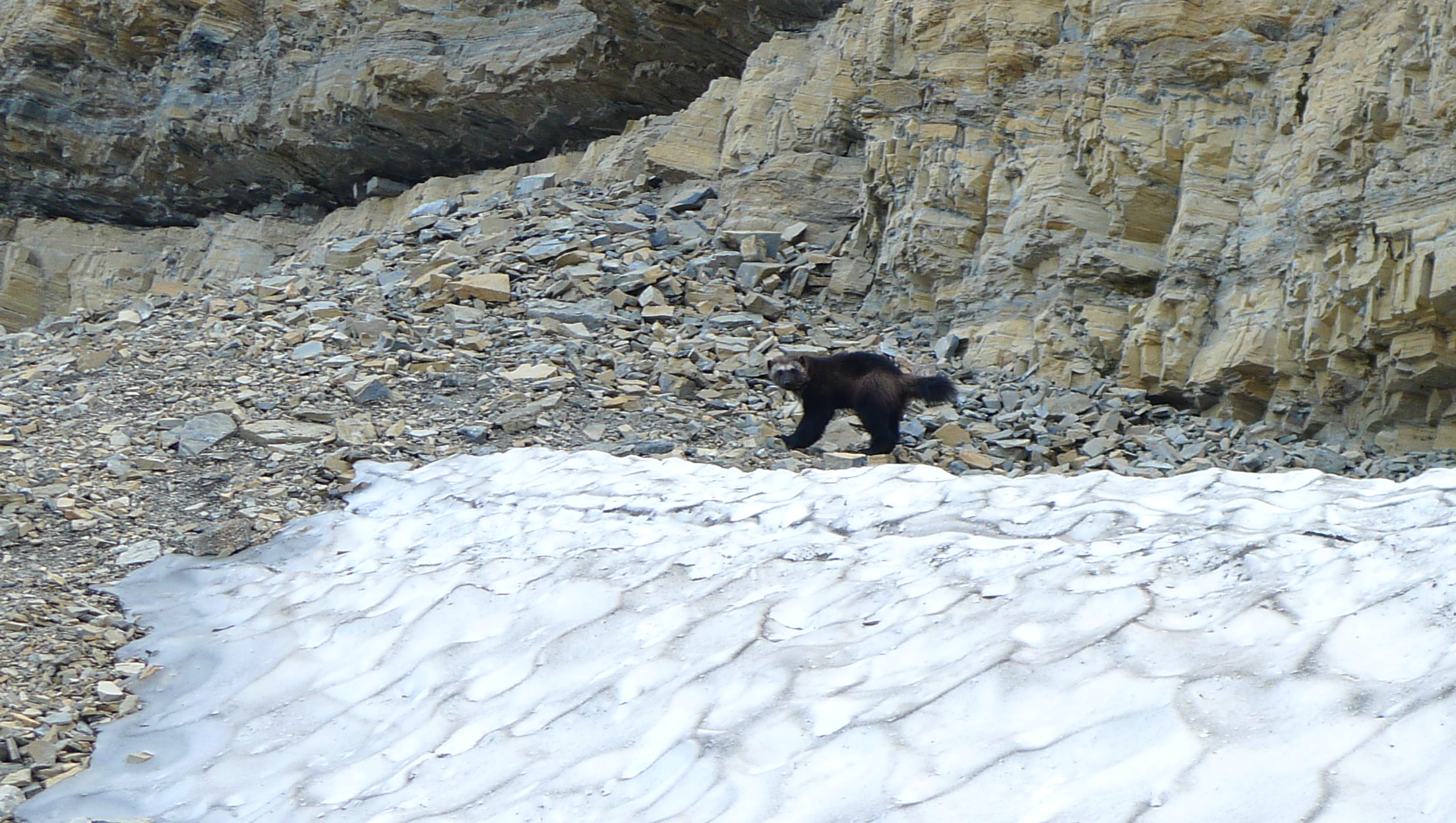
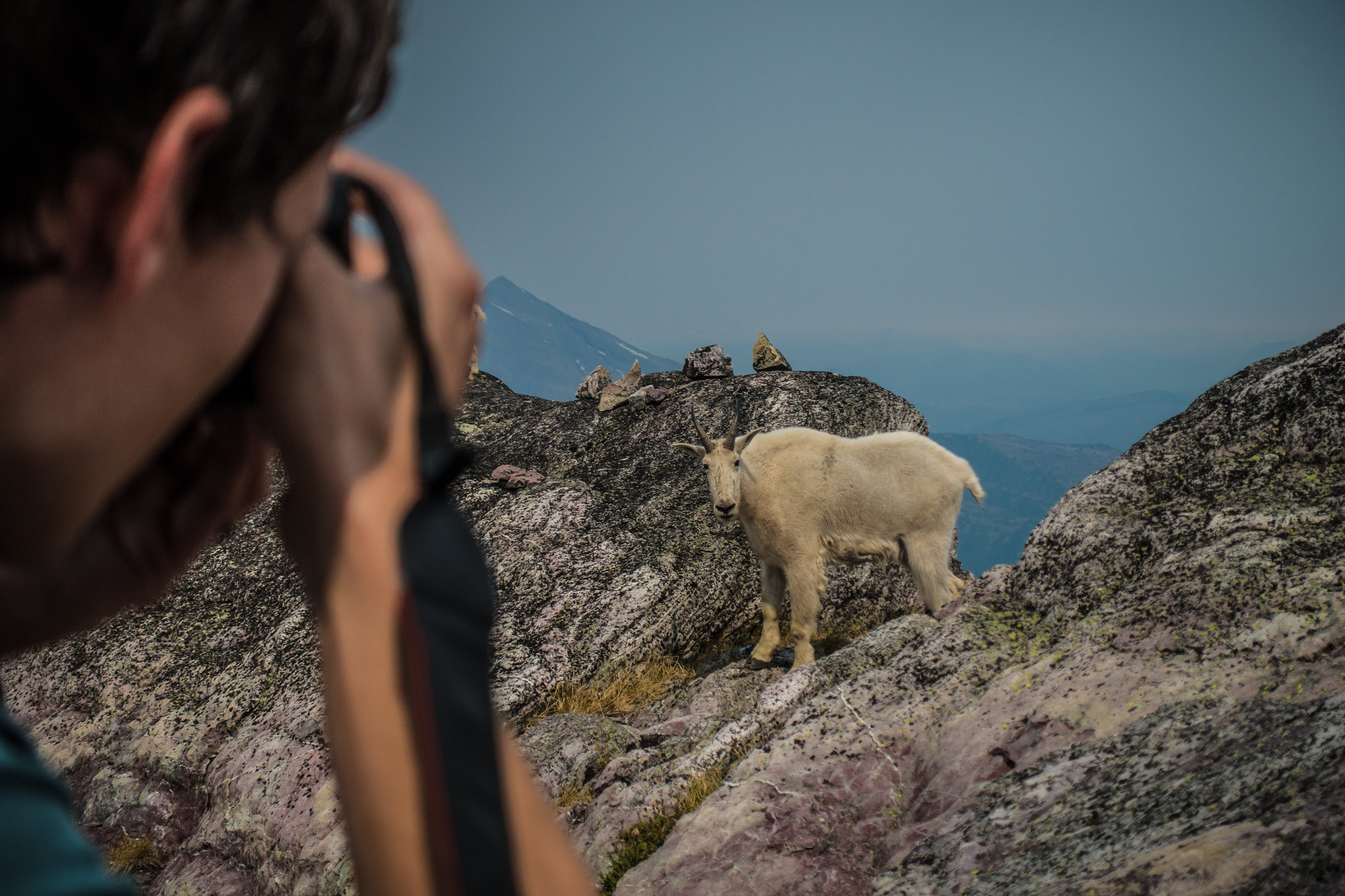
Wildlife watching: look for bears, mountain goats, and other animals
Photography: capture the stunning landscapes and vibrant wildflowers
Camping: stay overnight in one of the park's campgrounds
Ranger-led programs: learn about the park's ecology and history from experts
Local food and drinks - Glacier National Park

Local food and drinks

The Park Cafe: known for its homemade pies and hearty breakfasts
Two Medicine Grill: offers burgers and local favorites
Lake McDonald Lodge: a historic spot with dining options and views
Glacier Park Lodge: features a restaurant with regional dishes
Many Glacier Hotel: serves meals with a focus on local ingredients
Local traditions - Glacier National Park

Local traditions

Ranger-led hikes: a way to connect with nature and learn
Annual Glacier National Park Conservancy events: support park preservation
Wildflower Festival: celebrates the blooming season with guided walks
Winter sports events: include snowshoeing and skiing competitions

Do's and don'ts

Plan ahead for accommodations, especially in summer
Carry bear spray when hiking in the backcountry
Respect park rules and wildlife habitats
Take time to enjoy the quieter trails
Don't feed wildlife; it harms their natural behavior
Don't stray off marked trails; it can damage ecosystems
Don't expect full services in winter; many facilities close
Don't rush; take time to appreciate the scenery

Practical

At a glance

Established
1910
Open
Daily open 24 hours
Price
Per Person $20, Commercial Entrance - Sedan $25, Motorcycle $30
Accessibility
Some areas are wheelchair accessible, but many trails are not.
Address
64 Grinnell Drive, West Glacier, MT 59936
Opening hours
Daily open 24 hours
Phone
406-888-7800
Price
~$19
Price level
Mid-range
Website
www.nps.gov

Things to know

Cell service is limited, so download maps beforehand
Weather can change rapidly; dress in layers
Some areas may be crowded during peak summer months
Wildlife encounters are possible; keep a safe distance
history_eduHistoryexpand_more

Established in 1910, Glacier National Park was created to protect its unique ecosystems and stunning landscapes. The park has a rich cultural history, with Native American tribes, such as the Blackfeet, having inhabited the area for thousands of years.

The park's development included the construction of roads and lodges in the early 20th century, which made it more accessible to visitors. Today, it remains a vital area for conservation and recreation, attracting millions of visitors each year.

Photo: Wikipedia / Wikimedia Commons