Overview
Visiting the North Carolina State Capitol
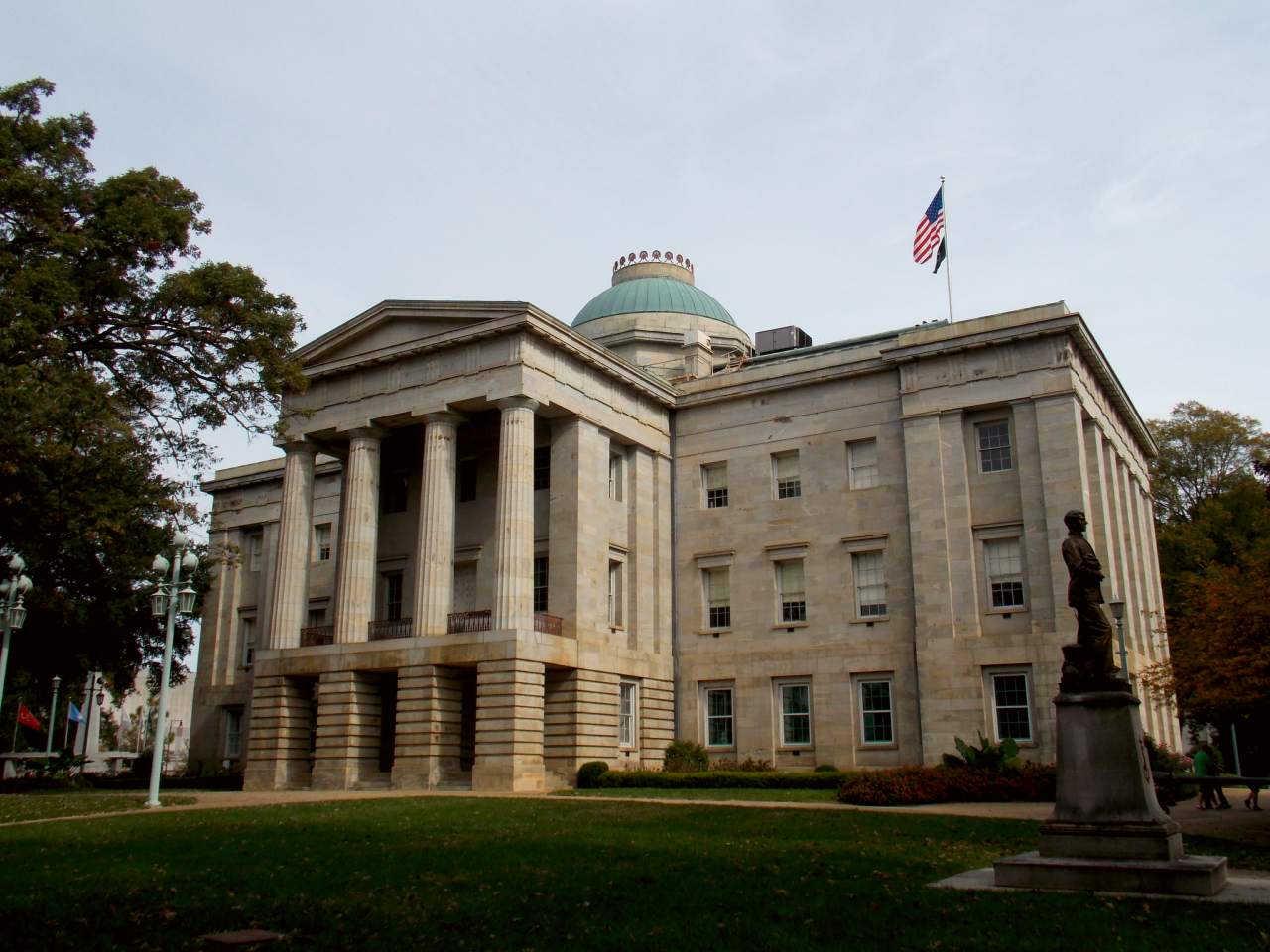
Visiting the North Carolina State Capitol is a straightforward experience. The Capitol welcomes visitors for self-guided tours from Monday to Saturday, between 9 a.m. and 5 p.m. If you are part of a group of ten or more, you can arrange a guided tour, but be sure to book at least two weeks in advance by calling 919-814-6950 or visiting their website. The Capitol is managed by the Division of State Historic Sites and Properties, which falls under the Department of Natural and Cultural Resources. This agency oversees various aspects of North Carolina's arts, history, libraries, and nature. If you wish to support the Capitol, donations can be made through their website.
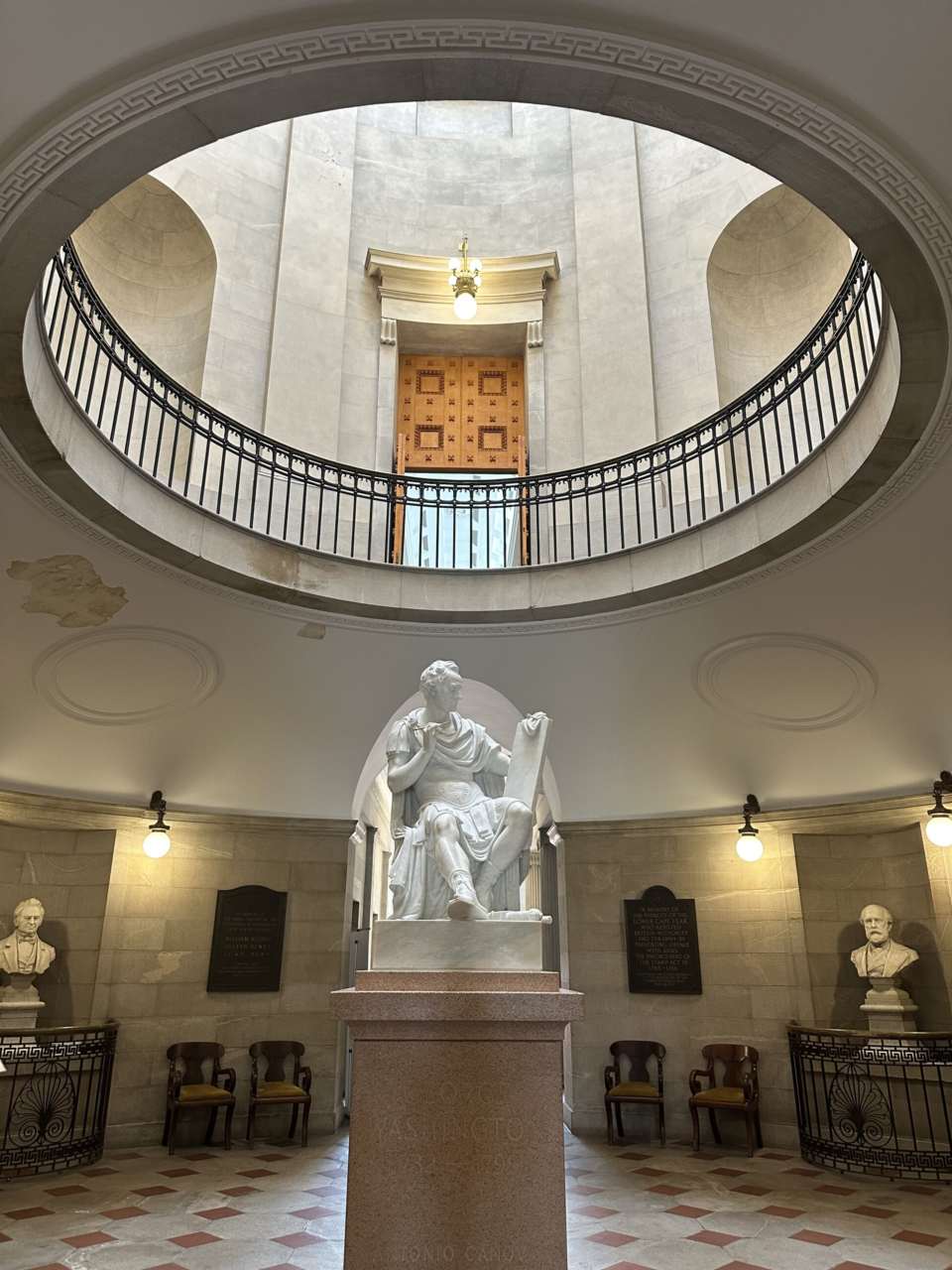
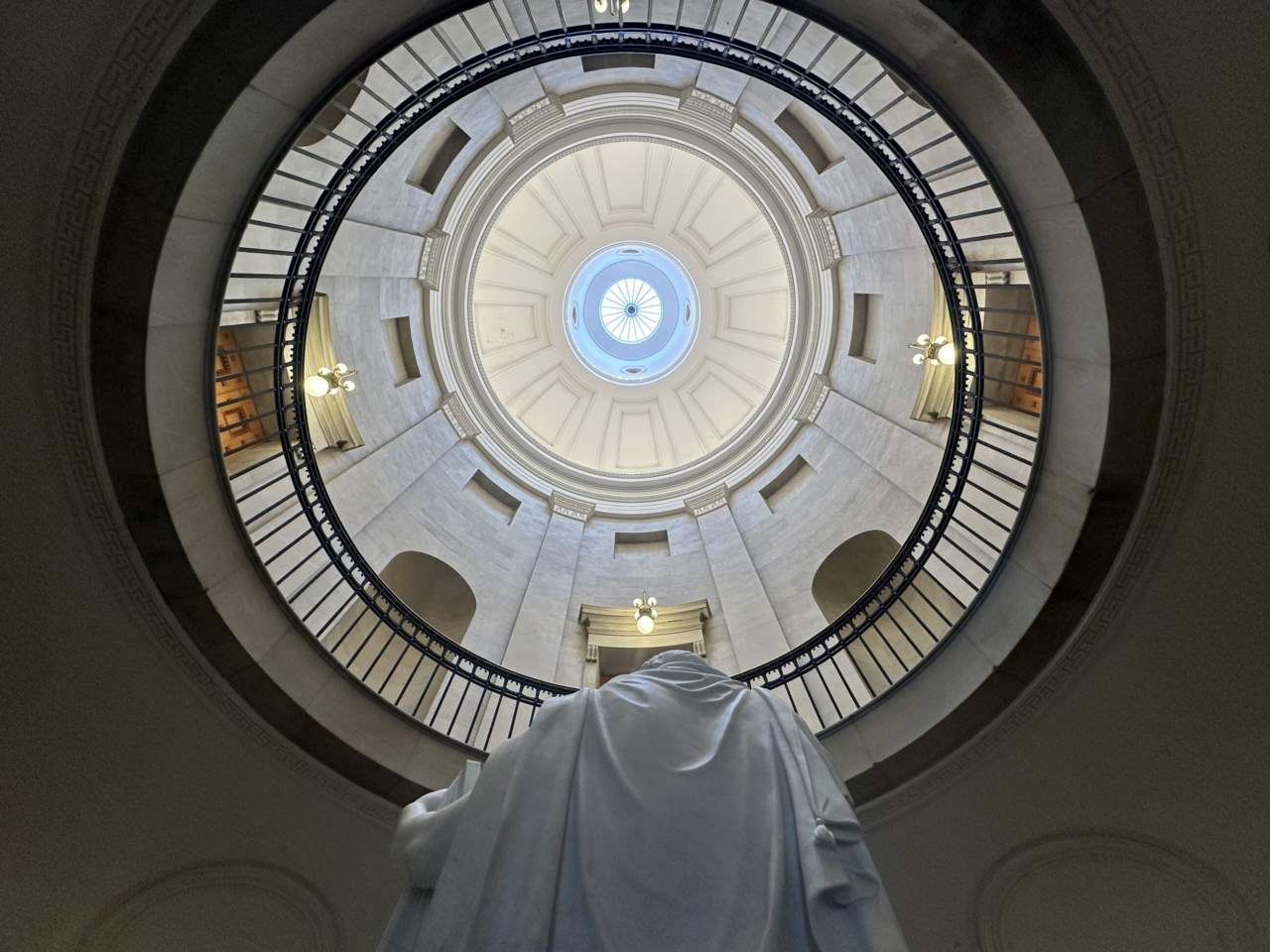
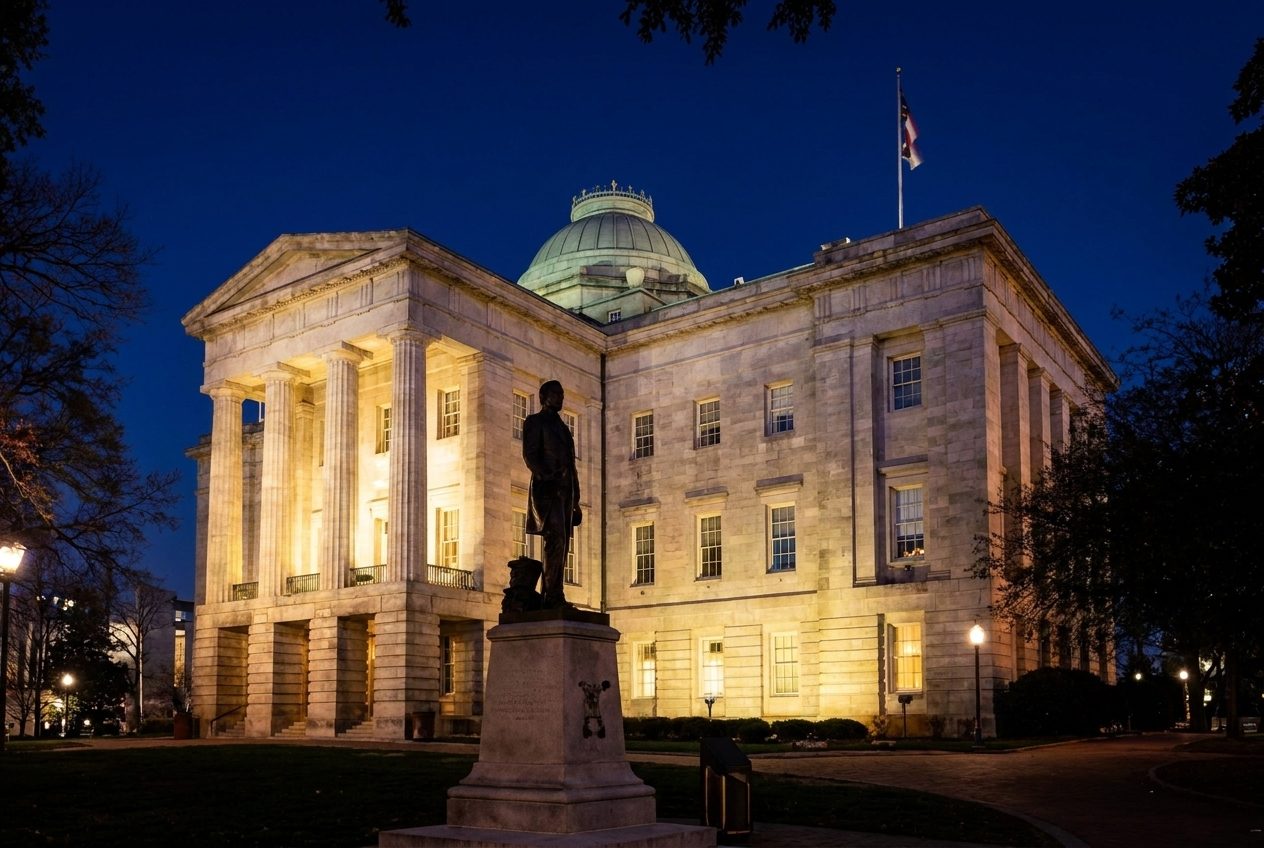
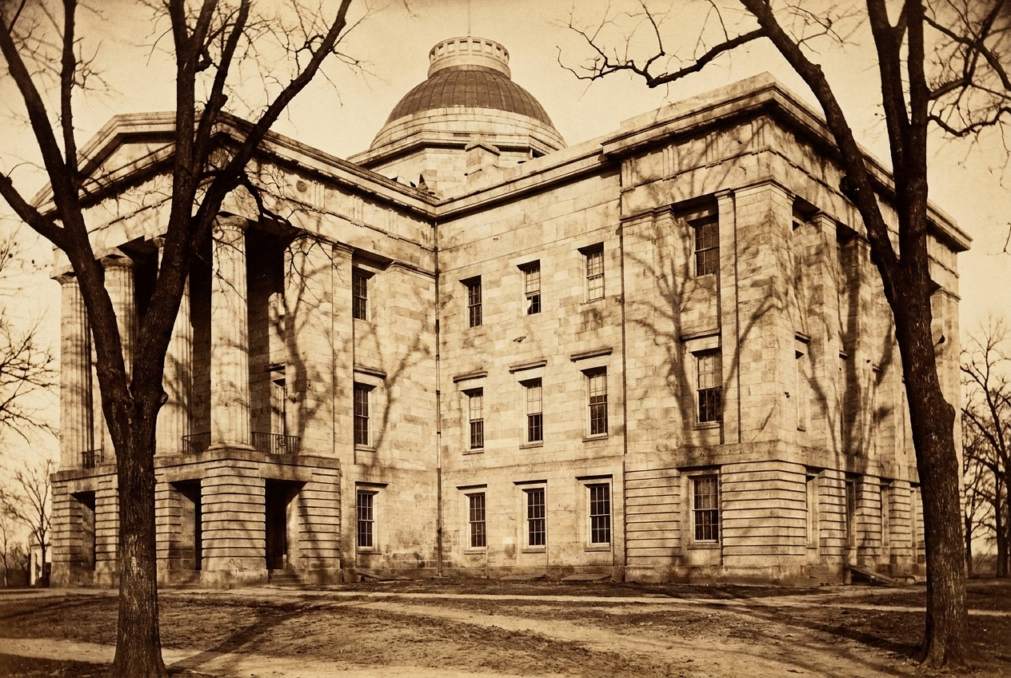
Inside, the first floor houses the offices of the Governor and Lieutenant Governor, while the upper floors serve primarily as a museum. The building is sometimes used for conferences, state ceremonies, and historic reenactments. However, it is important to note that the North Carolina General Assembly has not met in the Capitol since 1963, when they moved to the Legislative Building just a block away. The architectural style of the Capitol is Greek Revival, characterized by its grand columns and domed rotunda, reflecting the design of ancient Greek temples.
As you explore, keep an eye out for plaques and statuary that commemorate significant figures and events in North Carolina's history. The Capitol is not just a historical site; it is a living part of the state's government, making it a fascinating stop for anyone interested in North Carolina's past and present.
A Brief History
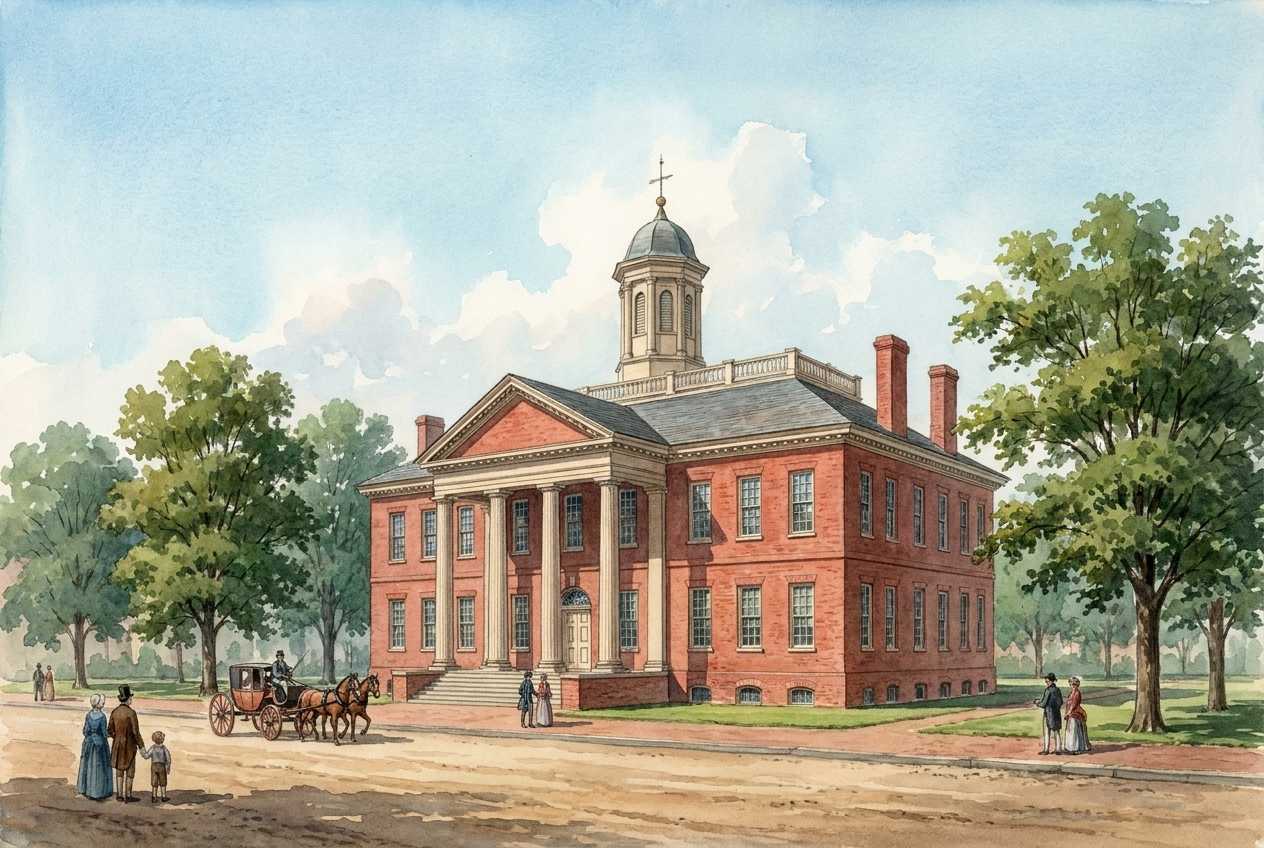
The North Carolina State Capitol has a rich history that dates back to the late 18th century. Established in 1792, Raleigh was chosen as the permanent home for the state government. The original State House, a simple two-story brick structure, was completed in 1796. Architect William Nichols expanded this building between 1820 and 1824, adding a third floor, a domed rotunda, and wings on either side. Unfortunately, a fire in 1831 destroyed the State House while workers were attempting to fireproof the roof.
In response to the fire, the General Assembly commissioned a new Capitol building. The design aimed to create a larger version of the original State House, featuring a cross-shaped layout with a central domed rotunda. Construction of the current Capitol began shortly after the fire, and it was completed in 1840. For over a century, this building served as the center of North Carolina's government, housing the legislature until 1961.
Today, the Capitol stands as a National Historic Landmark, showcasing the Greek Revival architectural style. Its interior has been meticulously restored to reflect its 1840 appearance, allowing visitors to appreciate both its historical significance and architectural beauty. The building is not just a relic of the past; it continues to play a role in the state's governance, with the Office of the Governor still located here.
Notable Artifacts
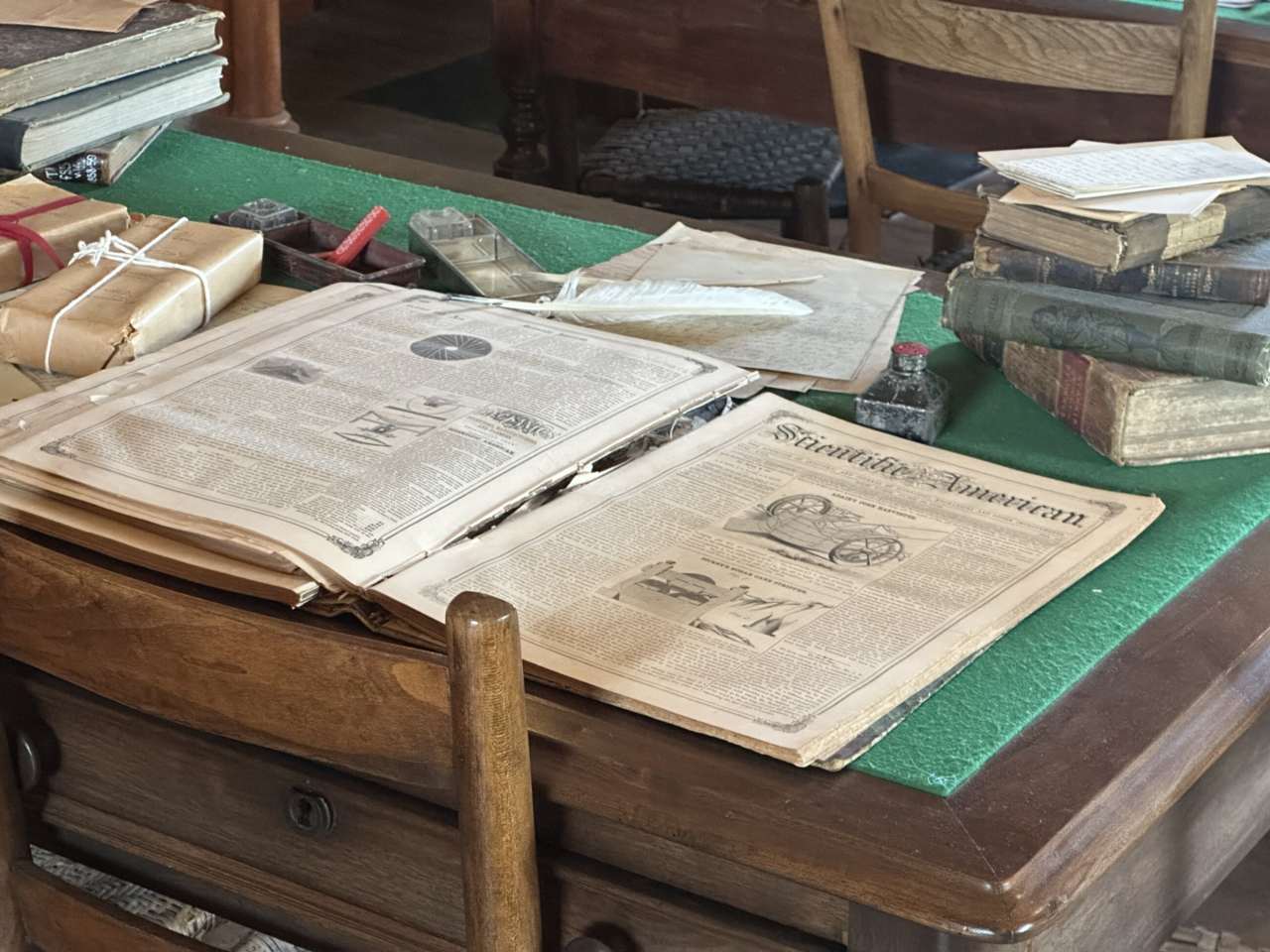
The North Carolina State Capitol houses several notable artifacts that reflect the state's legislative history. Among them is a 19th-century book press, which was used for binding and repairing books. This piece of equipment highlights the importance of documentation and record-keeping in the legislative process. Another significant artifact is a coal stove from the same era, which provided additional warmth to the room during colder months.
One of the most interesting items is the Gilbert Clock, manufactured in 1874 by the William L. Gilbert Clock Company in Winsted, Connecticut. This clock not only served a practical purpose but also adds to the historical ambiance of the Capitol. Additionally, there are books and documents that belonged to Governor David Settle Reid, who served from 1851 to 1855.
Among the historical documents is a geographical, statistical, and historical map of North Carolina published in 1822 by Carey & Lea. These artifacts collectively tell the story of North Carolina's legislative history and the evolution of its governance. They provide visitors with a tangible connection to the past, illustrating the state's journey through time.
The State Library
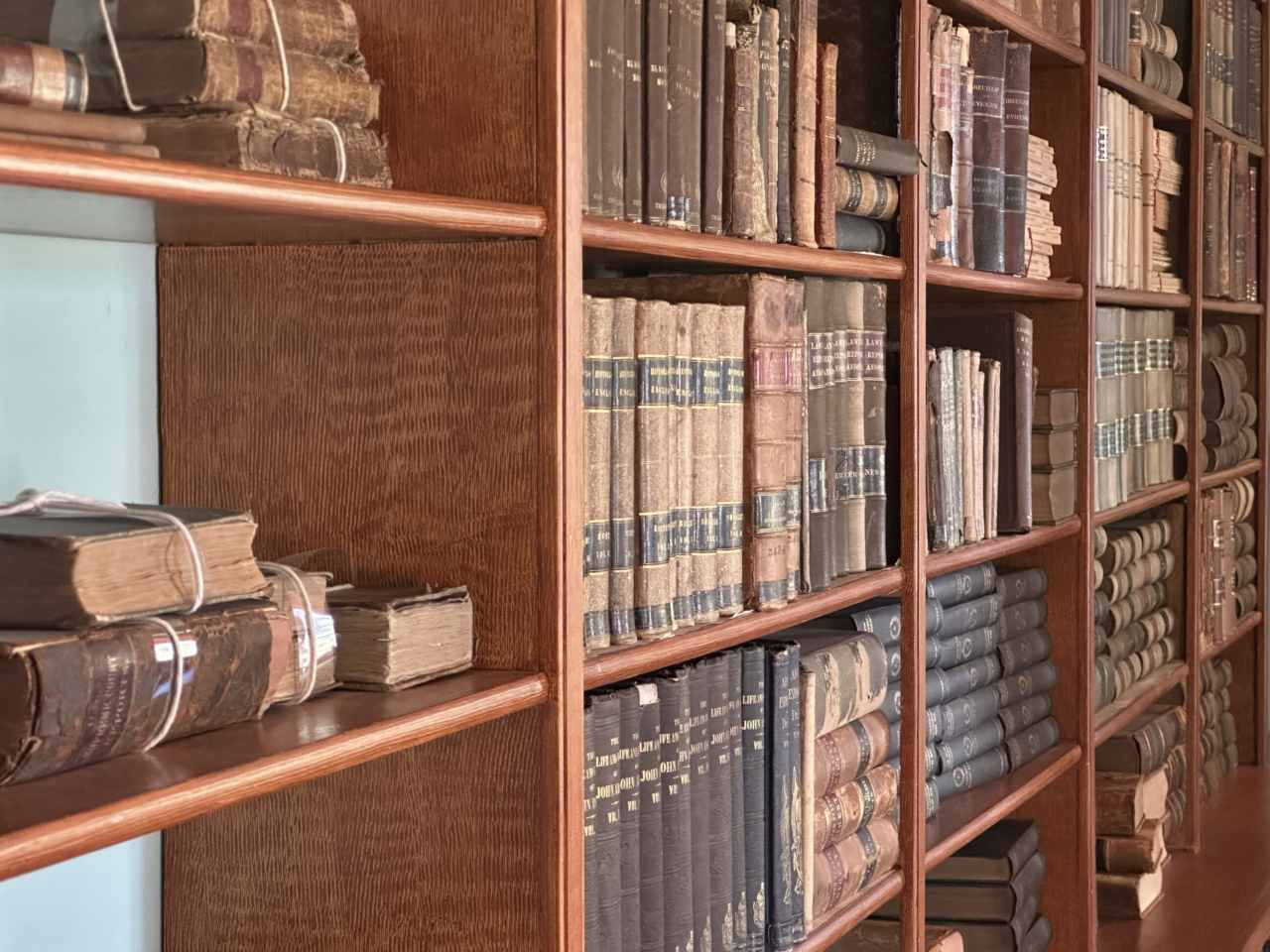
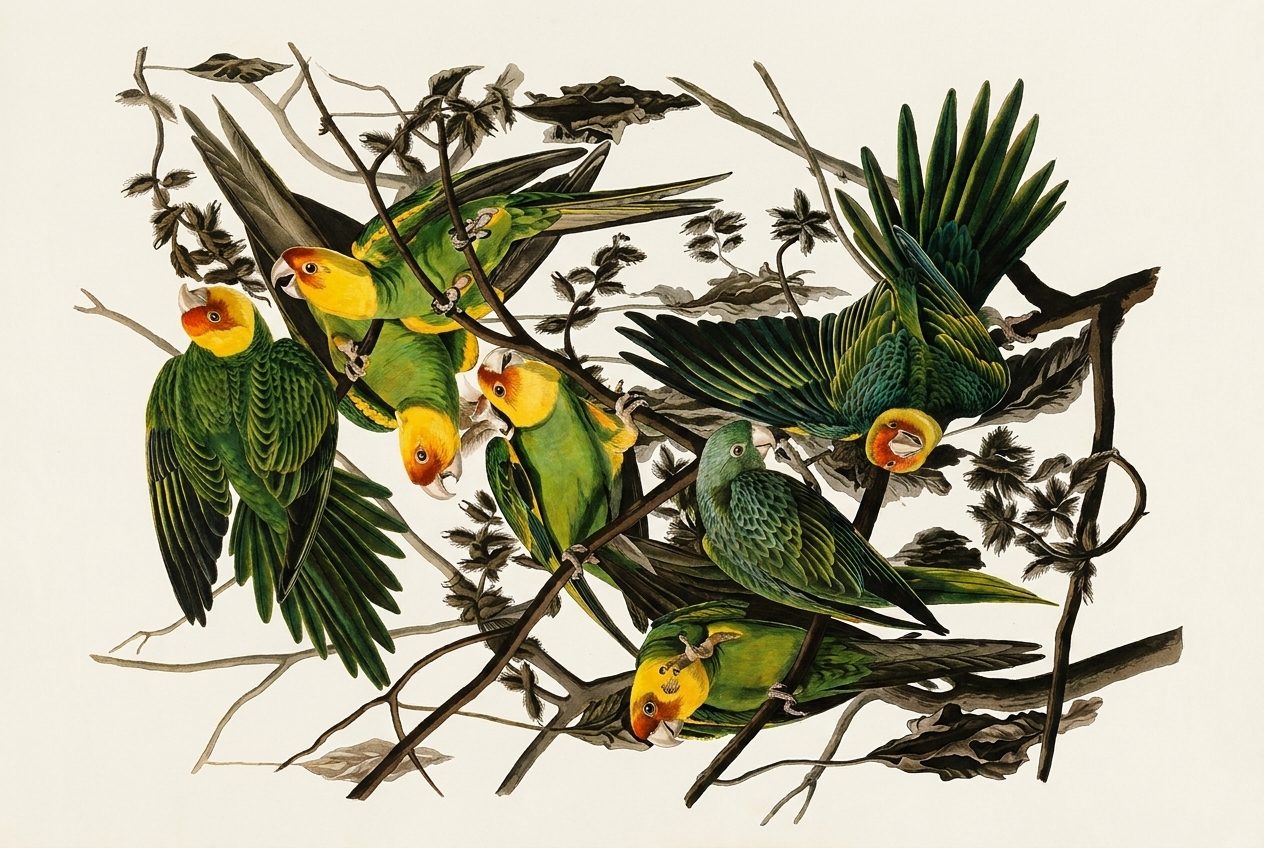
The State Library of North Carolina has a fascinating history that reflects the evolution of public access to information. Established in 1812 by Secretary of State William Hill, the library began with a modest collection of books and state papers. By 1820, the library had grown enough to necessitate a dedicated room in the State House. Unfortunately, this collection was largely lost in the 1831 fire that destroyed the State House, with 12,509 volumes going up in flames. However, some books were saved, notably those checked out by Senator Archibald Murphey, who returned them after the fire. These volumes became the foundation of the new library.
In the years that followed, many individuals contributed to restock the library, including notable figures like Judge William Gaston and President James Madison. Early acquisitions included significant works such as John James Audubon’s "Birds of America" and "The History of Egypt." By 1887, the library had expanded to 40,000 volumes, reflecting the growing importance of literature and education in the state.
In 1888, the library moved to a newly constructed building, which allowed for further growth and accessibility. Today, the State Library is housed in the Archives and History Building on Jones Street, continuing its mission to serve the public and preserve North Carolina's literary heritage.
The Bill of Rights Incident
The Bill of Rights incident is a significant chapter in North Carolina's history, particularly during the Civil War. In April 1865, as U.S. troops occupied Raleigh, the Capitol was used as a base of operations. During this tumultuous time, soldiers took numerous documents, including North Carolina's copy of the Bill of Rights. This document, sent by President George Washington after the state ratified the Bill in November 1789, was stored alongside other government papers in the Capitol.
The theft of this important document went unnoticed for years. A soldier took it to Indiana, where it was sold in 1866 for $5 to Charles Shotwell, who displayed it in his office. North Carolina officials began appealing for its return in 1867, but they refused to pay for what they considered their rightful property. Over the years, various individuals attempted to sell the document back to the state, but officials consistently declined.
It wasn't until 2015 that the state finally recovered its stolen copy of the Bill of Rights, after nearly 150 years of efforts. This incident serves as a reminder of the challenges faced during the Civil War and the importance of preserving historical documents.
The North Carolina Senate
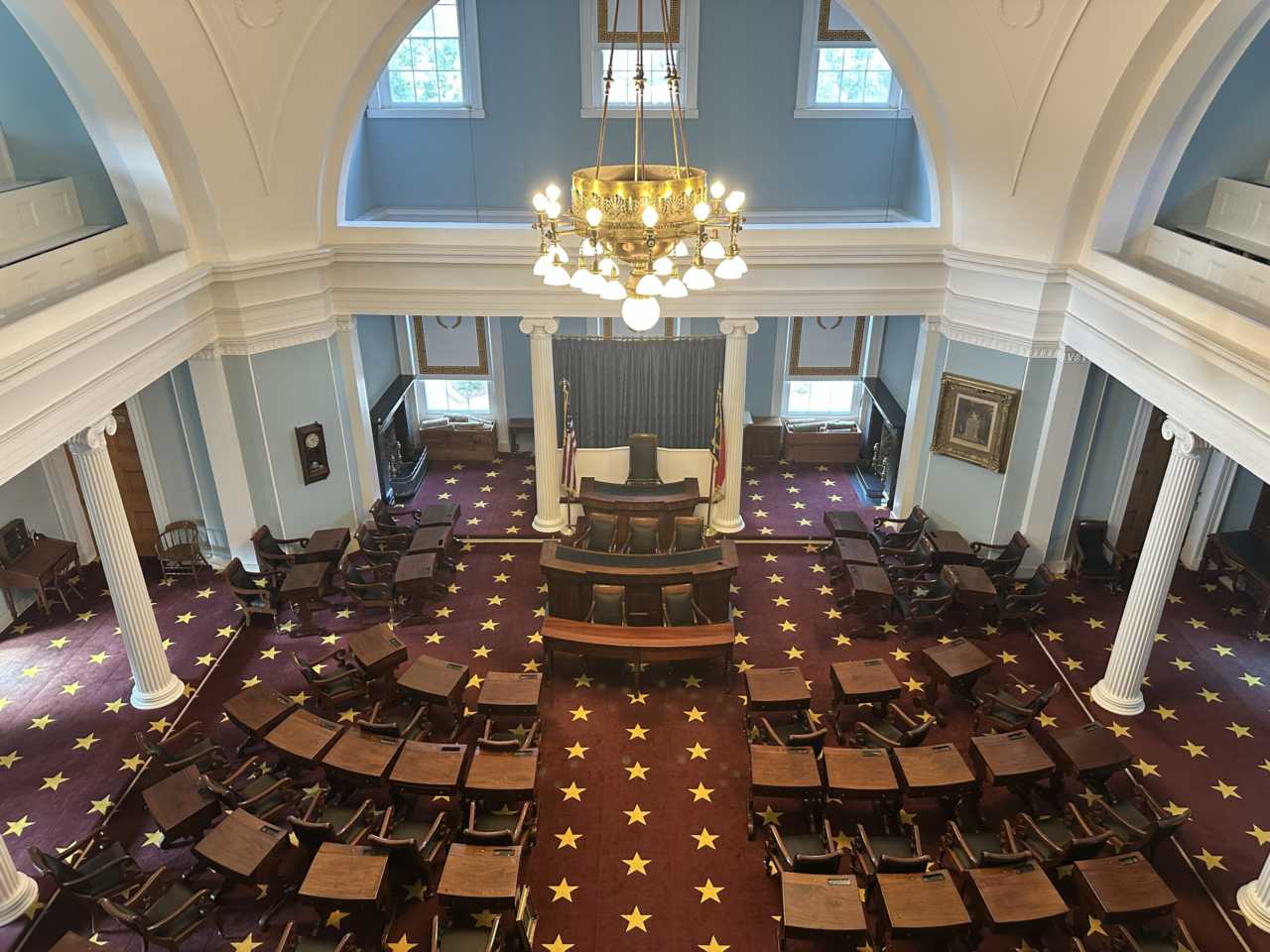
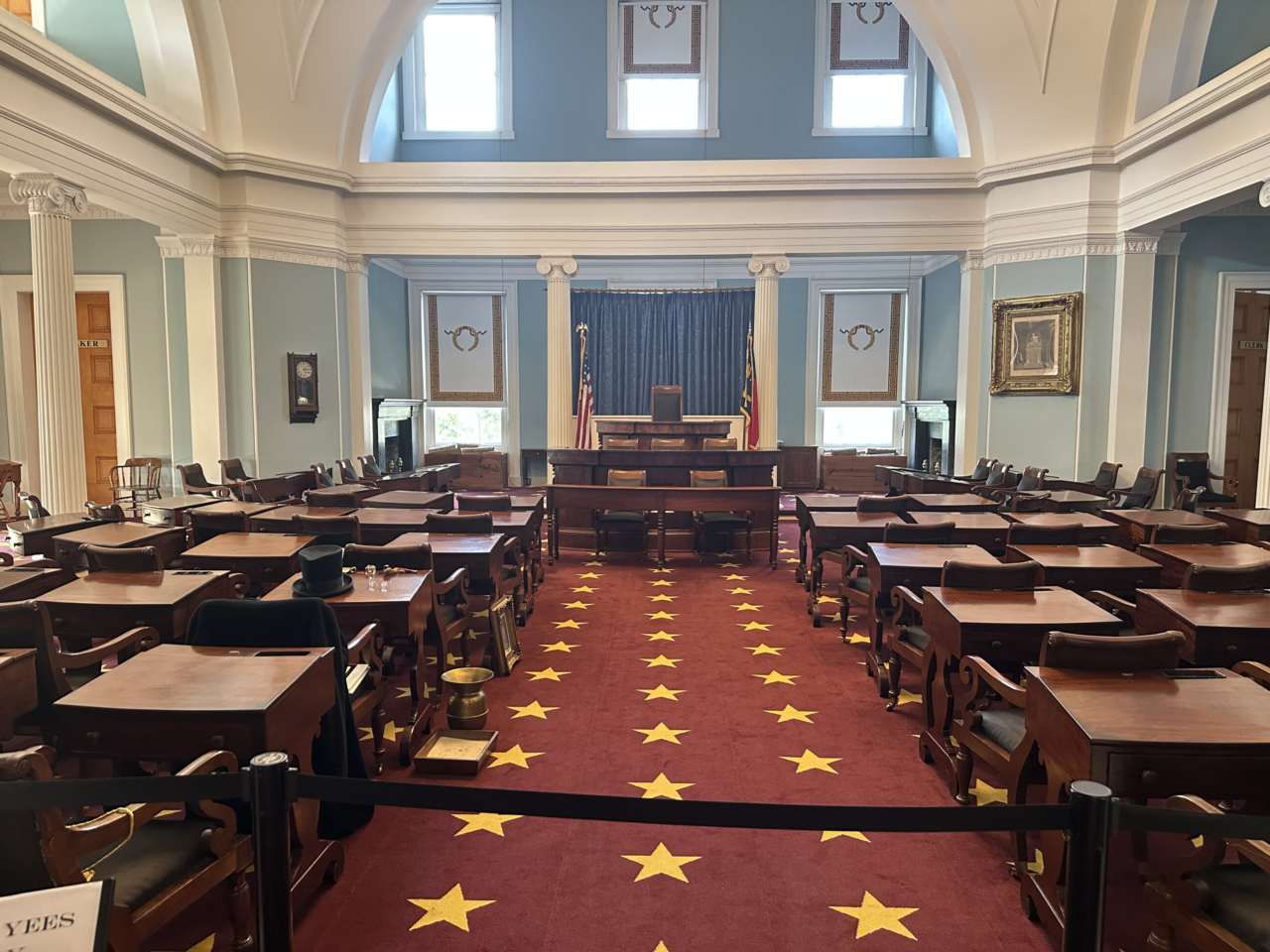
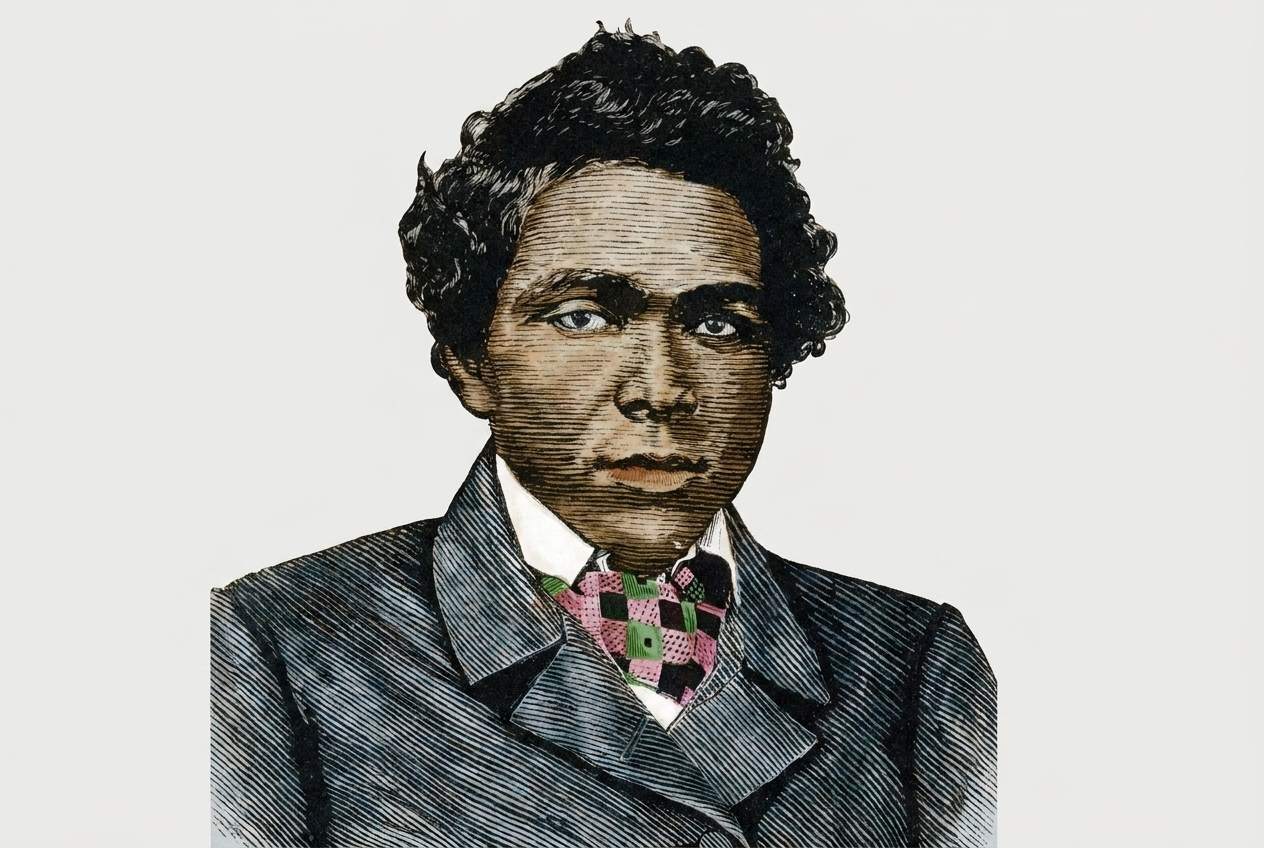
The North Carolina Senate chamber has a long history, serving as the meeting place for the fifty members of the Senate from 1840 to 1961. The north side of the chamber housed the offices of the Speaker of the Senate and the Principal Clerk. This space also included assembly rooms for various Senate committees. Notably, beginning in 1868, African American men were elected to the General Assembly for the first time, with 25 serving in the Senate over the next 30 years. They advocated for public education funding and biracial institutions, although many of their progressive goals faced significant opposition.
The end of Reconstruction in 1877 marked a turning point, as conservative Democrats began to dismantle the rights granted to African Americans. By 1900, black North Carolinians were barred from serving in the General Assembly or voting. One notable figure from this era was Abraham H. Galloway, who escaped slavery in 1857 and returned to North Carolina as a Union spy. He became a prominent advocate for equal rights and was elected to the state constitutional convention in 1868.
The Senate chamber is not just a historical site; it represents the struggles and achievements of those who fought for civil rights in North Carolina.
The North Carolina House of Representatives
The North Carolina House of Representatives chamber has a significant history, having hosted the 120 members from 1840 to 1961. Originally known as the House of Commons, this chamber was the site of critical decisions, including the unanimous vote to secede from the United States in May 1861, which drew North Carolina into the Civil War. The building itself was constructed and maintained by enslaved laborers, a fact that adds depth to its historical narrative.
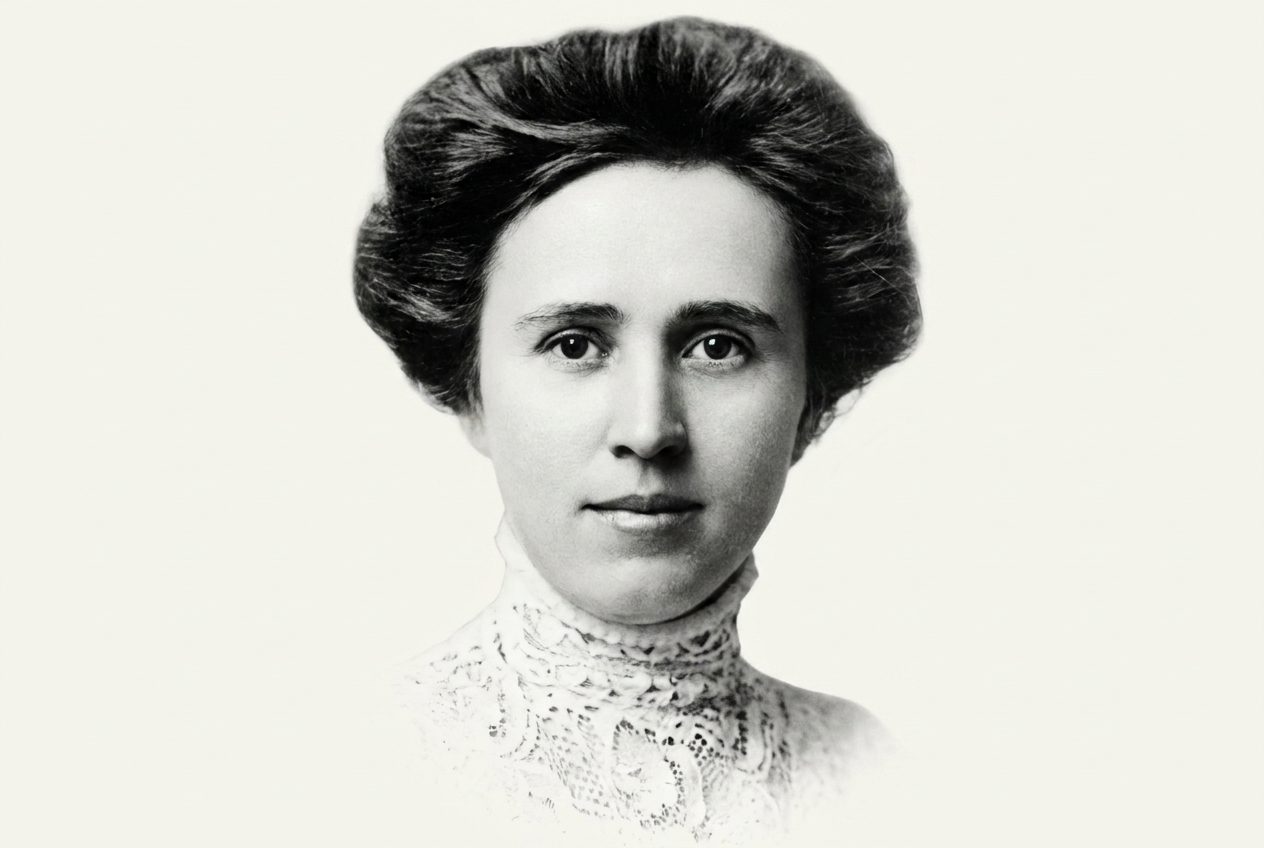
Among the notable figures associated with the House is Lillian Exum Clement, born in 1894 in Buncombe County. She made history as the first woman to practice law in North Carolina without male partners. In 1920, at just 26 years old, she won a seat in the House, defeating two male opponents. Her election marked a significant milestone, as she became the first woman to serve in any state legislature in the South. During her time in office, she advocated for women's rights, including introducing a bill to shorten the waiting period for divorce.
Clement's legacy is a reminder of the ongoing fight for equality and representation in North Carolina's political landscape.
Reconstruction
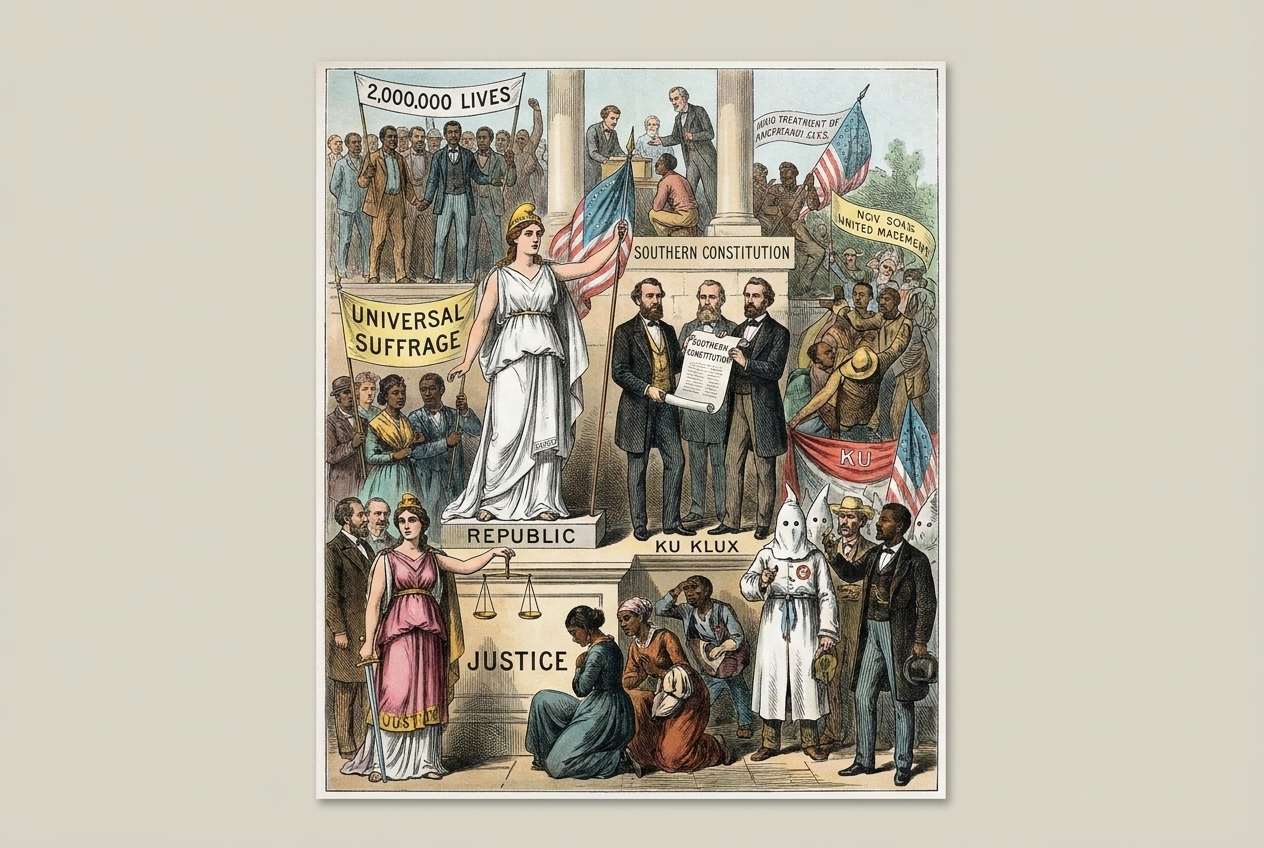
Promises Unfulfilled
The North Carolina State Capitol stands as a testament to the complex history of Reconstruction in the state. Following the Civil War, the U.S. government faced the daunting task of reintegrating the Southern states and addressing the rights of formerly enslaved individuals. The Fourteenth Amendment, proposed in 1866, aimed to grant citizenship and legal rights to African Americans. However, most former Confederate states, including North Carolina, initially resisted ratification. It wasn't until 1868, after Congress took control of the Reconstruction process, that significant changes began to unfold.
From January to March 1868, a convention was held at the Capitol, where 120 delegates, including 13 Black men, worked on a new state constitution. This document abolished slavery and expanded voting rights, allowing voters to elect officials in the executive branch and judges. The constitution passed with a narrow margin of 55% to 45% in a popular vote. In July of the same year, the North Carolina assembly ratified the Fourteenth Amendment, marking a pivotal moment in the state's history.
However, the journey was fraught with challenges. The earlier state constitutional convention of 1865-66, called by provisional governor William Holden, had produced a constitution that was largely a rehash of the 1776 version and was rejected by voters. The Thirteenth Amendment, which abolished slavery, was ratified by North Carolina on December 4, 1865, but the struggle for true equality and civil rights continued long after.
Visitors to the Capitol can explore these historical narratives through various information boards, which feature images of key figures like Andrew Johnson and Abraham Lincoln, as well as documents from this transformative period.
Geology
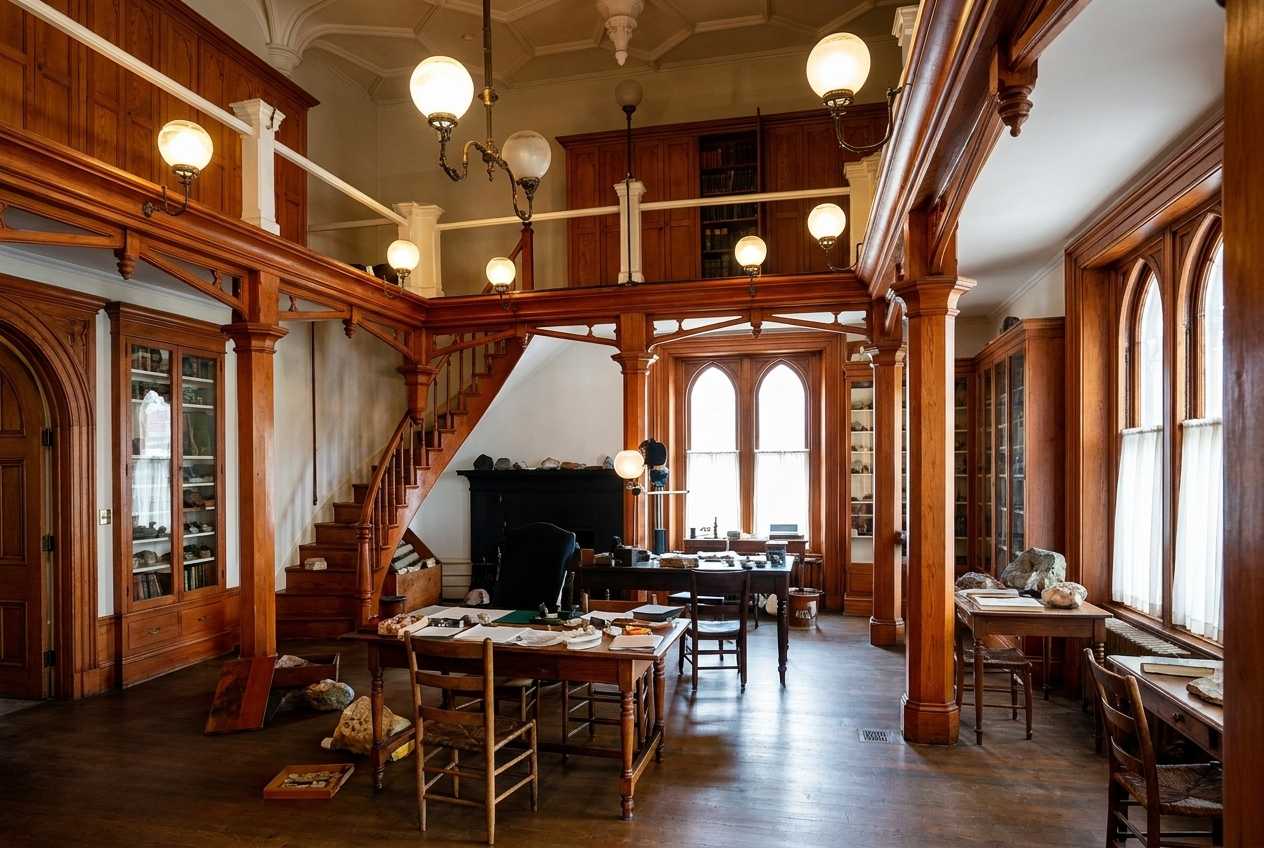
The State Geologist's Office
The State Geologist's Office is located on the third floor of the North Carolina State Capitol, in a room that has seen various uses since the building opened in 1840. Initially, this Gothic Revival style room served as the Supreme Court chamber until 1843, when the court moved to a more accessible space on the first floor. From 1856 to 1865, it housed the State Geologist's office and a geological museum known as the 'Cabinet of Minerals.' In 1854, glazed door cases were added to showcase natural resources collected from across North Carolina, allowing legislators to examine the state's geological wealth.
After the Civil War, the room transitioned to serve as an additional library space from 1867 to 1868 and later became the office of the Superintendent of Public Instruction until 1885. Over the years, it has also been used for various legislative functions and as storage for records of the Secretary of State. The room features a mezzanine level with additional cabinets, and the public gallery wraps around three sides of the Senate Chamber, although these galleries were added later and can feel cramped and steep.
The room is furnished to reflect its appearance on the eve of the Civil War, just before Ebenezer Emmons, the State Geologist from 1852 to 1860, retired due to health issues. During the Union occupation in 1865, Governor Zebulon Vance requested that the Capitol's library and museum be spared from destruction. However, several specimens were lost during the evacuation. The remnants of the geological collection were eventually donated to the University of North Carolina in 1866.
Notable Figures
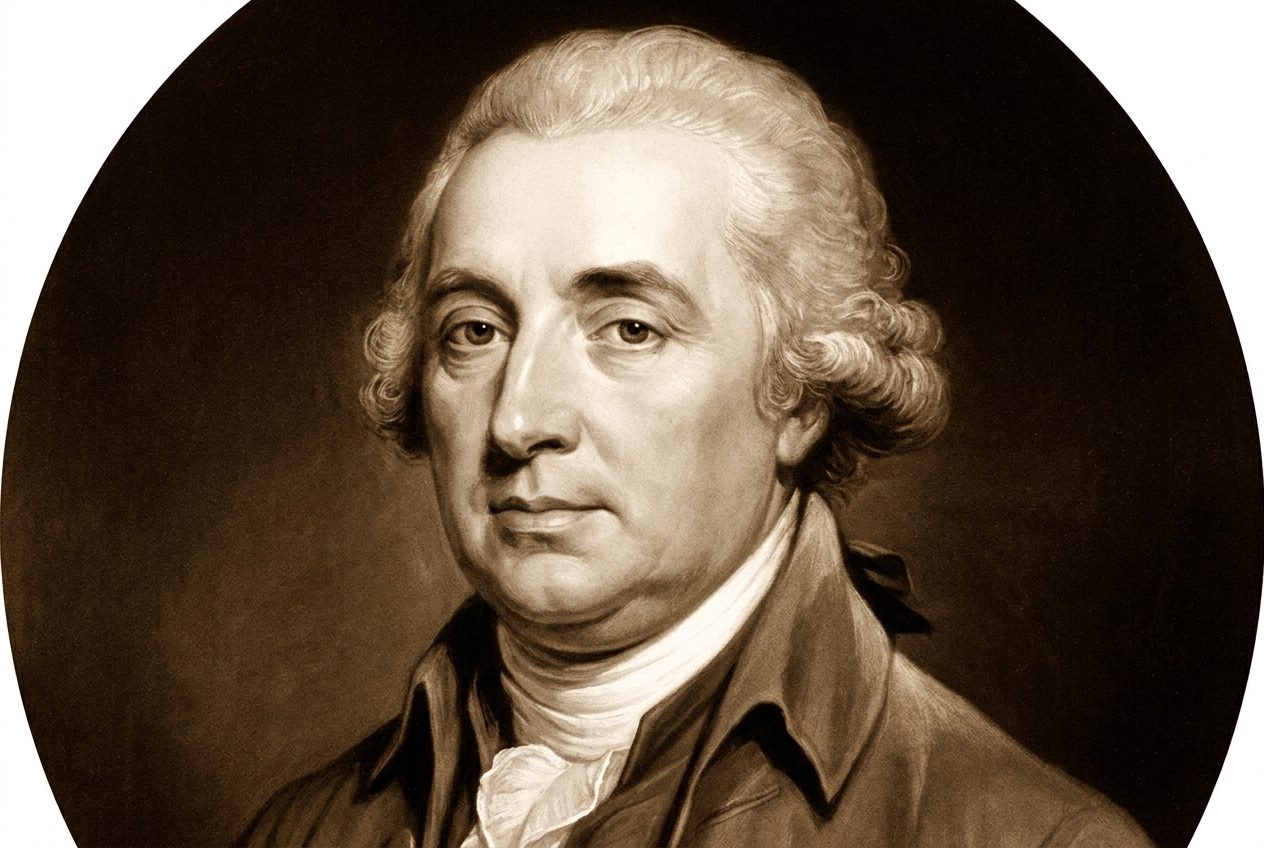
Samuel Johnston
Samuel Johnston was born in Scotland in 1733 and moved to North Carolina as an infant. He trained as a lawyer and represented Chowan County in the colonial Assembly. Johnston owned two plantations: Hayes Plantation near Edenton and the Hermitage Plantation in Martin County, where he enslaved hundreds of people throughout his life. During the American Revolution, he played a significant role as a member of North Carolina’s Provincial Council and attended the first four provincial congresses. He also served as treasurer to support the war effort. After the war, Johnston became the governor of North Carolina from 1787 to 1789 and was elected as the first U.S. senator from the state in 1789. He was also the first and third Grand Master of the Masons of North Carolina, highlighting his influence in both politics and social organizations.
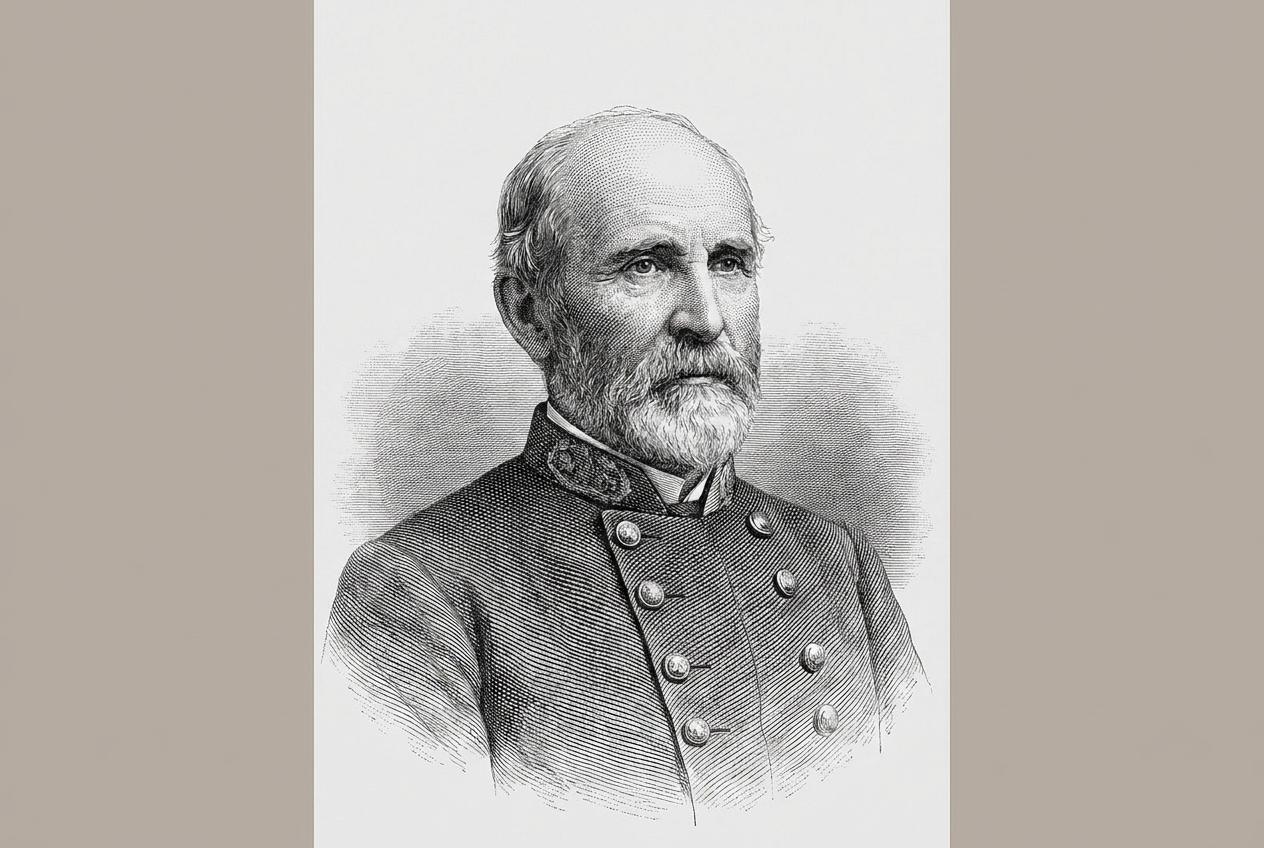
Matthew Whitaker Ransom
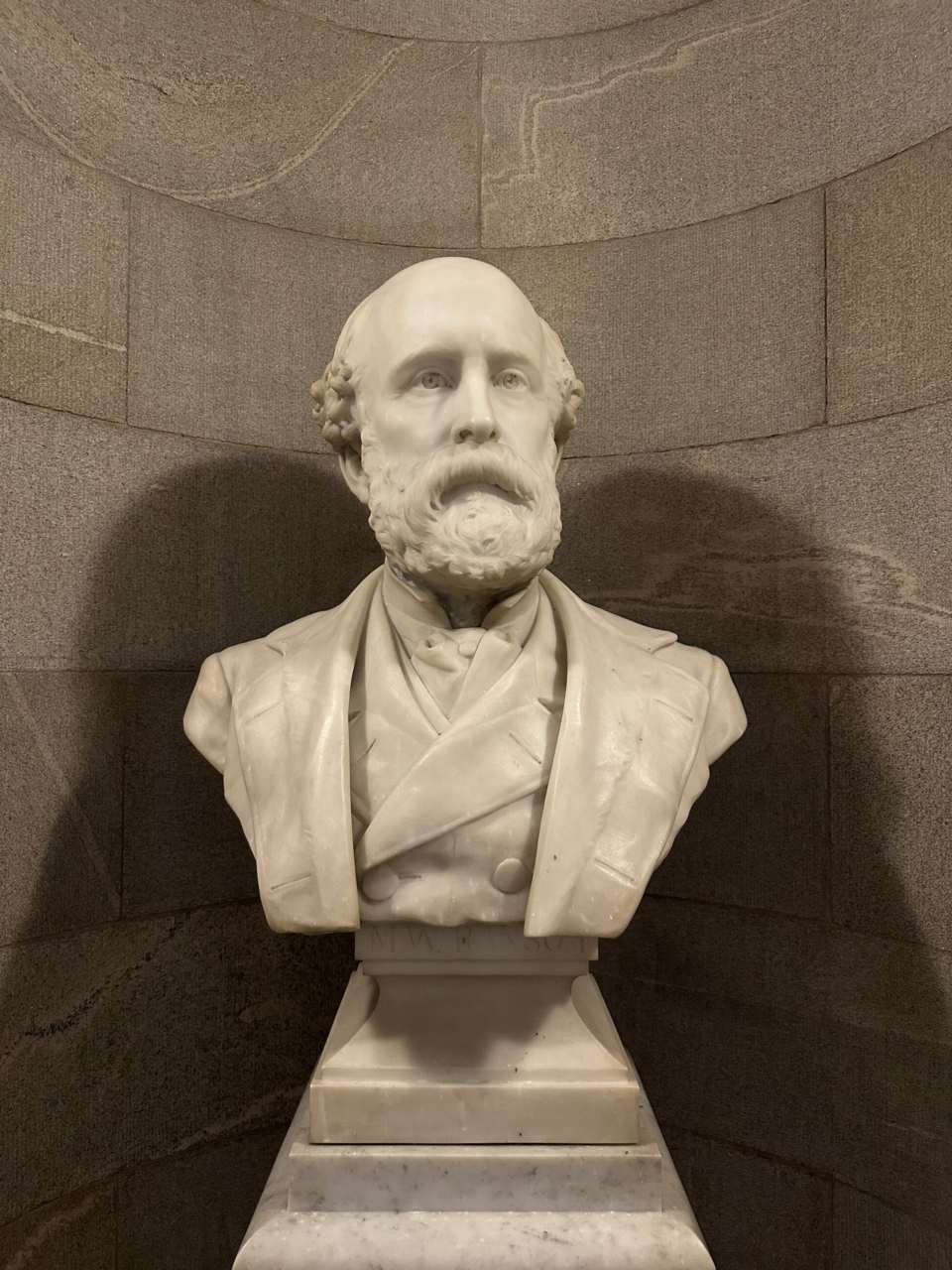
Matthew Whitaker Ransom was born in 1826 on a plantation in Warren County, North Carolina. He graduated from the University of North Carolina in 1847 and went on to serve as Attorney General of North Carolina. Ransom represented Northampton County in the N.C. House of Commons before joining the Confederate Army, where he rose to the rank of Brigadier General. He commanded over 2,000 troops at Appomattox Courthouse in 1872 and later became a Major General. Ransom was elected to the United States Senate in 1872, serving until 1895. President Grover Cleveland appointed him as minister to Mexico, a role he held from 1895 to 1897. His career reflects a complex legacy, intertwining military service and political leadership during a tumultuous period in American history.
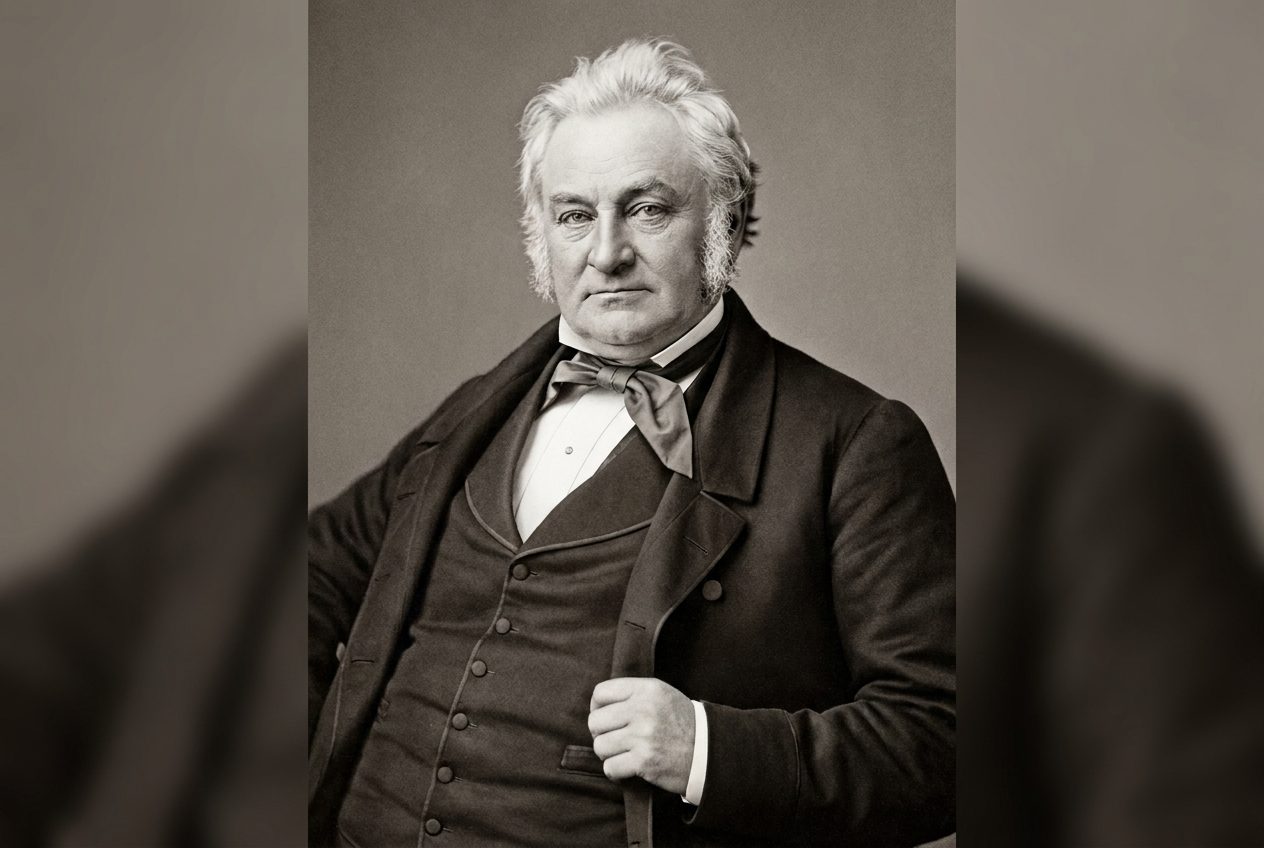
John Motley Morehead
John Motley Morehead was born in 1796 in Rockingham County, North Carolina. He graduated from the University of North Carolina in 1817 and later moved to Guilford County after marrying Ann Eliza Lindsey. Morehead served in the North Carolina General Assembly and was known for supporting legislation aimed at educating enslaved people, despite enslaving at least 30 individuals at his home, Blandwood Mansion. He was the first governor to be inaugurated in the North Carolina State Capitol. Morehead advocated for educational institutions for individuals with physical disabilities and mental illness, and he supported railroad expansion westward. He also attended a conference aimed at preventing the Civil War and later represented North Carolina in the Confederate government.
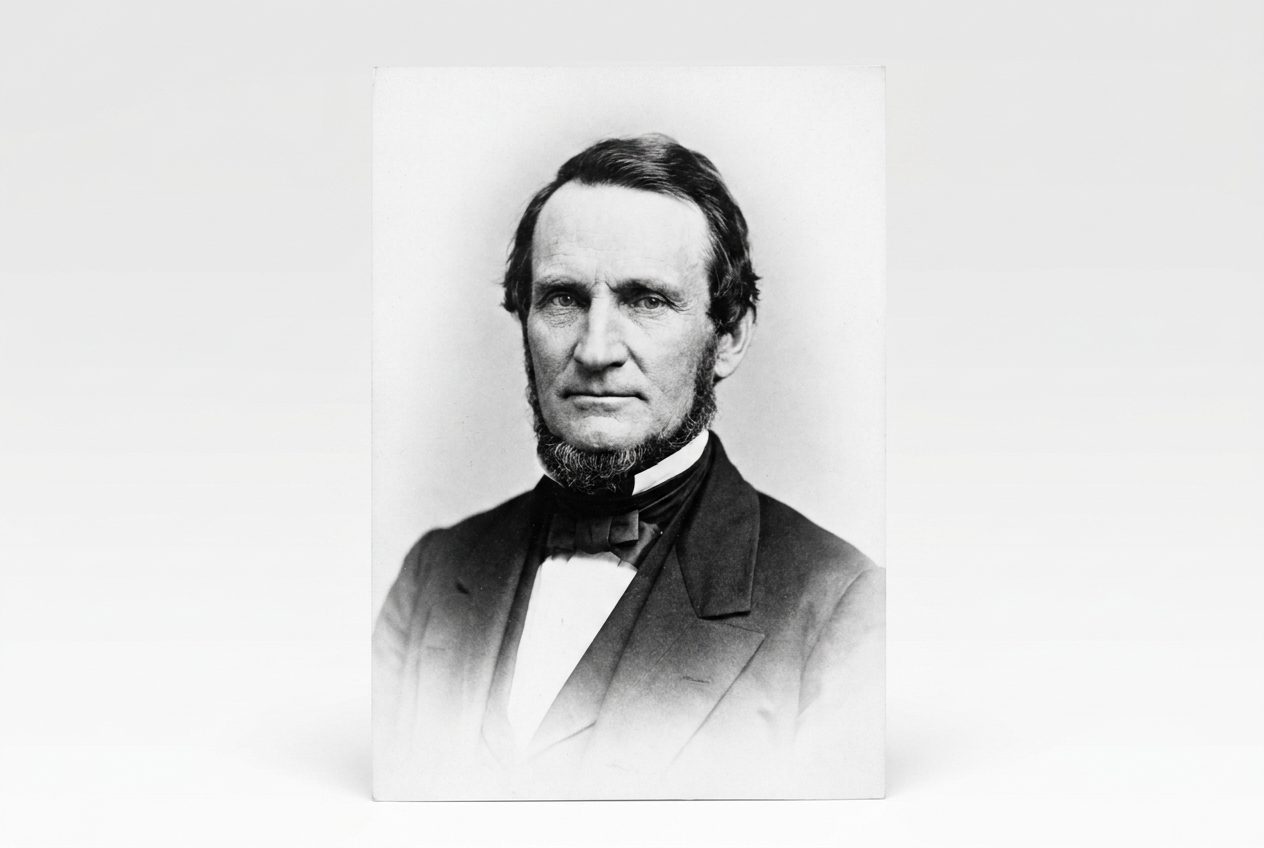
William A. Graham
William A. Graham was born in 1804 at Vesuvius Furnace plantation near Lincolnton, North Carolina. He graduated from the University of North Carolina in 1824. Graham served as a U.S. senator from North Carolina from 1840 to 1843, and from 1845 to 1849, he was the 30th governor of the state. He also held the position of U.S. Secretary of the Navy from 1850 to 1852. In 1852, he was the Whig Party nominee for vice president alongside General Winfield Scott. While managing a farm, Graham enslaved 38 individuals in Orange County. He was a member of the North Carolina Senate from 1854 to 1866 and served in the Confederate Senate from 1864 to 1865, reflecting his deep involvement in the political landscape of his time.