The Cleetwood Cove Trail is CLOSED for construction. This critical project will fully rehabilitate the trail and marina to ensure safe access to the lake, provide a much-improved visitor experience, and protect the environment. Details
Straight from the US National Park Service, refreshed several times a day.
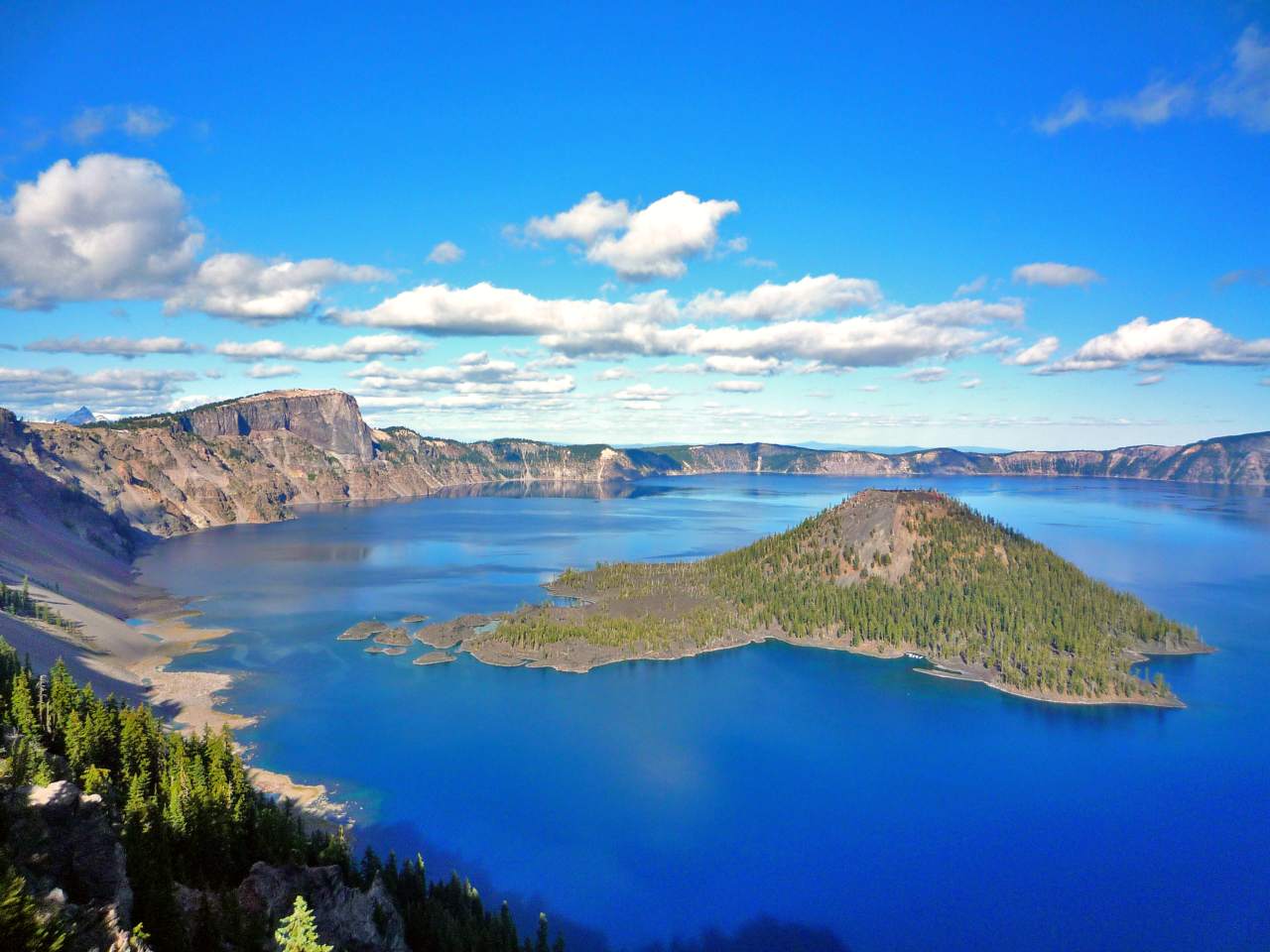
Crater Lake is a stunning natural wonder located in southern Oregon, known for its deep blue waters and dramatic cliffs. Visitors are often captivated by the lake's serene beauty and the surrounding landscapes, which offer a peaceful escape from the hustle and bustle of everyday life.
Read more
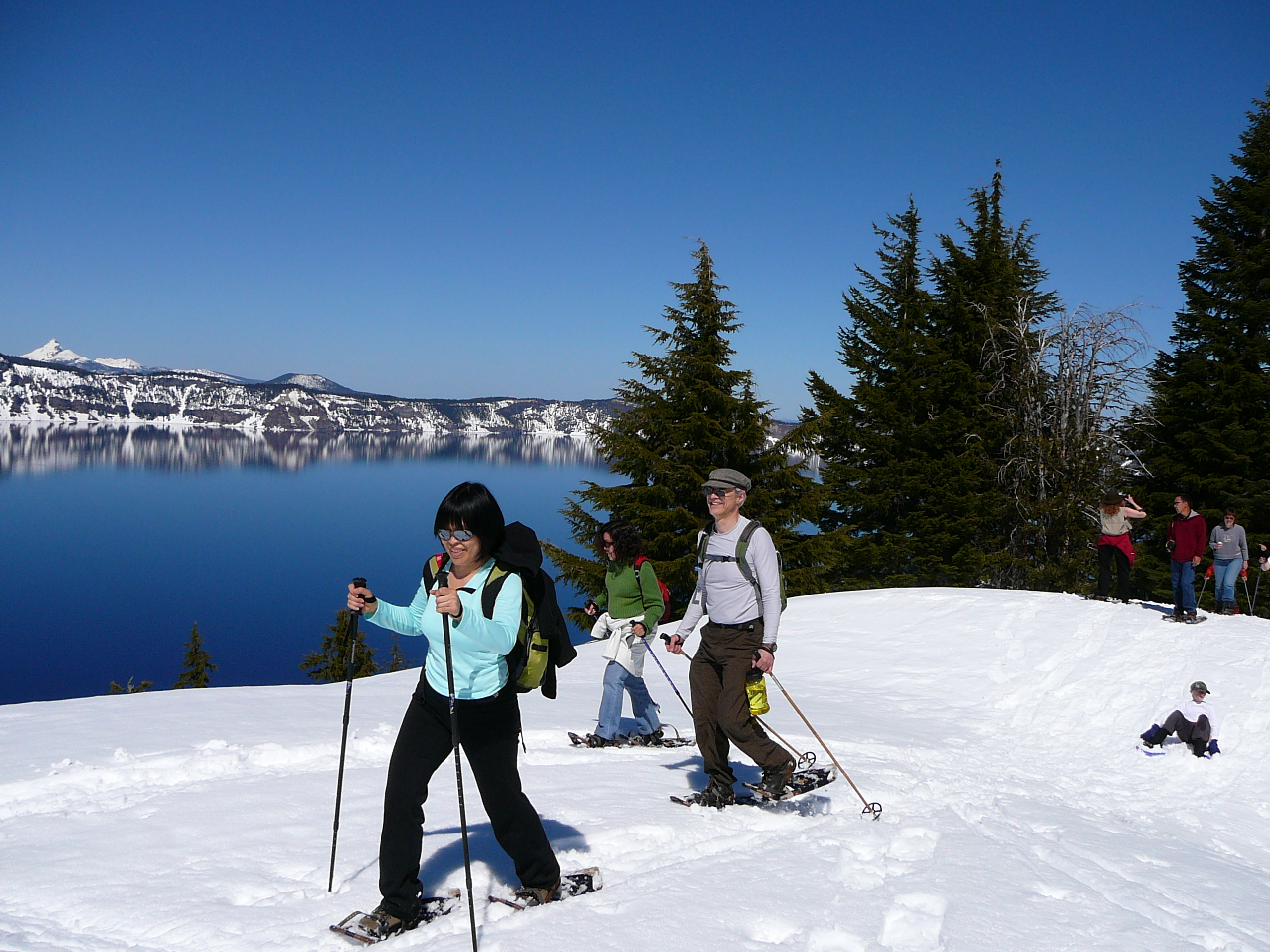
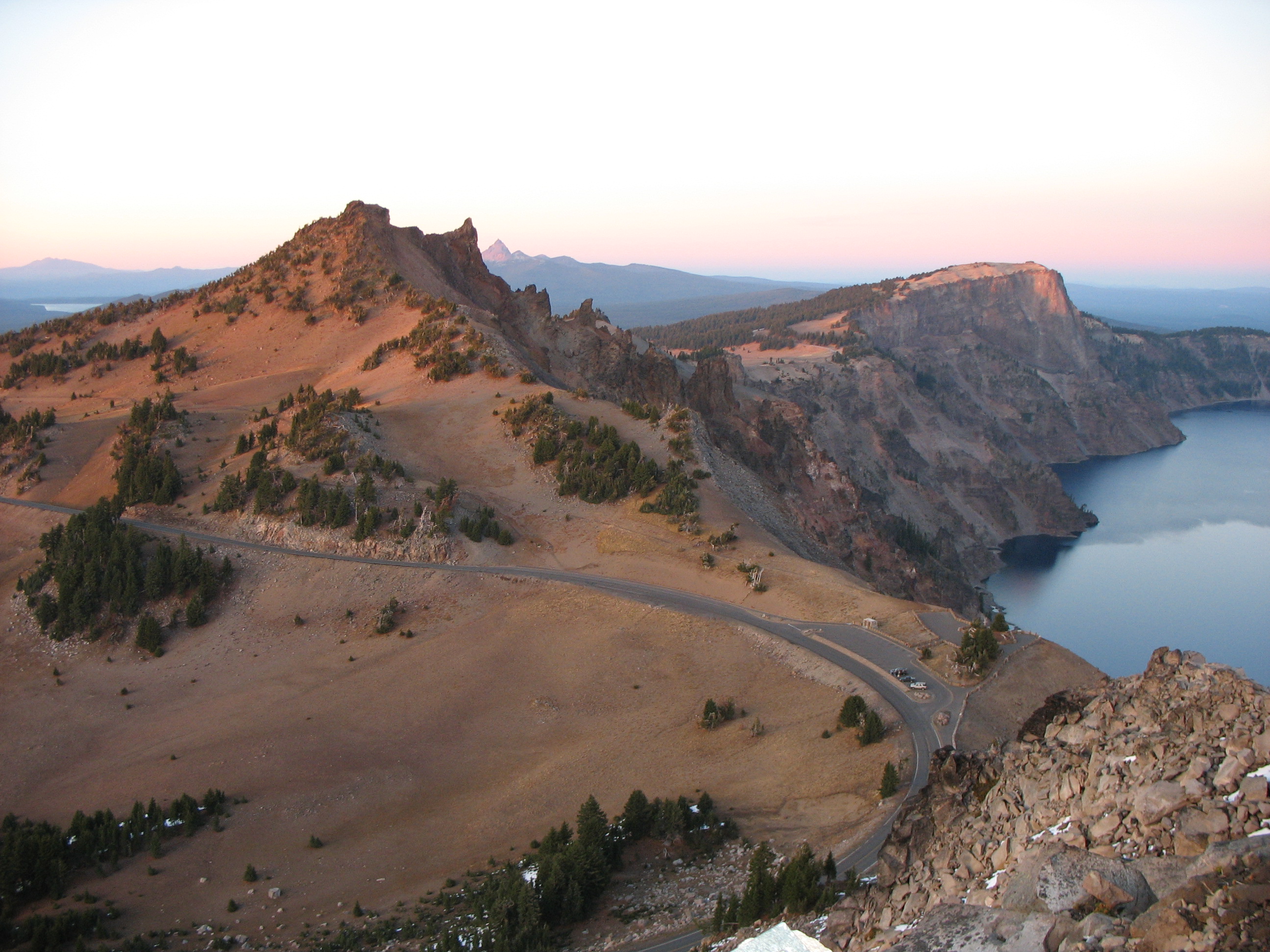
The area is rich in outdoor activities, making it a popular destination for nature lovers and adventure seekers. Whether you're hiking along the rim or simply enjoying the view from one of the many overlooks, Crater Lake offers a unique experience that feels both remote and accessible.
Highlights
Cleetwood Cove Trail
Hike down to the lake's shore
Crater Lake National Park Visitor Center
Learn about the park's history and geology
Watchman Peak Trail
Short hike with rewarding views
Wizard Island Boat Tours
Explore the island with guided boat tours
In pictures
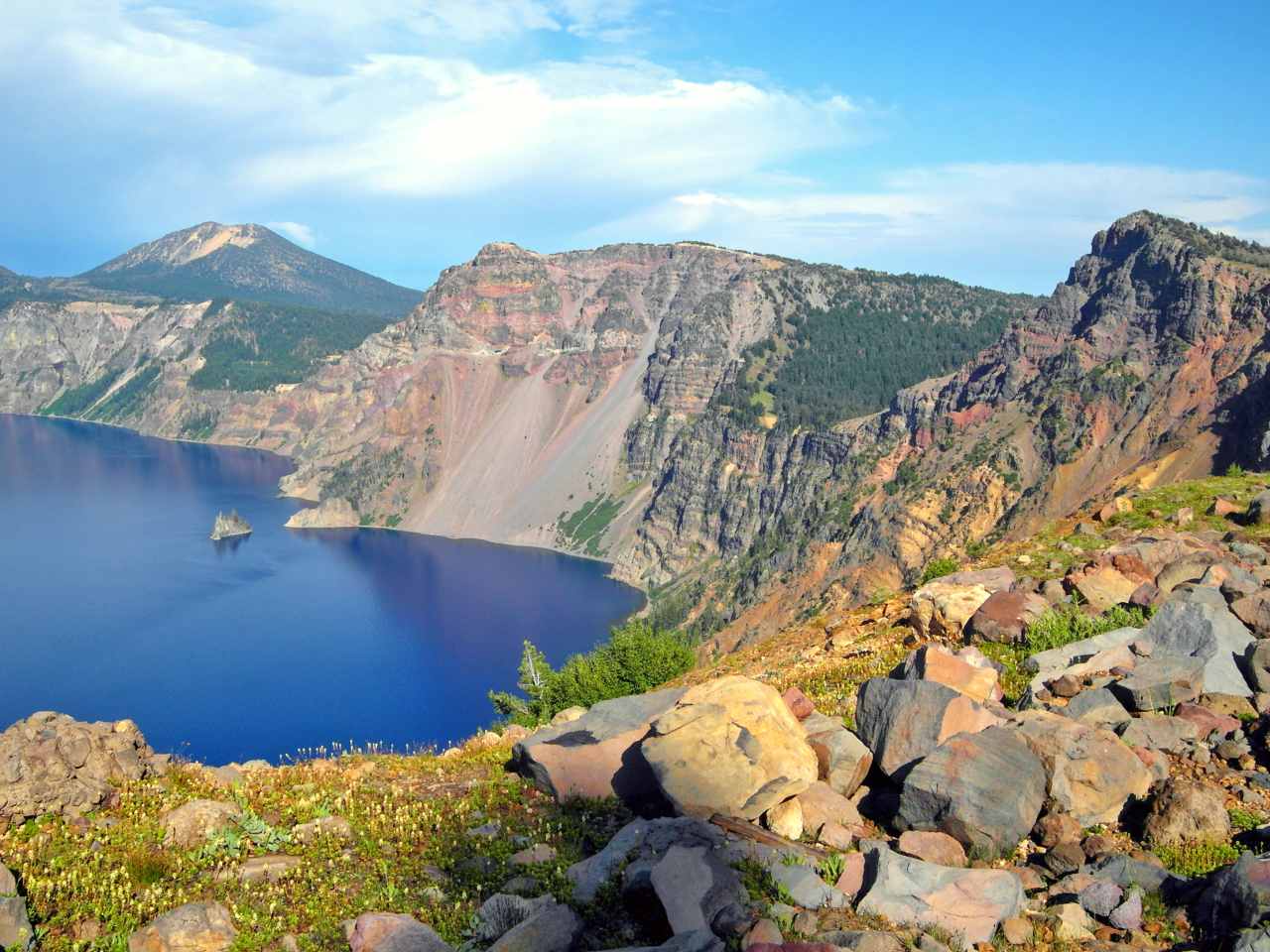 NPS Photo · Public domain
Sightseeing
Things to do
Local food and drinks
Local traditions
Do's and don'ts
Things to do

Live now
Practical
At a glance
- Open
- Daily open 24 hours
- Price
- Private Vehicle $20, Private Vehicle $30, Per Person $15
- Accessibility
- Some areas are accessible, but many trails are rugged.
- Opening hours
- Daily open 24 hours
- Phone
- 5415943000
- Price
- ~$15
- Price level
- Mid-range
- Website
- www.nps.gov
Things to know
History
Crater Lake was formed over 7,700 years ago after the collapse of Mount Mazama, creating a caldera that filled with rainwater and snowmelt. The lake was designated a national park in 1902, making it the fifth national park in the United States, and has since been a protected area for its unique ecosystem.
The area has a rich cultural history, with Native American tribes considering the lake sacred. Today, it attracts visitors from around the world, eager to witness its stunning beauty and learn about its geological significance.
Photo: NPS Photo · Public domain (US federal work) · NPS
Photo credits (1)
- NPS Photo · Public domain (US federal work) · NPS