Wildlife
Understanding Wildlife Safety
When visiting Shenandoah National Park, understanding wildlife safety is crucial. The park is home to diverse species, including deer, bears, and various birds. Feeding wildlife is illegal and can lead to dangerous situations. Animals that become accustomed to human food may lose their natural foraging instincts, making them vulnerable to poachers. Additionally, bears that seek out human food can pose a threat to visitors and may need to be euthanized if they become too reliant on it.
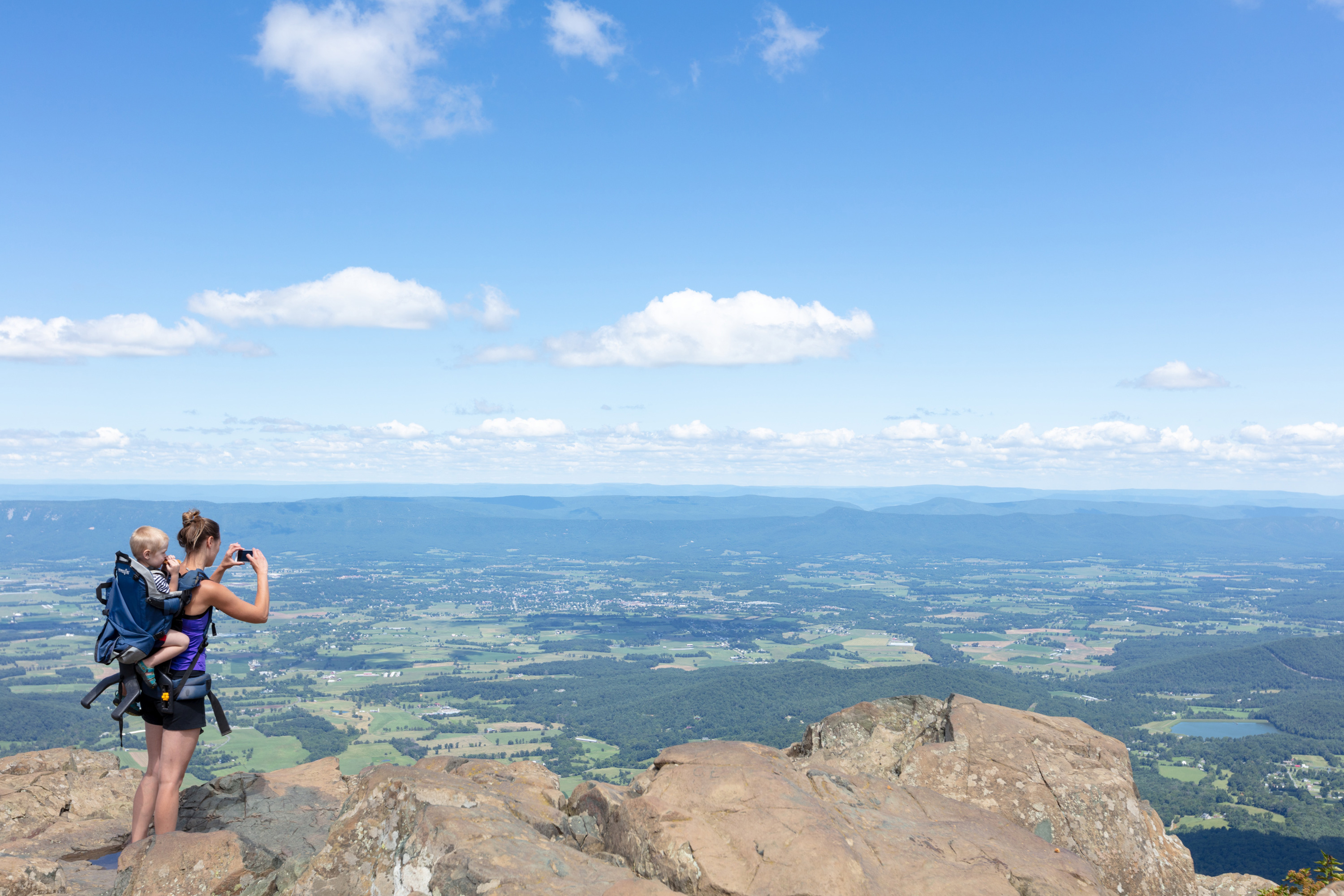
To keep both yourself and the wildlife safe, store food, trash, and any scented items securely in your vehicle while camping. Always maintain a safe distance from animals. If you notice a change in their behavior due to your presence, you are too close. Use binoculars or a telephoto lens to observe them without intruding. Keep children within arm’s reach and ensure pets are leashed and under control. Avoid climbing on rocks or straying off marked trails.
The Leave No Trace principles are essential here. Pack out all trash and avoid making loud noises that could disturb the wildlife. Remember, the park is a sanctuary that preserves not only animals but also plants and historical artifacts. Do not collect or harm anything you find. Wildflowers need to set seed for future growth, and artifacts should remain undisturbed for future hikers to appreciate. By respecting these guidelines, you contribute to the preservation of Shenandoah's natural beauty and ensure a safe experience for everyone.
History
The Story of Shenandoah
Shenandoah National Park has a rich history that reflects the changing relationship between people and the land. The Blue Ridge Mountains have been inhabited for thousands of years, with communities relying on the natural resources for their livelihoods. However, the establishment of the park in 1935 marked a significant shift. It aimed to provide a space for recreation and relaxation, catering to the growing number of visitors seeking a respite from urban life.
The creation of Shenandoah was not without its challenges. The park was formed from over 1,000 privately owned parcels, which included forests, fields, and even orchards. This patchwork of land was transformed into a protected area, allowing for conservation and public enjoyment. The Civilian Conservation Corps played a crucial role in developing the park's infrastructure during the 1930s. They constructed Skyline Drive, which remains a primary route for visitors today, along with trails and picnic areas that enhance the outdoor experience.
In 1976, Congress designated more than 40 percent of Shenandoah as Wilderness, ensuring the preservation of its natural beauty and ecological integrity. This designation reflects a commitment to protecting the park's diverse wildlife, including black bears and white-tailed deer, as well as its unique flora, such as trillium wildflowers.
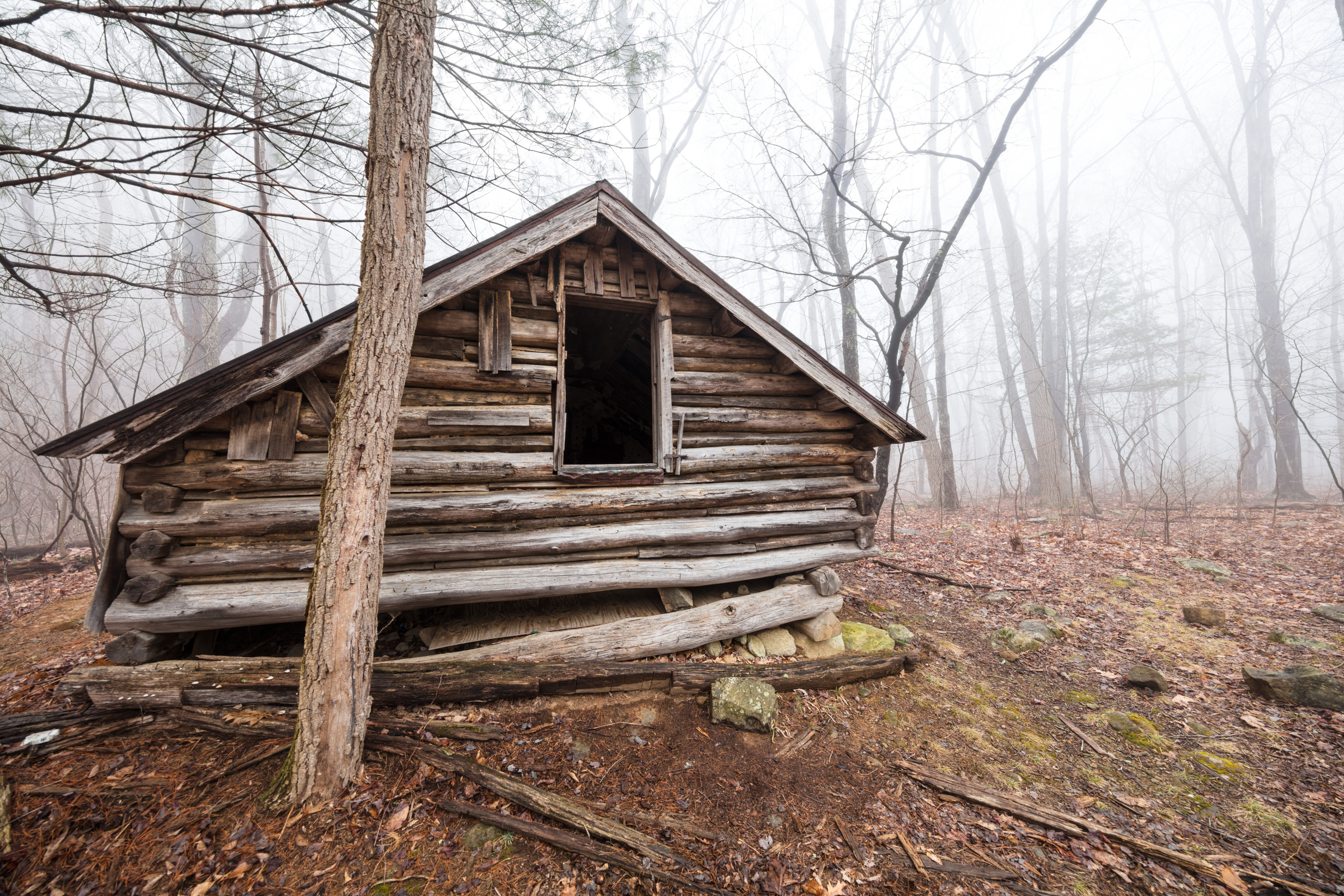
Visitors can explore the park's history through its structures, like the rustic cabins built by the CCC and the remnants of old homesteads. Shenandoah National Park continues to be a place where people can connect with nature and reflect on the stories of those who came before.
Seasons
Seasonal Changes in Shenandoah
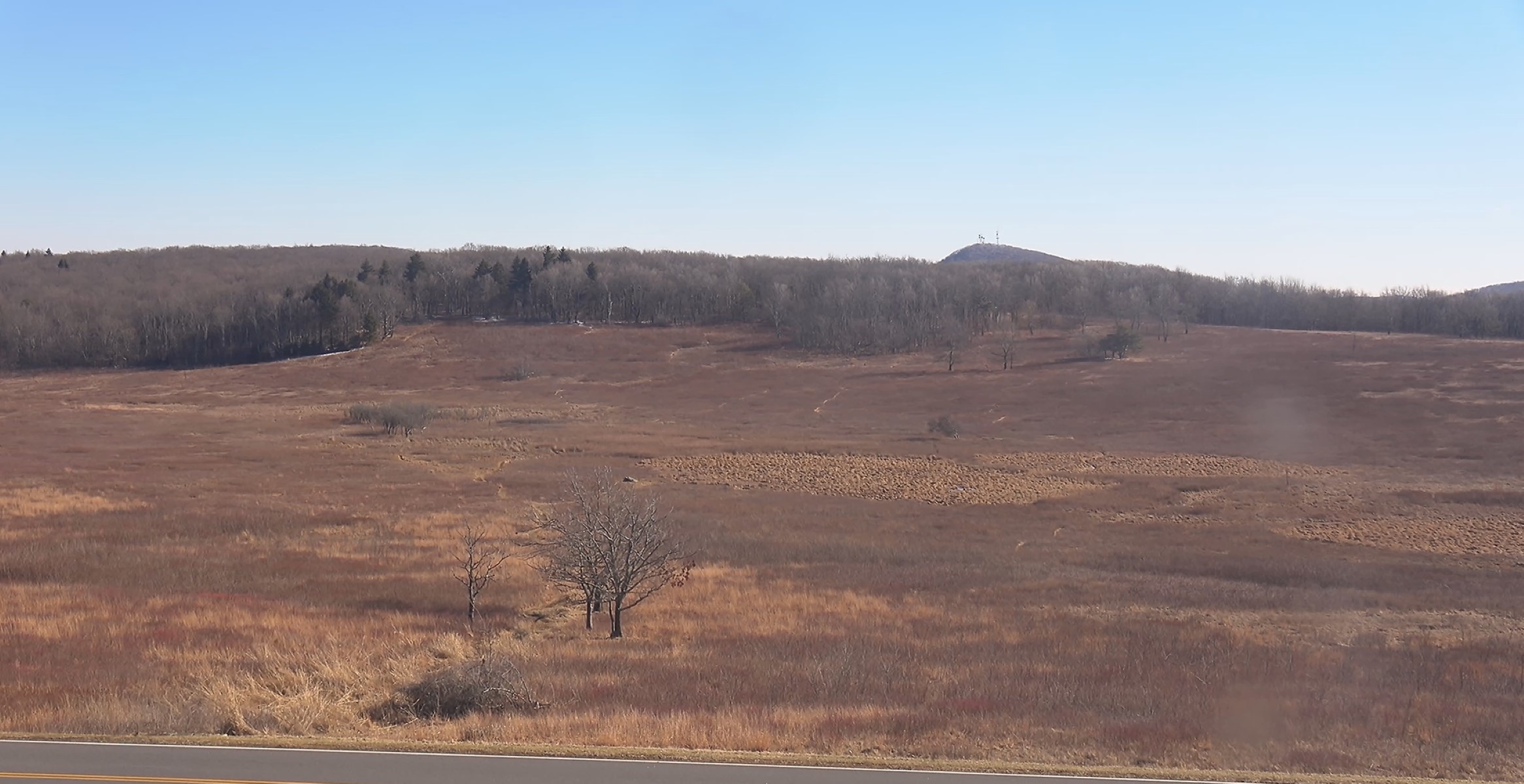
Shenandoah National Park experiences distinct seasonal changes that shape its landscapes and wildlife. Spring often arrives late in the higher elevations, but when it does, the park comes alive. In March and April, you can spot the first wildflowers at lower elevations. By early May, redbud and serviceberry trees bloom, adding color to the scenery. As you drive through the park, look for trillium, crepis, forest floor pink azalea, lady's slippers, and mountain laurel, which are common sights along the route. In June, the wildflowers continue to flourish, especially in the higher elevations.
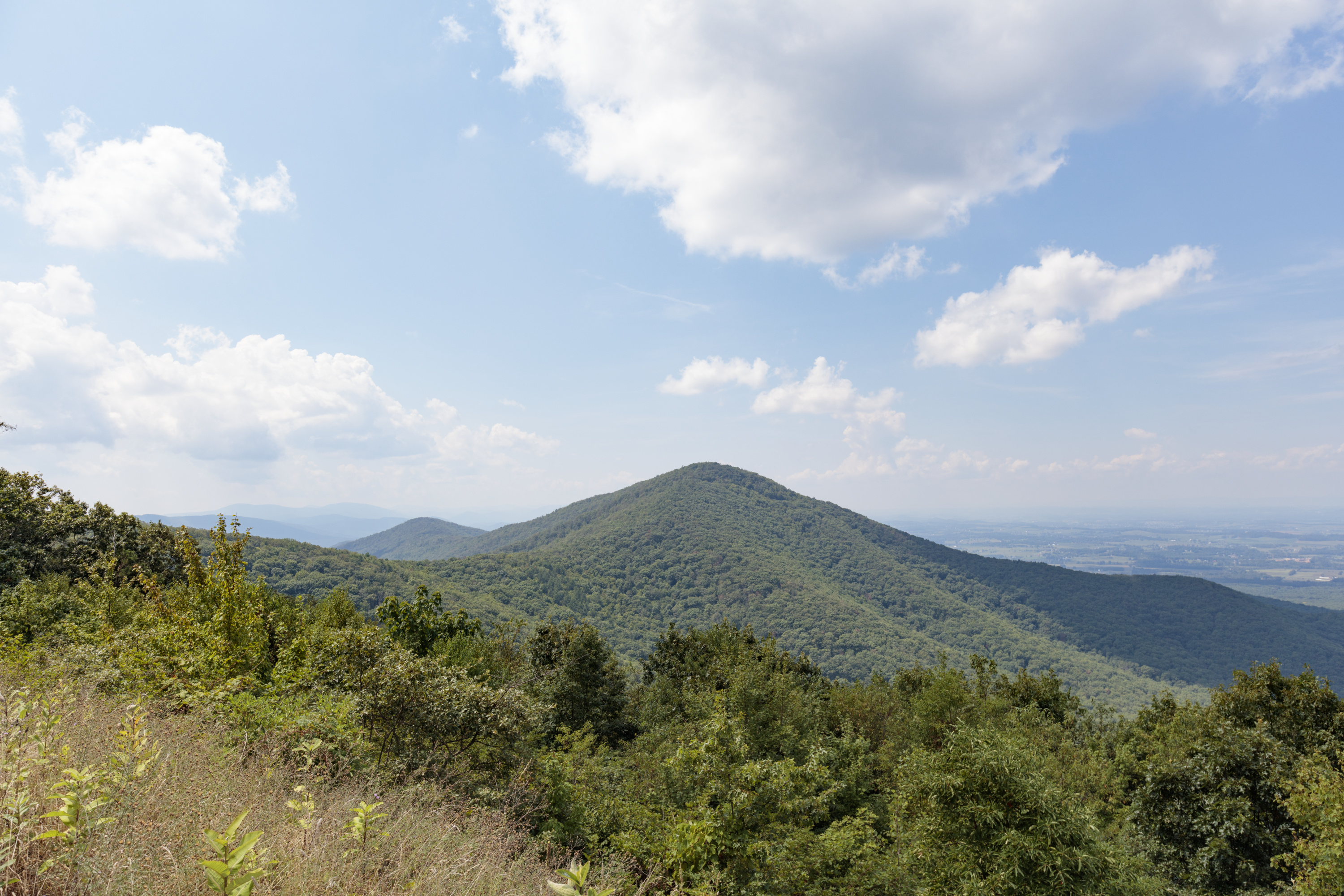
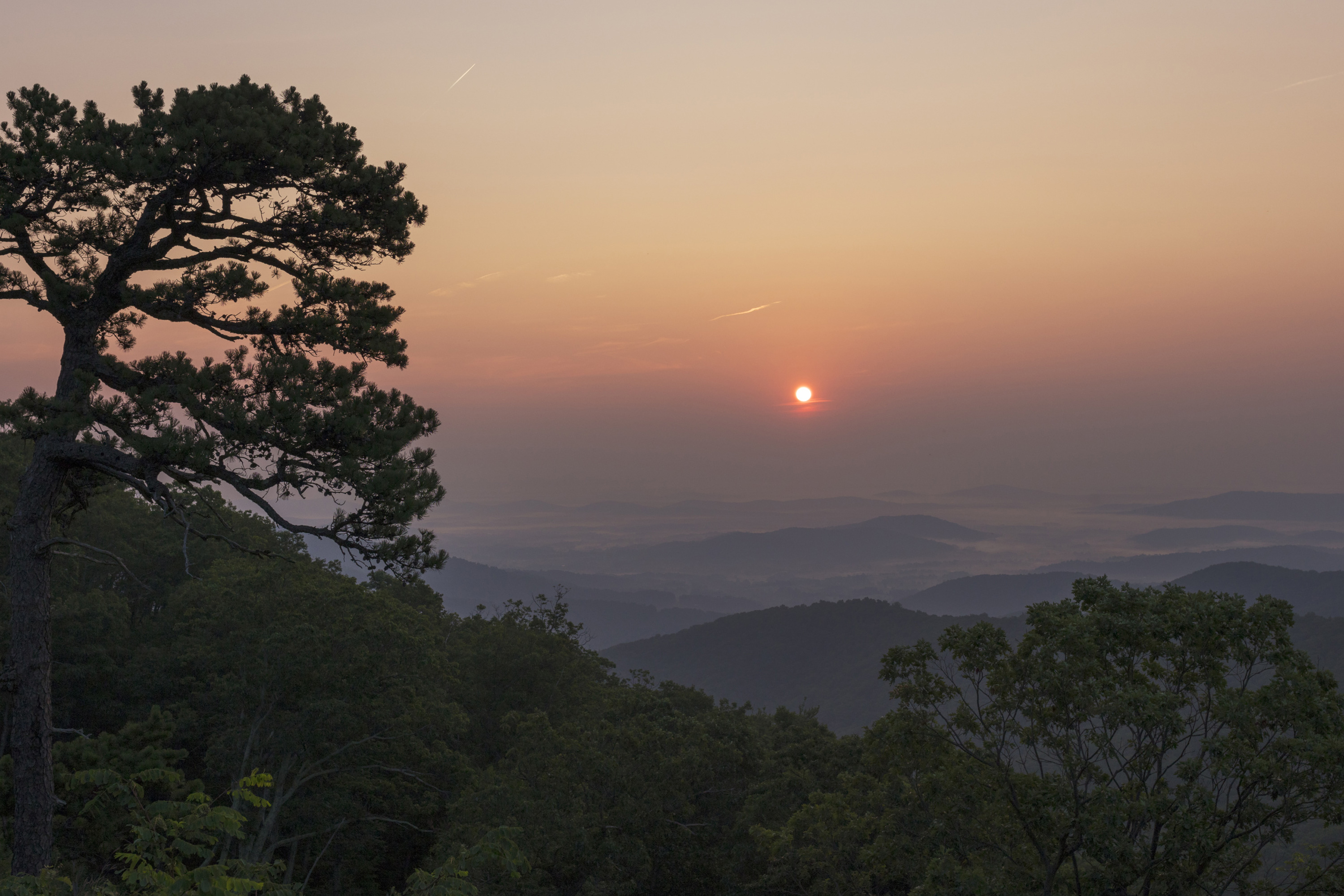
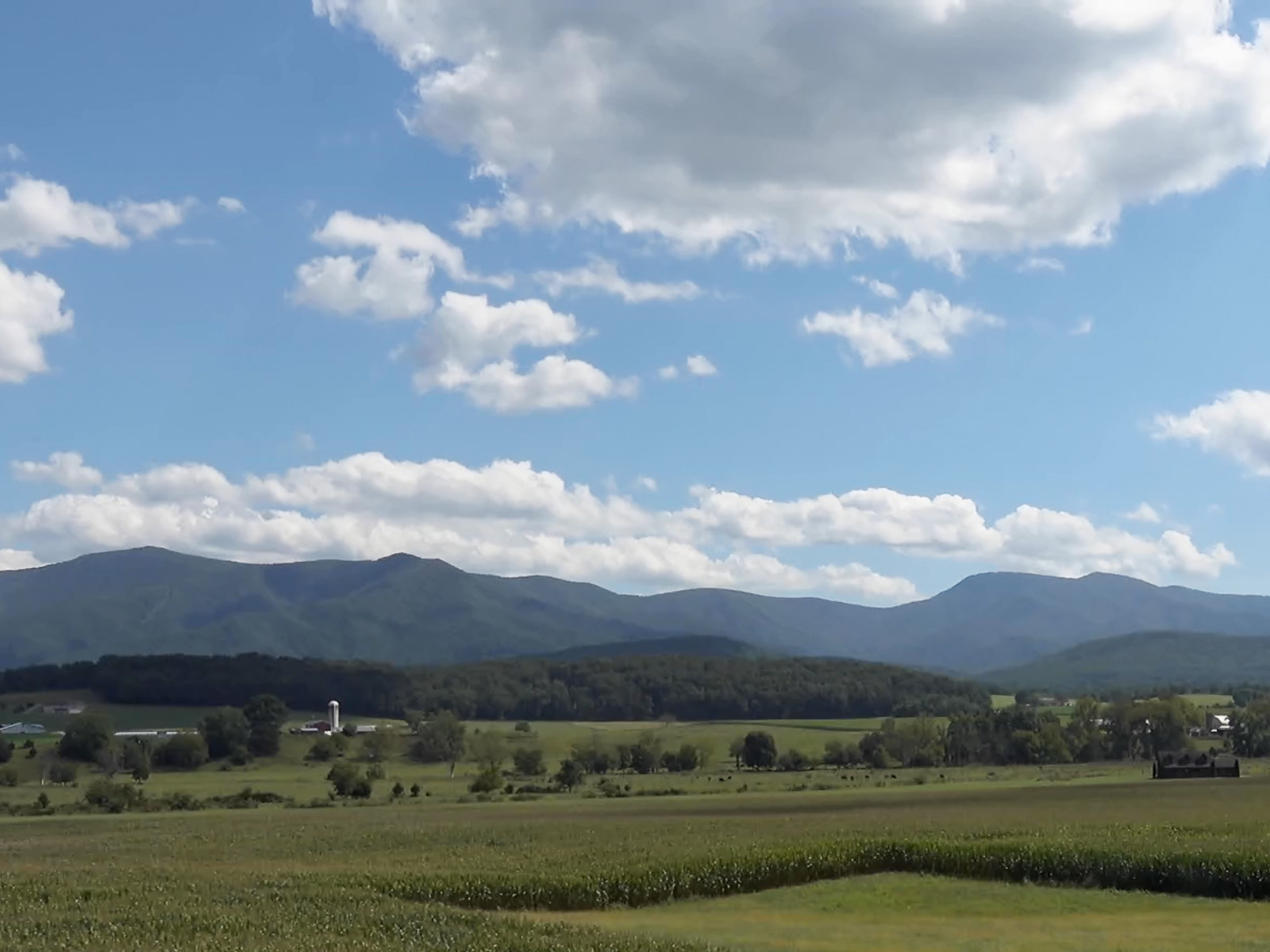
Summer transforms the park into a sea of deep greens. The forests, meadows, and peaks provide a cool escape from the heat. Late summer brings a burst of color with black-eyed Susans, Joe-Pye weed, and goldenrod lining the roadsides and fields. Wildlife is abundant during this time, with deer, black bears, and wild turkeys frequently spotted.
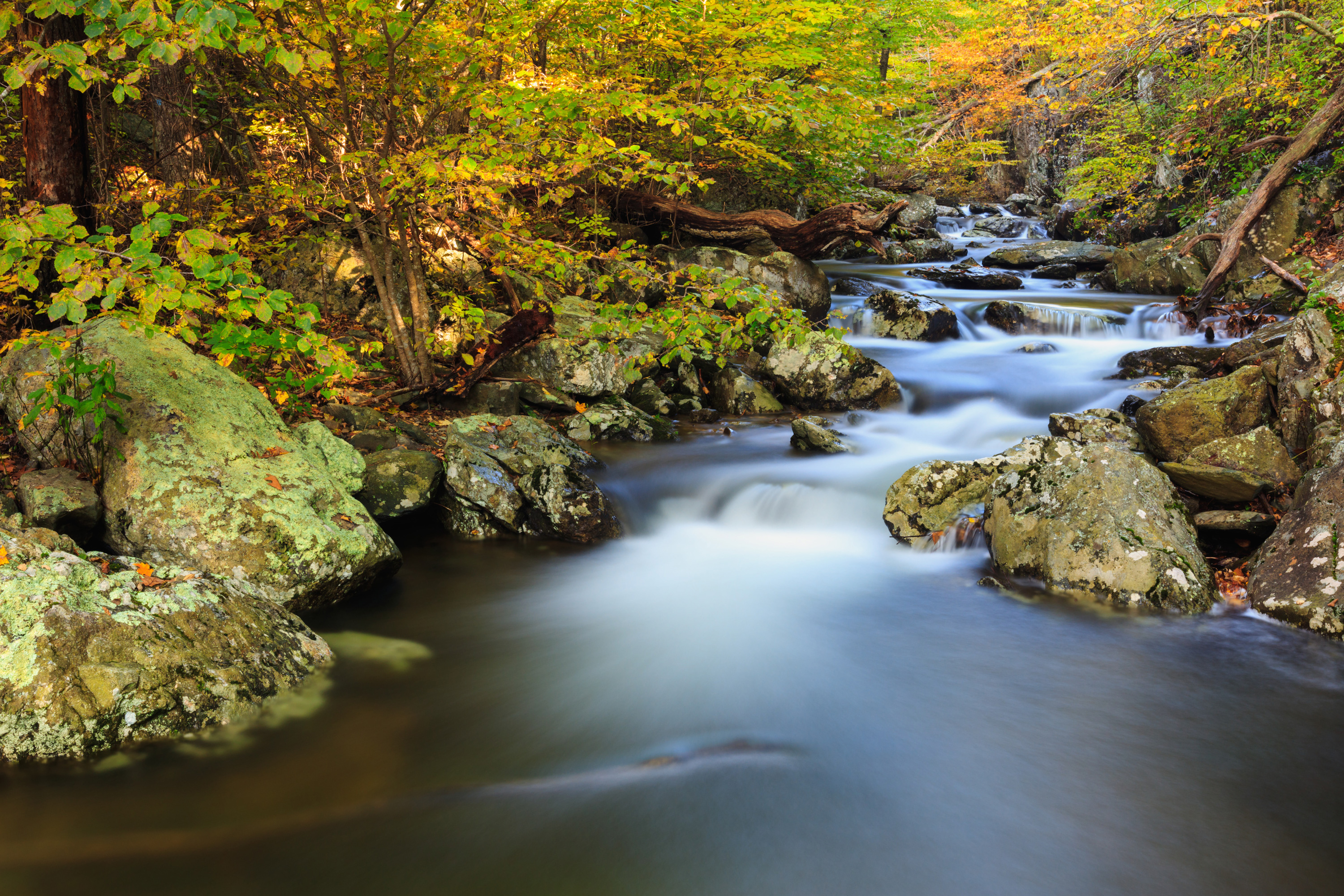
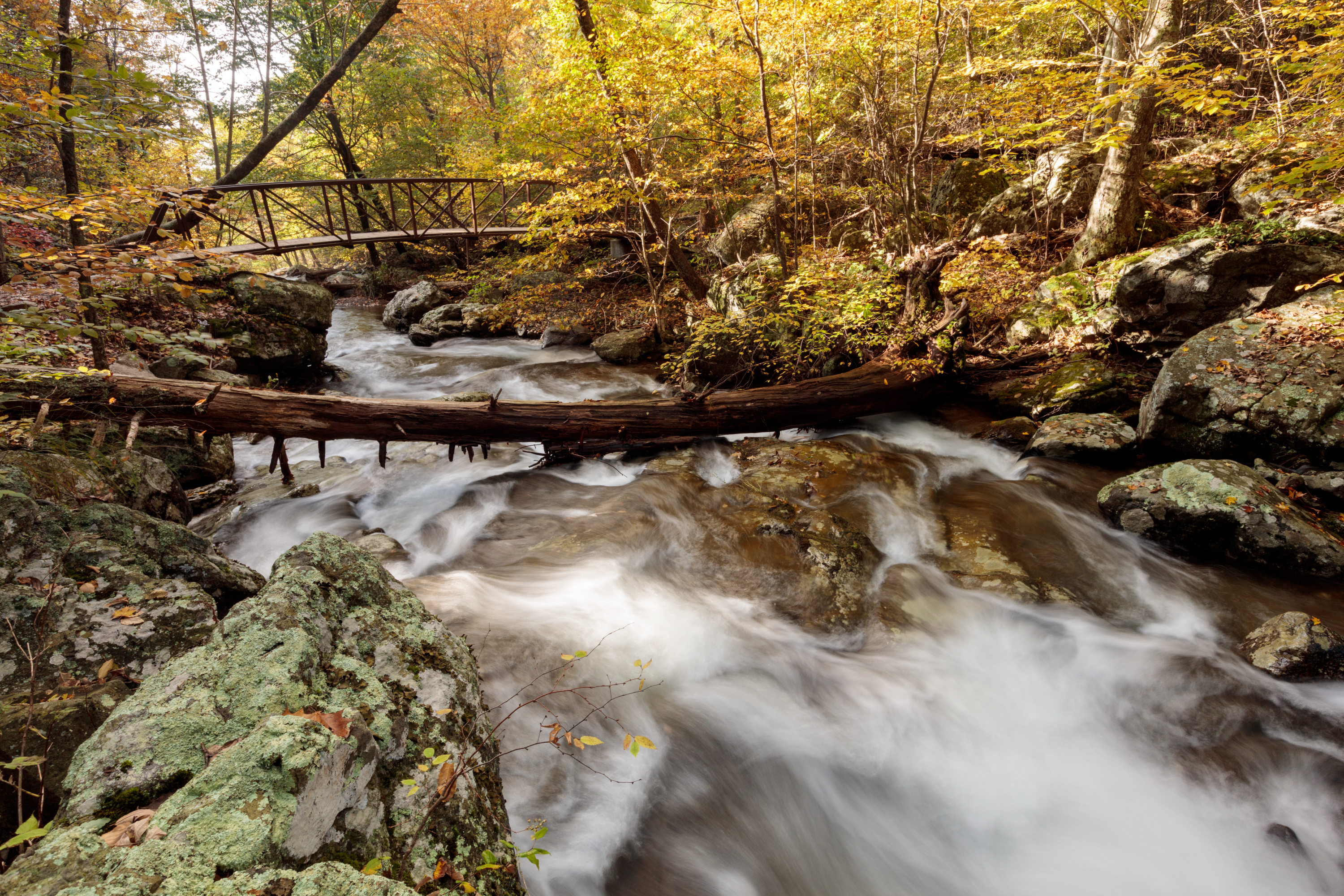
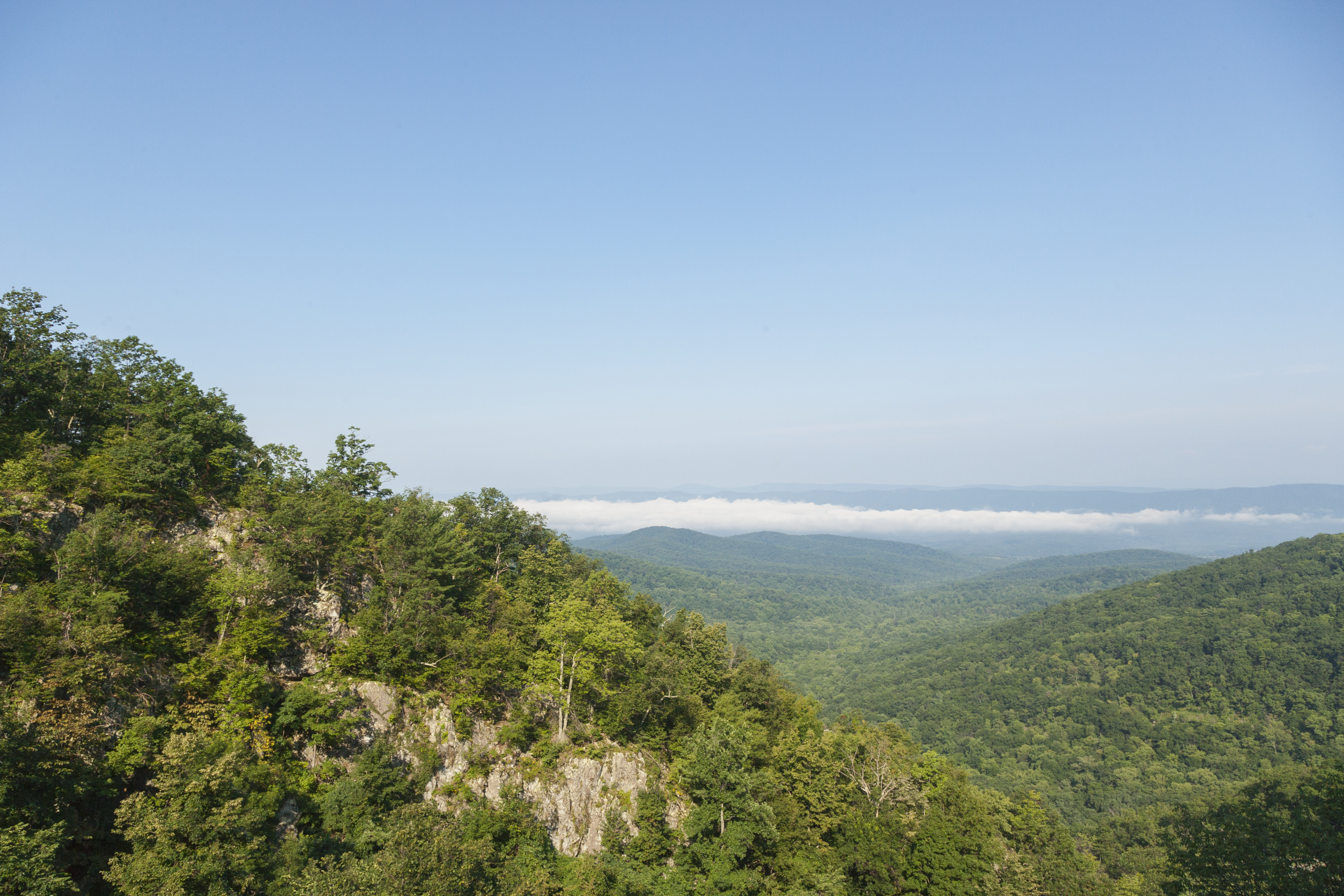
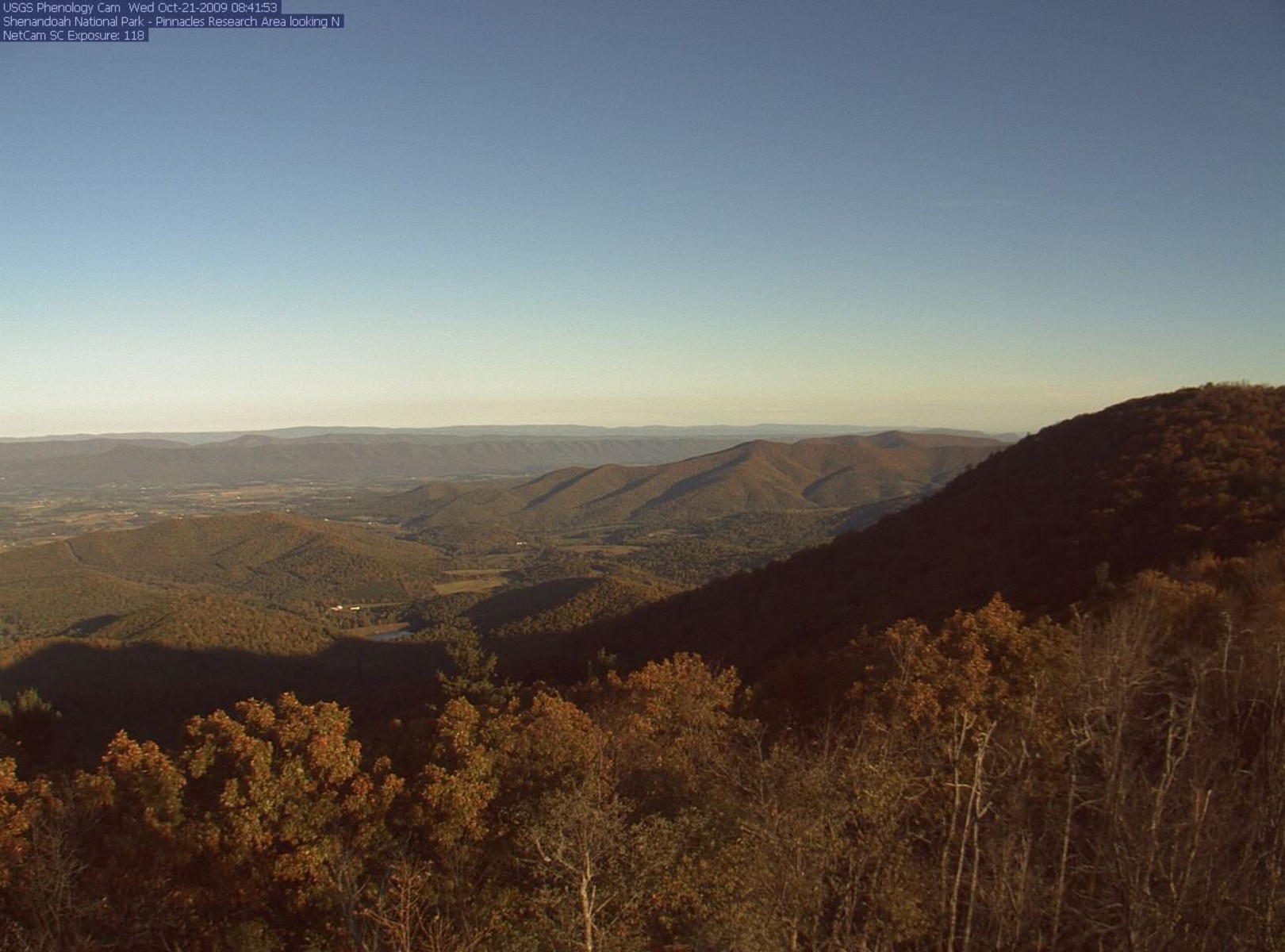
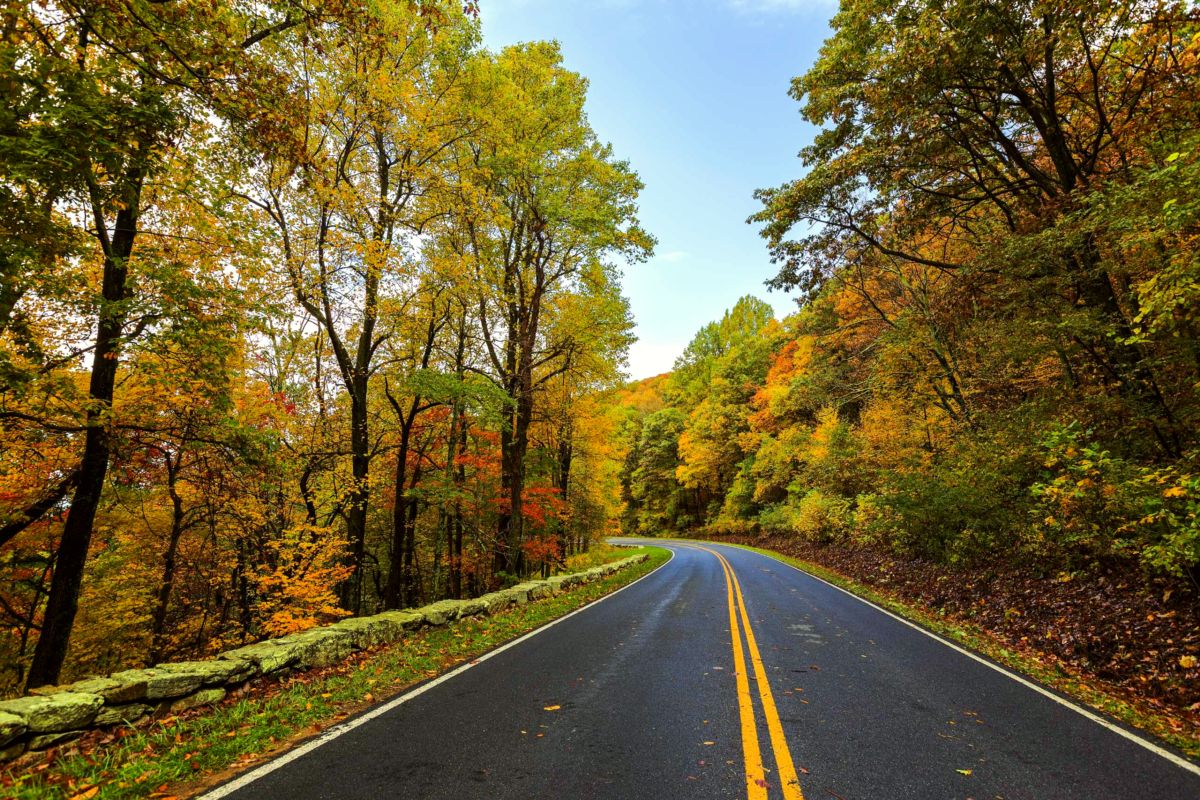
Autumn showcases a spectacular display of colors as trees turn gold, red, and orange. The park's overlooks offer impressive views of the changing foliage, making it a prime time for hiking. The crisp air and clear skies enhance the experience, inviting exploration of the trails.
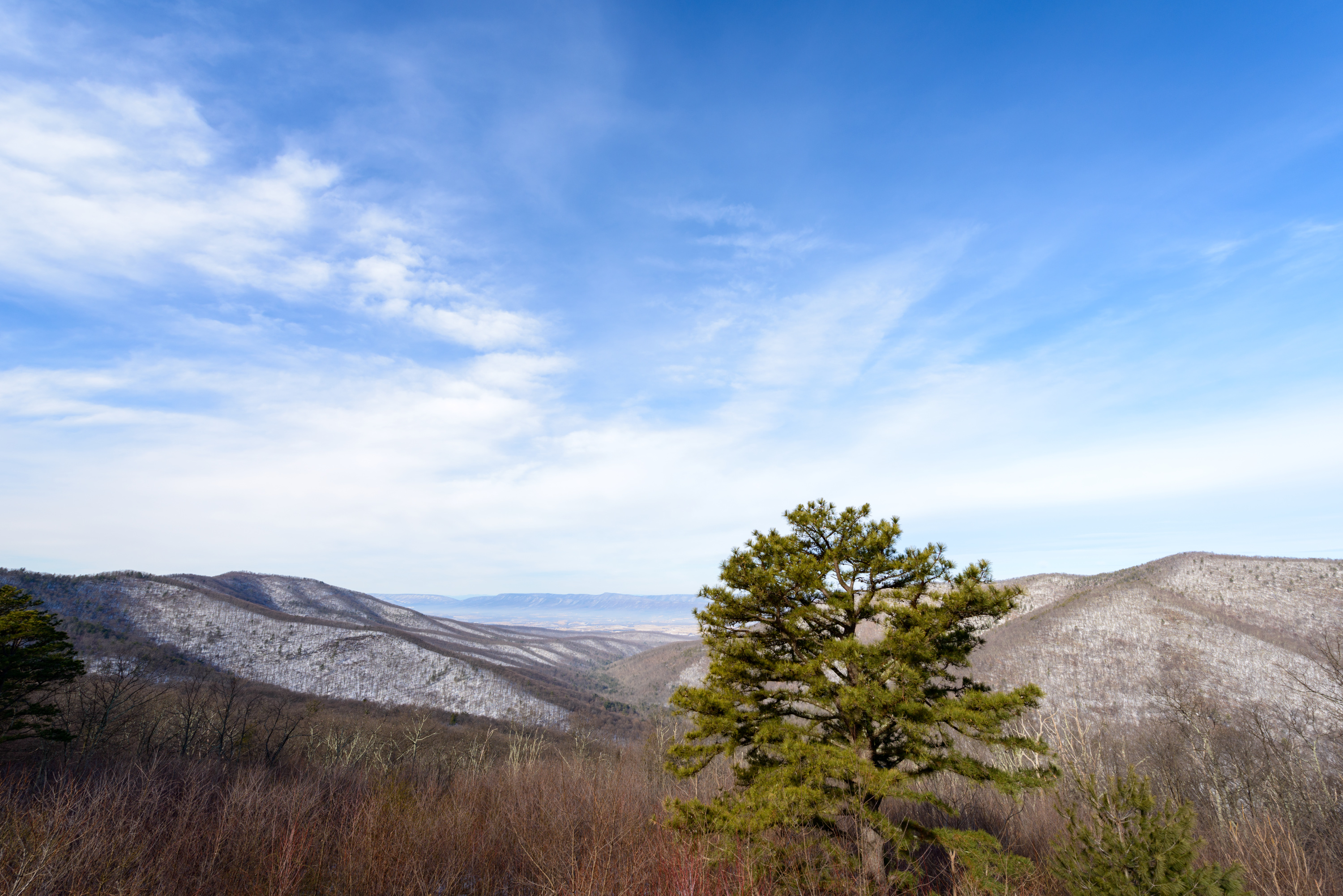
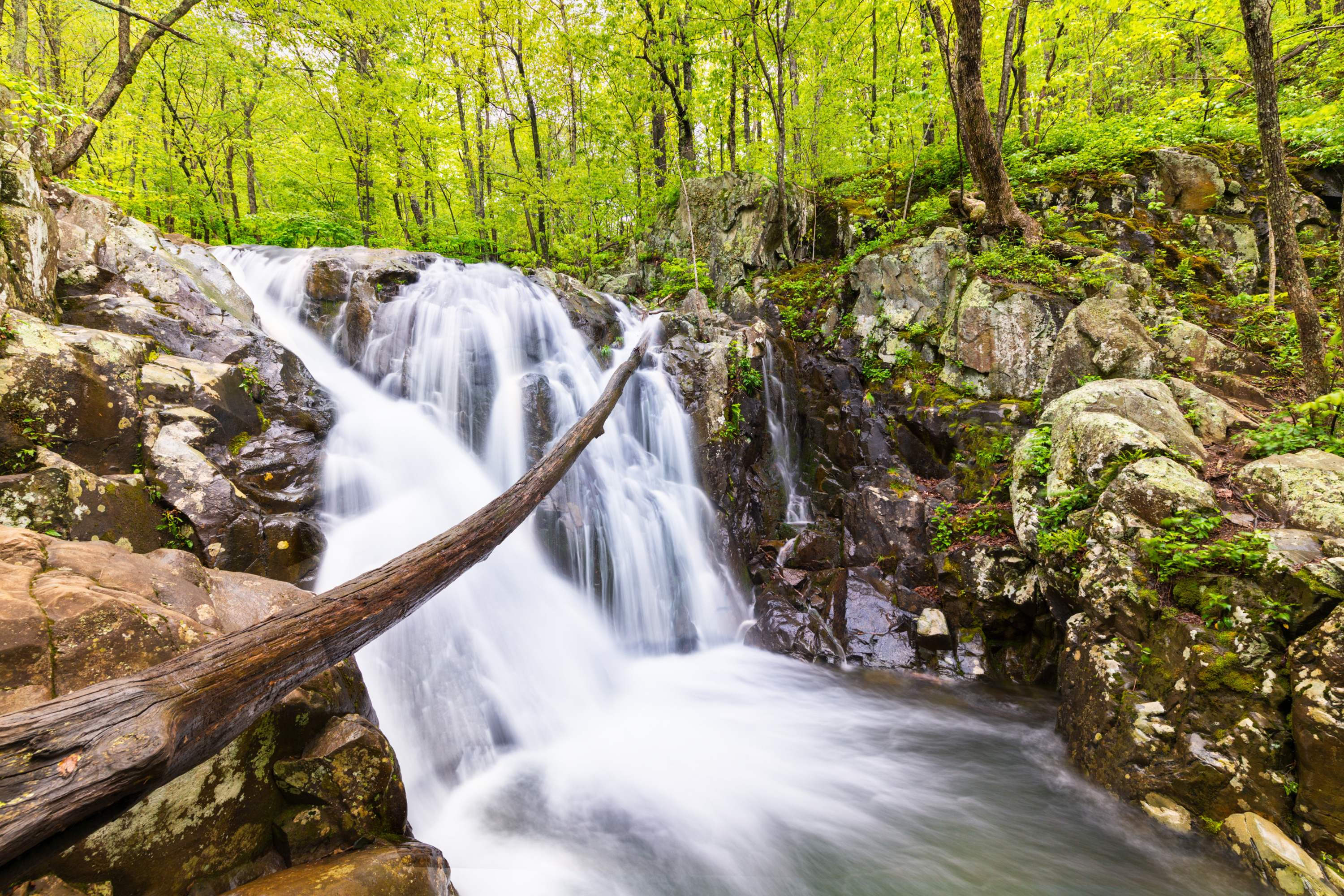
Winter blankets Shenandoah in snow, creating a serene and picturesque landscape. The trails are less crowded, and the waterfalls and icy springs add to the park's charm. Each season brings its own unique beauty and opportunities for adventure, making every visit to Shenandoah a different experience.
Visitor Info
Planning Your Visit
Planning a visit to Shenandoah National Park requires some preparation. The park features several entrance stations and visitor centers where you can gather information about ranger-led programs, backcountry camping, and safety regulations. Speaking with a ranger can provide insights that enhance your experience. For those who prefer online resources, the official park website, www.nps.gov/shen, offers a wealth of information, including trail maps and current conditions.
Skyline Drive is a key attraction, stretching 105 miles along the park’s crest. This narrow mountain road offers scenic overlooks, but be cautious. The speed limit is 35 miles per hour, primarily to protect wildlife that often crosses the road. Expect to see deer and other animals near the shoulders, and be mindful of cyclists and other visitors who may stop to take in the views.
Facilities within the park are typically open from spring through fall, but hours can vary. Check the park's website or inquire at entrance stations for the latest information. If you are looking for lodging or dining options, visit www.goshenandoah.com or call 877-247-9261 for details on concession facilities.
With over 500 miles of trails, Shenandoah offers plenty of hiking opportunities. Detailed maps and guidebooks can be found at visitor centers or online at www.snpbooks.org. If you plan to hike the Appalachian Trail, note that the Potomac Appalachian Trail Club operates six cabins, but reservations are required. Download day-hike trail maps from the park's website to help plan your adventures.