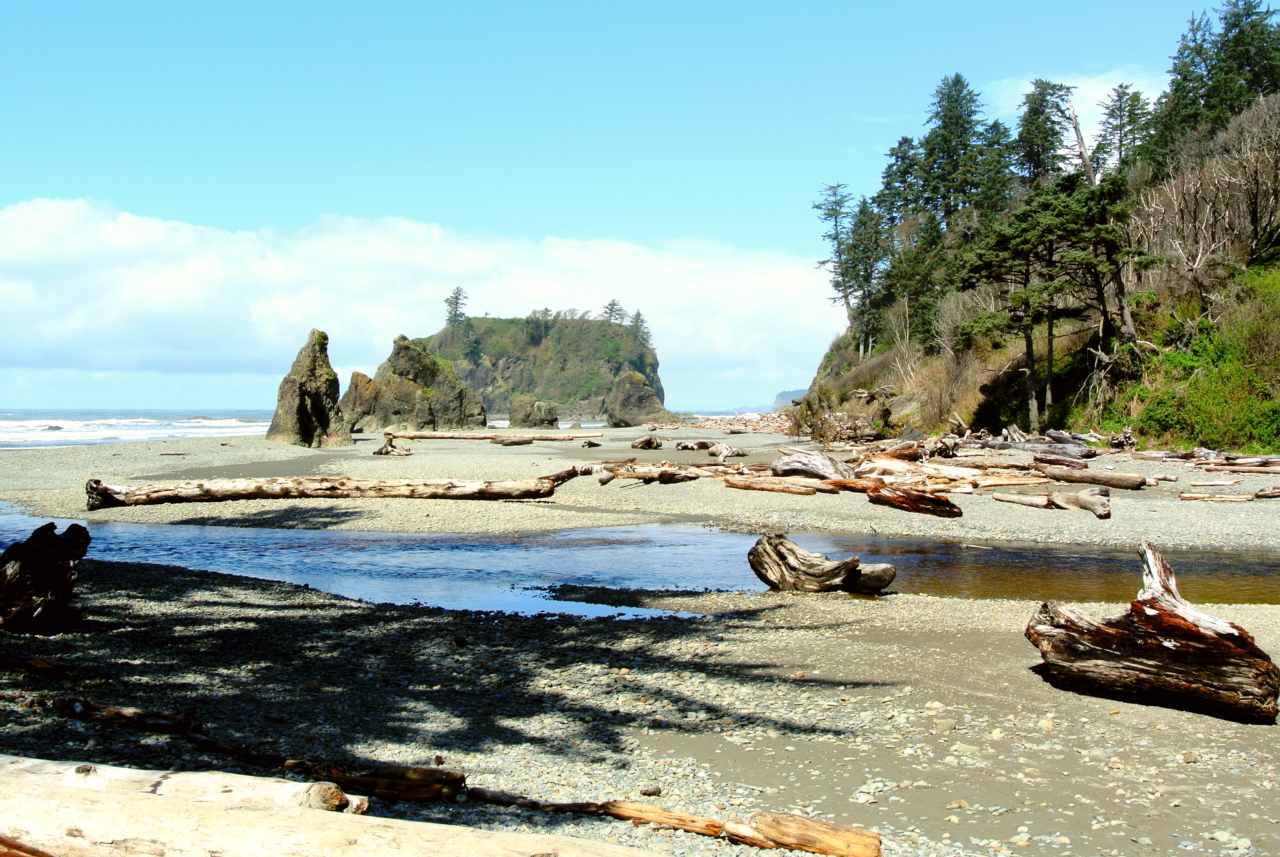
Olympic National Park
A rabid bat was found at Olympic National Park near Staircase Bridge on August 9th. At approximately 2 p.m., the bat swooped down onto an unidentified woman and was temporarily caught in her hair. This individual is at risk for rabies and should seek healthcare immediately, as we Details
Fire managers are responding to a lightning fire in a remote area of Olympic National Park. The Mount Tom Creek Fire has burned 69 acres 5 miles west-northwest of Mount Olympus. Firefighters are using indirect confinement tactics as part of a full-suppression strategy. There are Details
Mora Road is closed to all traffic, including bicycles and pedestrians, at the campground. Rialto Beach is not accessible via Mora Road during this construction period. Mora Campground is open. This construction work will repair damage from a severe winter flood event, fortify th
The Highway 101 closure cuts off the only direct route between some of the most popular areas of the park. There are no detours available. Taking alternate routes around the east side of the Olympic Peninsula will add at least four hours to travel times. Details
The Staircase developed area is open. The surrounding wilderness areas will remain closed as repair and recovery efforts continue. Use extreme caution when entering burned areas. Burned landscapes may contain falling trees and branches, loose boulders, unstable ground, stump hole Details
South Shore Road – which is maintained by Jefferson County – is closed due to a major wash-out. For more information, visit the Jefferson County website. Details
Straight from the US National Park Service, refreshed several times a day.
Olympic National Park in Washington State offers a mix of rugged mountains and serene coastlines. Visitors can explore diverse ecosystems, from lush rainforests to alpine peaks, all within a short drive.
Read more
The park is divided into two main sections: the mountainous interior and the coastal area. Each section has its own unique charm, making it a destination for nature lovers and outdoor enthusiasts alike.
Highlights
Hoh Rain Forest
A magical rainforest experience.
Hurricane Ridge
Stunning views and hiking trails.
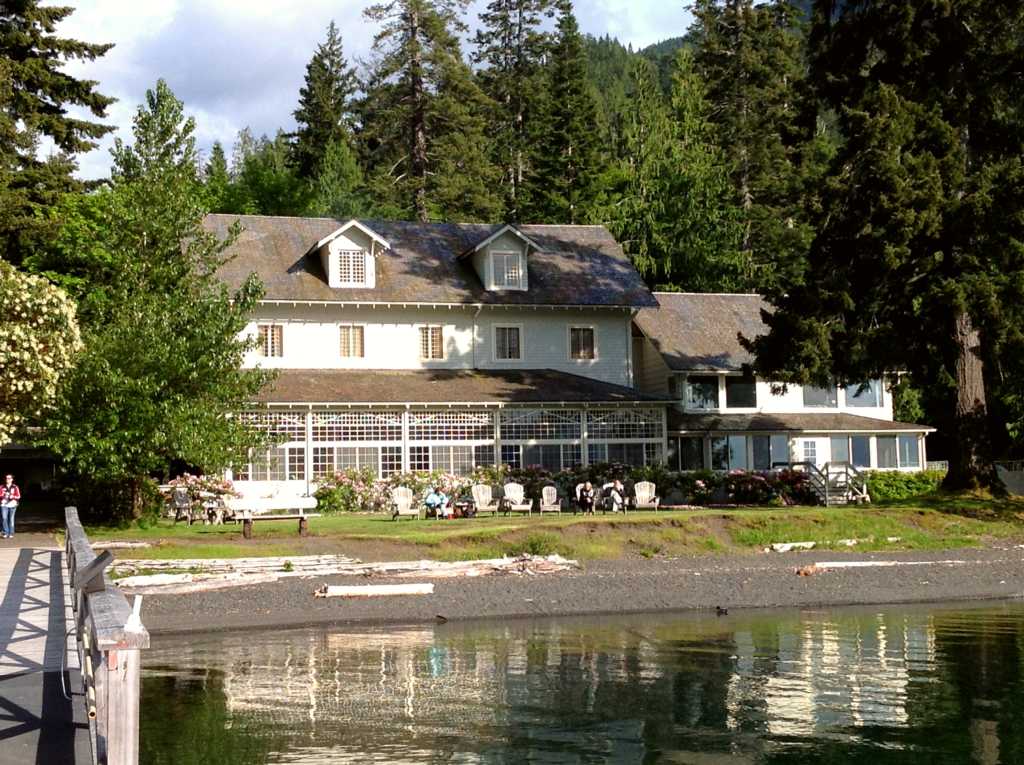
Lake Crescent
Great for swimming and kayaking.
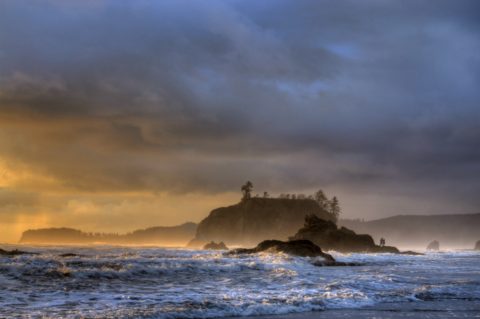
Ruby Beach
Explore tide pools and rock formations.
In pictures
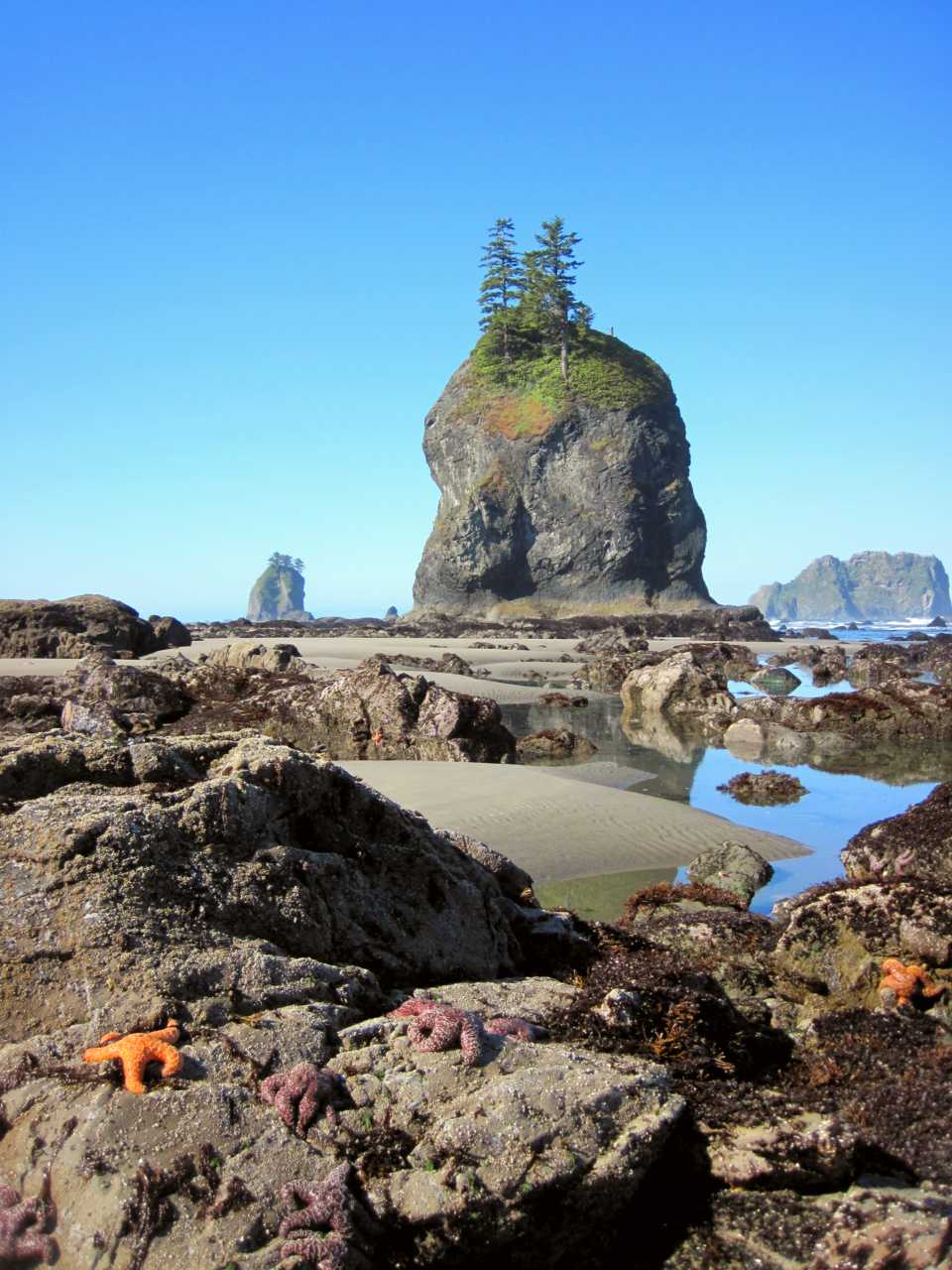
Sightseeing
Things to do
Local food and drinks

Local traditions
Do's and don'ts
Things to do


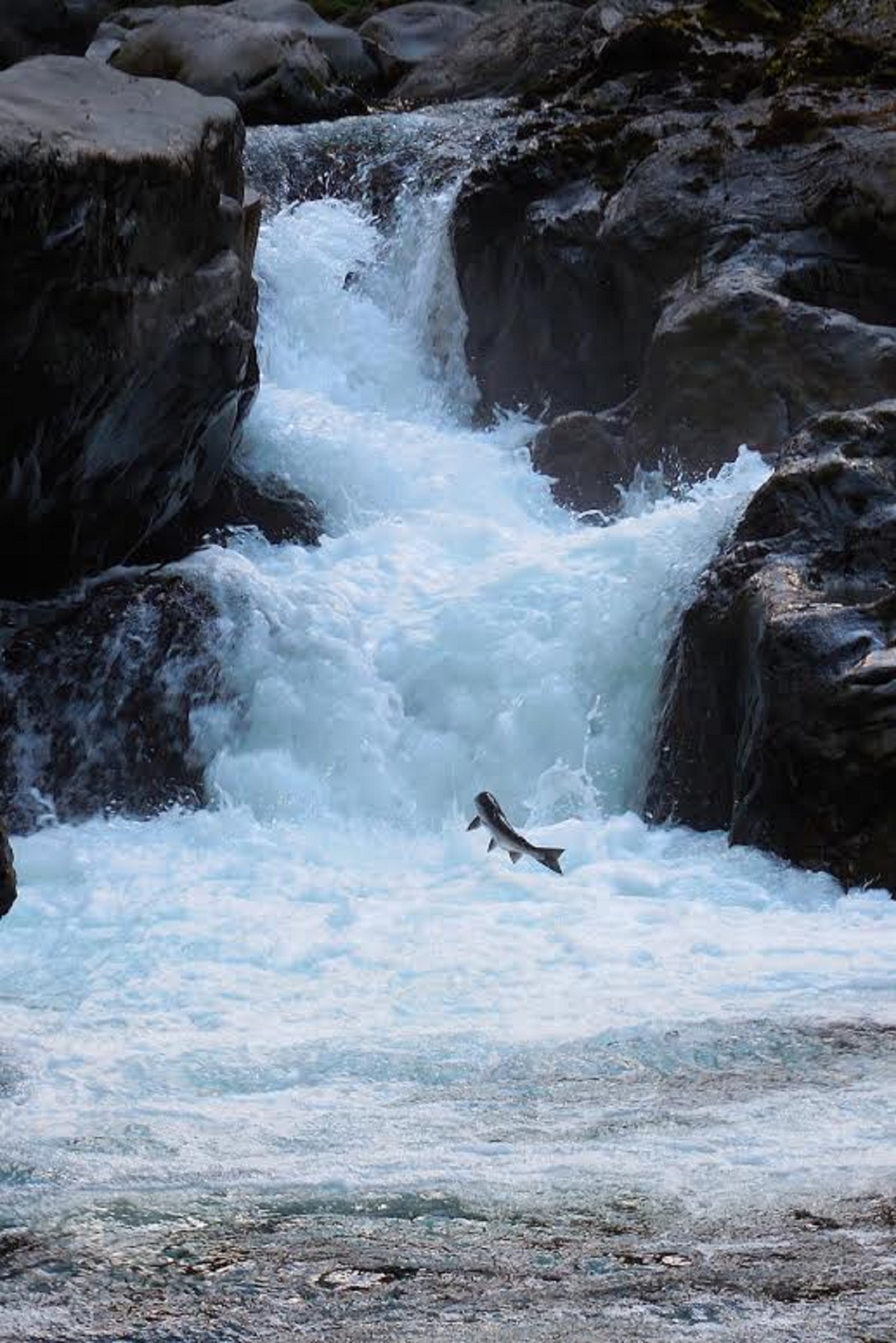
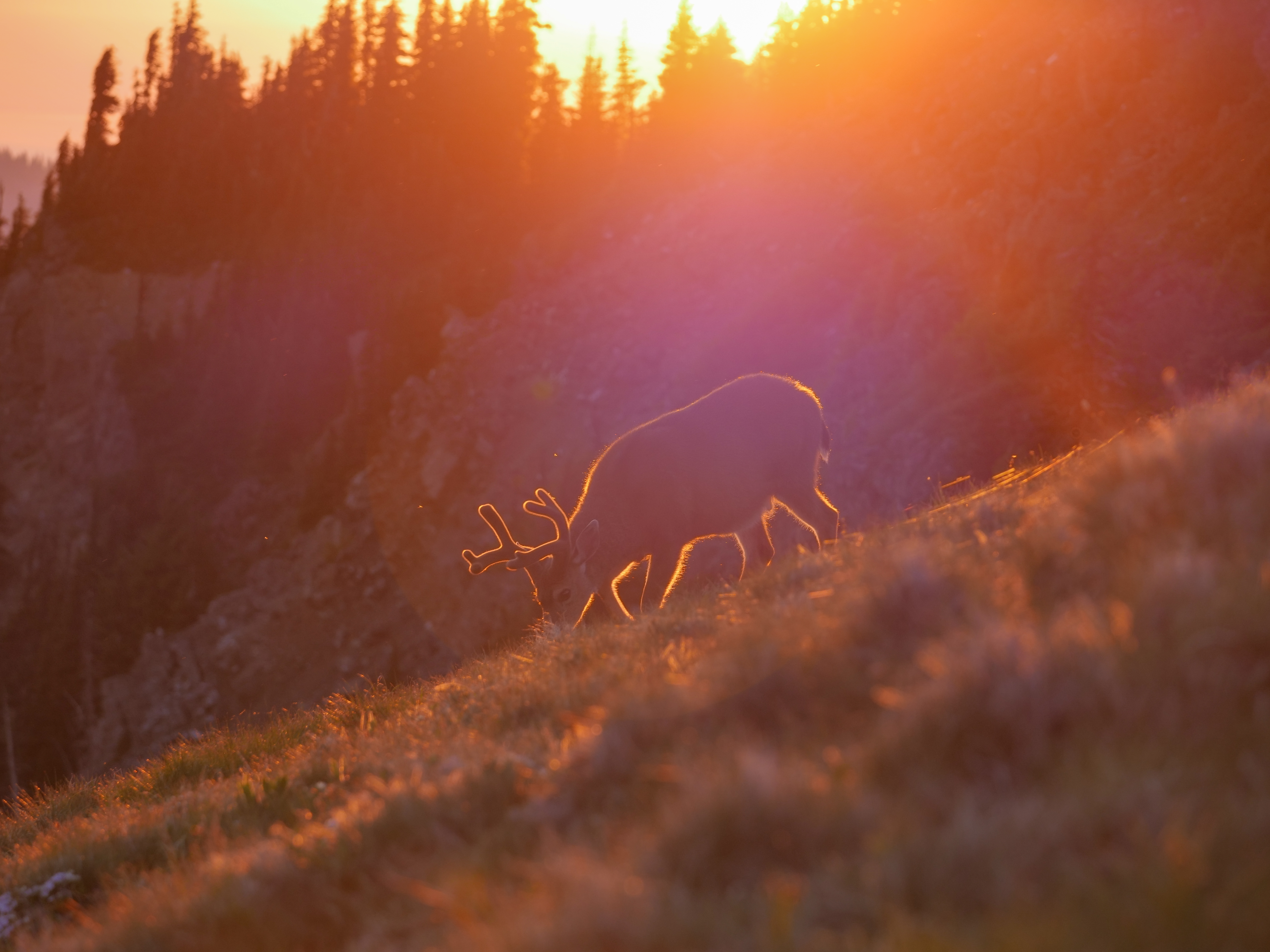
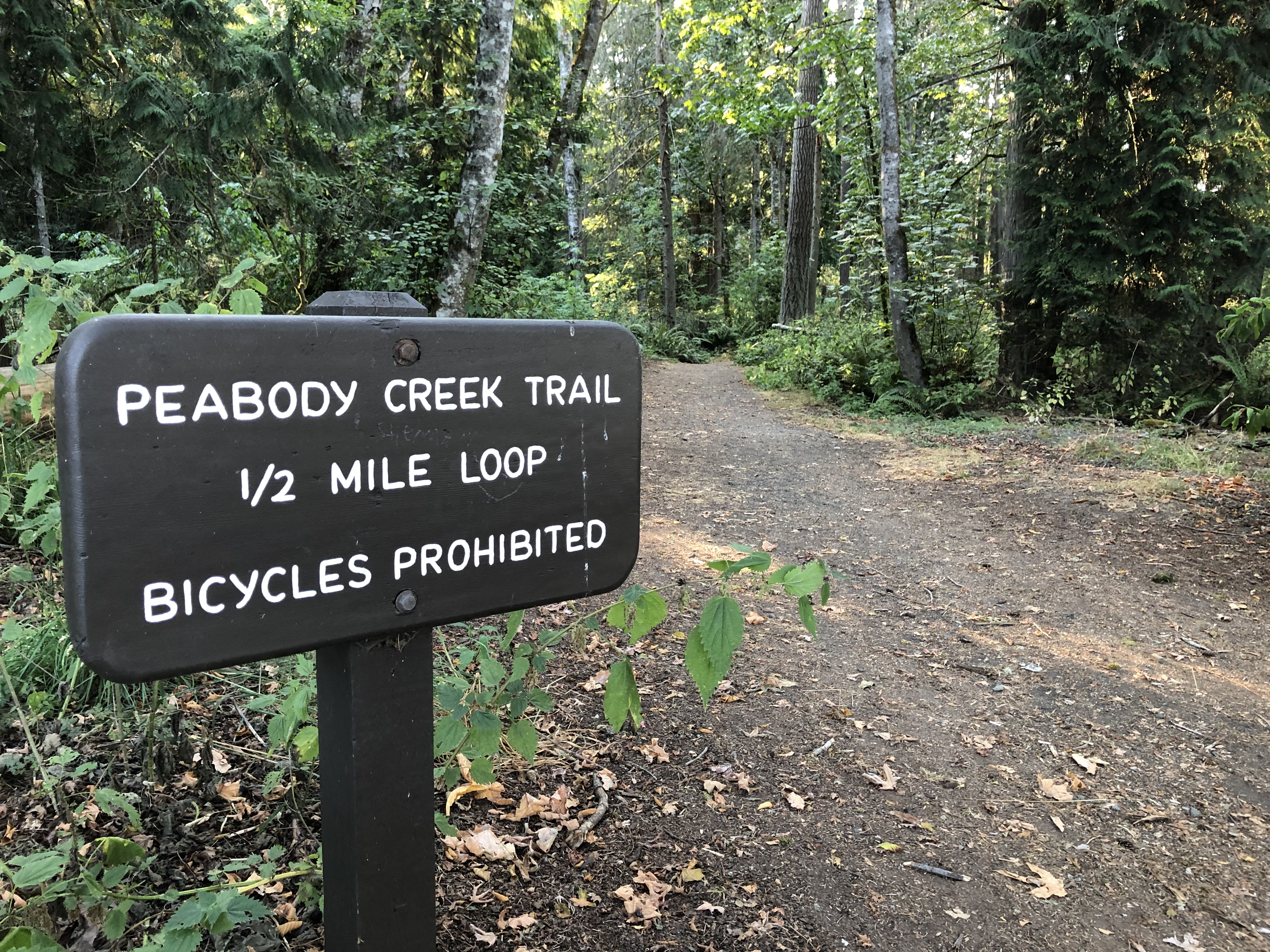

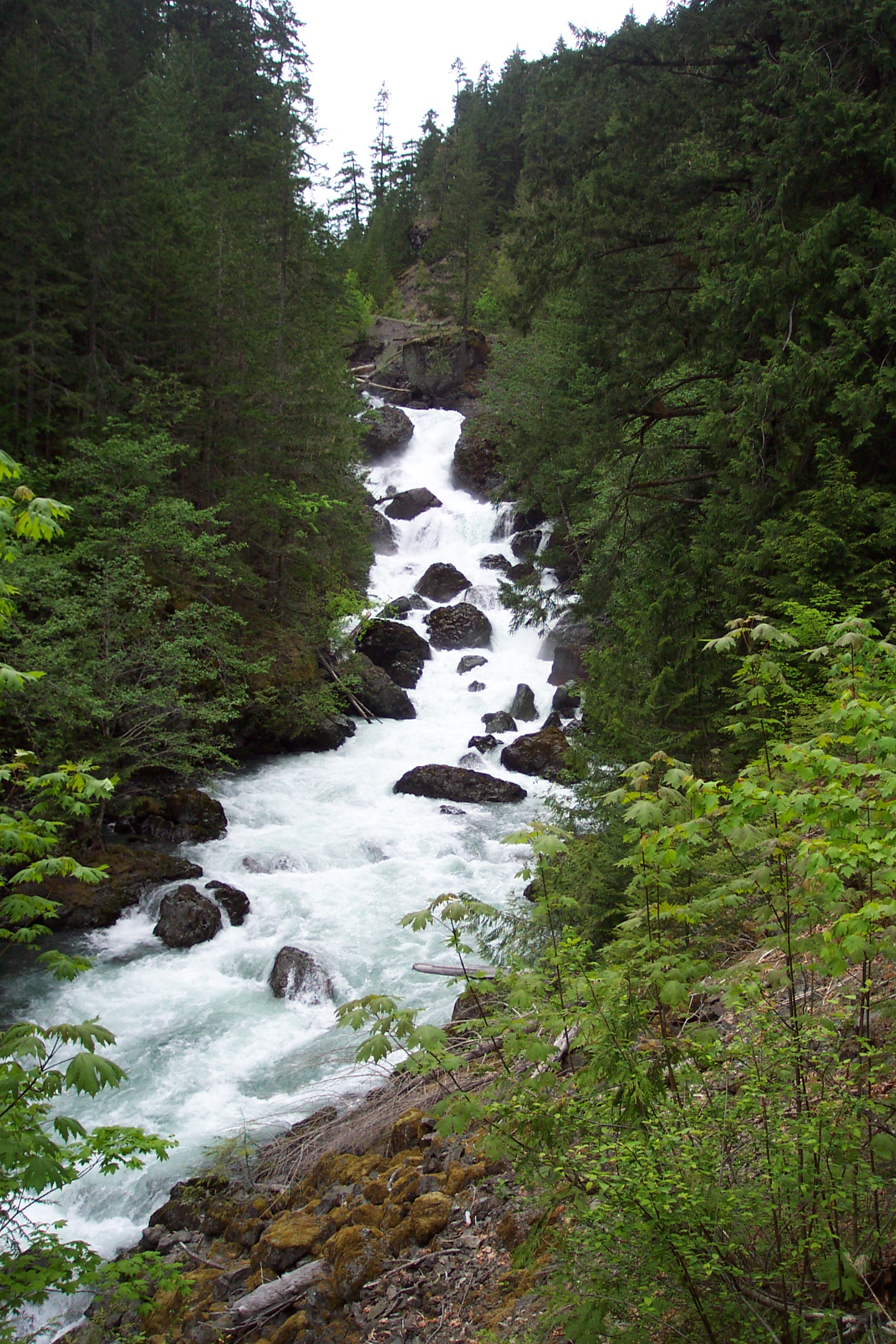


Live now
Practical
At a glance
- Established
- 1938
- Open
- Daily open 24 hours
- Price
- Private Vehicle $30, Per Person $15, Motorcycle $25
- Accessibility
- Some areas are wheelchair accessible, but many trails are not.
- Opening hours
- Daily open 24 hours
- Phone
- 3605653130
- Price
- ~$15
- Price level
- Budget
- Website
- www.nps.gov
Things to know
History
Before European settlers arrived, Native American tribes thrived in the region, relying on fishing and hunting. Archaeological findings suggest extensive use of the land, particularly the subalpine meadows.
The park was established in 1938, preserving its unique ecosystems and cultural heritage. It has since become a UNESCO World Heritage Site, recognized for its biodiversity and natural beauty.
Photo: Wikipedia / Wikimedia Commons