kiomigo
search
search
add New trip
Salta

Salta

Population: 600.000 Since: Founded in 1582 Price: Mid-range
accessible Accessibility: Some areas are hilly, but many attractions are accessible.

Introduction

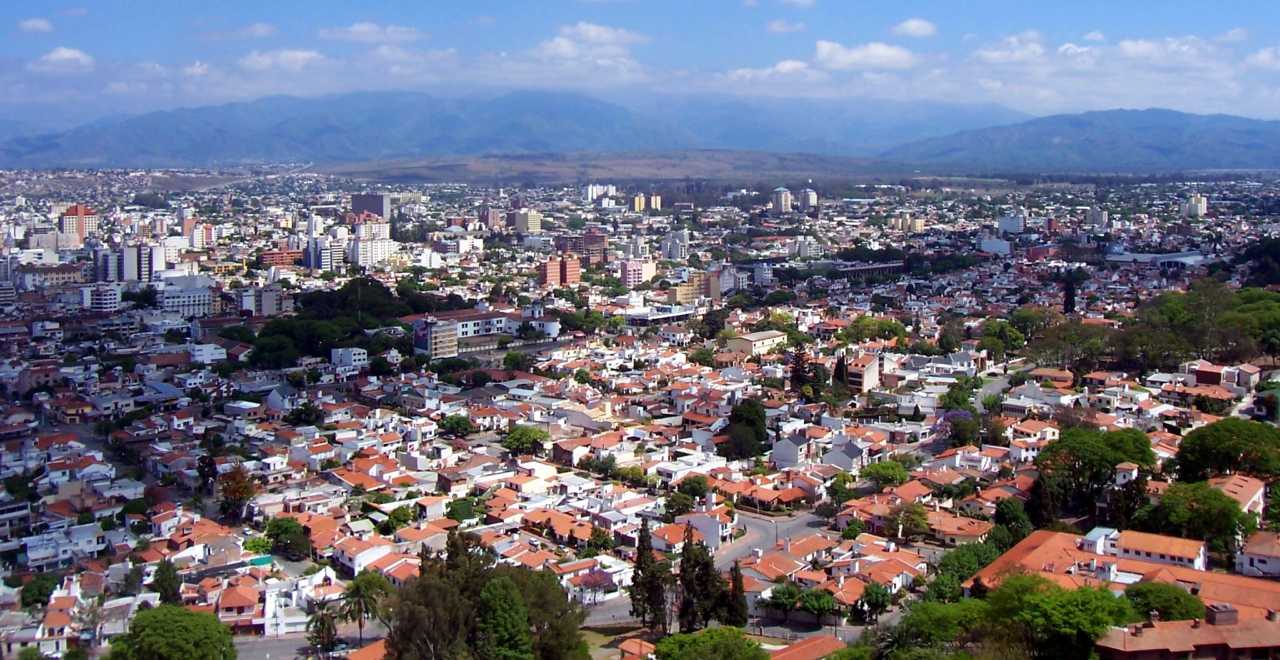
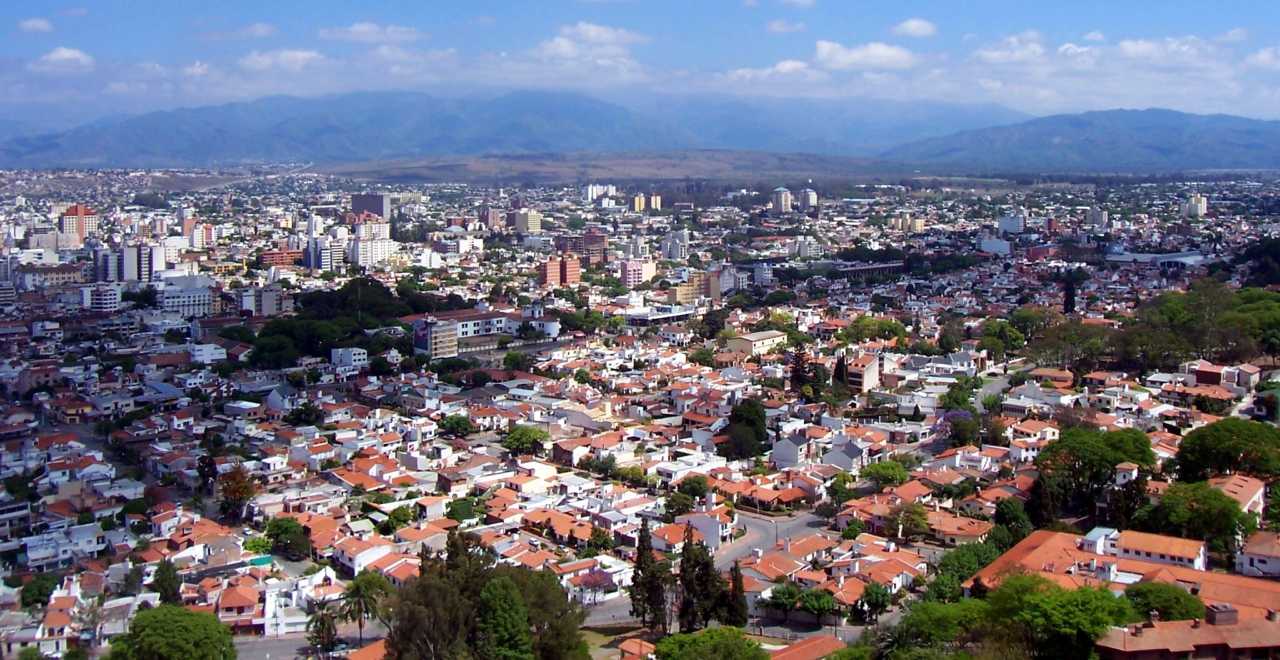
Salta is a vibrant city nestled in the foothills of the Andes, known for its colonial architecture and rich cultural heritage. The warm, welcoming atmosphere invites visitors to explore its colorful streets, lively markets, and stunning landscapes that surround the city.

As you wander through Salta, you'll notice a blend of indigenous and Spanish influences, reflected in the local cuisine and traditions. The city serves as a gateway to breathtaking natural wonders, making it a perfect base for adventure seekers and culture enthusiasts alike.

Sightseeing

Catedral de Salta: a stunning 18th-century cathedral with beautiful interiors
Museo de Arqueología de Alta Montaña: home to Inca mummies and artifacts
Cerro San Bernardo: offers panoramic views of the city and surrounding mountains
Plaza 9 de Julio: the main square, bustling with life and history
San Francisco Church: notable for its striking baroque architecture
Teleférico de Salta: a cable car ride with breathtaking views
Museo Histórico del Norte: showcases the region's history and culture
Mercado Artesanal: a vibrant market for local crafts and souvenirs

"A Cultural Gem in the Andes"Salta

Things to do

Take a scenic drive to Cafayate: famous for its wine and stunning landscapes
Explore the Salinas Grandes: vast salt flats that are a photographer's dream
Visit the local wineries: taste some of Argentina's best wines
Hike in the Quebrada de Humahuaca: a UNESCO World Heritage site with colorful mountains
Attend a folk music show: experience traditional Argentine music and dance

Local food and drinks

Empanadas Salteñas: a local twist on the classic pastry
Locro: a hearty stew, perfect for colder days
Humita en Chala: a corn-based dish wrapped in corn husks
Torrontés wine: a unique white wine from the region
Café del Tiempo: a cozy spot for coffee and pastries

Local traditions

Fiesta Nacional del Vino: a celebration of local wines every February
Semana Santa: vibrant Holy Week processions and events
Carnaval Salteño: a lively festival with music, dance, and parades
Día de la Tradición: honoring Argentine culture with folk music and dance
History - Salta

History

Salta was founded in 1582 by Spanish explorer Hernando de Lerma, strategically located to facilitate trade between the Andes and the Atlantic coast. The city quickly grew, becoming an important cultural and economic center in the region, with its colonial architecture still evident today.

Throughout its history, Salta has been influenced by indigenous cultures and European settlers, leading to a rich tapestry of traditions. The city played a significant role in Argentina's struggle for independence, and its historical significance continues to attract visitors interested in its past.

Things to know

Be cautious of altitude sickness as Salta is at a high elevation
Public transport can be limited, so consider renting a car
Some attractions may have irregular hours, so check ahead
Tourist traps exist, especially in busy areas; seek local recommendations

Do's and don'ts

Try the local cuisine at family-run restaurants
Learn a few basic Spanish phrases to enhance your experience
Respect local customs and traditions during festivals
Take your time exploring the markets and shops
Don't assume everyone speaks English; be prepared to communicate
Don't rush through the city; savor the local pace
Don't ignore altitude sickness symptoms; stay hydrated
Don't miss out on trying the local wines

Good to know

Accessibility: Some areas are hilly, but many attractions are accessible.
Price level: mid-range

Photo: Wikipedia / Wikimedia Commons