search
search
add New trip
Argentina

Argentina

AR calendar_monthMar–Apr, Oct–Novbest time schedule14 daysplan for child_careYeswith kids flagBuenos Airescapital $Argentine Pesocurrency translateSpanishlanguage
ArgentinaYour own route Plan a trip here →

Argentina is a vast and diverse country, offering everything from stunning landscapes to vibrant cities. Travelers can explore the majestic Andes, the sprawling Pampas, and the picturesque Patagonia, each region boasting its own unique charm and culture.

In pictures

Buenos Aires, La Reina del Plata
Church of San Francisco in Salta, with the highest church bell of South America
The Perito Moreno Glacier in summer, located in the World Heritage Los Glaciares National Park
The city of Ushuaia in summer, in the Province of Tierra del Fuego, Antarctica and South Atlantic Islands
Moon Valley
Moon Valley
Sea lions on the shores of Patagonia
The Quebrada de Humahuaca view from Purmamarca in the province of Jujuy
Two of the beaches of Mar del Plata during summer tourism season

Sightseeing

Iguazu Falls: one of the largest and most breathtaking waterfalls in the world
Buenos Aires: a city rich in culture and history
Mendoza: famous for its wine production and stunning vineyards
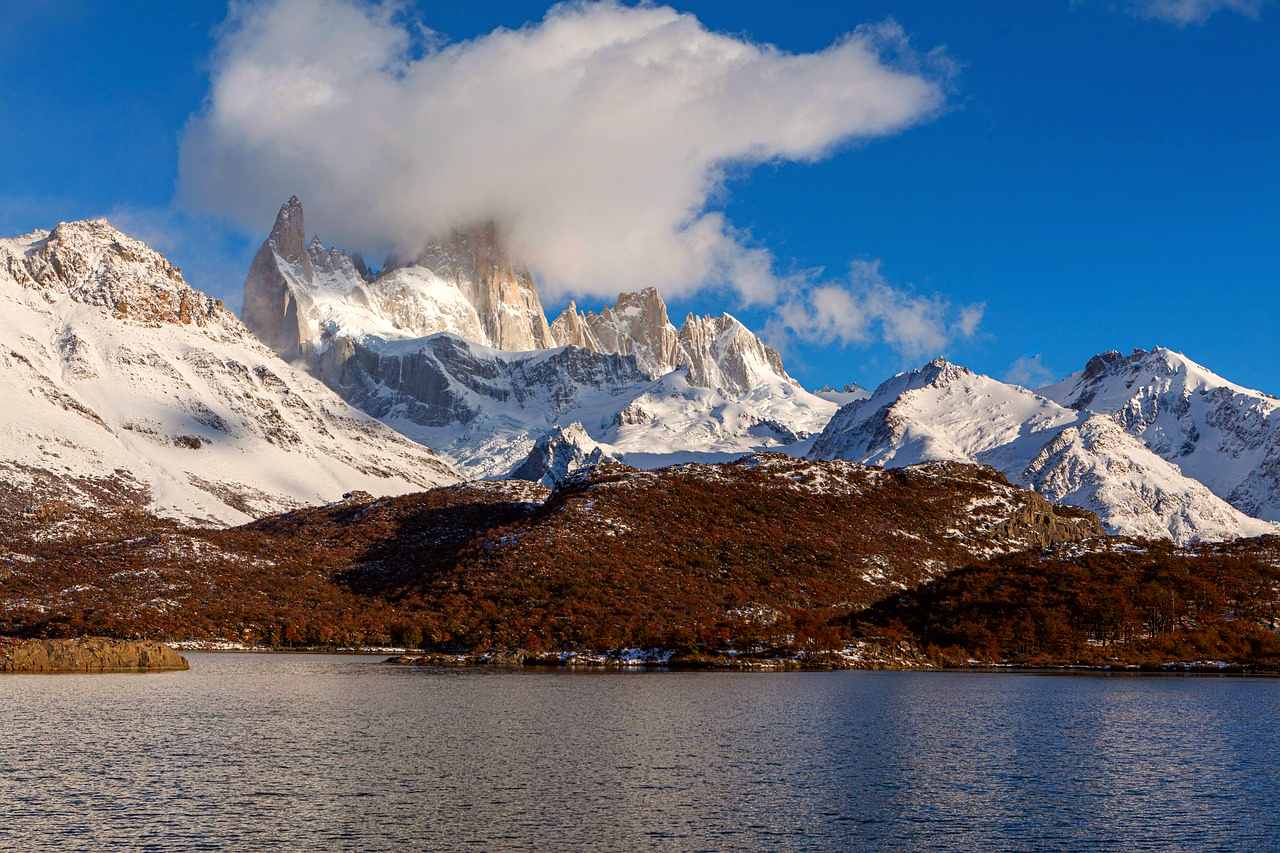
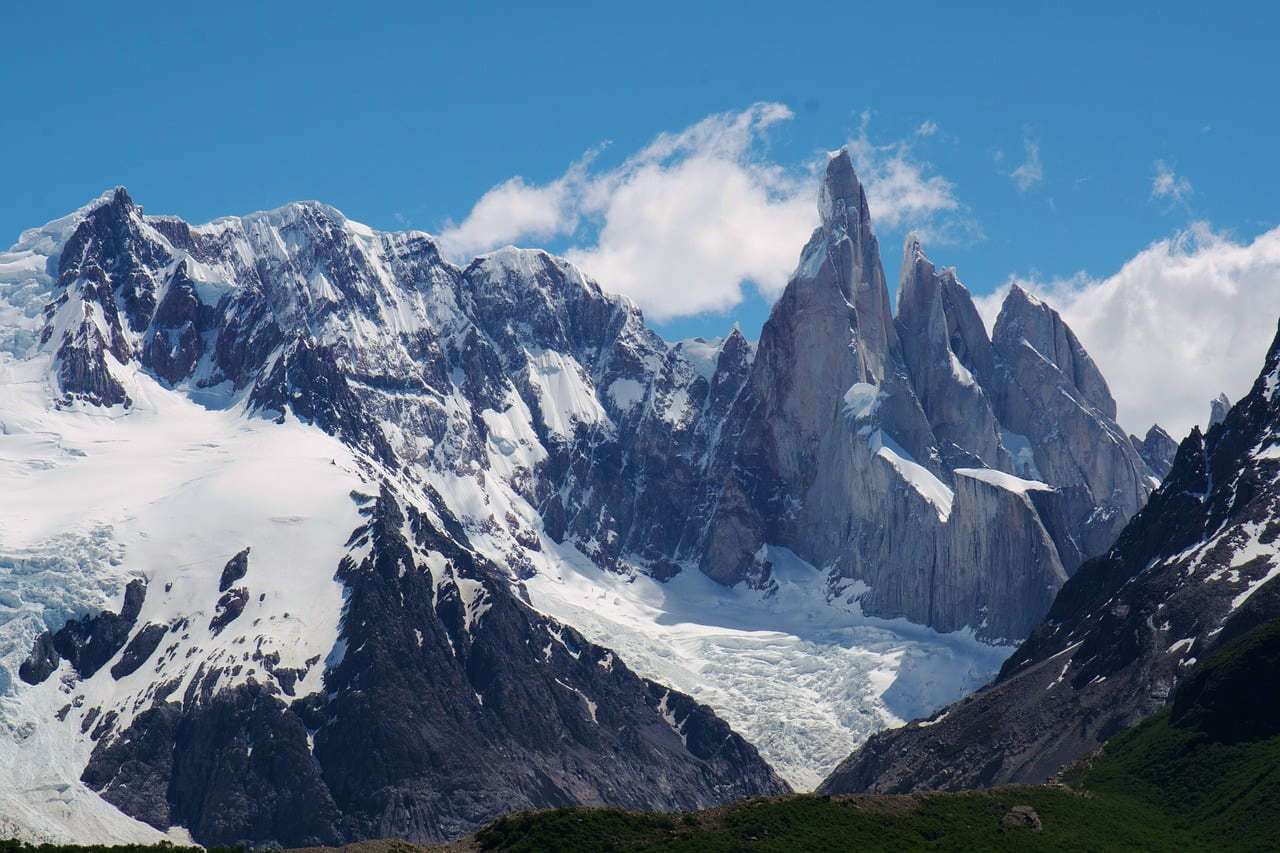
Patagonia: a region of dramatic landscapes and outdoor adventures
Bariloche: known for its Swiss-style architecture and beautiful lakes
Salta: a city surrounded by stunning mountains and indigenous culture
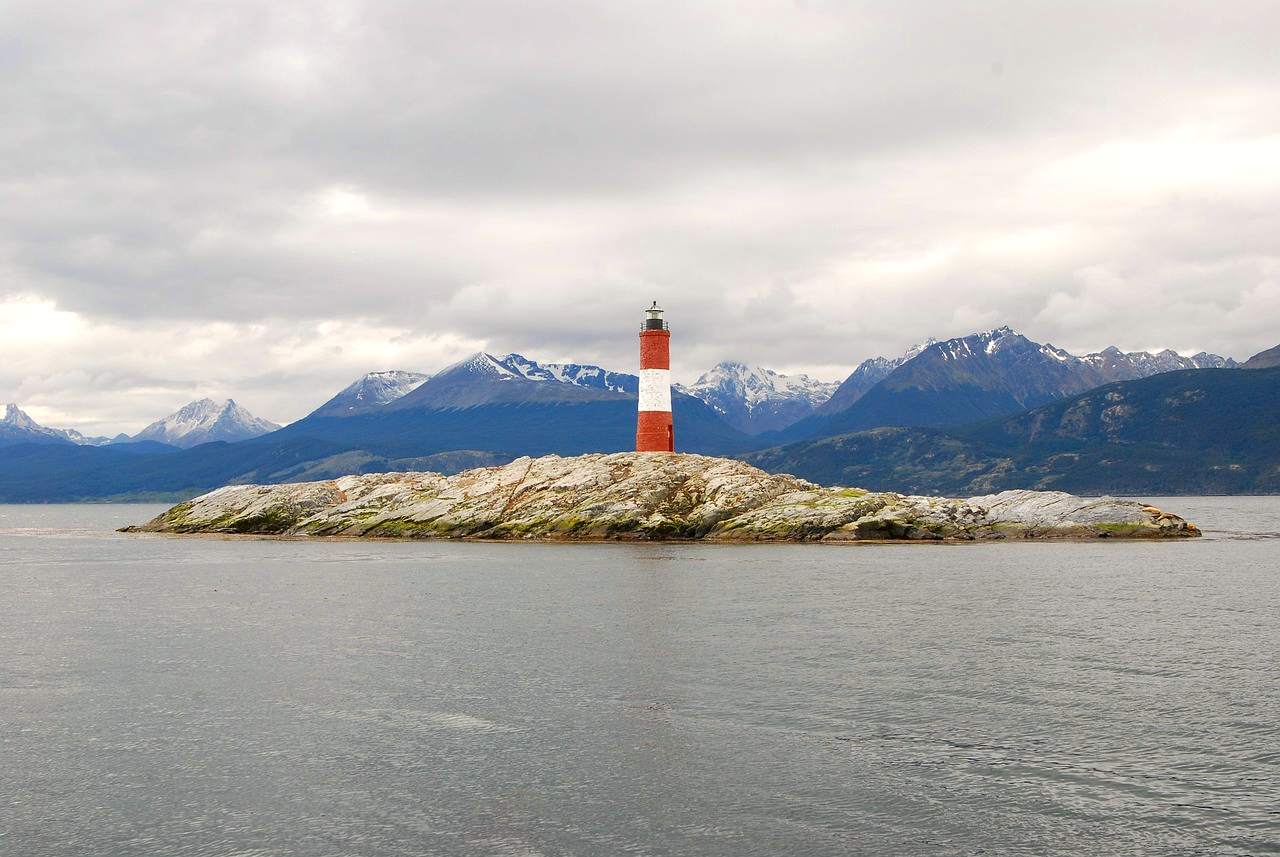
Ushuaia: the southernmost city in the world, gateway to Antarctica
Perito Moreno Glacier: a massive glacier in Los Glaciares National Park

"Experience the passion of Argentina"Argentina

Things to do

Tango dancing: experience the passionate dance in Buenos Aires
Wine tasting: visit vineyards in Mendoza for exquisite Malbec
Hiking: explore the trails in Patagonia and the Andes
Wildlife watching: see penguins and seals in Ushuaia
Skiing: enjoy winter sports in Bariloche
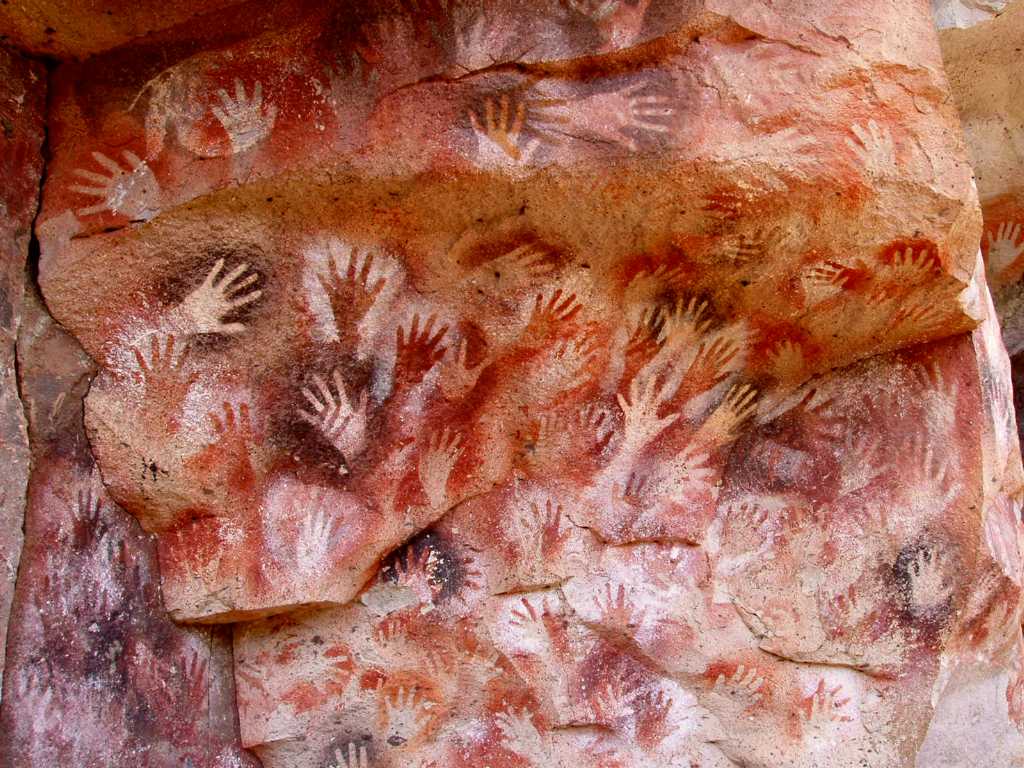
Cultural tours: learn about indigenous cultures in Salta
Local food and drinks - Argentina

Local food and drinks

Asado: traditional Argentine barbecue, best enjoyed with friends
Empanadas: savory pastries filled with meat or cheese, found everywhere
Dulce de leche: a sweet caramel-like spread, try it on desserts
Mate: a traditional herbal tea, often shared among friends
Chimichurri: a tangy sauce for grilled meats, a must-try
Malbec: Argentina's signature red wine, especially from Mendoza
Local traditions - Argentina

Local traditions

Fiesta Nacional de la Vendimia: a wine harvest festival in Mendoza
Carnaval: vibrant celebrations with parades and music in various regions
Día de la Tradición: honoring gaucho culture with music and dance
Tango festivals: showcasing the dance's history and evolution
Semana Santa: Easter celebrations with processions and religious events

Do's and don'ts

Try local foods and drinks to fully experience the culture
Learn a few basic Spanish phrases to communicate
Respect local customs and traditions, especially during festivals
Engage with locals to gain insights into their way of life
Dress appropriately for different regions and activities
Don't assume everyone speaks English; be patient
Don't take photos of people without asking for permission
Don't engage in political discussions, as they can be sensitive
Don't ignore safety advice, especially in urban areas
Don't rush; take your time to enjoy the diverse landscapes

Nature's Ice Sculpture in Patagonia

The Perito Moreno Glacier is a breathtaking sight that draws travelers from around the globe. Located in Los Glaciares National Park, this massive ice formation is one of the few glaciers in the world that is still advancing. Visitors can take guided tours to witness the stunning blue hues of the ice and hear the thunderous sounds of calving ice. However, be prepared for unpredictable weather and dress in layers, as conditions can change rapidly. The park can also get crowded during peak season, so consider visiting early in the morning for a more serene experience.

Salta's Nighttime Charm

Salta's Nighttime Charm

Salta is a city that beautifully blends colonial history with vibrant culture. The Convento de San Francisco, illuminated at night, showcases the stunning architecture that defines this region. Strolling through the streets, you will find lively plazas filled with local musicians and artisans. While the city is generally safe, be cautious in less populated areas after dark. Don't miss the chance to taste traditional empanadas and explore the nearby Quebrada de Humahuaca, a UNESCO World Heritage site, but be aware that some attractions may require a bit of travel.

The Colorful Hills of Purmamarca

The Colorful Hills of Purmamarca

Purmamarca is a small village famous for its stunning Cerro de los Siete Colores, or Hill of Seven Colors. This natural wonder is a feast for the eyes, with vibrant hues that change throughout the day. The village itself is charming, with adobe houses and local markets selling handicrafts. However, the altitude can be challenging for some travelers, so take it easy and stay hydrated. The best time to visit is early morning or late afternoon when the light enhances the colors. Be prepared for limited amenities, as this is a small town focused on preserving its natural beauty.
info_outlinePracticalexpand_more
Population: 45.000.000
Best time: March to May, September to November

About Argentina

Buenos Aires, the capital, is known for its European-style architecture and lively tango scene. However, be prepared for long distances between attractions and varying levels of infrastructure, especially in remote areas.

Basic information

Capital: Buenos Aires
Language: Spanish
Currency: Argentine Peso
Best time to visit: March to May, September to November

Travel information

Fly into major airports in Buenos Aires or Mendoza for international access Use buses for long-distance travel, as they are affordable and comfortable Renting a car is advisable for exploring remote areas Credit cards are widely accepted, but cash is useful in smaller towns Mobile connectivity is good in cities, but may be limited in rural areas

Things to know

Expect language barriers; not everyone speaks English
Be cautious of pickpockets in crowded areas
Public transportation can be unreliable, especially in smaller cities
Tipping is customary, usually around 10% in restaurants
Check for local holidays, as many businesses may close
history_eduHistoryexpand_more
History - Argentina

Argentina's history is marked by indigenous cultures, European colonization, and waves of immigration. The Spanish arrived in the 16th century, establishing settlements and exploiting resources, leading to a rich cultural blend.

The country gained independence in 1816, but political instability and economic challenges followed. The 20th century saw the rise of populism, notably under Juan Perón, and a military dictatorship that left a lasting impact on society.

Photo: Wikipedia / Wikimedia Commons