Ceará
 May–Sepbest time
7 daysplan for
Yeswith kids
May–Sepbest time
7 daysplan for
Yeswith kids
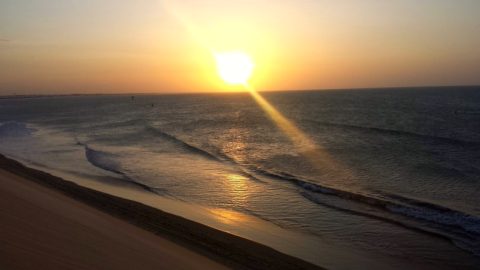
Ceará, located in northeastern Brazil, is known for its stunning beaches, vibrant culture, and rich history. Travelers can explore the picturesque coastline, with its white sand dunes and crystal-clear waters, while also experiencing the lively local music and dance scenes.
Read more
The state offers a unique blend of natural beauty and cultural experiences. From the bustling markets of Fortaleza to the serene landscapes of Jericoacoara, Ceará is a destination that caters to both adventure seekers and those looking to relax in a tropical paradise.
Cities
Sightseeing
Local food and drinks
Local traditions
Practical
At a glance
- Best time
- August to December
History
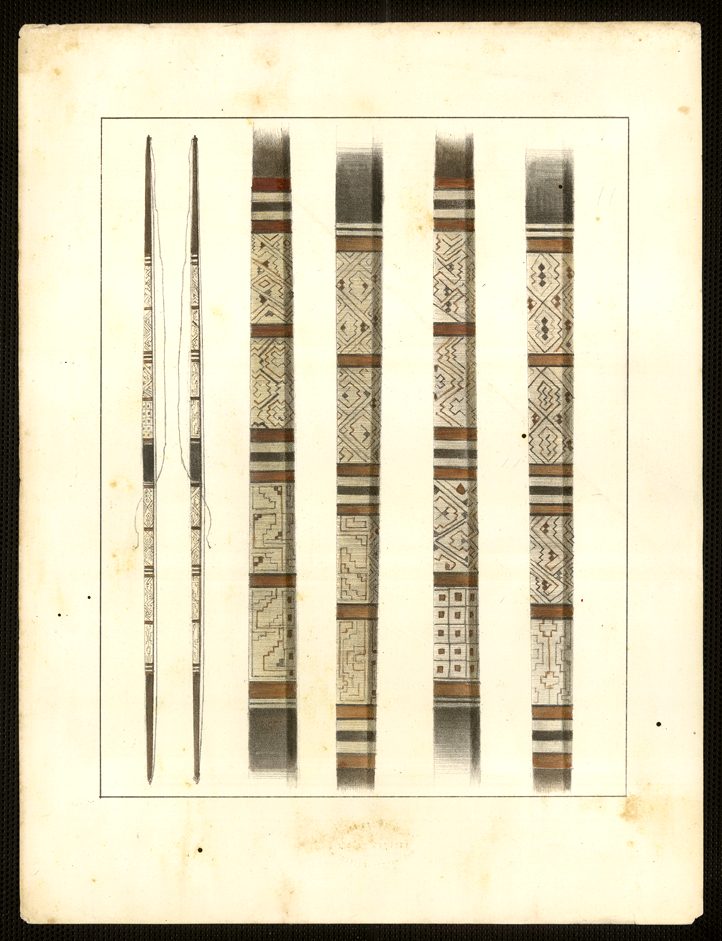 Comissão Científica de Exploração do Ceará. Secção Etnográf… · Public domain
Ceará has a rich history that dates back to indigenous tribes long before European colonization. The state was officially founded in the 17th century and played a significant role in Brazil's sugarcane production, which shaped its economy and culture.
Over the years, Ceará has faced challenges such as droughts and economic shifts, but it has also become a cultural hub, known for its contributions to Brazilian music, literature, and art. The resilience of its people is evident in the vibrant traditions that continue to thrive today.
Photo credits (1)
- Comissão Científica de Exploração do Ceará. Secção Etnográfica. · Public domain · Wikimedia Commons