kiomigo
search
search
add Nouveau voyage
Porto de Galinhas

Porto de Galinhas

Population: 20.000 Depuis: Founded in the 16th century Prix: Mid-range
accessible Accessibilité: Some areas are wheelchair accessible, but not all.

Introduction

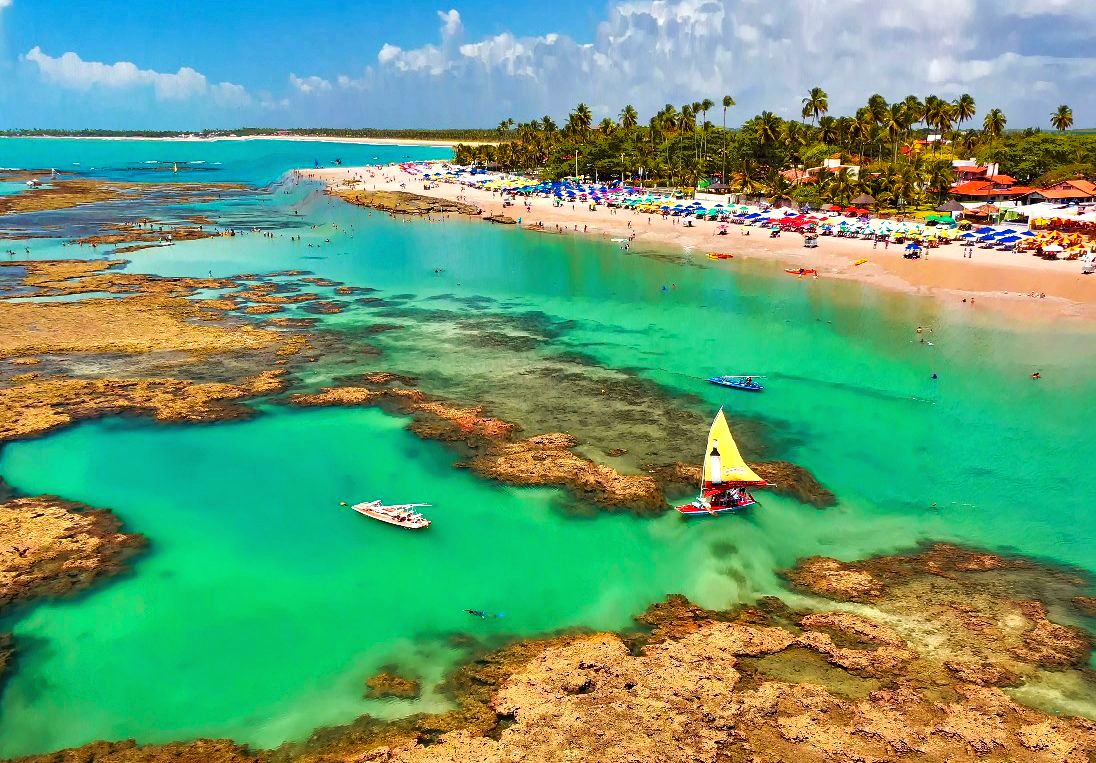
Porto de Galinhas is a vibrant beach town in Brazil's Pernambuco state, known for its stunning natural pools and lively atmosphere. Visitors are greeted by warm sands, crystal-clear waters, and a laid-back vibe that invites relaxation and exploration.

The town is a blend of rustic charm and modern amenities, with colorful markets and local artisans adding to its appeal. While it attracts many tourists, it retains a sense of authenticity, making it a delightful destination for those seeking both adventure and tranquility.

Sightseeing

Natural Pools: stunning tidal pools perfect for swimming
Merepe Beach: popular beach with lively atmosphere
Pontal de Maracaípe: a serene spot for nature lovers
Projeto Hippocampus: a seahorse conservation project worth visiting
Igreja de Nossa Senhora do Rosário: historic church with beautiful architecture

"A Tropical Paradise Awaits You"Porto de Galinhas

Things to do

Snorkel in the natural pools: explore vibrant marine life
Take a buggy ride: enjoy the scenic coastline
Visit the local markets: shop for handmade crafts
Relax on the beach: soak up the sun and unwind

Cuisine et boissons locales

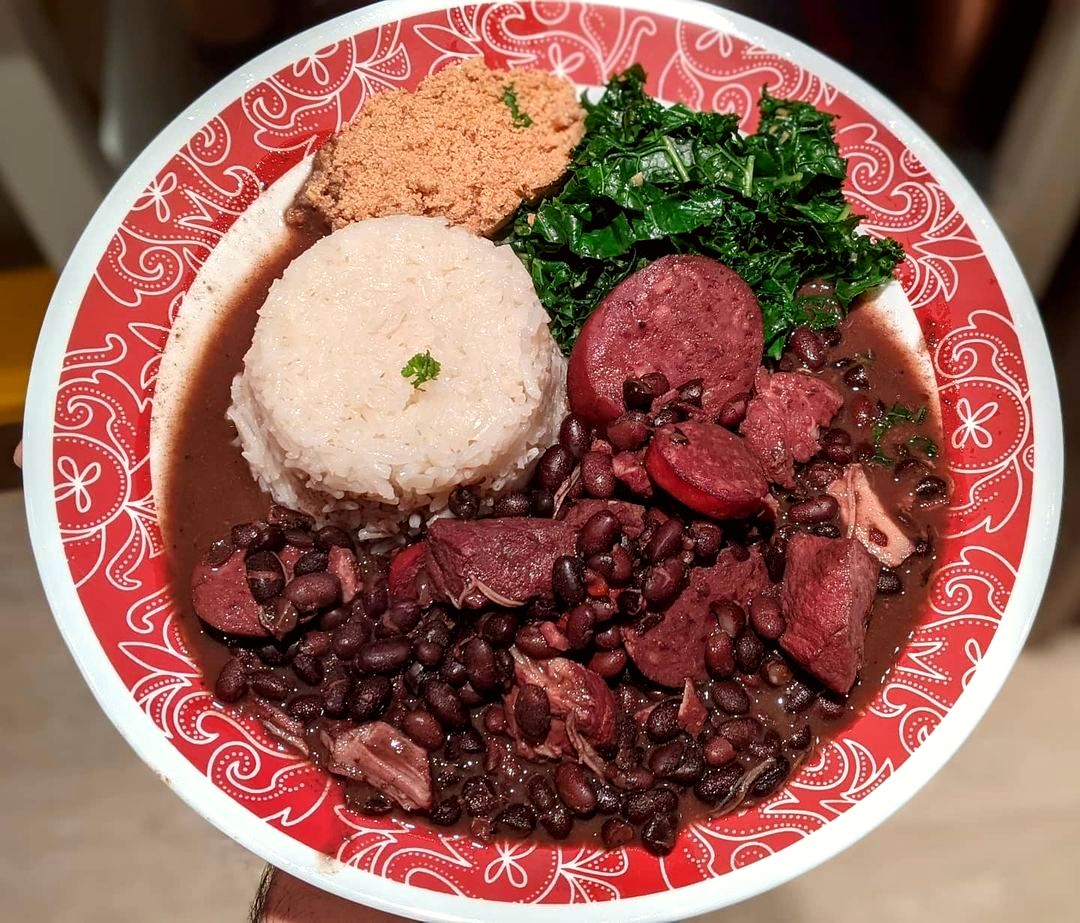
Baião de Dois: a traditional rice and bean dish
Moqueca: a delicious fish stew with coconut milk
Caipirinha: Brazil's famous cocktail, refreshing and zesty
Acarajé: a deep-fried ball of black-eyed pea dough
Local seafood restaurants: enjoy fresh catches along the coast

Traditions locales

Festa de São João: a lively June festival with music and dance
Cultural fairs: showcasing local crafts and traditions
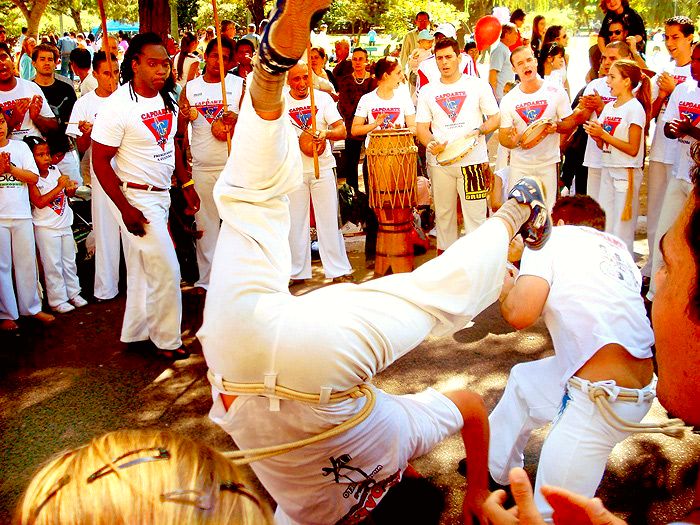
Capoeira performances: a unique blend of martial arts and dance
Beach clean-up events: community efforts to preserve the coastline
Histoire - Porto de Galinhas

Histoire

Porto de Galinhas has a rich history that dates back to the 16th century, originally serving as a port for the export of sugar. The name, which translates to 'Port of Chickens', is said to have originated from the smuggling of slaves disguised as chickens.

Over the years, it has transformed from a simple fishing village to a popular tourist destination, while still maintaining its cultural roots. The town's development has been closely tied to the preservation of its natural beauty and local traditions.

À savoir

Be cautious of beach vendors: some can be persistent
Public transport can be limited: consider renting a car
Avoid peak season crowds: visit during off-peak times for a quieter experience
Watch for strong currents: some beaches may have dangerous waves

À faire et à éviter

Explore the natural pools at low tide
Try local seafood dishes at beachside restaurants
Engage with local artisans at markets
Respect the environment and clean up after yourself
Don't ignore safety warnings at the beach
Don't haggle too aggressively at local markets
Don't forget sunscreen: the sun can be intense
Don't rush your visit: take time to enjoy the scenery

Bon à savoir

Accessibilité: Some areas are wheelchair accessible, but not all.
Price level: mid-range

Photo: Wikipedia / Wikimedia Commons