search
search
add New trip
São Paulo
DestinationsBrazilSão Paulo

São Paulo

Population: 12.300.000 Since: Founded in 1554 Price: Mid-range
warning Wildfires (Brazil): Forest fires in Brazil: 5 active, around 76,005 ha affected · Check official travel advisories before you go.

Introduction

São Paulo is a vibrant metropolis that pulses with energy, offering a mix of cultures, cuisines, and experiences. Visitors are often struck by its vastness, with towering skyscrapers and bustling streets filled with people from all walks of life.

However, the city's size can be overwhelming, and navigating its neighborhoods requires some planning. While there are plenty of attractions, be prepared for traffic and the occasional language barrier, as not everyone speaks English.

In pictures

São Paulo
São Paulo
São Paulo
São Paulo
São Paulo
São Paulo

Sightseeing

Avenida Paulista: the city's main avenue, lined with museums and shops
Ibirapuera Park: a sprawling urban park perfect for relaxation
Museu de Arte de São Paulo: renowned for its impressive art collection
Mercadão: famous market known for its delicious mortadella sandwich
Pinacoteca do Estado: a must-visit for art lovers
Beco do Batman: vibrant street art in Vila Madalena
São Paulo Cathedral: a stunning neo-Gothic architectural gem
Liberdade: the Japanese district with unique shops and eateries

"A city that never sleeps"São Paulo

Things to do

Explore street art in Vila Madalena: a neighborhood filled with murals and graffiti.
Visit the Municipal Market: sample local delicacies like mortadella sandwiches and fresh produce.
Attend a football match at Allianz Parque or Morumbi Stadium: experience the passion of Brazilian football.
Take a helicopter tour: see the sprawling city from above, especially during sunset.
Enjoy nightlife in Jardins: bars and clubs like Bar Astor and D-Edge cater to various tastes.
Local food and drinks - São Paulo

Local food and drinks

Feijoada: a hearty black bean stew with pork
Pão de queijo: delicious cheese bread rolls
Coxinha: savory chicken-filled pastries
Caipirinha: Brazil's national cocktail made with cachaça
Pastel: crispy pastries filled with various ingredients
Local traditions - São Paulo

Local traditions

Carnival: a lively festival with parades and samba music
Festa Junina: traditional June festival with food and dances
Virada Cultural: a 24-hour cultural event showcasing arts and performances
New Year's Eve at Copan: a unique celebration with fireworks and music
History - São Paulo

History

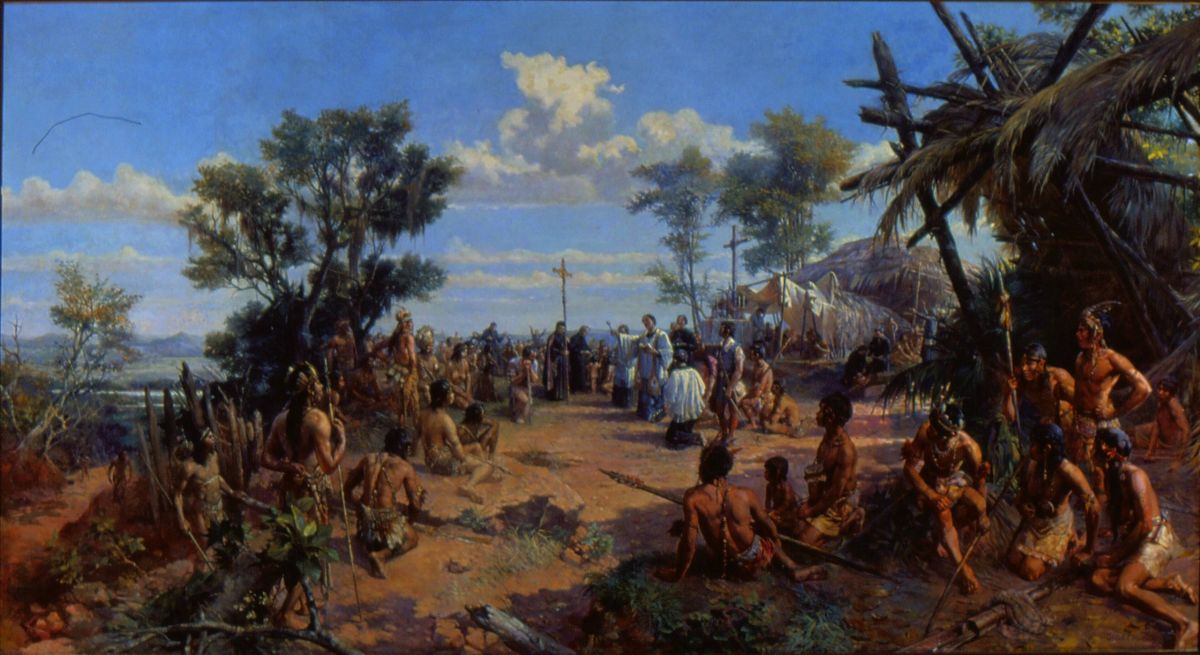
Founded in 1554 by Jesuit priests, São Paulo began as a small mission and has since transformed into one of the largest cities in the world. Its growth was fueled by coffee production in the 19th century, attracting immigrants from various countries.

Throughout the 20th century, São Paulo became a hub for industry and finance, shaping Brazil's economy. Today, it stands as a symbol of diversity and innovation, though it still grapples with challenges such as inequality and urban sprawl.

Gothic architecture in the heart of the city

Gothic architecture in the heart of the city

The Catedral da Sé stands as a testament to São Paulo's architectural diversity. This neo-Gothic cathedral, completed in 1913, features intricate stained glass windows and towering spires that reach for the sky. Visitors can explore the interior, where the quiet atmosphere contrasts with the lively streets outside. Take a moment to sit on the steps and watch the world go by. Just be aware that it can get crowded, especially on weekends, so plan your visit during the week for a more peaceful experience.

A green escape in the city

A green escape in the city

Parque da Independência offers a refreshing break from São Paulo's urban landscape. This expansive park is home to the Museu Paulista, which showcases Brazilian history. Stroll through the gardens, where you can find locals enjoying picnics or jogging along the paths. The park is especially lovely in spring when the flowers bloom. However, be cautious of your belongings, as petty theft can occur in crowded areas. Early mornings are the best time to enjoy the tranquility before the crowds arrive.

Iconic bridge at sunset

Iconic bridge at sunset

The Ponte Estaiada, or Octavio Frias de Oliveira Bridge, is a striking example of modern engineering. Its unique design features a cable-stayed structure that is particularly beautiful at sunset when the sky turns shades of orange and pink. This bridge connects the neighborhoods of Morumbi and Vila Andrade, making it a vital part of the city’s infrastructure. While it is a popular spot for photos, be mindful of traffic when visiting. The surrounding area has limited parking, so consider using public transport to reach this landmark.
Things to know

Traffic can be a nightmare, plan your travel times wisely.
Public transport is extensive but can be crowded, especially during rush hours.
Be cautious in certain neighborhoods, especially at night.
Language barriers may exist, learning a few Portuguese phrases helps.

Do's and don'ts

Try local street food for an authentic experience
Visit museums on free admission days
Use public transport to avoid traffic
Engage with locals to learn more about the culture
Don't flash valuables in public areas
Don't rely solely on taxis, use rideshare apps
Don't miss out on trying the local cuisine
Don't assume everyone speaks English

Good to know

Accessibility: Many areas are accessible, but some have challenges.
Price level: mid-range

Photo: Wikipedia / Wikimedia Commons