search
search
add New trip
Uruguay
UY calendar_monthMar–Apr, Oct–Novbest time schedule10 daysplan for child_careYeswith kids flagMontevideocapital $Uruguayan Pesocurrency translateSpanishlanguage
UruguayYour own route Plan a trip here →

Uruguay is a charming country in South America known for its laid-back atmosphere and stunning coastal scenery. With a mix of vibrant cities and serene beaches, it offers a unique blend of culture and relaxation that appeals to many travelers.

In pictures

Punta del Este, the queen of the Uruguayan riviera
Piria Castle
Piria Castle
La Paloma
La Paloma
Coast of Punta del Diablo
Santa Teresa fortress
Sand dunes near Cabo Polonio
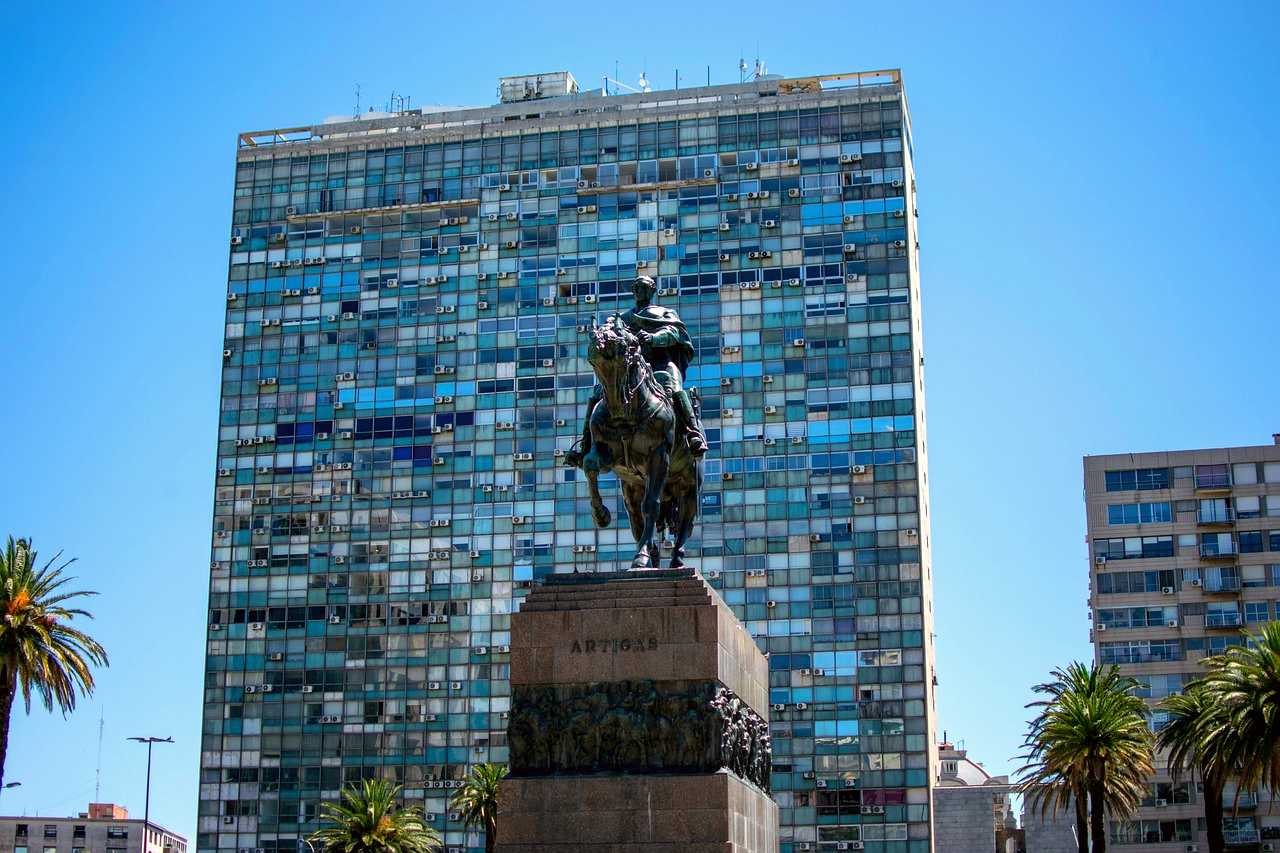
Plaza Fabini in Montevideo
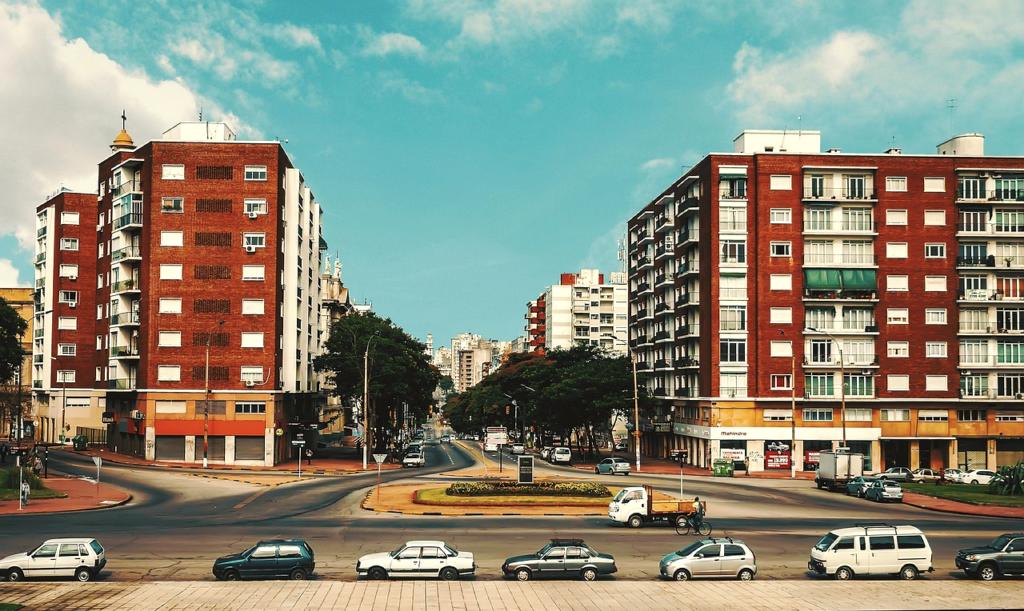
Barrio Pocitos, Montevideo

Sightseeing

Montevideo: the capital with a rich cultural scene
Punta del Este: famous beach resort town
Colonia del Sacramento: historic UNESCO World Heritage site
Cabo Polonio: remote village with stunning landscapes
Salto: known for its hot springs
Tacuarembó: heart of gaucho culture
Piriápolis: charming coastal town with a relaxed vibe
La Paloma: beautiful beach destination

"Discover the charm of Uruguay"Uruguay

Things to do

Explore the Ciudad Vieja in Montevideo: historic district with art and architecture
Relax on the beaches of Punta del Este: sunbathing and water sports
Visit the vineyards in Canelones: wine tasting experiences
Experience a traditional asado: barbecue gatherings with locals
Take a boat trip to Isla Gorriti: enjoy nature and history
Attend a tango show: immerse in local dance culture
Local food and drinks - Uruguay

Local food and drinks

Asado: traditional barbecue, best enjoyed at local gatherings
Chivito: a hearty sandwich, try it in Montevideo
Dulce de leche: sweet caramel spread, perfect with pastries
Mate: traditional herbal drink, share with locals
Tannat wine: Uruguay's signature red, sample in vineyards
Pasta frola: a sweet tart, great for dessert
Local traditions - Uruguay

Local traditions

Carnival: vibrant celebrations with parades and music
Noche de la Nostalgia: party night on August 24th
Gaucho culture: traditional cowboy lifestyle and skills
Folk music festivals: showcasing local talent and heritage
Candombe: Afro-Uruguayan music and dance tradition

Do's and don'ts

Try to learn a few Spanish phrases
Join locals for a mate session
Respect the beach rules and cleanliness
Participate in local festivals for a true experience
Enjoy the slow pace and take your time
Don't rush through your visit, savor the moments
Don't assume everyone speaks English
Don't take photos of people without permission
Don't ignore local customs and traditions
Don't forget to try the local cuisine
Relax at Montevideo's serene beaches

Relax at Montevideo's serene beaches

Playa Pocitos is a favorite among locals and visitors alike, offering a perfect spot to unwind. The beach is lined with palm trees and has a vibrant promenade where you can stroll, bike, or simply enjoy the sunset. While the atmosphere is generally relaxed, be prepared for the occasional crowd, especially on weekends. The nearby cafes serve delicious snacks and drinks, making it easy to spend an entire day soaking up the sun. Just remember to bring sunscreen, as the sun can be quite strong, and keep an eye on your belongings while you enjoy the waves.

Explore the enchanting Castillo Piria

Explore the enchanting Castillo Piria

Nestled in the picturesque town of Piriápolis, Castillo Piria is a stunning architectural gem that reflects the region's rich history. Built in the early 20th century, this castle-like structure offers guided tours that delve into the life of its creator, Francisco Piria. The surrounding gardens are perfect for a leisurely stroll, but be aware that the castle can get busy during peak tourist season. If you visit, take your time to appreciate the intricate details of the architecture and the breathtaking views of the coastline. It's a unique experience that combines culture and history in a beautiful setting.

Visit the iconic Faro de Punta Paloma

Visit the iconic Faro de Punta Paloma

The Faro de Punta Paloma is a striking lighthouse located near the charming village of Punta Paloma. This iconic structure stands tall against the backdrop of the Atlantic Ocean and is a popular spot for photography enthusiasts. The surrounding area is known for its stunning dunes and tranquil beaches, making it an ideal place for a peaceful escape. However, be prepared for a bit of a trek to reach the lighthouse, as the paths can be sandy and uneven. Once you arrive, the panoramic views are well worth the effort, offering a perfect blend of nature and maritime history.
info_outlinePracticalexpand_more
Population: 3.500.000
Best time: September to November

About Uruguay

The capital, Montevideo, boasts a rich cultural scene, while places like Punta del Este attract beach lovers. Uruguay is also recognized for its friendly locals and a slower pace of life, making it an ideal destination for those looking to unwind and explore at their leisure.

Basic information

Capital: Montevideo
Language: Spanish
Currency: Uruguayan Peso
Best time to visit: September to November

Travel information

Fly into Carrasco International Airport in Montevideo for international access Use buses for intercity travel, they are reliable and affordable Renting a car is a good option for exploring rural areas Credit cards are widely accepted, but carry cash for small purchases Mobile connectivity is good, with many cafes offering free Wi-Fi

Things to know

Be cautious of pickpockets in crowded areas
Tipping is appreciated but not mandatory
Public transport can be limited in rural areas
Some shops may close for lunch, plan accordingly
Respect local customs, especially during traditional events
history_eduHistoryexpand_more
History - Uruguay

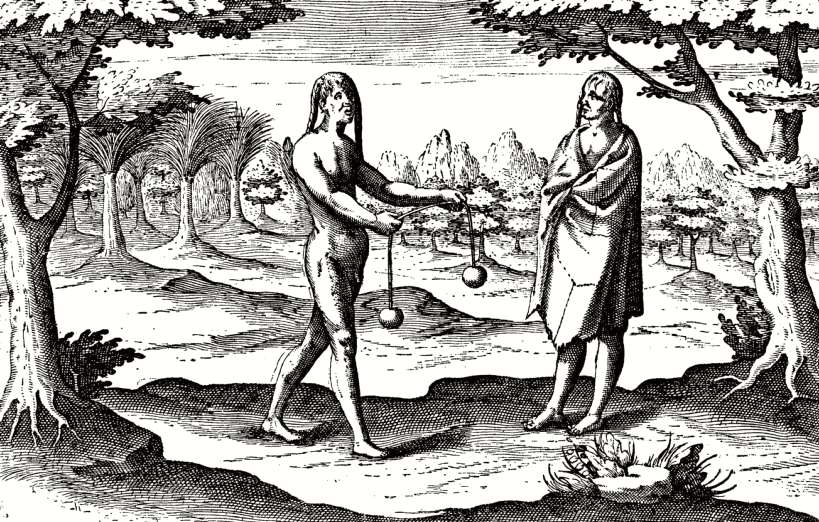
Uruguay's history is marked by its indigenous roots and colonial influences, with the Spanish establishing Montevideo in the 18th century. The country gained independence in 1825 after a series of conflicts, including struggles against both Spanish and Brazilian rule.

Throughout the 20th century, Uruguay became known for its progressive social policies and strong democratic institutions. However, it faced political turmoil during the military dictatorship from 1973 to 1985, which has shaped its modern identity and commitment to human rights.

Photo: Wikipedia / Wikimedia Commons