kiomigo
search
search
add New trip
Algiers

Algiers

Population: 3.500.000 Since: Founded around 900 AD Price: Mid-range Capital city
accessible Accessibility: The city has some accessible areas, but many streets are steep.

Introduction

Algiers, the capital of Algeria, is a vibrant city where the Mediterranean meets a rich tapestry of history. Its whitewashed buildings cascade down the hillside, offering stunning views of the sea, while the bustling streets are filled with the sounds of local life.

Visitors will find a blend of modernity and tradition, from the lively markets to the serene gardens. However, the city's charm is sometimes overshadowed by its chaotic traffic and the need for a bit of patience when navigating its winding streets.

In pictures

Algiers
Algiers
Algiers
Algiers
Algiers
Algiers

Sightseeing

Kasbah of Algiers: a UNESCO World Heritage site with narrow alleys and historic architecture
Martyrs' Memorial: a striking monument commemorating those who fought for independence
Basilica of Notre Dame d'Afrique: a beautiful church with stunning views of the bay
Algiers Botanical Garden: a peaceful retreat filled with diverse plant species
National Museum of Fine Arts: home to an impressive collection of Algerian and international art

"A city of history and culture"Algiers

Things to do

Explore the Kasbah: wander through its labyrinthine streets and discover hidden gems
Visit the Bardo Museum: learn about Algeria's rich history and culture
Take a cable car ride: enjoy panoramic views of the city and coastline
Stroll along the waterfront: relax at the promenade and enjoy the sea breeze

Local food and drinks

Couscous: a staple dish often served with vegetables and meat
Chakhchoukha: a traditional dish made with torn flatbread and sauce
Mint tea: a refreshing drink, often enjoyed in social settings
Merguez: spicy sausages that are a popular street food
La Maison de la Culture: a great spot to sample local cuisine

Local traditions

Mouloud: a celebration of the Prophet's birthday with various festivities
Ramadan: a month of fasting, with special evening meals called iftar
Wedding customs: elaborate celebrations often involving traditional music and dance
Handicrafts: local artisans continue to practice traditional crafts, especially in the Kasbah
History - Algiers

History

Algiers has a rich history that dates back to the 10th century when it was founded by the Berbers. Over the centuries, it became a significant center for trade and culture, influenced by various civilizations including the Ottomans and the French.

The city played a crucial role in Algeria's struggle for independence, which was achieved in 1962 after a long and brutal war. Today, Algiers stands as a testament to resilience, blending its historical roots with modern aspirations.

Things to know

Be cautious in crowded areas, as pickpocketing can occur
Public transport can be confusing; consider using taxis instead
Some areas may not be well-lit at night, so stay aware of your surroundings
Language barriers can exist; learning a few Arabic phrases can help

Do's and don'ts

Try local street food for an authentic taste
Respect local customs, especially during Ramadan
Bargain at markets, but do so politely
Dress modestly, especially in religious sites
Don't take photos of military or police installations
Don't engage in political discussions with locals
Don't expect English to be widely spoken
Don't ignore local laws and customs, as they can be strict

Good to know

Accessibility: The city has some accessible areas, but many streets are steep.
Price level: mid-range

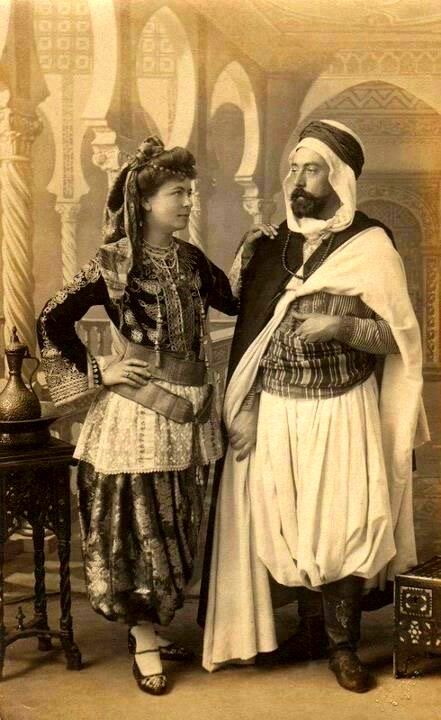
Photo: Wikipedia / Wikimedia Commons