search
search
add New trip
Algeria

Algeria

DZ calendar_monthMar–May, Sep–Novbest time schedule10 daysplan for child_careYeswith kids confirmation_numberMid-rangeprice flagAlgierscapital DINAlgerian Dinarcurrency translateArabic, Berber, Frenchlanguage
AlgeriaYour own route Plan a trip here →

Algeria is a vast and diverse country, offering a blend of stunning landscapes, rich history, and vibrant culture. From the Sahara Desert's endless dunes to the Mediterranean coastline, travelers can experience a variety of environments and traditions.

In pictures

Casbah of Algiers a UNESCO world heritage site.
Algeria
Algeria
Algeria
Algeria
Algeria
Algeria
Algeria

Sightseeing

Algiers: the capital city with Ottoman architecture and vibrant markets
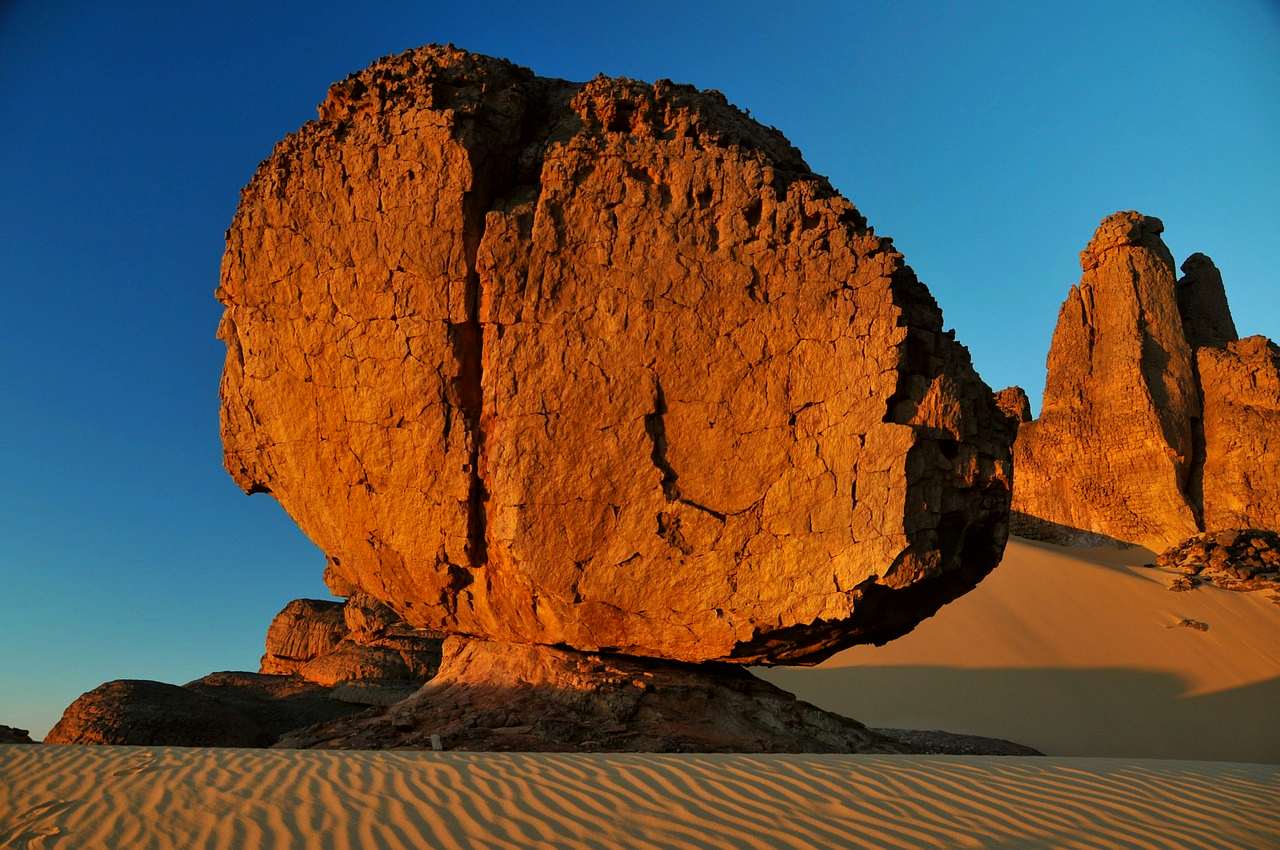
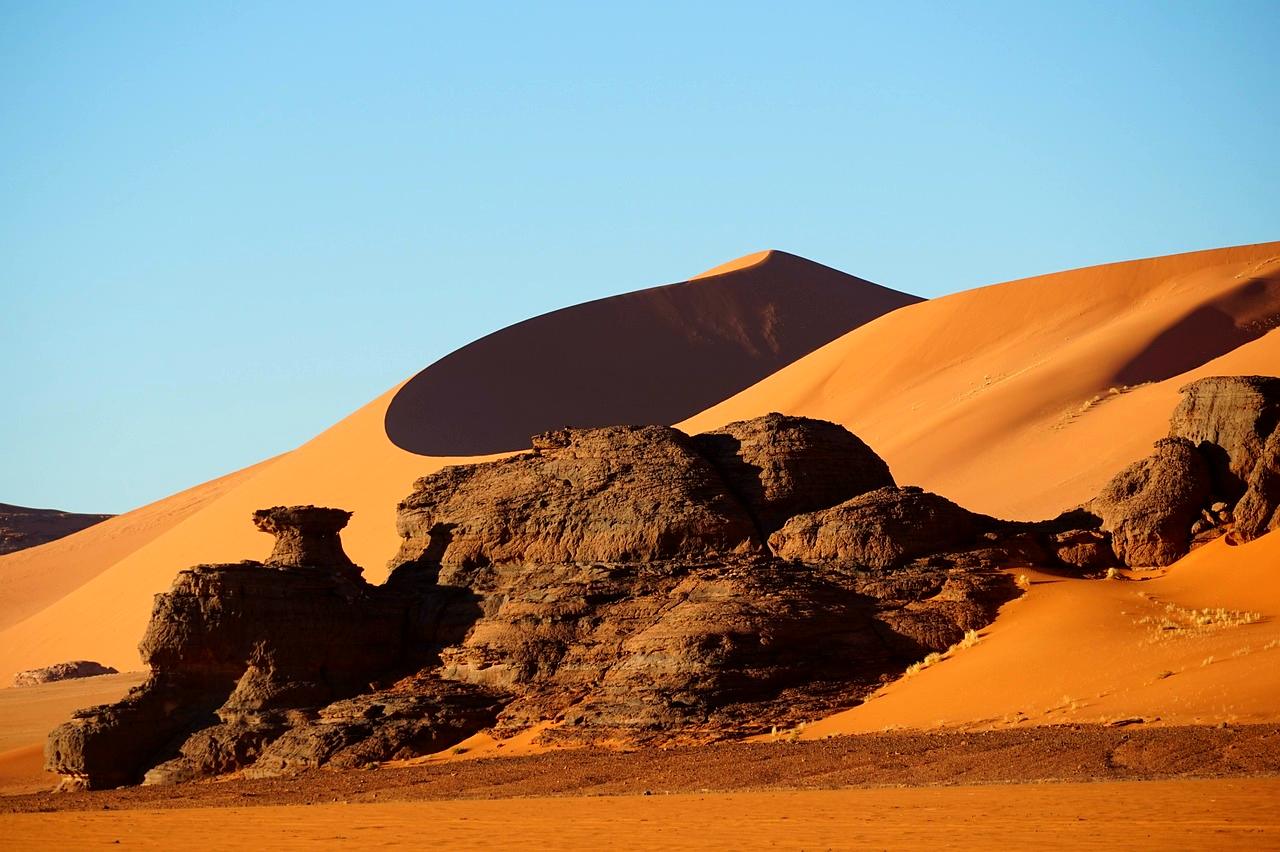
Sahara Desert: vast and mesmerizing, perfect for adventure seekers
Timgad: ancient Roman ruins, a UNESCO World Heritage site
Tipasa: coastal ruins with stunning sea views
Ghardaia: a unique M'zab Valley town with traditional architecture
Oran: a lively city known for its music and culture
Kasbah of Algiers: a historic medina with narrow streets
Mausoleum of the Kings of Numidia: a fascinating historical site

"Discover the beauty of Algeria"Algeria

Things to do

Explore the Sahara: experience camel trekking and desert camping
Visit local markets: immerse in the vibrant culture and shop for crafts
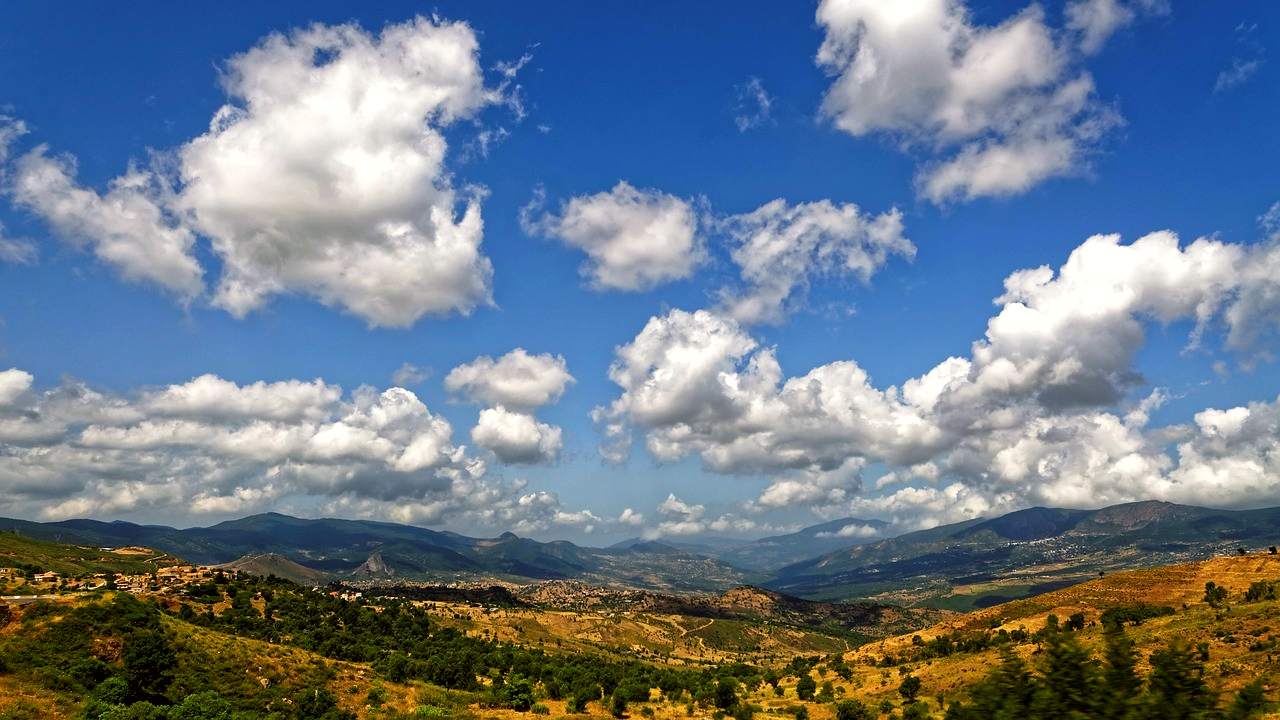
Hike in the Kabylie Mountains: enjoy stunning landscapes and local villages
Discover ancient ruins: explore sites like Timgad and Djemila
Attend a music festival: experience Algeria's rich musical heritage
Relax on the Mediterranean coast: enjoy the beaches and seafood
Local food and drinks - Algeria

Local food and drinks

Couscous: a staple dish made from semolina, often served with meat and vegetables, try it in local homes
Chakhchoukha: a traditional dish of shredded flatbread with sauce, best enjoyed in the south
Mechoui: whole roasted lamb, popular during celebrations and gatherings
Mint tea: a refreshing drink served throughout the country, perfect for socializing
Boulfaf: grilled lamb intestines, a street food delicacy, found at local fairs
Makroud: semolina pastries filled with dates or nuts, a sweet treat to try
Local traditions - Algeria

Local traditions

Mouloud: a celebration of the Prophet's birthday, filled with festivities
Aïd al-Adha: a significant religious festival involving communal prayers and feasting
Henna ceremonies: traditional body art for weddings and celebrations
Berber New Year: celebrated with music, dance, and traditional foods
Ramadan: a month of fasting, with special evening meals and community gatherings

Do's and don'ts

Respect local customs: dress modestly and behave appropriately
Learn a few Arabic phrases: it goes a long way with locals
Try local foods: indulge in the rich culinary offerings
Engage with locals: they are often welcoming and eager to share
Be mindful of photography: ask permission before taking photos of people
Don't discuss politics: it can be a sensitive topic
Don't drink alcohol in public: it's frowned upon in many areas
Don't assume everyone speaks English: be prepared with basic phrases
Don't wander alone at night: stick to well-lit and populated areas
Don't ignore local customs: understanding traditions is crucial
Explore the winding streets of Algiers

Explore the winding streets of Algiers

The Casbah of Algiers is a labyrinth of narrow alleys and historic buildings. As you wander through its streets, you will encounter traditional houses adorned with intricate tile work. Stop by a local café for a cup of mint tea and enjoy the view of the Mediterranean Sea. Be aware that some areas may be steep and uneven, so wear comfortable shoes. The Casbah is not just a UNESCO World Heritage site; it is a living neighborhood where you can feel the pulse of Algerian life.

Step back in time at Djemila

Step back in time at Djemila

The Roman ruins of Djemila are remarkably well-preserved and offer a glimpse into Algeria's ancient history. You can walk among the remains of temples, basilicas, and a theater that once held thousands. The site is less crowded than other Roman ruins in the region, allowing for a more intimate experience. Bring water and snacks, as facilities are limited. The surrounding hills provide a beautiful backdrop, making it a perfect spot for photography enthusiasts.

Discover the unique architecture of Ghardaïa

Discover the unique architecture of Ghardaïa

Ghardaïa is known for its distinctive architecture and vibrant markets. The town's buildings are made from local stone and feature a unique design that reflects the culture of the Mozabite people. Visit the local market to find traditional crafts, spices, and dates. Keep in mind that the best time to explore is early morning or late afternoon to avoid the heat. The atmosphere is lively, and you may even get a chance to chat with local artisans about their work.

info_outlinePracticalexpand_more
Population: 44.000.000
Best time: Spring and autumn for pleasant weather

About Algeria

While Algeria is less frequented by tourists compared to its neighbors, it provides a unique opportunity to explore ancient ruins, bustling markets, and warm hospitality. However, be prepared for limited tourist infrastructure in some areas, which may require a bit of planning and flexibility.

Basic information

Capital: Algiers
Language: Arabic, Berber, French
Currency: Algerian Dinar
Best time to visit: Spring and autumn for pleasant weather

Travel information

Fly into Algiers: the main international gateway. Use taxis or buses: public transport can be limited in rural areas. Consider renting a car: for more flexibility in exploring. ATMs are available: but cash is preferred in many places. Mobile connectivity is decent: but check local providers for coverage. In 2023, some roads may be under construction, so allow extra time for travel.

Things to know

Travel restrictions may apply: check current regulations before visiting.
Language barrier: French and Arabic are widely spoken, English is less common.
Cultural sensitivity is important: dress modestly and respect local customs.
Scams can occur: be cautious in crowded areas and markets.
Limited tourist infrastructure: plan ahead for accommodations and transport.
As of 2023, some areas may have increased security measures, so stay informed about local conditions.

Good to know

Accessibility: Accessibility can be challenging in rural areas.
Price level: mid-range
history_eduHistoryexpand_more
History - Algeria

Algeria's history is marked by a rich tapestry of cultures, from ancient Berber tribes to Roman conquests and Ottoman rule. The country gained independence from France in 1962 after a brutal war, which has shaped its national identity and pride.

Today, Algeria is a blend of its historical influences, with a strong sense of cultural heritage. The struggle for independence is still a significant part of the national narrative, influencing art, literature, and social movements.

Photo: Wikipedia / Wikimedia Commons