kiomigo
search
search
add New trip
Bejaia

Bejaia

Population: 150.000 Since: Founded around 300 BC Price: Mid-range
accessible Accessibility: Some areas are challenging for limited mobility.

Introduction

Bejaia is a charming coastal city in Algeria, known for its stunning Mediterranean views and rich history. Visitors are often captivated by its vibrant markets, friendly locals, and the blend of modern life with ancient traditions.

The city offers a unique atmosphere, where the mountains meet the sea, making it a perfect spot for both relaxation and exploration. Bejaia's cultural heritage is palpable, with influences from Berber, Arab, and French civilizations visible in its architecture and daily life.

Sightseeing

Kalaa of Bejaia: a historic fortress with panoramic views
Yemma Gouraya: a mountain offering hiking trails and scenic vistas
Bejaia Museum: showcases local history and artifacts
Cap Carbon: a picturesque lighthouse and coastal views
The Old Town: narrow streets filled with local shops and cafes
Sidi Bou Merouane: a serene beach popular with locals
The Great Mosque: an architectural gem reflecting Islamic heritage
The Roman Ruins of Timgad: nearby ancient ruins worth visiting

"Where mountains meet the Mediterranean"Bejaia

Things to do

Hike in the Gouraya National Park: explore diverse flora and fauna
Swim at the local beaches: enjoy the Mediterranean sun and sea
Visit local markets: experience authentic Algerian culture and cuisine
Take a boat tour: discover the coastline from the water
Explore the Kasbah: wander through historical streets and alleys

Local food and drinks

Couscous: a staple dish often served with vegetables and meat
Chakhchoukha: a traditional dish made with flatbread and sauce
Makroud: a sweet pastry filled with dates or nuts
Mint tea: a popular beverage enjoyed throughout the day
Local seafood: fresh catches available at many seaside restaurants

Local traditions

Mouloud: a celebration of the Prophet's birthday with festivities
Aïd al-Adha: a significant religious festival marked by communal prayers
Berber New Year: celebrated with traditional music and food
Local crafts: artisans continue to practice traditional crafts like pottery and weaving
History - Bejaia

History

Bejaia has a rich history dating back to ancient times, originally founded by the Berbers. It became a significant port city during the Roman Empire, known as Saldae, and later flourished under Islamic rule, becoming a center of learning and culture.

Throughout the centuries, Bejaia has witnessed various conquests and influences, including the Ottoman Empire and French colonization. Today, remnants of its diverse past can be seen in its architecture, local customs, and vibrant community life.

Things to know

Be cautious of pickpockets in crowded areas, especially markets
Public transport can be limited; consider using taxis or rideshares
Some attractions may have limited English signage, so a guide can help
Be prepared for steep streets and uneven pavements in older parts of the city

Do's and don'ts

Try local dishes at family-run restaurants
Respect local customs and dress modestly
Learn a few basic Arabic phrases to connect with locals
Explore beyond the tourist spots for an authentic experience
Don't assume everyone speaks English; be patient
Don't take photos of people without permission
Don't wander alone at night in unfamiliar areas
Don't rush through the local markets; take your time to enjoy

Good to know

Accessibility: Some areas are challenging for limited mobility.
Price level: mid-range

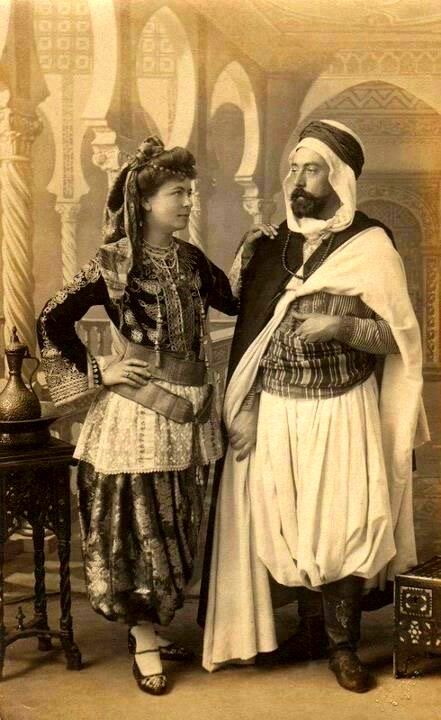
Photo: Wikipedia / Wikimedia Commons