kiomigo
search
search
add New trip
Tlemcen

Tlemcen

Population: 140.000 Since: Founded around 200 BC Price: Mid-range
accessible Accessibility: Some areas are hilly, may be challenging

Introduction

Tlemcen is a charming city in Algeria, known for its rich history and stunning architecture. Visitors are often captivated by its blend of Islamic and Mediterranean influences, which create a unique atmosphere that feels both ancient and vibrant.

The city is surrounded by beautiful landscapes, including the nearby Tlemcen National Park. While exploring, you will encounter friendly locals and a laid-back vibe that invites you to linger a little longer.

Sightseeing

Great Mosque of Tlemcen: a stunning example of Almoravid architecture
Palace of El Mechouar: a historical site with beautiful gardens
Tlemcen National Park: perfect for nature lovers and hikers
Mansourah: ruins of a medieval city with panoramic views
Tlemcen Museum: showcases local history and artifacts
Ksar of Tlemcen: a UNESCO World Heritage site worth visiting

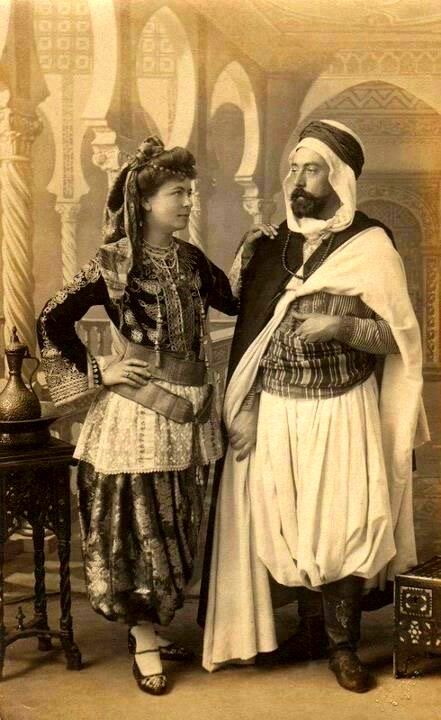
"A hidden gem of Algerian heritage"Tlemcen

Things to do

Explore the Medina: wander through narrow streets filled with shops
Hike in Tlemcen National Park: enjoy scenic trails and wildlife
Visit local markets: experience authentic Algerian culture and cuisine
Attend a traditional music performance: discover the local art scene

Local food and drinks

Couscous: a staple dish often served with vegetables and meat
Harira: a traditional soup, especially popular during Ramadan
Makroud: a sweet pastry filled with dates or nuts
Chakhchoukha: a flavorful dish made with torn flatbread
Local cafes: try mint tea and pastries in cozy settings

Local traditions

Festival of Tlemcen: celebrates local culture and arts
Mouloud: a celebration of the Prophet's birthday with various activities
Traditional music nights: showcasing local musicians and dancers
History - Tlemcen

History

Tlemcen has a rich history that dates back to the Roman era, when it was known as Pomaria. It became a significant center of trade and culture during the medieval period, especially under the Almoravid and Almohad dynasties.

The city has witnessed various influences over the centuries, including Berber, Arab, and Spanish. Its historical significance is reflected in its architecture, with many buildings showcasing intricate designs and craftsmanship that tell the story of its past.

Things to know

Be cautious of pickpockets in crowded areas
Public transport can be limited, consider taxis
Some attractions may have restricted hours, check ahead
Language barrier may exist, learning a few Arabic phrases helps

Do's and don'ts

Try local dishes at family-run restaurants
Respect local customs and dress modestly
Bargain at markets for a better price
Learn a few basic Arabic phrases to connect with locals
Don't take photos of people without permission
Don't expect all signs to be in English
Don't wander alone at night in unfamiliar areas
Don't rush through the historical sites, take your time

Good to know

Accessibility: Some areas are hilly, may be challenging
Price level: mid-range

Photo: Wikipedia / Wikimedia Commons