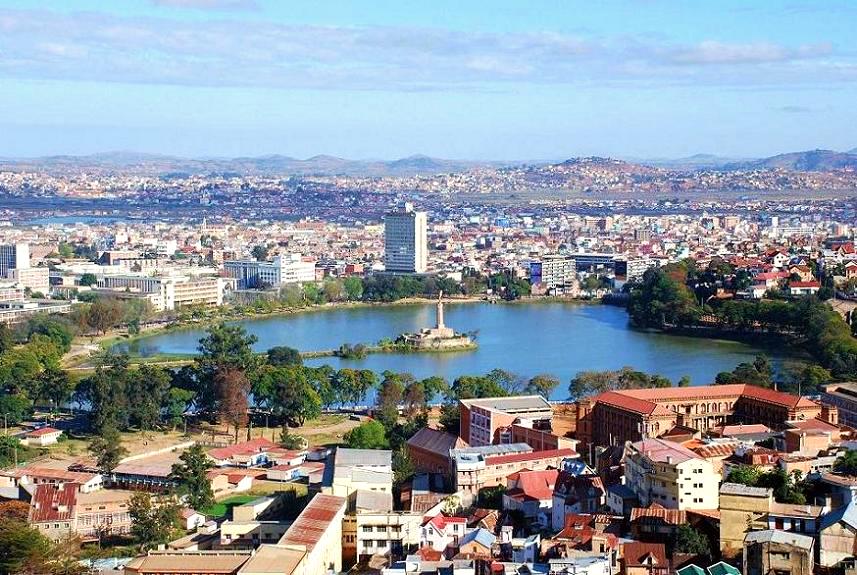
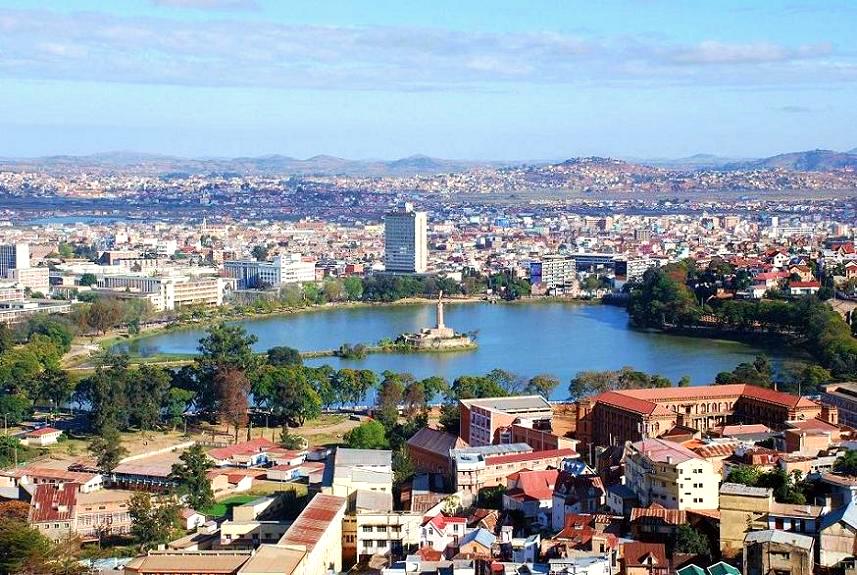


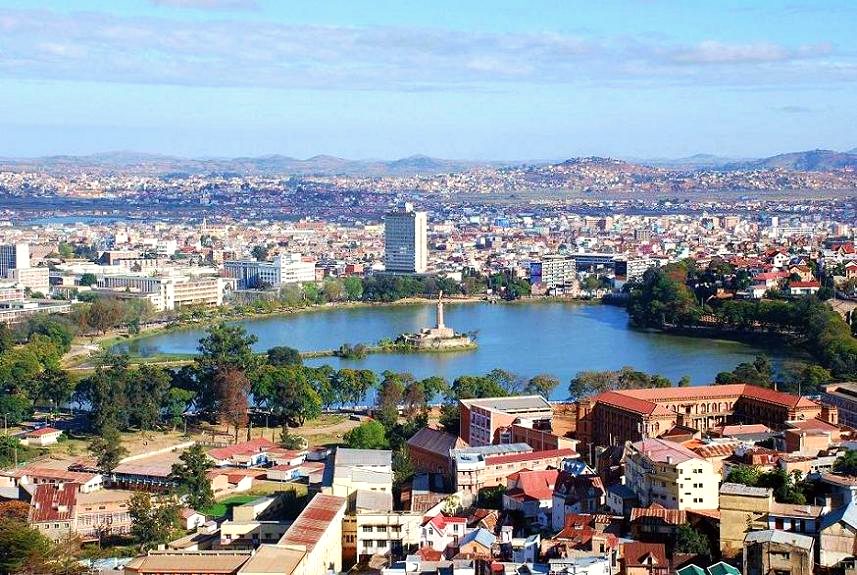
A serene spot in the heart of the city
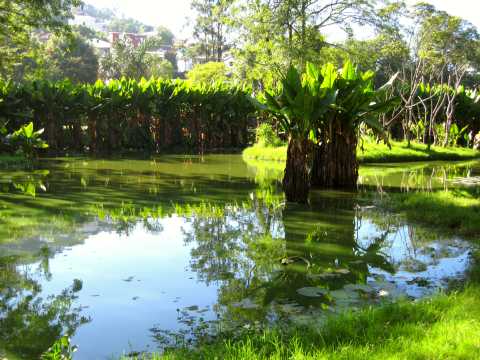
Lake Anosy is a picturesque spot in Antananarivo, surrounded by jacaranda trees that bloom in October and November. The lake's calm waters reflect the nearby architecture, creating a peaceful atmosphere for a stroll. Locals often gather here, especially on weekends, to enjoy picnics or simply relax. While the area is generally safe, be cautious of your belongings, as pickpocketing can occur in crowded spaces. Visiting the lake offers a chance to experience the city's natural beauty amidst the urban landscape.
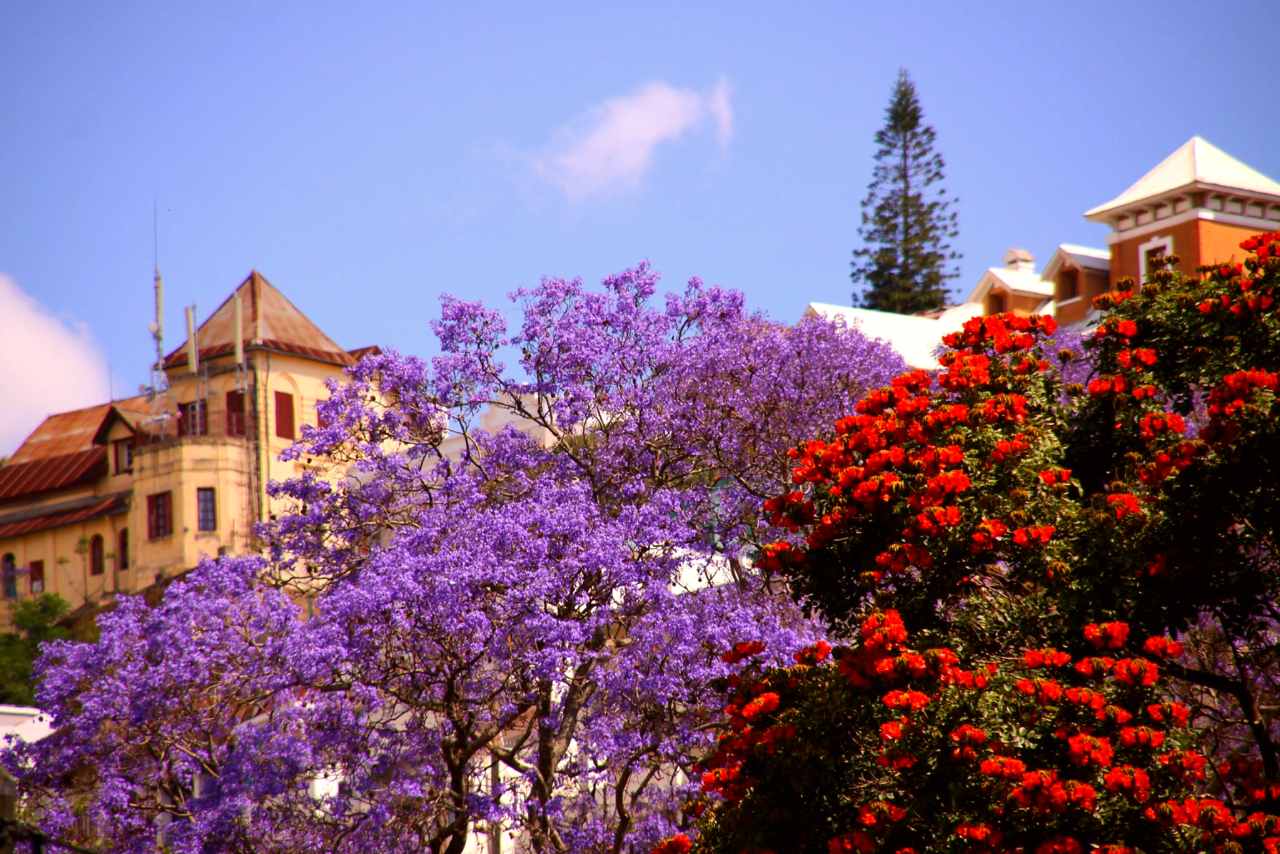
Jacaranda trees in full bloom
The jacaranda trees lining the streets of Antananarivo create a striking scene when they bloom in late spring. The vibrant purple flowers contrast beautifully with the city's colonial buildings. Walking through these streets, you can hear the sounds of daily life, from vendors selling fresh produce to children playing. However, be prepared for uneven sidewalks and occasional traffic congestion. This area is perfect for those who want to immerse themselves in the local culture while enjoying a leisurely walk.
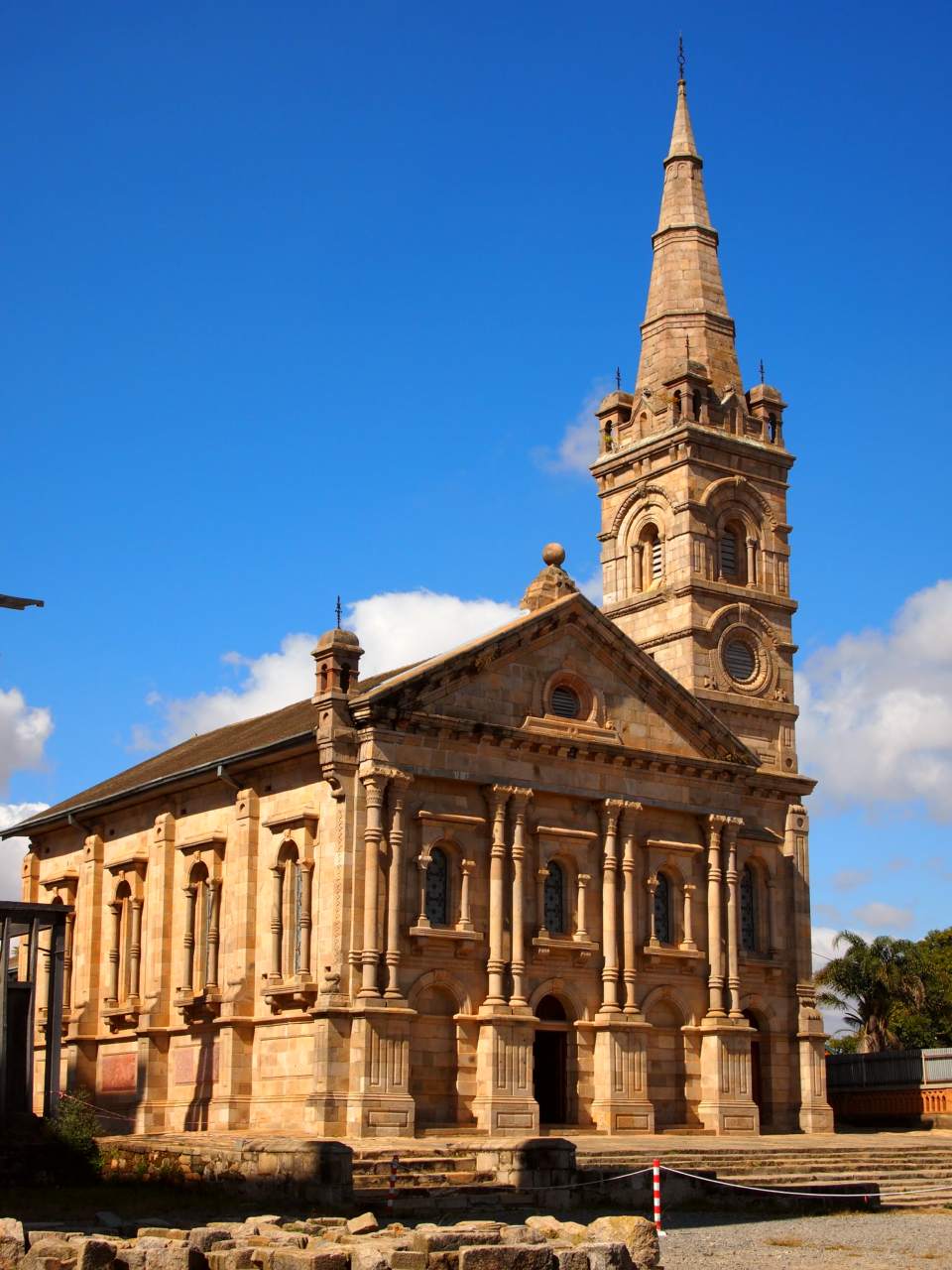
Explore the historic Rova of Antananarivo
The Rova of Antananarivo, or the Queen's Palace, sits atop a hill and offers a glimpse into Madagascar's royal history. The exterior showcases traditional Malagasy architecture, with intricate woodwork and stone walls. Visitors can explore the grounds and learn about the Merina kingdom. However, some areas are still undergoing restoration, so expect limited access to certain parts. The view from the hill is worth the climb, providing a panoramic look at the city below.