kiomigo
search
search
add Nouveau voyage
Flic en Flac

Flic en Flac

Population: 5.000 Depuis: Founded in the 18th century Prix: Mid-range
accessible Accessibilité: Most areas are accessible, but some beaches may have limited access.

Introduction

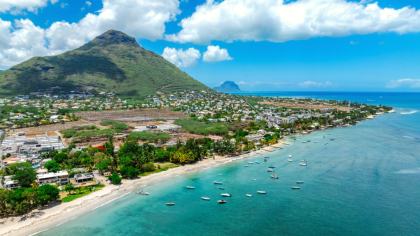
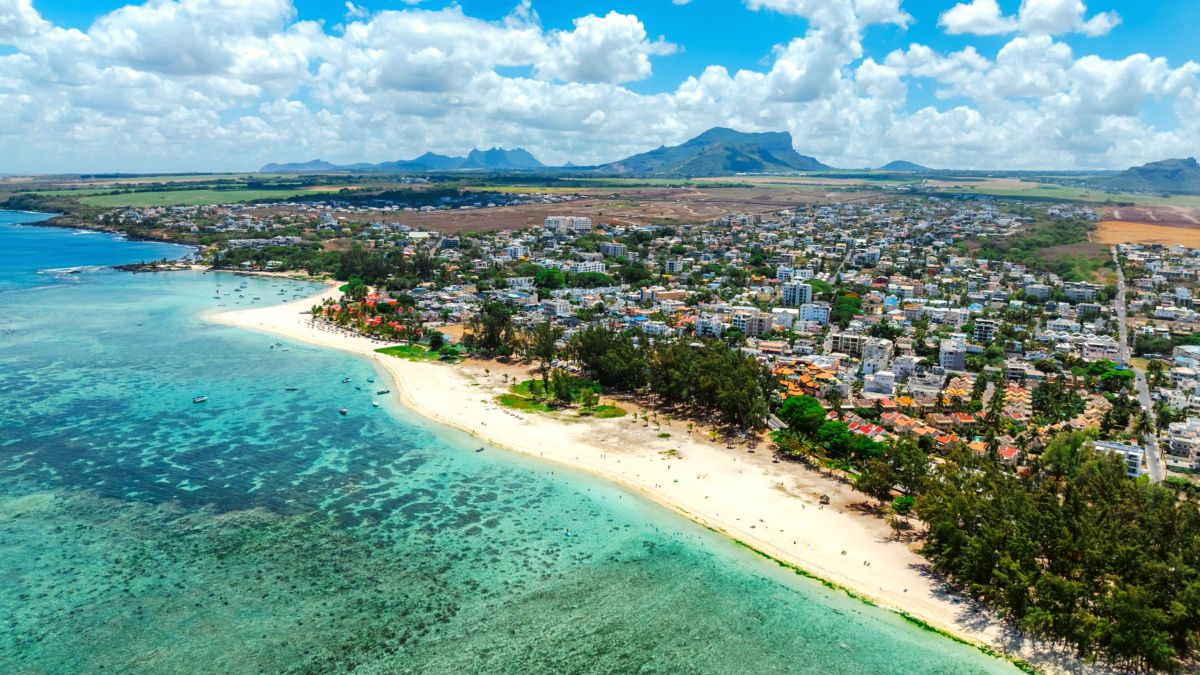
Flic en Flac is a charming coastal village on the west coast of Mauritius, known for its stunning beaches and vibrant atmosphere. Visitors are drawn to its long stretches of white sand and crystal-clear waters, making it a perfect spot for relaxation and water sports.

The village has a laid-back vibe, with a mix of local culture and tourist amenities. While it can get busy during peak season, the friendly locals and beautiful sunsets create a welcoming environment for travelers seeking both adventure and tranquility.

Sightseeing

Flic en Flac Beach: a picturesque beach ideal for sunbathing and swimming
Tamarin Bay: known for dolphin watching and water sports
Casela Nature Parks: a wildlife park with various activities
La Preneuse Beach: a quieter beach with stunning views
The Martello Tower: a historical site with a museum

"Relax and Explore Mauritius' Coastline"Flic en Flac

Things to do

Snorkel in the coral reefs: explore vibrant marine life
Take a boat trip: enjoy the scenic coastline and nearby islands
Visit local markets: experience Mauritian culture and cuisine
Try water sports: engage in activities like parasailing and jet skiing

Cuisine et boissons locales

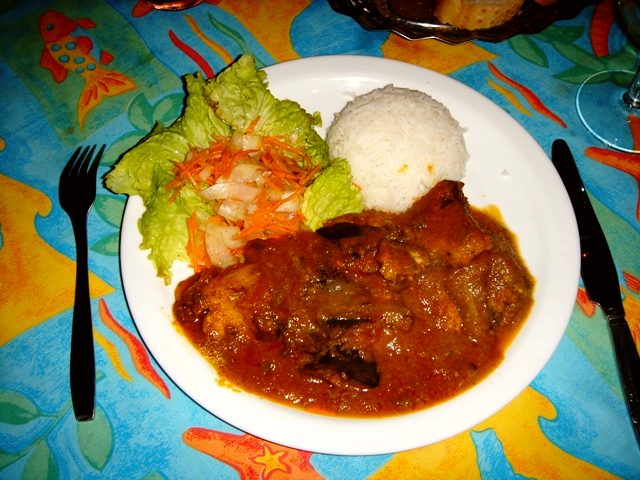
Lamb curry: a local favorite, rich in spices
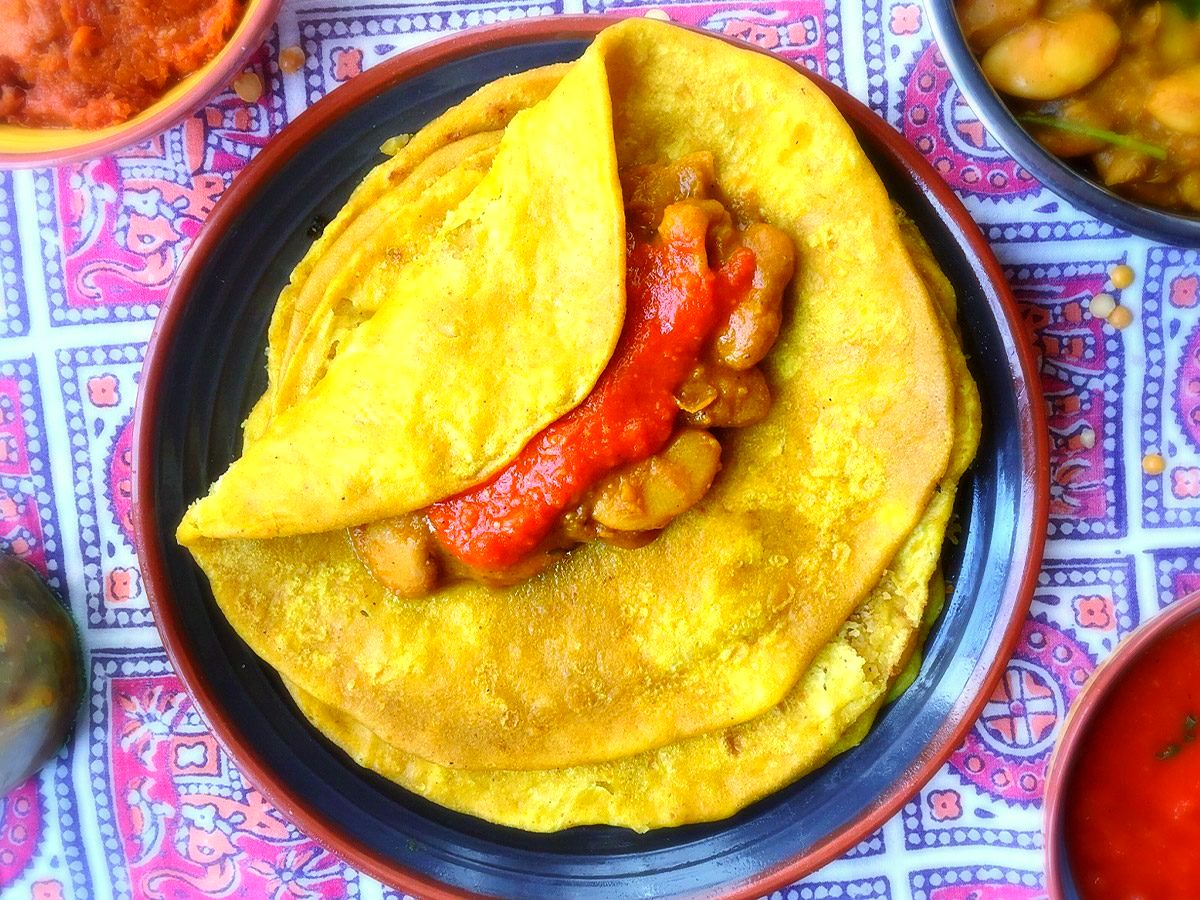
Roti: a popular street food, often filled with vegetables or meat
Alouda: a refreshing local drink made with basil seeds
Seafood platter: fresh catch from the Indian Ocean
Le Cactus: a well-known restaurant for local dishes

Traditions locales

Diwali: celebrated with lights and festivities
Mauritian Independence Day: marked by parades and cultural events
Local fishing practices: traditional methods still used by fishermen
Creole music festivals: showcasing local talent and culture
Histoire - Flic en Flac

Histoire

Flic en Flac was originally a small fishing village, with its name derived from the French term meaning 'flicking water'. Over the years, it has transformed into a popular tourist destination, attracting visitors with its natural beauty and recreational opportunities.

The area began to develop in the 1970s, with hotels and restaurants emerging to cater to the growing number of tourists. Today, it remains a blend of traditional Mauritian life and modern tourism, offering a unique experience for all who visit.

À savoir

Be cautious of beach vendors: some may be overly persistent
Public transport can be limited: consider renting a car for convenience
Safety at night: stick to well-lit areas and avoid isolated spots
Peak season can be crowded: book accommodations in advance

À faire et à éviter

Explore the local markets for unique souvenirs
Try the street food for an authentic taste
Respect local customs and traditions
Use sunscreen to protect against strong sun
Don't ignore safety warnings about swimming conditions
Don't haggle too aggressively at markets
Don't litter on the beaches or in public areas
Don't forget to stay hydrated in the heat

Bon à savoir

Accessibilité: Most areas are accessible, but some beaches may have limited access.
Price level: mid-range

Photo: Wikipedia / Wikimedia Commons