search
search
add New trip
Senegal

Senegal

SN calendar_monthNov–Marbest time schedule10 daysplan for child_careYeswith kids confirmation_numberMid-rangeprice flagDakarcapital FrWest African CFA franccurrency translateFrenchlanguage
SenegalYour own route Plan a trip here →

Senegal is a vibrant West African country known for its rich culture, friendly people, and stunning landscapes. From the bustling markets of Dakar to the serene beaches of the Petite Côte, it offers a diverse range of experiences that cater to all types of travelers.

In pictures

A modern tourist hotel catering to Europeans in the resort town of Saly.
Visitors loaded into a Pirogue for a pleasure trip from Ngor to île de Ngor, a popular holiday spot for Dakar's locals. In the background is the Ngor Hotel, catering to Senegalese and business travelers to Dakar.
A yellow-crowned gonolek (Laniarius barbarus), photographed in the estuaries of the Saloum Delta National Park.
Western tourists visit rhinoceroses kept at the Bandia Natural Reserve near Dakar.
Senegal
Senegal
Senegal
Senegal

Sightseeing

Dakar: the lively capital with a mix of modernity and tradition
Gorée Island: a UNESCO World Heritage site with a poignant history
Lake Retba: famous for its pink waters and salt production
Niokolo-Koba National Park: a UNESCO site rich in biodiversity
Saint-Louis: known for its colonial architecture and vibrant culture
Bandia Reserve: a wildlife reserve ideal for safari experiences
Casamance: a lush region with beautiful landscapes and unique cultures
Lompoul Desert: a stunning desert landscape perfect for adventure

"Experience the warmth of Senegal"Senegal

Things to do

Explore local markets: experience the vibrant atmosphere and local crafts
Visit the African Renaissance Monument: a striking landmark with panoramic views
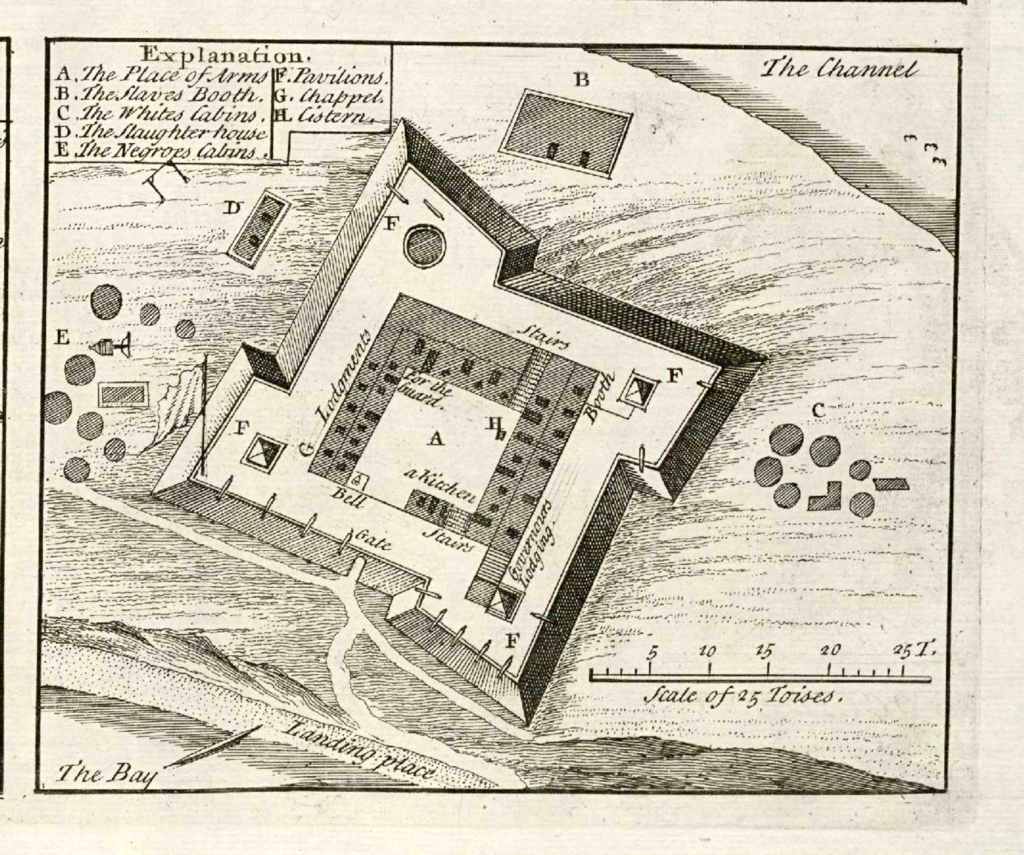
Take a boat trip to Gorée Island: learn about the history of the slave trade
Relax on the beaches: enjoy the sun and local seafood along the coast
Attend a traditional music performance: immerse yourself in Senegalese culture
Go on a wildlife safari: spot diverse animals in their natural habitat
Participate in a cooking class: learn to prepare traditional Senegalese dishes
Hike in the Fathala Wildlife Reserve: enjoy nature and see exotic animals
Local food and drinks - Senegal

Local food and drinks

Thieboudienne: Senegal's national dish of fish and rice, best enjoyed in local restaurants
Yassa: marinated chicken or fish with onions, a must-try at street food stalls
Mafé: a peanut stew that is hearty and flavorful, often served with rice
Bissap: a refreshing hibiscus drink, perfect for hot days
Café Touba: a spiced coffee unique to Senegal, often enjoyed in cafes
Sokha: a local beer that pairs well with traditional meals
Local traditions - Senegal

Local traditions

Taarab: a traditional music genre that blends African and Arab influences
Tabaski: the Feast of Sacrifice, celebrated with family gatherings and feasts
Weddings: vibrant celebrations often lasting several days, showcasing local customs
Griot storytelling: an oral tradition that preserves history and culture through music
Senegalese hospitality: a warm welcome is customary, often involving sharing meals

Do's and don'ts

Engage with locals: they are friendly and welcoming
Try local dishes: the cuisine is a highlight of the culture
Respect traditions: participate in local customs and festivals
Negotiate prices: it's common in markets and shops
Learn a few words in French: it goes a long way in communication
Don't take photos of people without permission: it's considered disrespectful
Don't assume everyone speaks English: French is widely spoken
Don't drink tap water: stick to bottled water for safety
Don't rush through experiences: take time to enjoy the culture
Don't ignore local customs: being respectful is key to a positive experience
Relax on the sandy shores of Saly

Relax on the sandy shores of Saly

Saly is known for its long stretches of sandy beaches and calm waters. Here, you can unwind under a palm tree or take part in water sports like jet skiing and snorkeling. The beach clubs offer fresh seafood, with grilled fish and spicy shrimp being popular choices. While the atmosphere is generally laid-back, be aware that it can get crowded during the peak tourist season from December to April. If you prefer a quieter experience, consider visiting in the off-peak months.

Explore Senegal's rich history at the museum

Explore Senegal's rich history at the museum

The Museum of Black Civilizations in Dakar showcases the diverse cultures of Africa. Its exhibits feature art, artifacts, and historical displays that tell the story of the continent's heritage. Entry fees are reasonable, but be prepared for limited English explanations. Guided tours can enhance your experience, so consider joining one if available. The museum is located near the coast, making it easy to combine with a visit to the nearby beaches.

Visit the Grande Mosquée for architectural beauty

Visit the Grande Mosquée for architectural beauty

The Grande Mosquée in Dakar is an impressive example of Islamic architecture. Its tall minaret and intricate tile work draw visitors from around the world. While non-Muslims cannot enter the prayer hall, the exterior and surrounding area are worth exploring. Local vendors often sell handmade crafts nearby, providing a chance to pick up a unique souvenir. Keep in mind that dress codes are respected here, so modest clothing is recommended.
info_outlinePracticalexpand_more
Population: 17.000.000
Best time: November to February

About Senegal

The country is also home to unique wildlife and historical sites, making it a fascinating destination for those interested in both nature and history. However, be prepared for some challenges, such as navigating local transport and dealing with occasional language barriers, as not everyone speaks English.

Basic information

Capital: Dakar
Language: French
Currency: West African CFA franc
Best time to visit: November to February

Travel information

Flights to Dakar are available from major international airports Local transport includes buses, taxis, and car rentals, but be cautious of safety Credit cards are accepted in larger establishments, but cash is preferred in markets Mobile connectivity is generally good, with several local SIM options available Road conditions can vary, so plan travel times accordingly

Things to know

Be cautious of pickpockets in crowded areas, especially markets
Respect local customs and dress modestly, particularly in rural areas
Water quality can be an issue, so drink bottled water
Public transport can be crowded and less reliable, plan ahead
Language barriers may arise, so learning a few French phrases can help

Good to know

Accessibility: Limited mobility can be challenging in some areas.
Price level: mid-range
history_eduHistoryexpand_more
History - Senegal

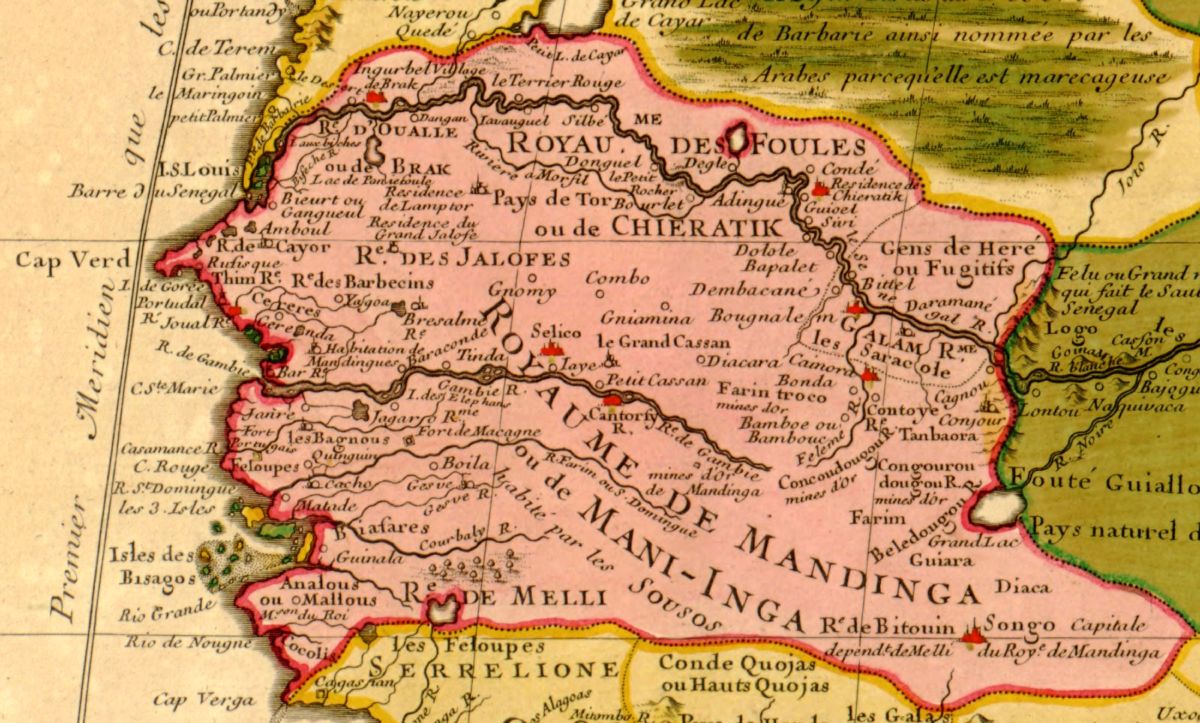
Senegal has a rich history that dates back to ancient times, with influences from various cultures including the Wolof, Serer, and Mandinka. It became a significant center for trade and culture, particularly during the transatlantic slave trade, with Gorée Island serving as a key departure point for enslaved Africans.

In the 19th century, Senegal became a French colony, gaining independence in 1960. Since then, it has maintained a stable democracy and is known for its political and social stability in the region. The country's history is deeply intertwined with its cultural identity, reflected in its music, art, and traditions.

Photo: Wikipedia / Wikimedia Commons