search
search
add New trip
Gorée Island

Gorée Island

calendar_monthNov–Maybest time schedule2 daysplan for directions_car3 h 45from Saint-Louis child_careYeswith kids confirmation_numberMid-rangeprice
Gorée IslandYour own route Plan a trip here →

Gorée Island is a poignant reminder of the transatlantic slave trade, with its vibrant colors and colonial architecture. Visitors are often struck by the island's serene beauty, juxtaposed with its heavy history, making it a reflective place to explore.

In pictures

Drawing of the castle, fort and harbor of Gorée from the Atlas Blaeu-Van der Hem.
The Dutch established the forts of Nassau (1628) and Orange (1639). Coloured engraving, Holland, 17th century
British capture of Gorée during the Seven Years' War, 29 December 1758
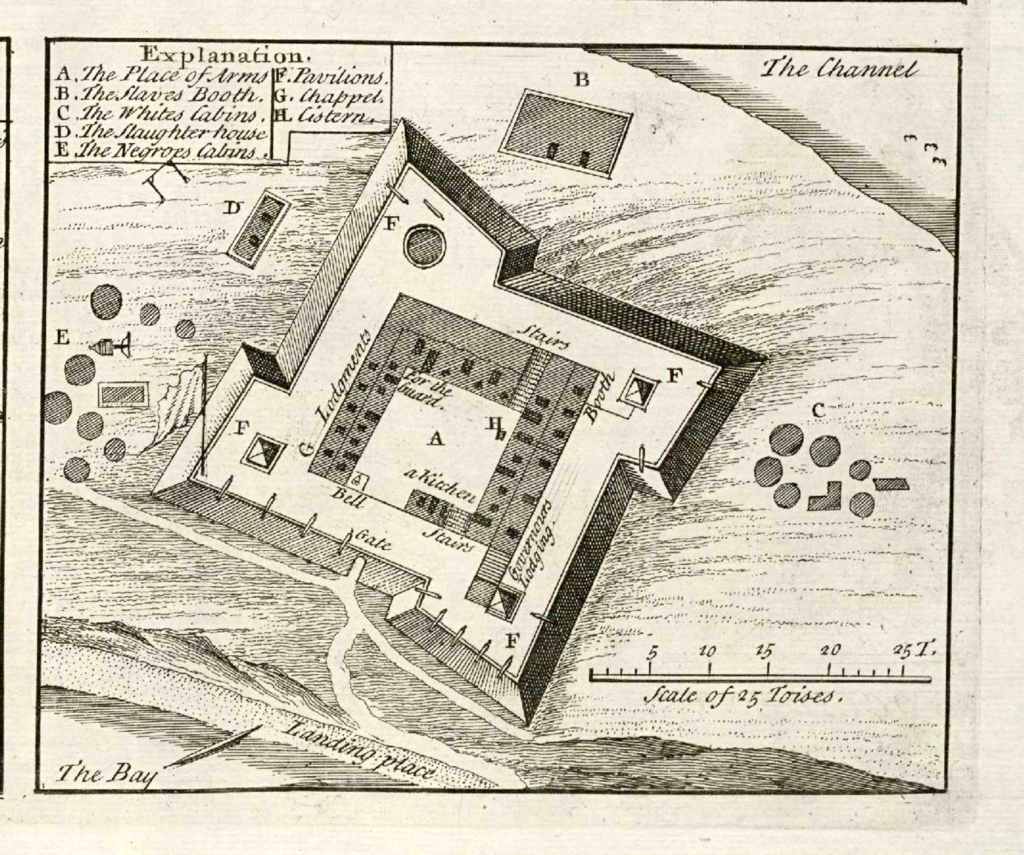
Schley, Jacobus van der, 1715–1779. Island of Gorée and its fortifications
François d'Orléans – Tam-tam à Gorée (1837)
La Signare de Gorée avec ses esclaves (The signare of Gorée with her slaves), Musée de la Compagnie des Indes

Sightseeing

Maison des Esclaves: A museum dedicated to the history of slavery.
Fort d'Estrées: A historic fort offering panoramic views.
La Maison de la Culture: A cultural center showcasing local art.
Plage de Gorée: A beach perfect for relaxation and swimming.
L'Île de Gorée: The island itself, a UNESCO World Heritage site.

"A Journey Through History and Culture"Gorée Island

Things to do

Explore the streets: Wander through the colorful alleys and admire the architecture.
Visit local art galleries: Discover works by local artists and artisans.
Take a guided tour: Learn about the island's history from knowledgeable guides.
Relax at the beach: Enjoy the sun and sea at the island's beach.
Attend cultural events: Experience local music and dance performances.
Local food and drinks - Gorée Island

Local food and drinks

Thieboudienne: A traditional fish and rice dish.
Yassa Poulet: Chicken marinated in lemon and onions.
Bissap: A refreshing hibiscus drink.
Local street food: Try various snacks from street vendors.
Café Gorée: A popular spot for coffee and pastries.
Local traditions - Gorée Island

Local traditions

Gorée Diaspora Festival: Celebrates the island's cultural heritage.
Traditional music performances: Showcases local rhythms and dances.
Artisan markets: Held regularly, featuring local crafts.
Cultural exchange programs: Promote understanding and connection.

Do's and don'ts

Visit the museums: Gain insight into the island's history.
Engage with locals: Learn about their stories and experiences.
Respect the memorials: Honor the history and those affected.
Take plenty of photos: Capture the island's beauty and culture.
Don't rush your visit: Take time to absorb the atmosphere.
Don't ignore local customs: Be respectful of traditions and practices.
Don't stray from marked paths: Some areas can be sensitive or unsafe.
Don't forget sunscreen: The sun can be intense, especially in summer.
info_outlinePracticalexpand_more
Since: Founded in the 15th century
Population: 1.200

About Gorée Island

Walking through its narrow streets, you will encounter art galleries, local crafts, and the warm hospitality of its residents. The atmosphere is peaceful, yet the stories of the past linger, inviting contemplation and understanding.

Things to know

Be cautious of tourist traps: Some shops may overcharge for souvenirs.
Transport can be limited: Ferries are the main way to reach the island.
Safety is generally good: However, stay aware of your surroundings.
Timing your visit is key: Early mornings or late afternoons are best.

Good to know

Accessibility: Some areas are steep, not fully wheelchair accessible.
Island: yes
Price level: mid-range
history_eduHistoryexpand_more

Gorée Island has a complex history, primarily known for its role in the slave trade from the 15th to the 19th centuries. It was a significant departure point for enslaved Africans, with the Maison des Esclaves serving as a poignant reminder of this dark chapter.

After the abolition of slavery, Gorée became a cultural hub, attracting artists and intellectuals. Today, it stands as a UNESCO World Heritage site, preserving its historical significance while promoting awareness and education about its past.

Photo: Wikipedia / Wikimedia Commons