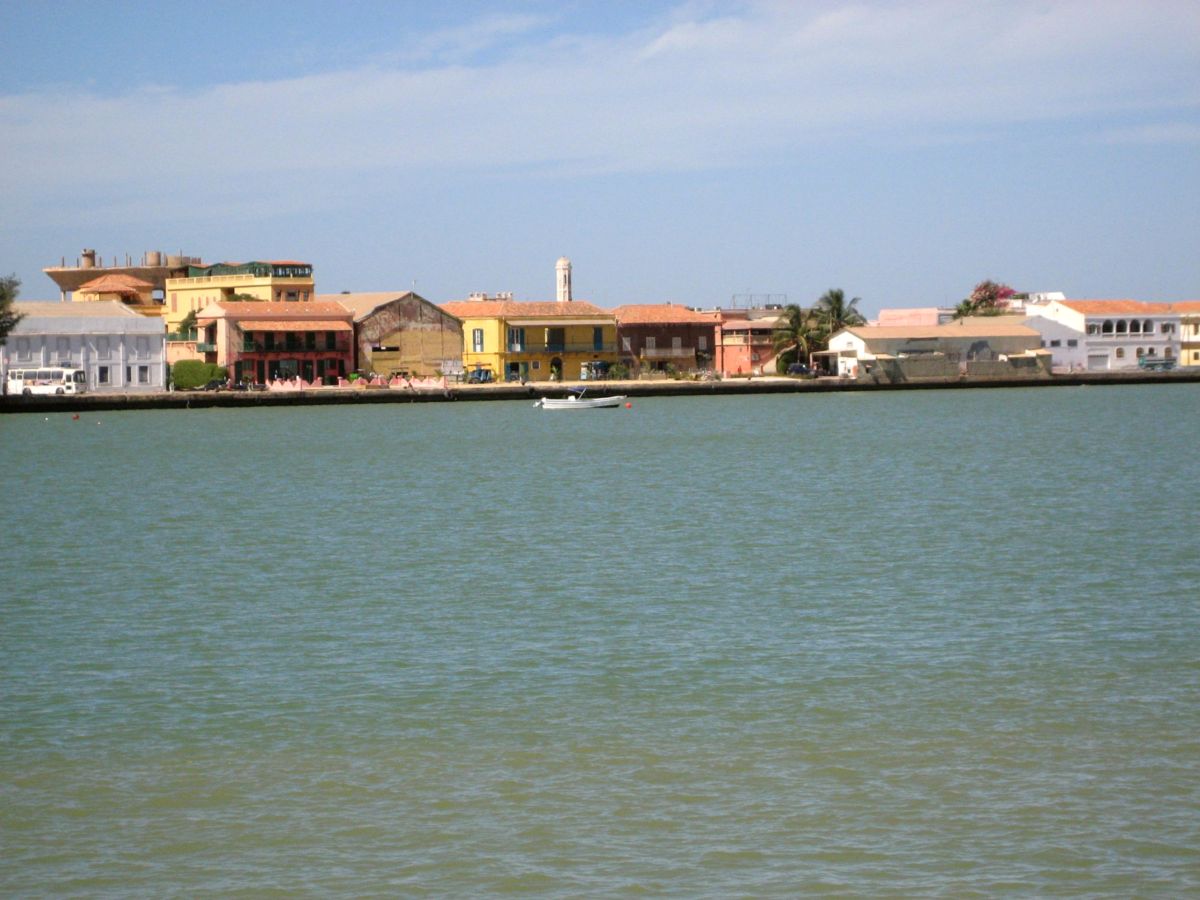
Saint-Louis
Saint-Louis, eine charmante Stadt in Senegal, ist bekannt für ihre reiche koloniale Geschichte und lebendige Kulturszene. Besucher sind oft von den bunten Gebäuden und der lebhaften Atmosphäre entlang des Senegalflusses fasziniert, was sie zu einer einzigartigen Mischung aus afrikanischen und französischen Einflüssen macht.
Highlights
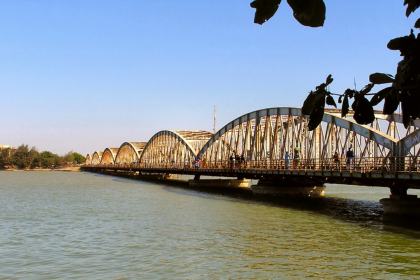
Faidherbe Bridge
Iconic bridge connecting the island to the mainland
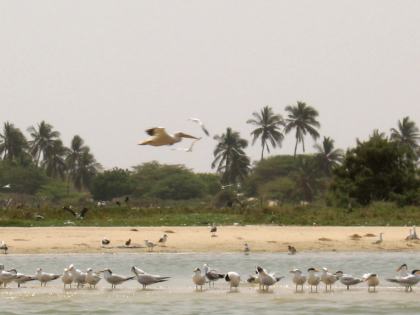
Langue de Barbarie National Park
Ideal for birdwatching and nature walks
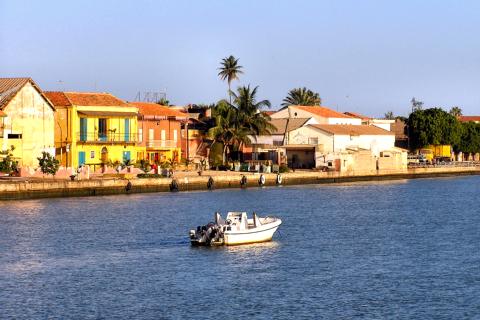
Saint-Louis Island
UNESCO World Heritage site with rich history

The African Renaissance Monument
A striking symbol of African pride
Sightseeing
Aktivitäten
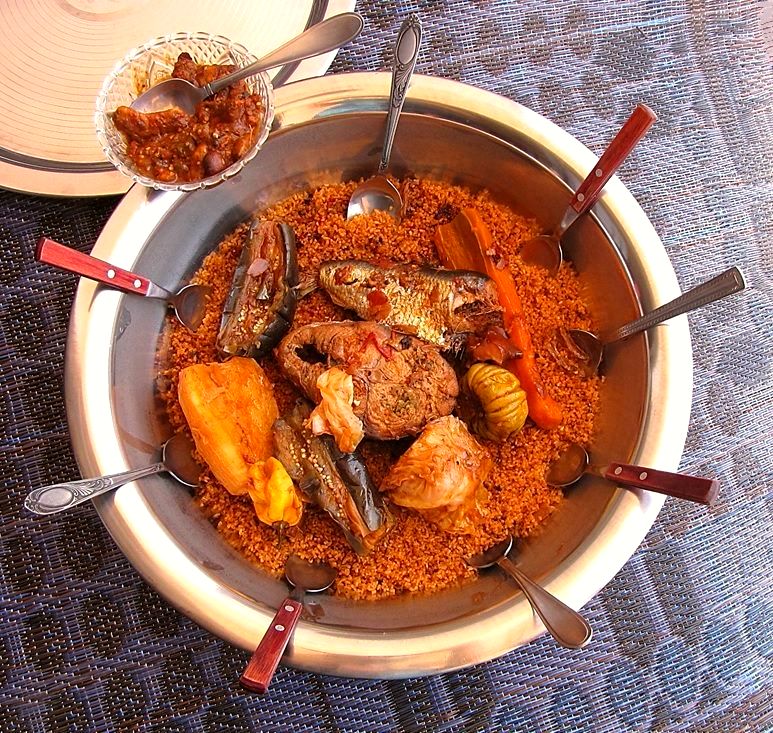
Lokales Essen und Trinken
Lokale Traditionen
Do's und Don'ts
Practical
About Saint-Louis
Beim Bummeln durch die engen Straßen wirst du lokale Handwerker, geschäftige Märkte und die herzliche Gastfreundschaft der Bewohner antreffen. Die historische Bedeutung der Stadt ist spürbar, und ihr entspannter Rhythmus lädt dich ein, die Sehenswürdigkeiten und Klänge in deinem eigenen Tempo zu genießen.
Wissenswertes
Gut zu wissen
Geschichte
Gegründet im 17. Jahrhundert, diente Saint-Louis als Hauptstadt von Französisch-Westafrika und wurde zu einem wichtigen Handelsplatz. Seine strategische Lage an der Mündung des Senegalflusses erleichterte den Handel und den kulturellen Austausch, was zu einem reichen Geflecht von Einflüssen führte, die die Stadt prägten.
Die Stadt blühte während der Kolonialzeit auf und zog Händler und Siedler an. Heute erzählen Überreste ihrer Vergangenheit, wie koloniale Architektur und historische Stätten, die Geschichte ihrer lebendigen Geschichte und der vielfältigen Kulturen, die sie Heimat nannten.
Foto: Wikipedia / Wikimedia Commons