Explore Johannesburg's vibrant art scene
Johannesburg is home to a thriving art community, with galleries showcasing local talent. The Johannesburg Art Gallery, located in Joubert Park, features a collection of South African and international works. Nearby, the Maboneng Precinct offers street art and contemporary galleries, making it a great spot for art lovers. While exploring, be mindful of your surroundings, especially in less crowded areas. The art scene here reflects the city’s history and its ongoing evolution, providing a unique lens through which to understand Joburg.
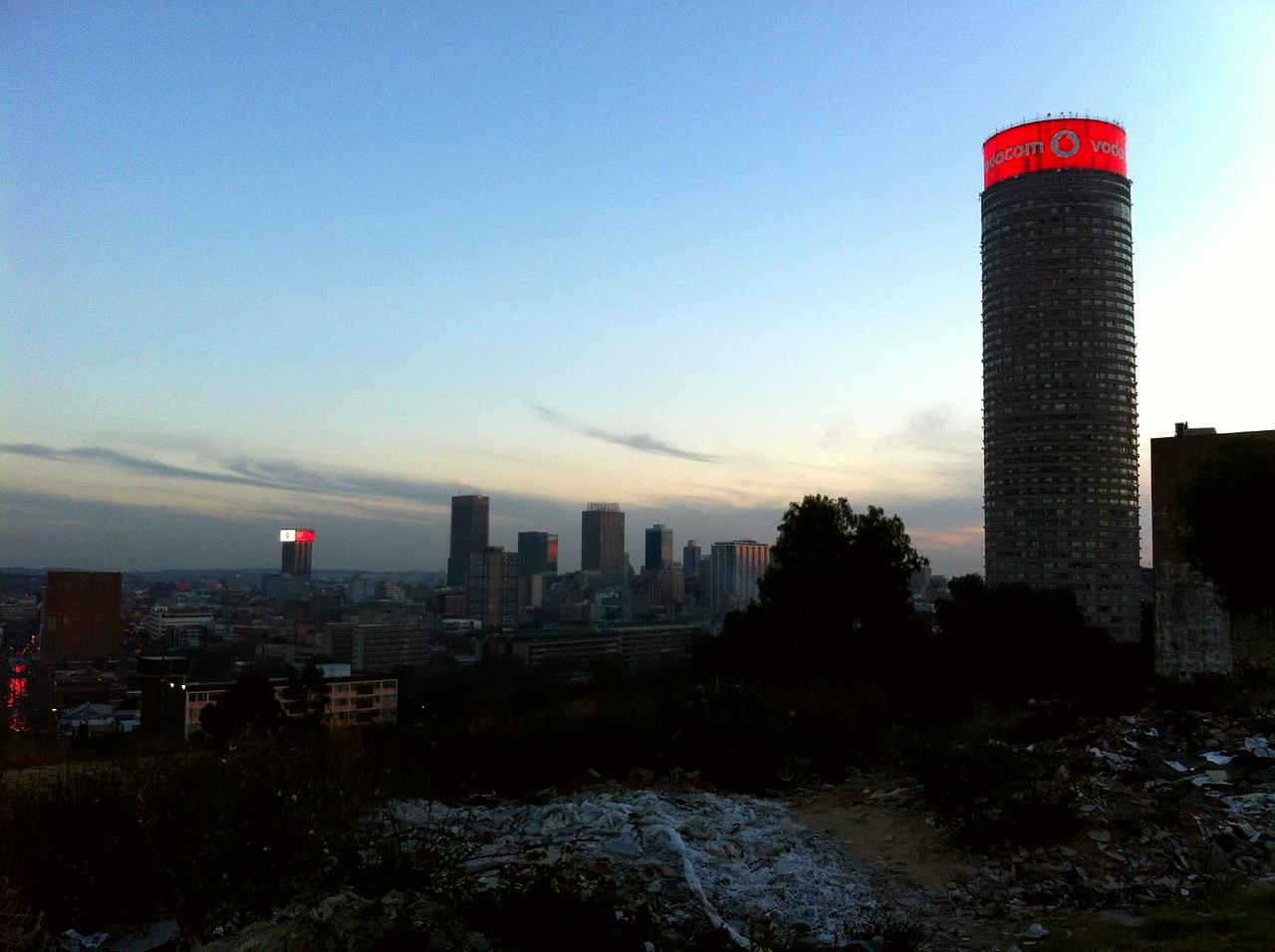
A view of Johannesburg's skyline
The skyline of Johannesburg is marked by a mix of modern architecture and historical buildings. The iconic Hillbrow Tower stands tall, while the Carlton Centre offers a panoramic view from its observation deck. This area can be busy, especially during rush hour, so plan your visit accordingly. The contrast between old and new structures tells the story of a city in transition. Take a moment to appreciate the view, but also consider the neighborhoods below, each with its own character and challenges.
Walk across the Mandela Bridge
The Mandela Bridge connects the vibrant Braamfontein area to the city center. Walking across this bridge offers a chance to reflect on Nelson Mandela's legacy while enjoying views of the city. The area around the bridge is lively, with cafes and shops, but it is best to visit during the day. Street vendors often sell local snacks, so try a bunny chow or a boerewors roll. This bridge is not just a passage; it symbolizes hope and resilience in a city that continues to grow and change.