search
search
add New trip
South Africa

South Africa

AnteKante · Pixabay
AnteKante · Pixabay
ZA calendar_monthMar–May, Sep–Novbest time schedule10 daysplan for child_careYeswith kids flagPretoriacapital RSouth African Randcurrency
South AfricaYour own route Plan a trip here →

South Africa is a vibrant country known for its diverse landscapes, rich cultures, and complex history. From the bustling streets of Cape Town to the wildlife-rich savannas of Kruger National Park, it offers a mix of urban and natural experiences that cater to all types of travelers.

Read more

However, the country also faces challenges such as safety concerns in certain areas and varying levels of infrastructure. It's essential to plan your itinerary carefully and stay informed about local conditions to make the most of your visit.

In pictures

South Africa RosZie · Pixabay
South Africa Sonel · Pixabay

Sightseeing

Table Mountain: iconic flat-topped mountain in Cape Town
Kruger National Park: one of Africa's largest game reserves
Robben Island: historical site where Nelson Mandela was imprisoned
Cape Winelands: renowned for its vineyards and scenic beauty
Garden Route: stunning coastal drive with diverse ecosystems
Blyde River Canyon: one of the largest canyons in the world
Durban's Golden Mile: famous beachfront promenade
Sani Pass: thrilling mountain pass with breathtaking views

"Diverse cultures, stunning landscapes"South Africa

Things to do

Go on a safari: experience wildlife up close in national parks
Visit local markets: explore crafts and food in vibrant settings
Hike Table Mountain: enjoy panoramic views of Cape Town
Explore the Cape of Good Hope: see where the Atlantic and Indian Oceans meet
Take a township tour: learn about local culture and history
Surf in Jeffrey's Bay: famous for its excellent waves
Wine tasting: sample world-class wines in the Cape Winelands
Attend a cultural festival: immerse in local traditions and celebrations

Local food and drinks

Biltong: dried cured meat, perfect for snacking on the go
Bobotie: spiced minced meat dish, try it in Cape Town
Braai: traditional barbecue, best enjoyed with locals
Bunny Chow: curry served in a hollowed-out loaf, popular in Durban
Samoosas: savory pastries, found at street stalls and markets
Castle Lager: popular local beer, great for socializing

Local traditions

Heritage Day: celebrates South Africa's diverse cultures
Gumboot Dance: traditional dance originating from miners
Zulu Reed Dance: annual ceremony celebrating young women
Cape Town Minstrel Carnival: vibrant parade on New Year's Day
Diwali: celebrated by the Indian community with lights and festivities

Do's and don'ts

Engage with locals: they often have great stories to share
Try to learn a few phrases in local languages
Respect wildlife: maintain a safe distance during safaris
Participate in cultural experiences: they enrich your visit
Support local artisans: buy handmade crafts and goods
Don't flash valuables in public: it can attract unwanted attention
Don't assume English is widely spoken in rural areas
Don't take photos of people without permission: it's respectful
Don't ignore safety advice from locals or guides
Don't underestimate travel times: distances can be deceiving

Encounter elephants in their natural habitat

Kruger National Park is one of the largest game reserves in Africa, spanning nearly 7,500 square miles. Here, you can see elephants roaming freely, often in herds. The park is home to the Big Five: lions, leopards, rhinoceroses, elephants, and buffaloes. Early morning and late afternoon are the best times for wildlife sightings. However, be prepared for the heat during the day, especially in summer. Bring plenty of water and sunscreen. Also, consider guided tours for a safer experience, as navigating the park can be challenging without local knowledge.

Explore the vineyards of Stellenbosch

Stellenbosch is famous for its wine production, with vineyards that stretch across rolling hills. You can taste a variety of wines, including the renowned Pinotage, at local estates. Many wineries offer tours that include tastings and food pairings. The town itself has a charming atmosphere with oak-lined streets and Cape Dutch architecture. However, weekends can get busy, so visiting during the week might provide a more relaxed experience. Don't forget to check the opening hours of the wineries, as they can vary.

Experience a safari from a jeep

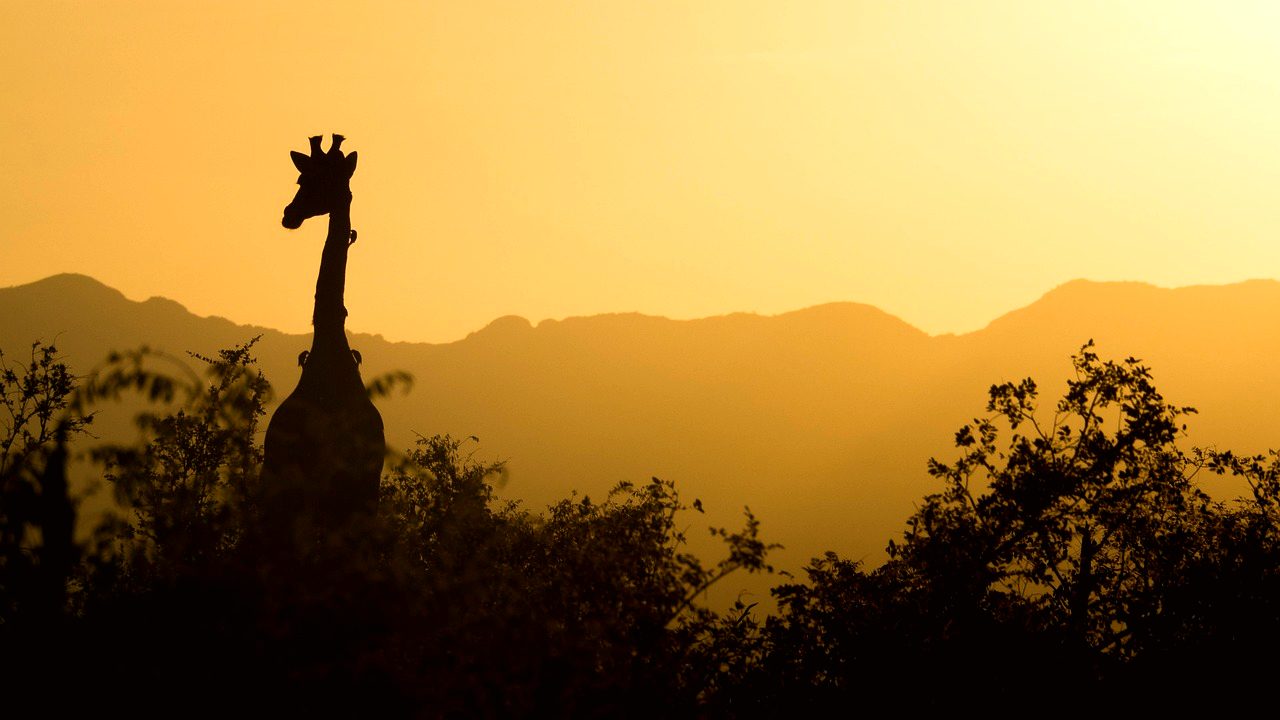
A jeep safari in Kapama Game Reserve offers an intimate way to observe wildlife. Guides share insights about the animals and their habitats, enhancing your experience. The reserve is home to a variety of species, including cheetahs and giraffes. Morning and evening drives are particularly rewarding, as animals are more active during these times. Keep in mind that the terrain can be rough, so dress comfortably and be prepared for dust. Also, consider bringing binoculars for a closer look at the wildlife.

Practical

At a glance

Population
60.000.000
Best time
May to September for wildlife viewing

Basic information

Capital: Pretoria
Language: 11 official languages, including Afrikaans and Zulu
Currency: South African Rand
Best time to visit: May to September for wildlife viewing

Travel information

Fly into major airports like Johannesburg or Cape Town. Renting a car is advisable for flexibility, especially when exploring the Garden Route or the Drakensberg Mountains. Public transport options vary, with limited services in some regions, so plan accordingly. Credit cards are widely accepted, but carry cash for small purchases, especially in rural areas where card facilities may not be available. Mobile connectivity is generally good in urban areas, but expect limited service in remote locations.

Things to know

Be cautious in urban areas, especially at night.
Watch out for scams targeting tourists in busy places like markets and tourist attractions.
Respect local customs and dress codes, particularly in rural areas where traditional attire may be common.
Some attractions may have unexpected closures, so check their websites or call ahead.
Tipping is customary, typically around 10-15%, and it's appreciated in restaurants and for services.
history_eduHistoryexpand_more

South Africa's history is marked by its indigenous cultures, colonialism, and the struggle against apartheid. The arrival of Dutch settlers in the 17th century set the stage for centuries of conflict and exploitation, leading to the establishment of a racially divided society.

The anti-apartheid movement, led by figures like Nelson Mandela, culminated in the 1994 elections, marking the end of institutionalized racial segregation. Today, South Africa is a democratic nation, still grappling with the legacies of its past while striving for unity and progress.

Photo: AnteKante · Pixabay Content License · Pixabay

Photo credits (2)