search
search
add New trip
Pretoria

Pretoria

Population: 750.000 Since: Founded in 1855 Price: Mid-range Capital city

Introduction

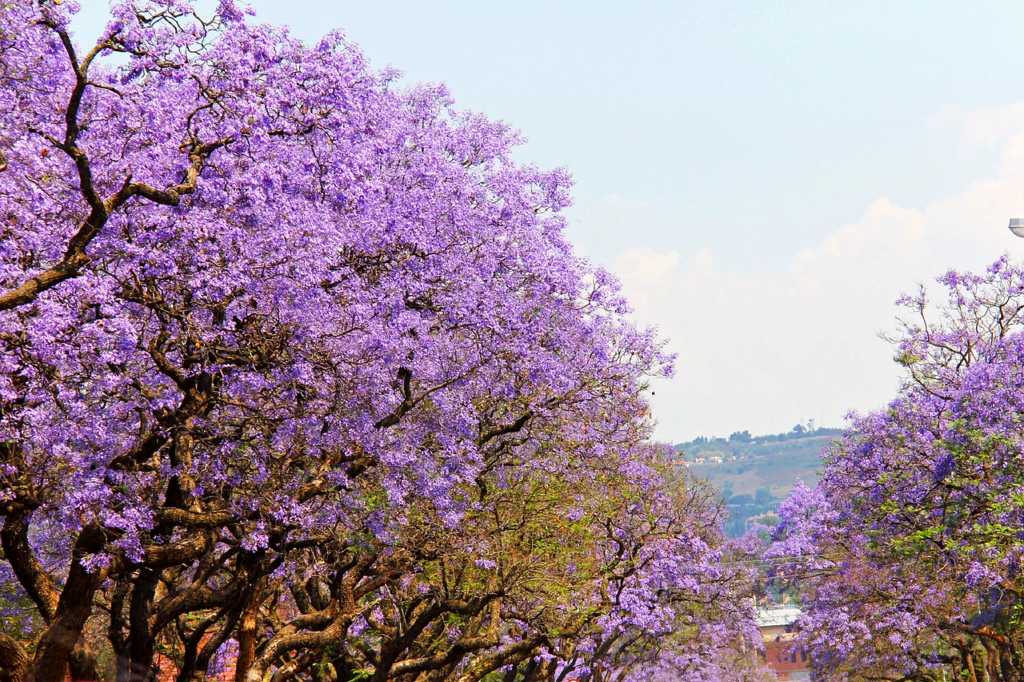
Pretoria, the administrative capital of South Africa, offers a unique blend of history and modernity. Visitors will find tree-lined streets, impressive architecture, and a vibrant cultural scene that reflects the country's diverse heritage.

The city is known for its beautiful gardens and parks, making it a pleasant place to explore on foot. However, be prepared for the winter chill and occasional summer thunderstorms, which can affect outdoor plans.

In pictures

Pretoria
Pretoria
Pretoria
Pretoria
Pretoria
Magaliesberg mountain range

Sightseeing

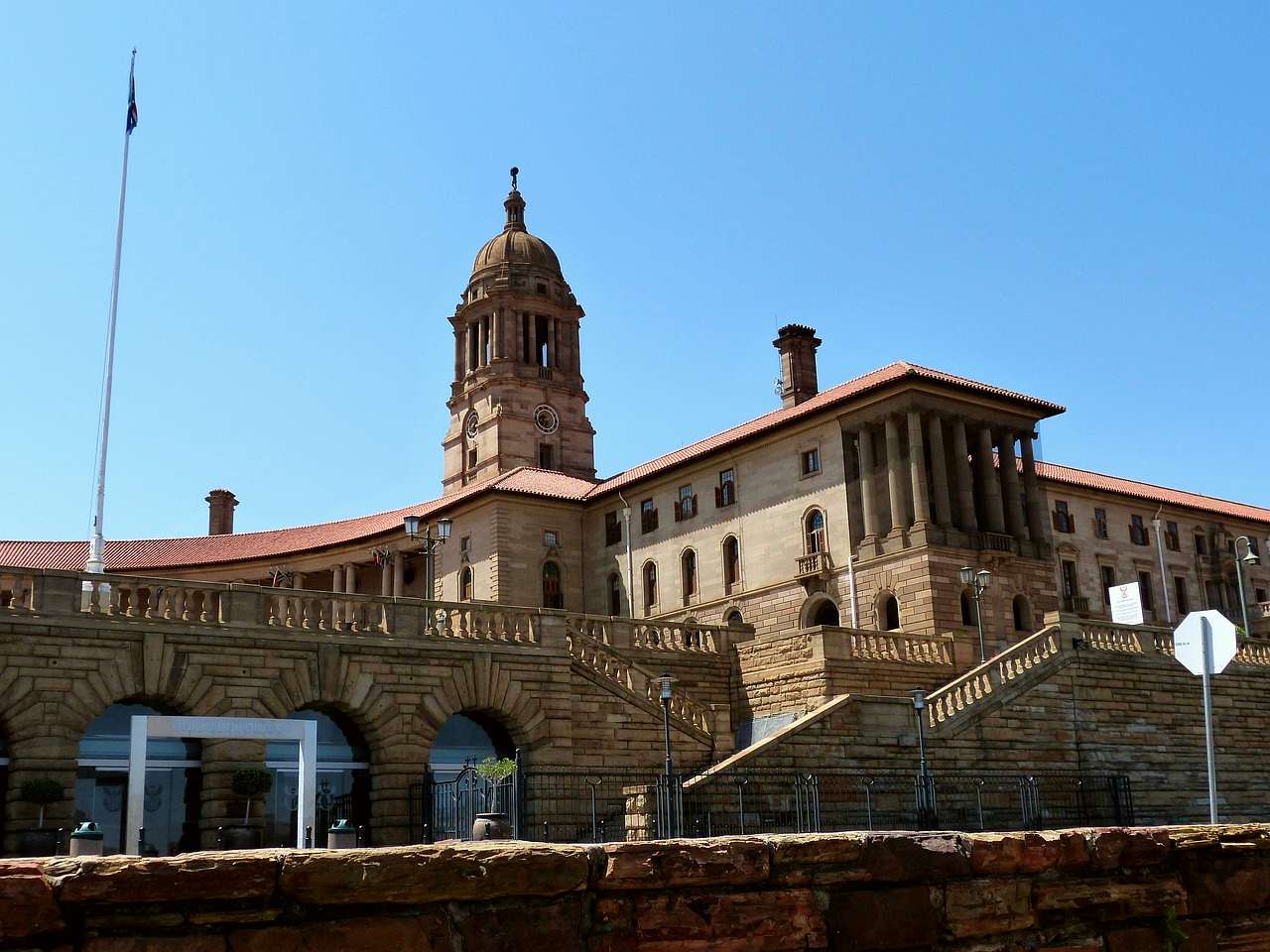
Union Buildings: iconic seat of the South African government
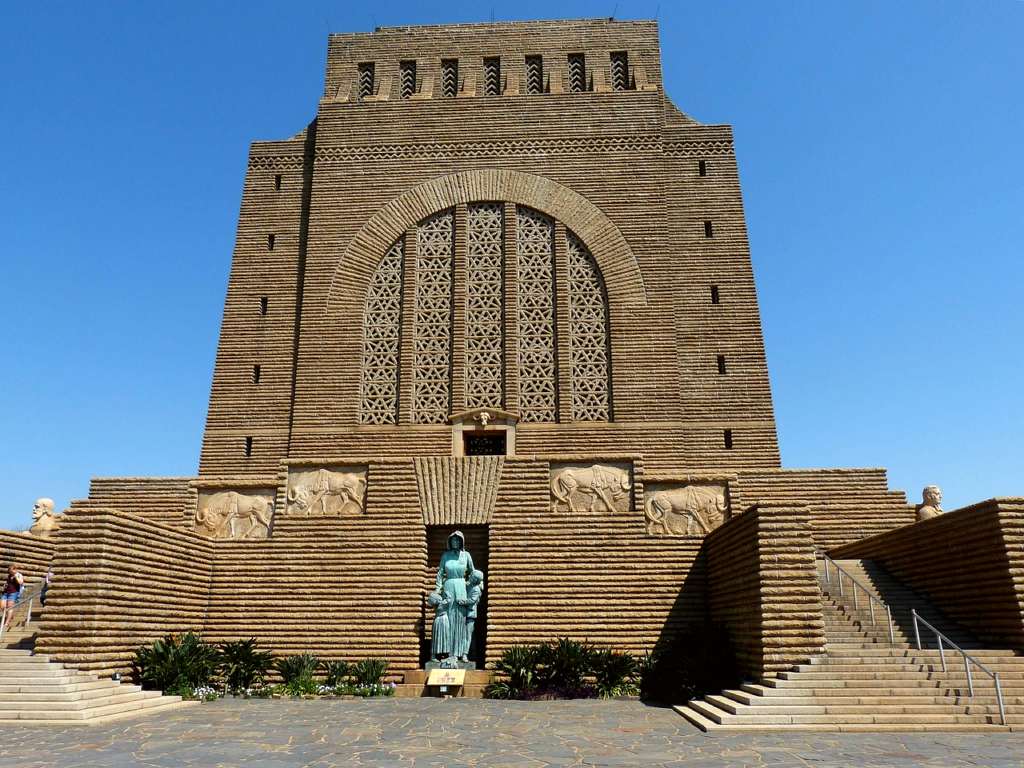
Voortrekker Monument: a tribute to the Afrikaner pioneers
Church Square: historic heart of the city with notable buildings
National Zoological Gardens: home to diverse animal species
Pretoria Botanical Gardens: a serene escape with native flora
Freedom Park: a memorial to South Africa's struggle for freedom
Melrose House: a Victorian-era museum with rich history
Transvaal Museum: showcases natural history and cultural artifacts

"A city of history and culture"Pretoria

Things to do

Visit the Pretoria Art Museum: explore local and international art.
Take a stroll in the Pretoria Botanical Gardens: the entry fee is R100 during peak season (September to March) and R80 during off-peak (April to August).
Explore the National Zoological Gardens: see a variety of wildlife, including lions and elephants.
Attend a performance at the State Theatre: experience local culture with a range of shows.
Discover the history at Freedom Park: learn about South Africa's past and its significance in the struggle for freedom.
Local food and drinks - Pretoria

Local food and drinks

Bunny Chow: a hollowed-out loaf filled with curry
Pap and Chakalaka: traditional maize porridge with spicy relish
Braai: South African barbecue, often enjoyed outdoors
Local wines: sample selections from nearby vineyards
Street food: try boerewors rolls from local vendors
Local traditions - Pretoria

Local traditions

Heritage Day: celebrates South Africa's diverse cultures
Braai culture: communal barbecues are a social staple
Spring Day: marks the arrival of spring with festivities
Local music festivals: showcase traditional and contemporary South African music
History - Pretoria

History

Founded in 1855, Pretoria was named after the Voortrekker leader Andries Pretorius. It became the capital of the South African Republic in 1860 and has since played a significant role in the country's political landscape.

The city witnessed pivotal events during the Anglo-Boer War and has evolved into a symbol of reconciliation post-apartheid. Today, Pretoria is a vibrant city that reflects both its colonial past and its aspirations for a united future.

A panoramic view of Pretoria's skyline

A panoramic view of Pretoria's skyline

From the Voortrekker Monument, you can see a sweeping view of Pretoria's skyline. This impressive structure commemorates the Voortrekkers who left the Cape Colony in the 1830s. The surrounding gardens are perfect for a leisurely stroll. The best time to visit is during the golden hour, when the setting sun casts a warm glow over the city. However, be prepared for the climb up the steps to the monument. It can be a workout, but the view is rewarding.

UNISA: A hub of education and culture

UNISA: A hub of education and culture

The University of South Africa, or UNISA, is one of the largest distance education institutions in the world. Its campus is a blend of modern and historical architecture, reflecting the evolution of education in South Africa. Take a moment to explore the art galleries and exhibitions that often showcase local artists. If you visit during the academic year, you might catch a lecture or event that sparks your interest. Just be aware that parking can be limited, so consider public transport.

Explore the history at the Voortrekker Monument

Explore the history at the Voortrekker Monument

The Voortrekker Monument is not just a landmark; it is a museum that tells the story of the Afrikaner people. Inside, you will find detailed exhibits and historical artifacts. The architecture itself is impressive, with intricate carvings and a large central hall. Plan to spend a couple of hours here to fully appreciate the exhibits. The site can get busy on weekends, so visiting during the week might offer a quieter experience.

Things to know

Be cautious of traffic, as it can be congested.
Public transport options are limited, consider rideshares.
Some areas may not feel safe after dark, stay alert.
Plan visits to attractions ahead of time to avoid crowds.
As of 2023, load shedding can affect power supply, so check schedules before your trip.

Do's and don'ts

Explore the local markets for unique crafts
Engage with locals to learn about their culture
Visit museums to understand the city's history
Try traditional dishes at local restaurants
Don't flash valuables in public areas
Don't assume all areas are safe at night
Don't ignore local customs and etiquette
Don't rush through attractions, take your time

Good to know

Accessibility: Many attractions are accessible, but check specifics.
Price level: mid-range

Photo: Wikipedia / Wikimedia Commons