

kiomigo
search
search
add New trip
Soweto

Soweto

Population: 1.500.000 Since: Founded in the 1930s Price: Budget

Introduction

Soweto is a vibrant township that pulses with history and culture. Visitors are greeted by lively streets filled with music, art, and the warm spirit of its residents, making it a unique destination in South Africa.

The township is a testament to resilience, with its rich past intertwined with the struggle against apartheid. Exploring Soweto offers a glimpse into the everyday lives of its people, alongside significant historical landmarks that tell the story of a nation.

In pictures

Soweto
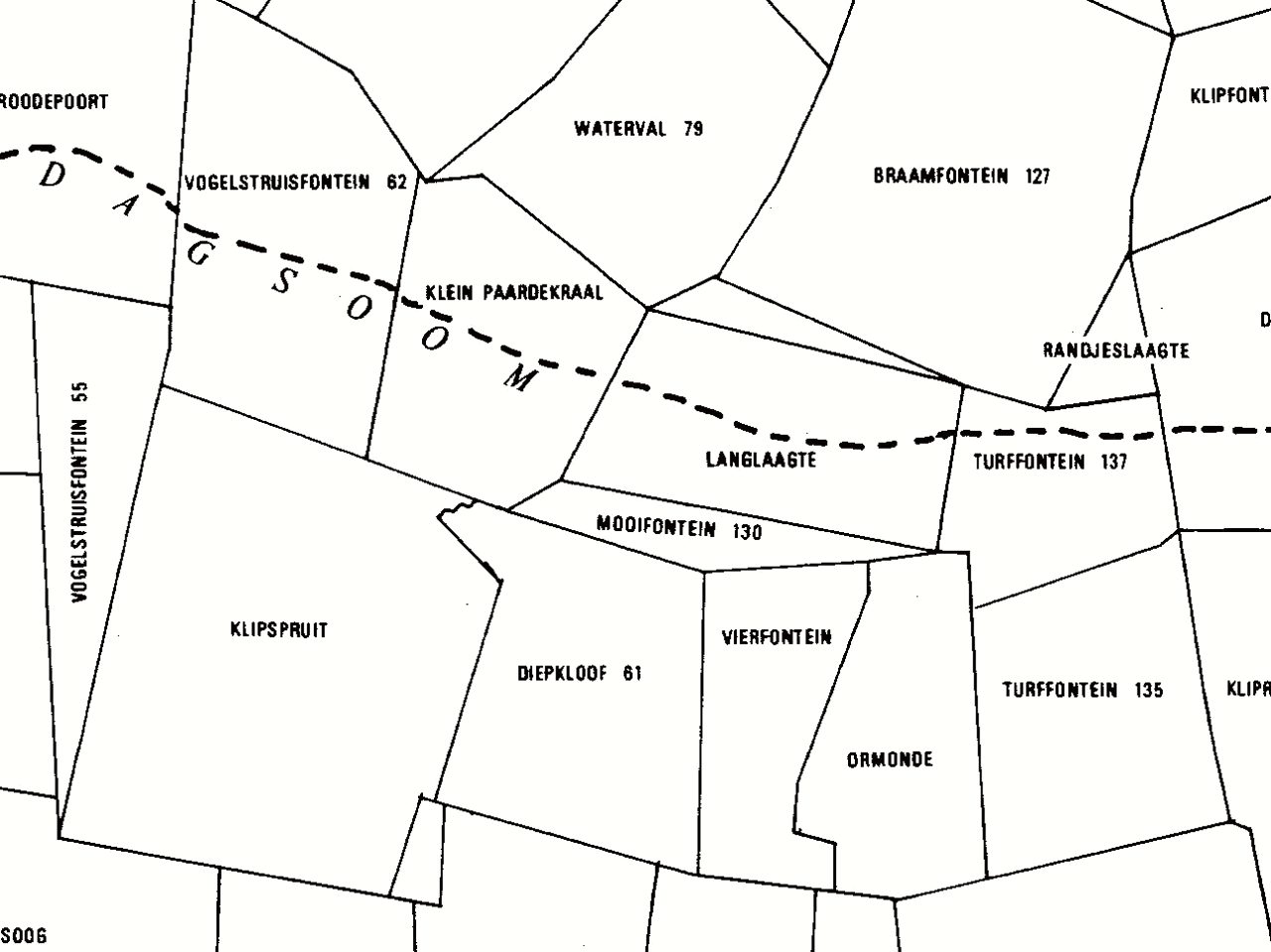
Klipspruit and Diepkloof, South-west of Johannesburg, laid out on Randjeslaagte
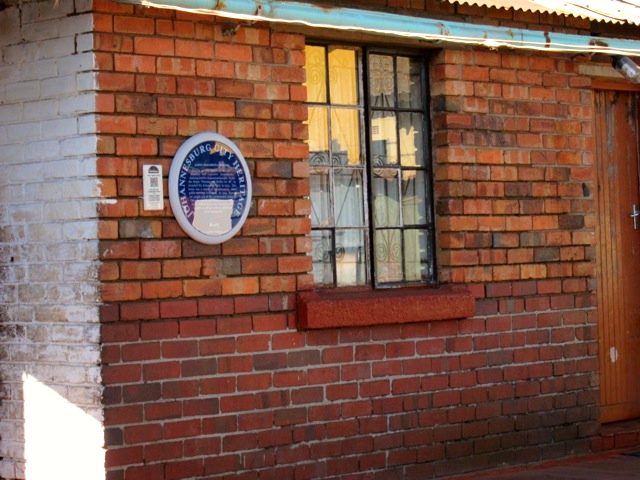
James Mpanza House in Orlando
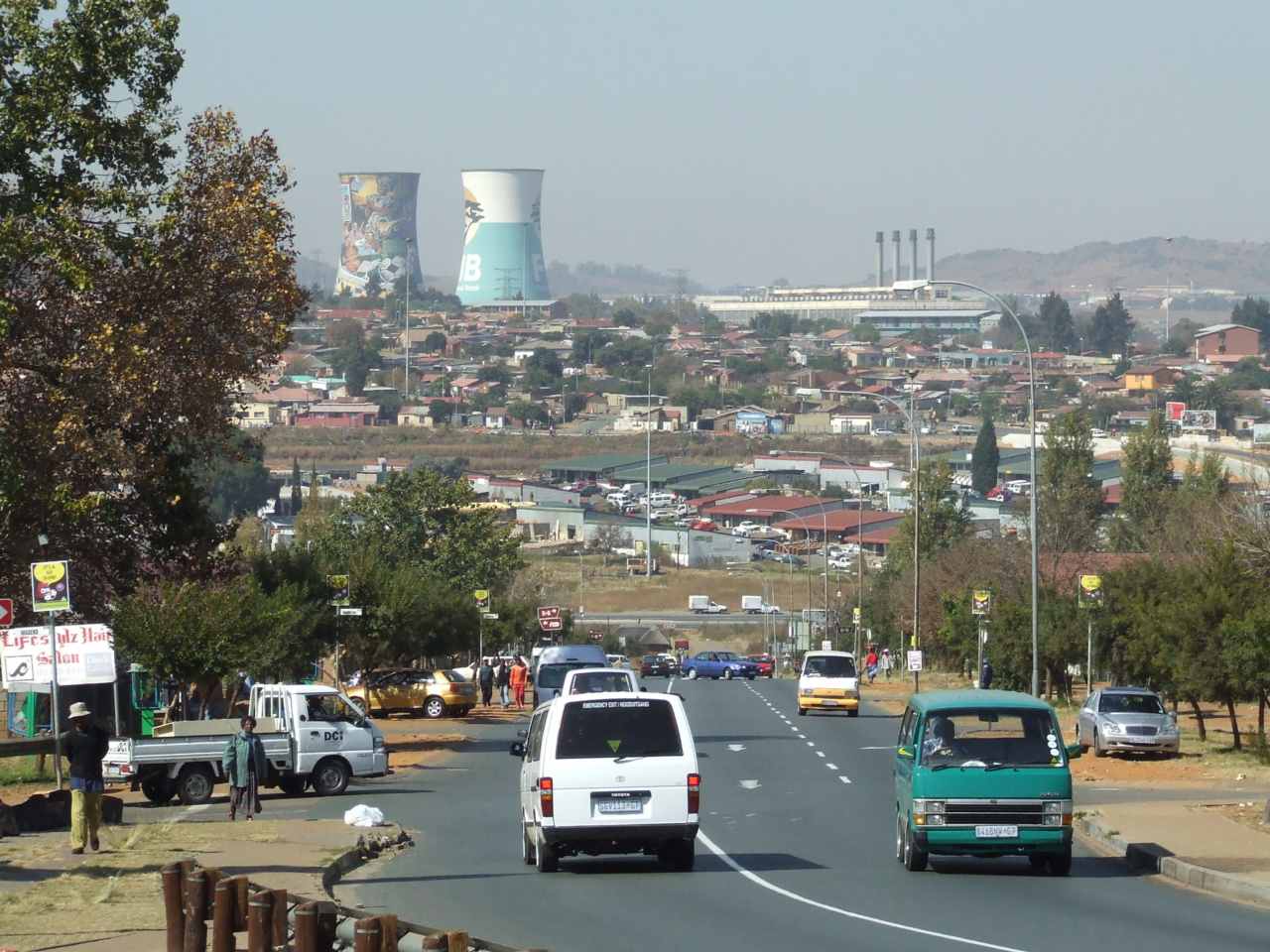
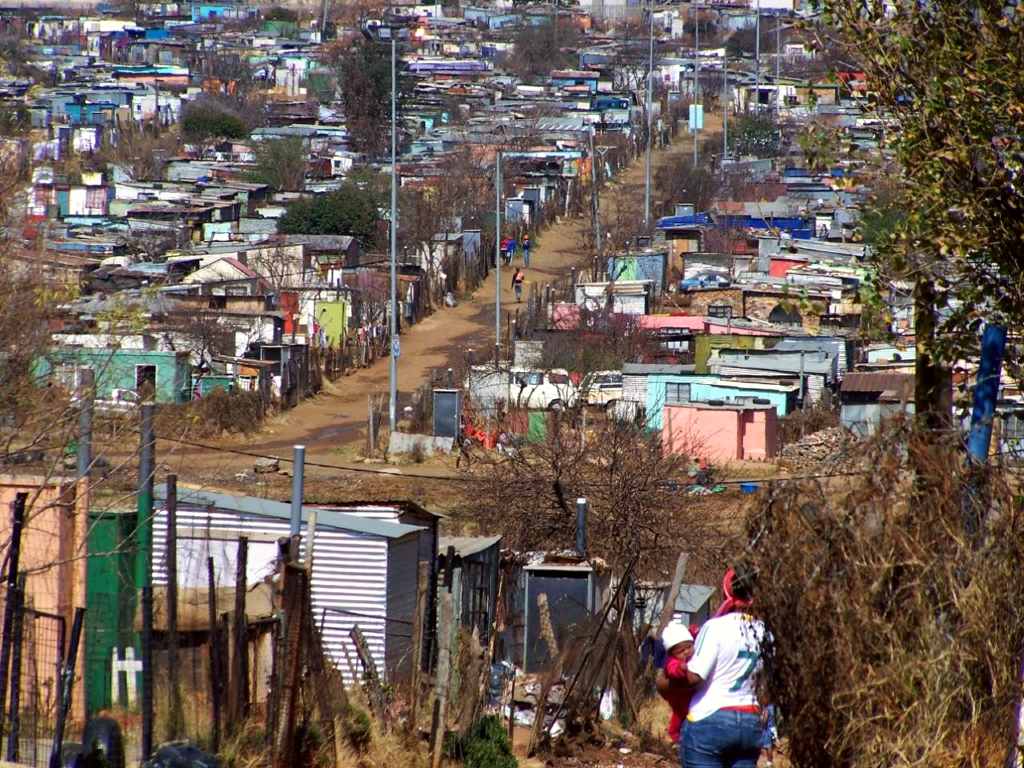
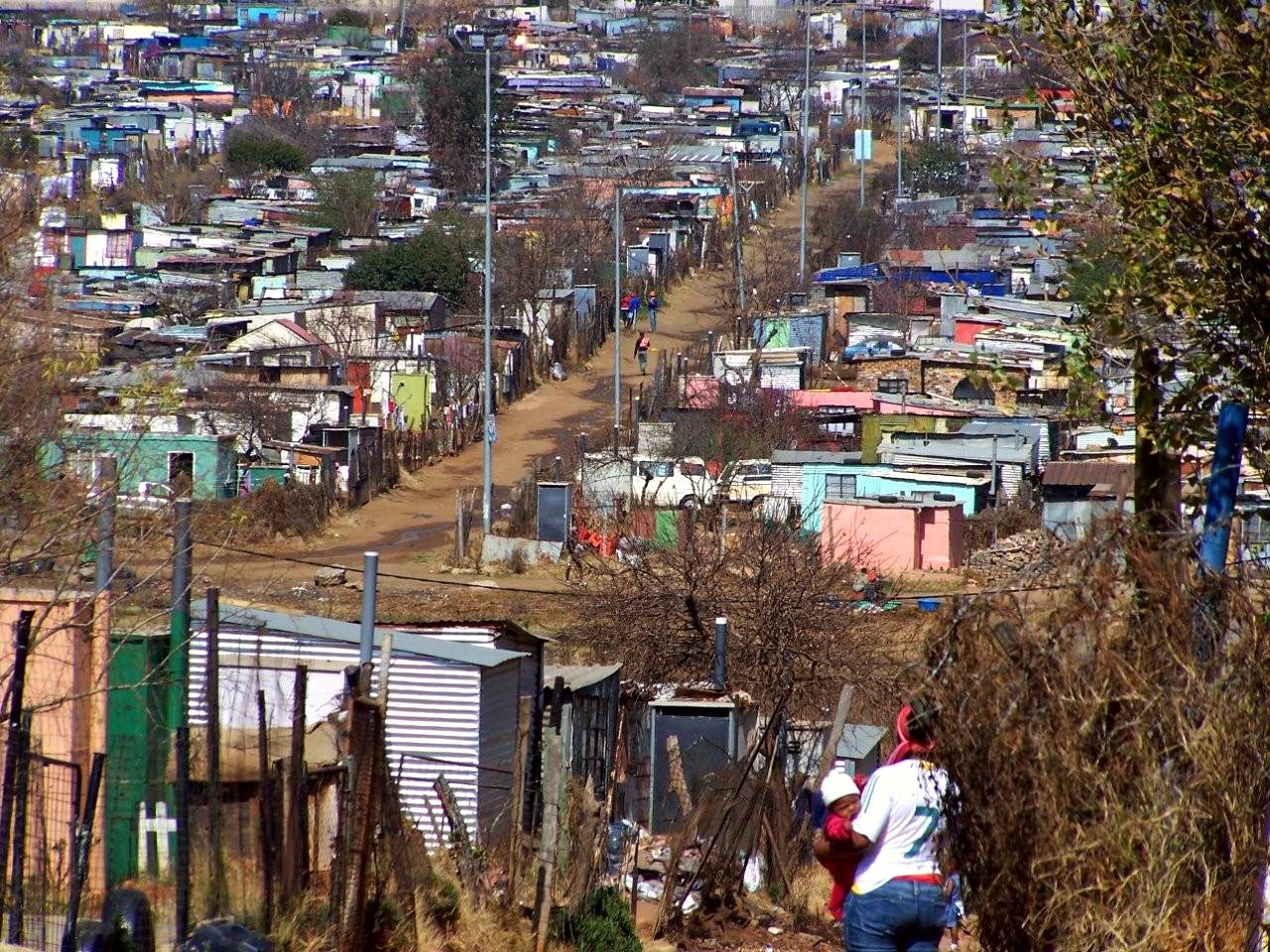
Soweto housing (c. 2009)
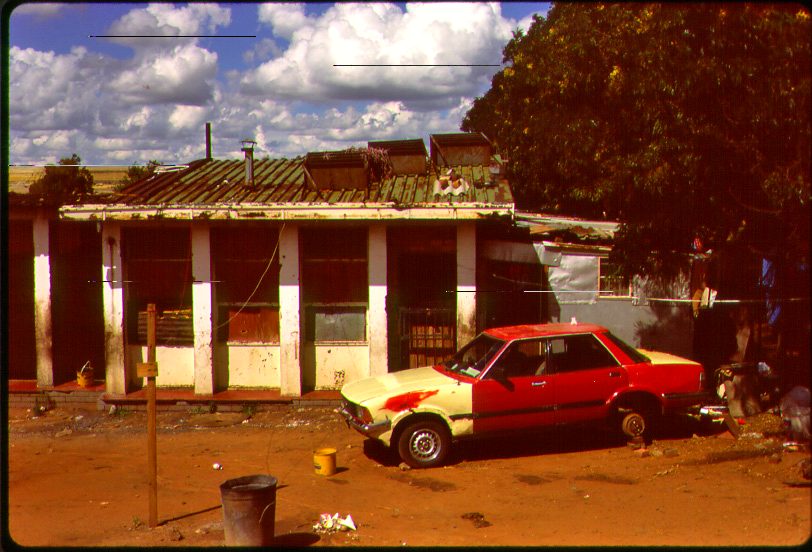
House in Soweto, December 1995
Diepmeadow Town Council, Greater Soweto

Sightseeing

Vilakazi Street: Famous for being the only street in the world where two Nobel Prize winners lived
Hector Pieterson Memorial: A poignant tribute to the youth who fought for freedom
Soweto Towers: Iconic landmarks offering bungee jumping and stunning views
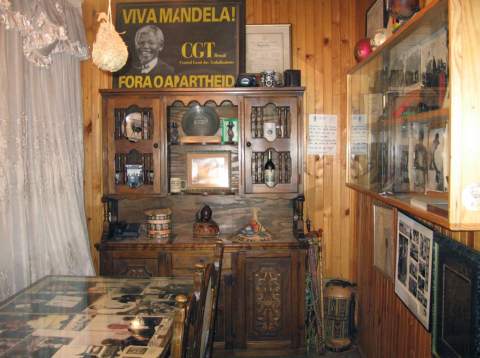
Mandela House: The former home of Nelson Mandela, now a museum
The Apartheid Museum: A powerful exploration of South Africa's history

"Experience the Heart of South Africa"Soweto

Things to do

Take a guided tour: Learn about Soweto's history and culture from locals
Visit local markets: Experience authentic South African cuisine and crafts
Attend a local soccer match: Feel the excitement of a live game
Explore street art: Discover vibrant murals that tell stories of the community

Local food and drinks

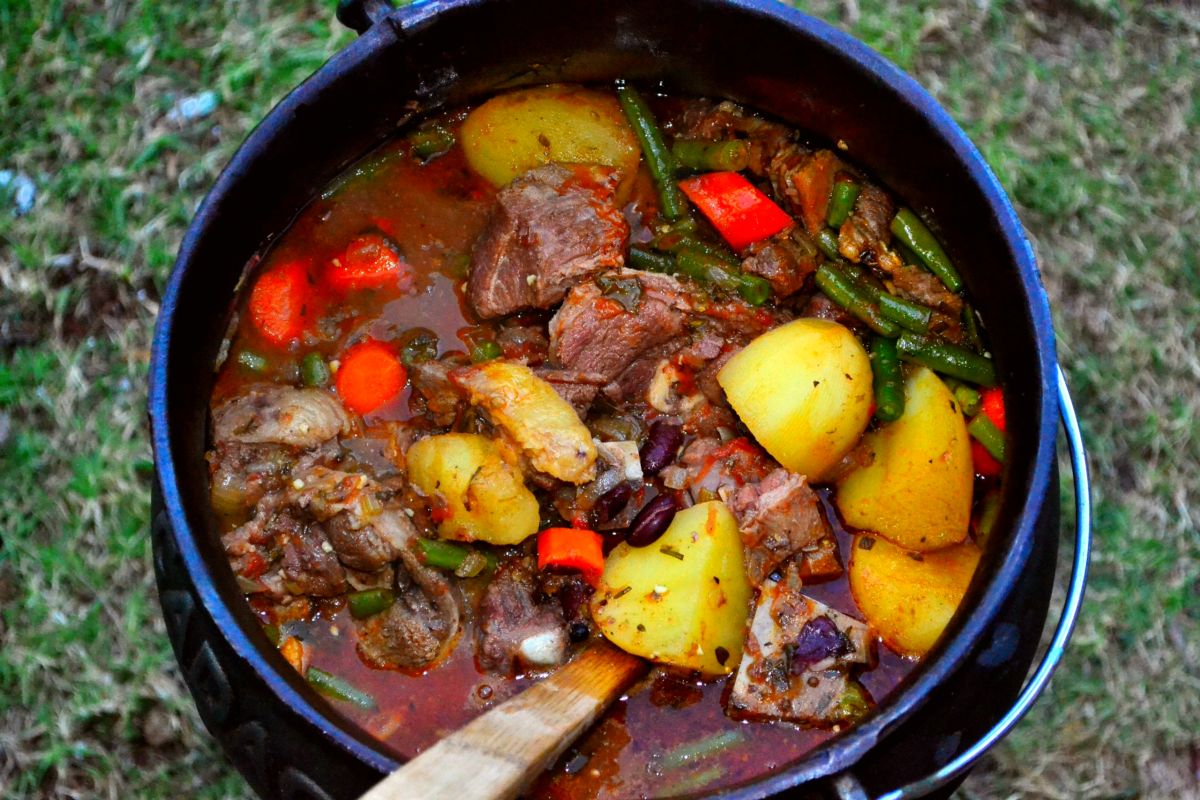
Bunny Chow: A hollowed-out loaf filled with curry, a local favorite
Pap and Chakalaka: A traditional dish of maize porridge served with spicy relish
Soweto Beer: Sample local brews at various taverns
Kotze's Kitchen: A popular spot for authentic Soweto dishes
Vilakazi Street eateries: Enjoy street food from various vendors

Local traditions

Soweto Gospel Choir: Renowned for their uplifting performances
Annual Soweto Wine & Lifestyle Festival: Celebrates local wines and cuisine
Heritage Day: A celebration of South African culture and traditions
Street parties: Regular gatherings that showcase music and dance
History - Soweto

History

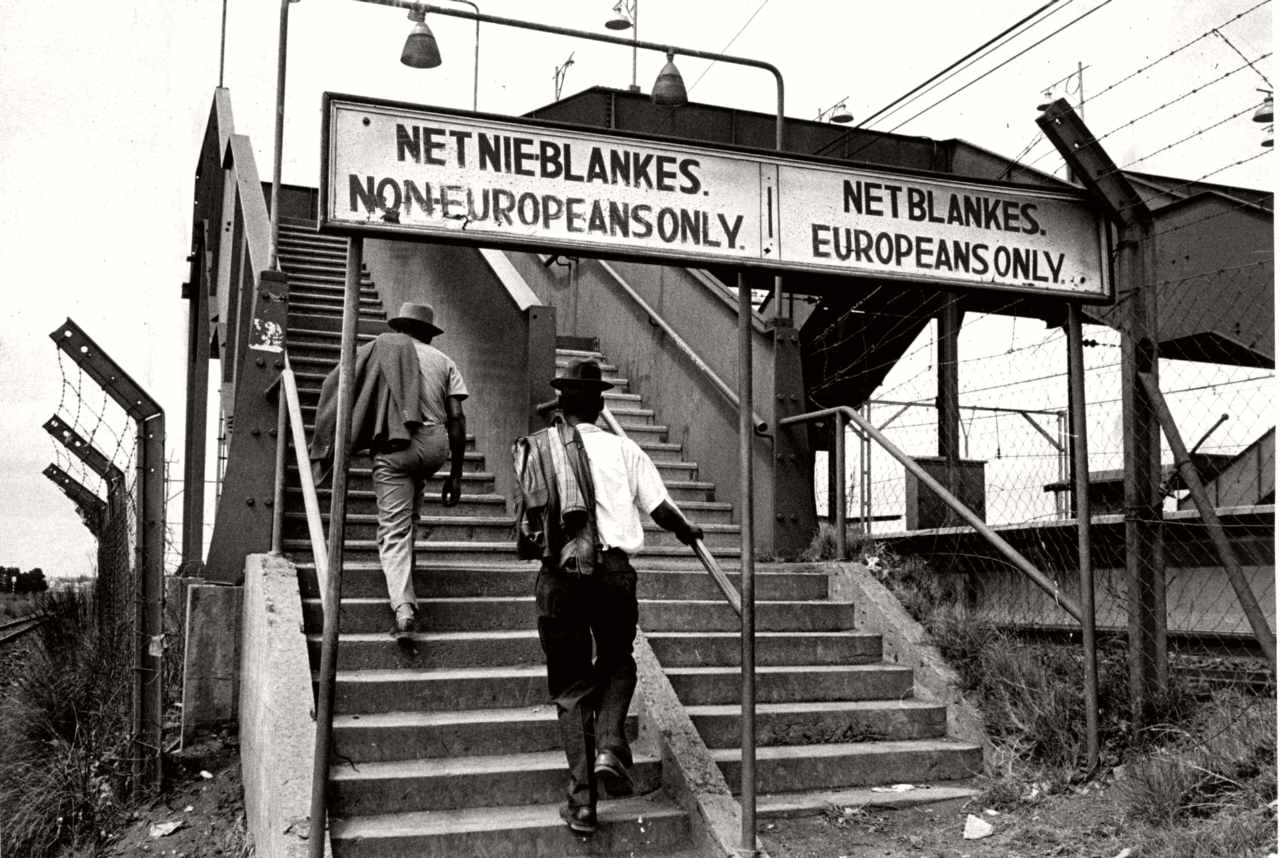
Soweto, short for South Western Townships, was established in the early 20th century as a segregated area for black South Africans. It became a focal point during the anti-apartheid struggle, particularly during the 1976 Soweto Uprising, when students protested against the imposition of Afrikaans in schools.

The township has evolved significantly since the end of apartheid in 1994, transforming into a vibrant community that embraces its rich heritage while facing modern challenges. Today, Soweto is a symbol of resilience and hope, attracting visitors from around the globe.

Things to know

Be cautious of your belongings, as petty crime can occur
Public transport can be unreliable; consider using rideshare apps
Some areas may not be wheelchair accessible; plan accordingly
Avoid visiting during late hours for safety reasons

Do's and don'ts

Engage with locals: They are friendly and eager to share their stories
Try local foods: Don't miss out on authentic Soweto cuisine
Respect cultural sites: Be mindful when visiting historical landmarks
Take photos: Capture the vibrant street life and art
Don't wander alone at night: Stick to well-lit areas
Don't ignore local customs: Be respectful of traditions and practices
Don't rush your visit: Take time to soak in the atmosphere
Don't assume all areas are safe: Stay informed about your surroundings

Good to know

Accessibility: Some areas are accessible, but many are not
Price level: budget

Photo: Wikipedia / Wikimedia Commons