Western Cape
 Mar–May, Sep–Novbest time
10 daysplan for
Yeswith kids
Mar–May, Sep–Novbest time
10 daysplan for
Yeswith kids
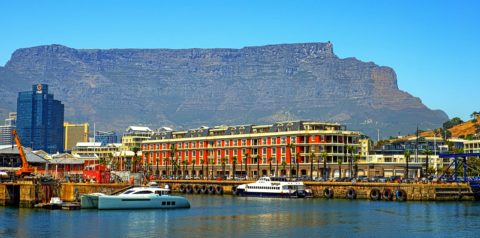
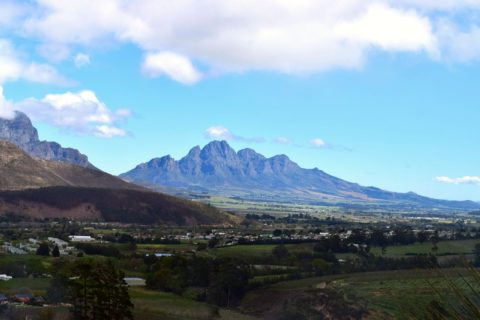
The Western Cape is a stunning region in South Africa, known for its breathtaking landscapes, diverse cultures, and vibrant cities. From the iconic Table Mountain to the picturesque vineyards of Stellenbosch, this area offers a mix of natural beauty and urban charm that appeals to all types of travelers.
Read more
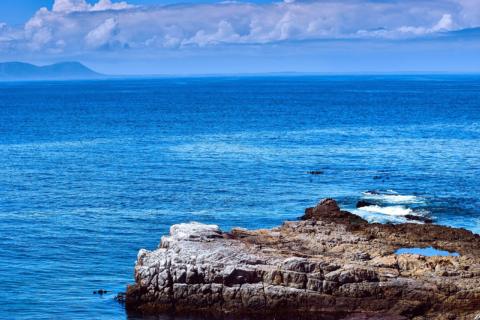
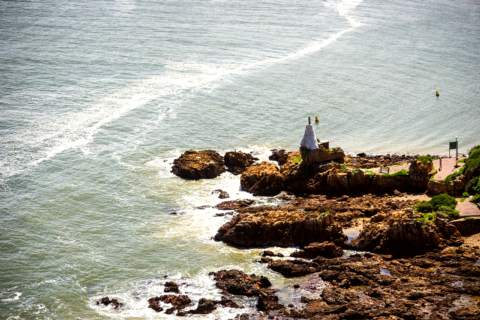
Visitors can explore the Cape Winelands, enjoy the coastal scenery of the Garden Route, and immerse themselves in the rich history of Cape Town. However, be prepared for varying weather conditions and plan your activities accordingly, as the region can be quite windy and rainy at times.
Cities
Sightseeing
Local food and drinks
Practical
At a glance
- Best time
- September to April
History
The Western Cape has a rich history, dating back to its establishment as a refreshment station for ships in the 17th century. The Dutch East India Company founded Cape Colony in 1652, leading to the settlement of various cultures, including the indigenous Khoisan, Dutch, and later British colonists.
The region played a significant role in South Africa's struggle against apartheid, with Cape Town being a focal point for political activism. Today, it stands as a testament to resilience and diversity, attracting millions of visitors each year who come to learn about its complex past.